
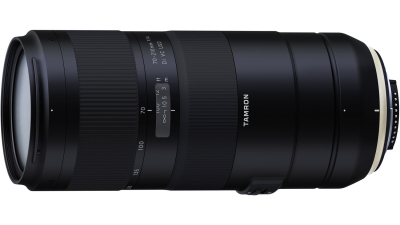
Are you looking for a lens that can help you capture stunning bird photos without breaking the bank? The Tamron 70-210mm F4 might just be the answer you’ve been searching for.
But is it really good enough for bird photography? If you want sharp images, smooth focus, and a lens that won’t weigh you down during long shoots, you need to know what this lens can truly deliver. Keep reading, because we’re about to uncover everything you need to decide if the Tamron 70-210 F4 fits perfectly into your bird photography gear.
Tamron 70-210 F4 Features
The Tamron 70-210mm F4 lens offers a solid set of features for bird photography. It balances reach and image quality while keeping a constant aperture. This lens is designed to capture sharp images of birds in various lighting conditions.
Understanding its features helps to know if it fits your photography style. The following sections break down key aspects of the lens, from specs to its build and stabilization.
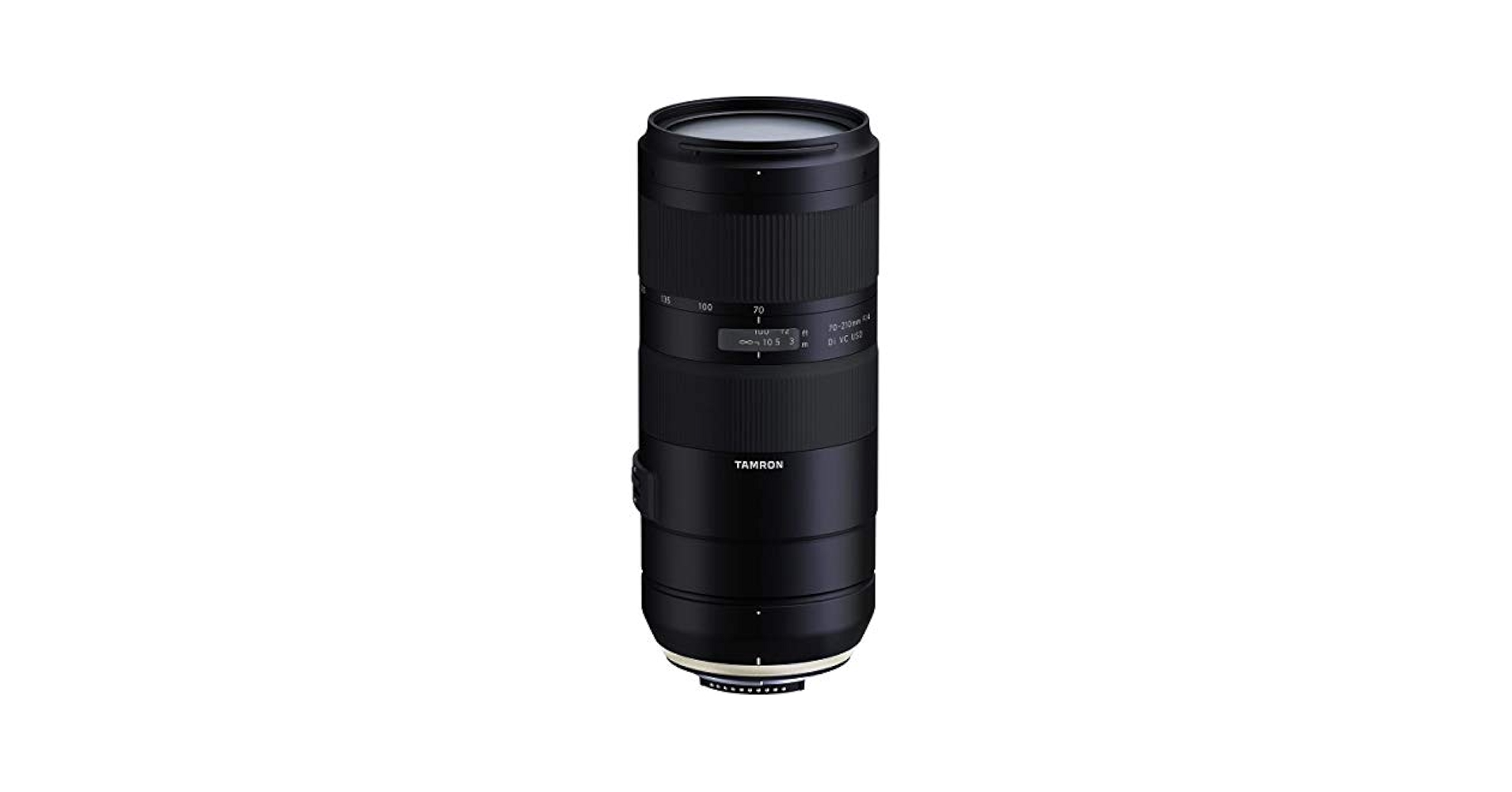
Lens Specifications
- Focal Length: 70-210mm, ideal for mid to long-range shots
- Maximum Aperture: Constant f/4 for consistent exposure
- Minimum Focus Distance: Approximately 0.95m for close-ups
- Filter Size: 67mm, easy to find filters
- Weight: Around 570 grams, lightweight for a telephoto lens
- Compatible Mounts: Available for Canon, Nikon, Sony, and others
Build And Design
- Compact and lightweight, easy to carry in the field
- Weather-sealed construction protects against dust and moisture
- Focus ring and zoom ring are smooth and responsive
- Simple, clean design with a matte black finish
- Tripod collar is not included but can be added separately
Image Stabilization
- Features VC (Vibration Compensation) technology
- Helps reduce blur caused by hand shake
- Effective for shooting birds from a distance
- Allows slower shutter speeds without losing sharpness
- Improves overall image clarity in low light conditions

Credit: www.youtube.com
Performance In Bird Photography
The Tamron 70-210 F4 is a popular lens among bird photographers. Its performance is vital for capturing the swift and elusive nature of birds. Below, we explore how this lens handles various aspects of bird photography.
Autofocus Speed And Accuracy
The autofocus speed of the Tamron 70-210 F4 is fast. It efficiently locks onto moving birds, ensuring you don’t miss critical shots. The accuracy is reliable, especially for birds in flight. This lens tracks subjects with precision, which is essential for bird photography.
Image Quality And Sharpness
This lens offers excellent image quality. The sharpness is impressive across all focal lengths. Feather details are well captured, providing vibrant images. Chromatic aberration is minimal, enhancing the photo quality. You get clear images without much post-processing.
Handling In Different Lighting
The Tamron 70-210 F4 performs well in various lighting conditions. It handles low light efficiently, thanks to its constant F4 aperture. This feature allows for more light, improving image quality in dim environments. In bright settings, the lens maintains consistent performance.
Comparison With Similar Lenses
Comparing the Tamron 70-210mm F4 to similar lenses helps you understand its strengths and weaknesses for bird photography. It’s not just about specs on paper but how these lenses perform in the field. Let’s break down how it stacks up against others from Tamron and major camera brands, plus what you get for your money.
Versus Other Tamron Zooms
The Tamron 70-210mm F4 stands out for its constant aperture and lightweight design. Compared to Tamron’s 100-400mm, it’s easier to carry during long birding hikes but falls short on reach. If you prioritize sharpness and portability over extreme zoom, the 70-210mm often feels more balanced in hand.
Its autofocus is quick and quiet, which matters when you don’t want to scare birds away. However, if you need more telephoto reach, the 150-600mm Tamron zoom might be tempting, though it’s heavier and pricier.
Compared To Canon And Nikon Options
Canon’s EF 70-200mm f/4L offers similar image quality but tends to be pricier and slightly heavier. Nikon’s 70-200mm f/4G VR is comparable but includes vibration reduction, which Tamron lacks. Do you often shoot handheld in low light? Nikon’s VR could give you an edge here.
Both Canon and Nikon’s versions typically have faster and more reliable autofocus in challenging conditions. But Tamron’s lens can surprise you with its sharpness and contrast at a fraction of the cost. Is it worth compromising some features for affordability and weight savings?
Price And Value Considerations
At its price point, the Tamron 70-210mm F4 offers excellent value for bird photographers on a budget. You get consistent aperture, good image quality, and manageable weight without breaking the bank. This makes it a great option if you don’t want to invest in heavier, more expensive telephoto zooms.
Think about how often you go out birding and the typical lighting conditions you encounter. If you mainly shoot in bright daylight and value portability, this lens could be your best buy. But if you need longer reach or image stabilization, you might want to stretch your budget or consider alternatives.

Credit: www.amazon.com
Practical Tips For Bird Shooters
Bird photography challenges both patience and skill. Using the Tamron 70-210 F4 lens effectively requires more than just good equipment. Practical tips help improve your shots and make your experience enjoyable. Focus on settings, techniques, and accessories to get the best results.
Optimal Settings For Birds
- Use aperture priority mode to control depth of field.
- Set aperture around f/5.6 to f/8 for sharp focus on birds.
- Increase ISO to maintain fast shutter speed, especially in low light.
- Choose shutter speed of at least 1/1000 sec to freeze bird motion.
- Enable continuous autofocus (AI Servo or AF-C) for moving birds.
- Use burst mode to capture several frames quickly.
Best Shooting Techniques
- Track birds smoothly with your lens before shooting.
- Focus on the bird’s eye to create an engaging photo.
- Keep your movements slow and steady to avoid startling birds.
- Use natural light from the side or behind for better detail.
- Practice patience; wait for interesting bird behavior or poses.
- Use a tripod or monopod for stability during long shoots.
Accessories To Enhance Use
- Use a tripod or monopod to reduce camera shake.
- Add lens hoods to prevent glare and protect the lens.
- Carry extra batteries and memory cards for long outings.
- Use a comfortable camera strap for easier handling.
- Consider a remote shutter release to minimize vibrations.
- Bring a rain cover to protect gear in wet conditions.
Pros And Cons Summary
Understanding the pros and cons of the Tamron 70-210mm F4 lens can help you decide if it fits your bird photography needs. This lens offers unique benefits but also has some limitations to keep in mind. Let’s break down what makes it stand out and where it might fall short for your birding adventures.
Pros
- Constant f/4 Aperture:The steady aperture allows consistent exposure and decent low-light performance, which is vital during early mornings or cloudy days when birds are most active.
- Compact and Lightweight:Unlike bulkier telephoto lenses, this Tamron model is easy to carry on long hikes, helping you stay nimble while tracking fast-moving birds.
- Sharp Image Quality:You get crisp details, especially in the center of the frame, which is crucial to capture intricate feather patterns.
- Fast Autofocus:The autofocus is quick and accurate, increasing your chances of nailing sharp shots of birds in flight or perched briefly.
Cons
- Limited Zoom Range:The 70-210mm range might feel short if you often photograph distant or small birds, pushing you to crop images or get closer physically.
- No Image Stabilization:Without built-in stabilization, handheld shots can be tricky in low light, which may result in blurry photos unless you use a tripod.
- Aperture Not as Wide as f/2.8:Compared to f/2.8 lenses, the f/4 aperture limits background blur and low-light flexibility, which might reduce the artistic effect in your photos.
- Build Quality:While lightweight, the lens feels less rugged, so it requires careful handling in rough outdoor conditions.
Does the balance between portability and zoom range make you rethink your gear choices? Sometimes, having a lighter lens encourages more shooting time, leading to better bird photos through practice. But if you often shoot small, distant birds, will this lens meet your expectations? Knowing these pros and cons helps you match the lens to your style and shooting conditions.
Credit: www.amazon.com
Frequently Asked Questions
Is Tamron 70-210mm F4 Suitable For Bird Photography?
Yes, the Tamron 70-210mm F4 is suitable for bird photography. It offers a constant aperture and sharp image quality, ideal for capturing detailed bird shots in good light conditions.
How Does Tamron 70-210 F4 Perform In Low Light?
The Tamron 70-210 F4 performs moderately in low light. Its constant f/4 aperture allows decent light intake, but may require higher ISO or slower shutter speeds in dim environments.
Can Tamron 70-210 F4 Capture Fast-moving Birds?
Yes, the lens has fast autofocus and image stabilization. These features help capture sharp images of fast-moving birds, though longer focal lengths might be preferred for distant subjects.
Is Tamron 70-210 F4 Lightweight For Bird Photographers?
The Tamron 70-210 F4 is lightweight and compact. This makes it easy to carry during long bird-watching sessions, providing comfort without compromising image quality.
Conclusion
The Tamron 70-210 F4 offers good reach for bird photography. It delivers sharp images with decent background blur. The constant F4 aperture helps in various light conditions. This lens is lightweight and easy to carry outdoors. Its zoom range suits many bird types and distances.
While not perfect, it meets the needs of hobbyist birders well. A solid choice for those starting or on a budget. Worth considering before investing in more expensive gear. Overall, a practical lens for capturing birds clearly and easily.