
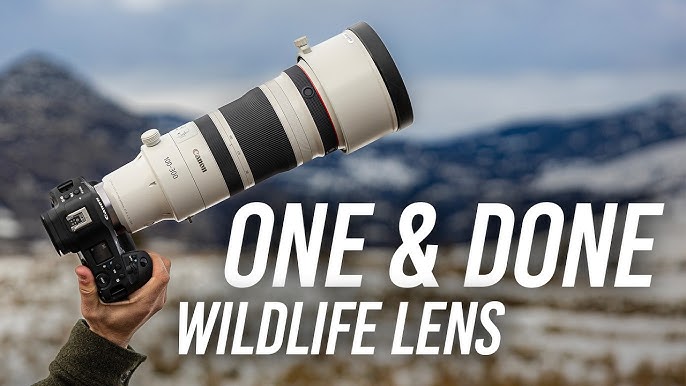
Are you struggling to capture stunning bird photos that truly showcase their beauty and detail? Choosing the right Canon lens can make all the difference in your bird photography.
The right lens helps you get closer to your feathered subjects without disturbing them, ensuring sharp, vibrant shots every time. You’ll discover which Canon lenses are best suited for bird photography and how they can transform your images from ordinary to extraordinary.
Keep reading to find the perfect lens that fits your style and helps you bring your bird photos to life.

Credit: www.youtube.com
Best Canon Lenses For Bird Photography
Choosing the right lens can transform your bird photography experience. The best Canon lenses offer the perfect blend of reach, sharpness, and speed, letting you capture birds in stunning detail even from a distance. Whether you are chasing fast-moving birds or waiting patiently for a perfect pose, your lens choice plays a crucial role in the outcome.
Canon Ef 100-400mm F/4.5-5.6l Is Ii Usm
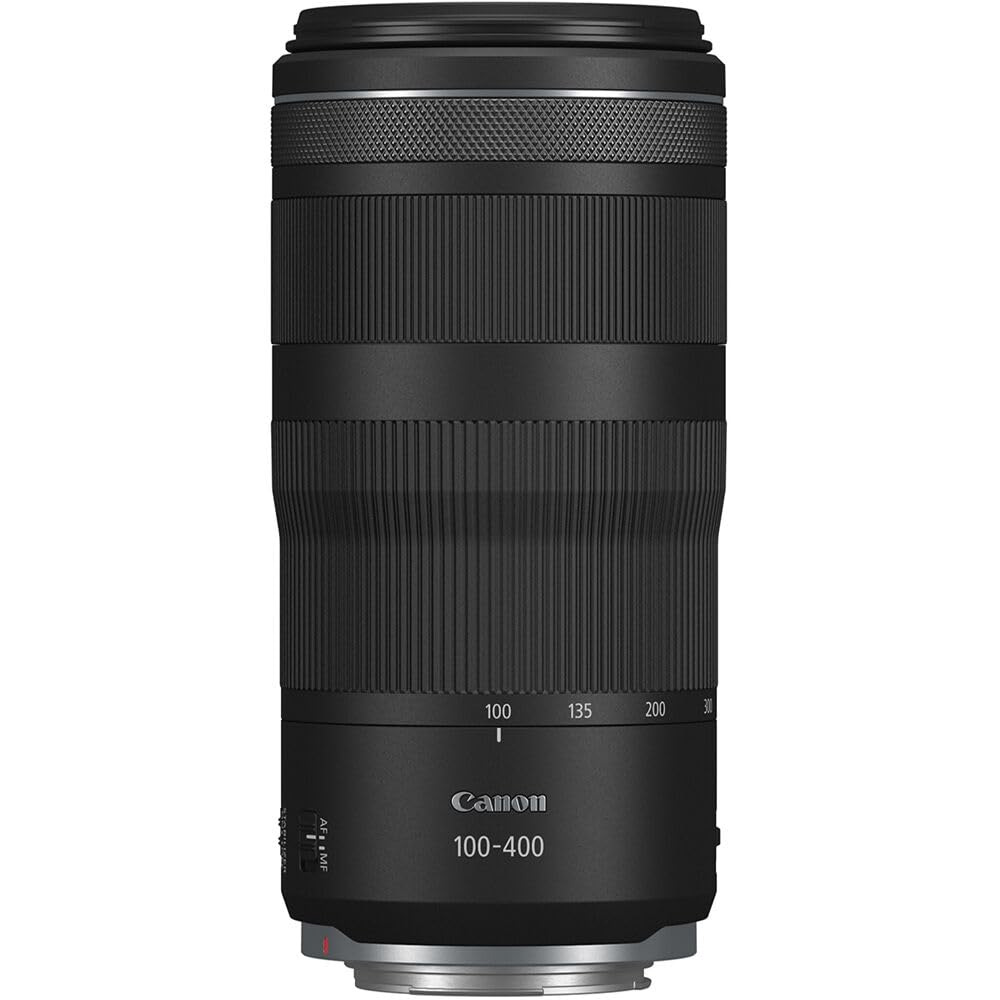
This lens is a favorite among bird photographers for its versatile zoom range. The 100-400mm allows you to get close to your subject without disturbing it. Its image stabilization helps reduce blur, especially when shooting handheld in natural light.
I’ve often found that the sharpness and color rendition on this lens bring out incredible detail in feathers and eyes. Can your current lens match this clarity in unpredictable outdoor conditions?
Canon Ef 400mm F/5.6l Usm
If you want a prime lens with excellent reach, the 400mm f/5.6L is a solid choice. It’s lighter and more affordable than many super-telephoto lenses, making it easier to carry during long shoots. The fixed focal length encourages you to move and compose more thoughtfully, which can improve your framing skills.
Its fast autofocus helps capture quick bird movements sharply. Have you noticed how a prime lens can sometimes push your creativity in framing shots?
Canon Rf 100-500mm F/4.5-7.1l Is Usm
For users of Canon’s mirrorless systems, the RF 100-500mm offers impressive reach with excellent image quality. It’s designed with advanced stabilization and fast autofocus, critical for tracking birds in flight. The zoom flexibility covers a wide range of bird sizes and distances.
Switching to this lens can feel like upgrading your bird photography toolkit significantly. How much would better stabilization improve your handheld shots in low light?
Canon Ef 600mm F/4l Is Iii Usm
This lens is built for serious wildlife photographers who demand extreme reach and top-tier image quality. It’s lightweight compared to older 600mm lenses, making it more manageable in the field. The wide aperture of f/4 lets in plenty of light, perfect for fast shutter speeds and blurred backgrounds.
It’s an investment, but the sharpness and detail you get can be game-changing for distant birds. Are you ready to capture those rare, far-off moments with unmatched clarity?
Canon Ef 70-200mm F/2.8l Is Iii Usm
This lens isn’t a typical bird photography lens but can be very useful for larger birds or closer encounters. The wide aperture allows shooting in low light and creates beautiful background blur. It’s versatile for other photography genres, making it a great all-around lens.
Consider this lens if you want something fast and sharp but don’t need extreme reach. How often do you find yourself photographing birds closer than 100 meters?
- Look for image stabilizationto reduce blur in handheld shots.
- Consider weightif you plan on hiking or shooting for hours.
- Choose focal lengthbased on the size of birds and your shooting distance.
Credit: www.livescience.com
Telephoto Lenses For Close-up Shots
Telephoto lenses bring distant birds closer, capturing fine details in close-up shots. Canon offers versatile options that balance sharpness and reach for bird photography. Choose lenses with good zoom and image stabilization for clear, detailed images.
Telephoto lenses play a crucial role in bird photography, allowing you to capture stunning close-up shots without disturbing your feathered subjects. These lenses bring distant birds into sharp focus, providing you with the opportunity to observe intricate details like feathers and expressions. Choosing the right telephoto lens can make all the difference in your bird photography journey.Canon Ef 100-400mm F/4.5-5.6l Is Ii Usm
The Canon EF 100-400mm f/4.5-5.6L IS II USM lens is a favorite among bird photographers for its versatility and image quality. With its adjustable zoom range, you can smoothly transition between wide and close-up shots, making it perfect for capturing birds in flight or perched in trees. The built-in image stabilization helps in achieving sharp photos even in low light or when your hands aren’t perfectly steady. Many bird photographers appreciate its weather-sealed design, which allows for shooting in diverse environments without worrying about lens damage. You’ll find that this lens strikes a great balance between performance and portability, making it suitable for long hikes in search of elusive avian subjects. Have you ever noticed how a seemingly ordinary bird turns extraordinary when you zoom in on its unique features?Canon Rf 100-500mm F/4.5-7.1l Is Usm
For those using Canon’s mirrorless cameras, the Canon RF 100-500mm f/4.5-7.1L IS USM offers an extended range and cutting-edge technology. Its longer reach enables you to photograph birds from a greater distance without compromising on clarity. The lens’s advanced optical design minimizes distortion, ensuring that your images are crisp and vibrant. Its compact and lightweight build is a boon for photographers who value mobility. Moreover, the lens features a customizable control ring, letting you adjust settings like aperture or exposure quickly. Have you ever experienced the thrill of capturing a rare bird mid-flight, thanks to a lens that keeps up with your creative vision? When choosing a telephoto lens, consider what features align with your photographic needs and preferences. Whether it’s the versatility of the EF 100-400mm or the extended reach of the RF 100-500mm, each lens offers unique advantages that can elevate your bird photography. What details will your lens help you uncover in the world of birds?Prime Lenses With Superior Sharpness
Prime lenses with superior sharpness are a top choice for bird photographers who want crisp, clear images. These lenses offer fixed focal lengths, which means they deliver outstanding image quality with less optical distortion. If you want to capture the fine details of feathers and the intense gaze of birds, investing in a prime lens can make a big difference.
Choosing the right prime lens depends on your shooting style and the type of birds you want to photograph. Are you focusing on smaller birds that require close-up shots or larger birds that need a longer reach? Understanding this will help you pick a lens that fits your needs perfectly.
Canon Ef 400mm F/5.6l Usm
The Canon EF 400mm f/5.6L USM is a favorite among bird photographers who want excellent sharpness without carrying heavy gear. Its lightweight design makes it easy to handle during long shoots, especially when you’re moving through the woods or fields.
This lens delivers crisp images with beautiful background blur, helping your subject stand out. The f/5.6 aperture is bright enough for daylight conditions, and its fast autofocus ensures you don’t miss a single moment. Have you ever struggled to focus quickly on a fast-moving bird? This lens can help solve that problem.
Canon Ef 600mm F/4l Is Iii Usm
For those who need extra reach, the Canon EF 600mm f/4L IS III USM is a powerhouse lens. It offers incredible sharpness and clarity, allowing you to capture birds from a great distance without disturbing them.
This lens features image stabilization, which is essential when shooting handheld at such a long focal length. The wide f/4 aperture lets in plenty of light, giving you more flexibility in different lighting situations. If you want to photograph elusive birds in flight or perched far away, this lens provides the detail and sharpness you need.
Budget-friendly Lens Options
Choosing a budget-friendly lens for bird photography can improve your shots without high costs. These lenses offer good reach and image quality for beginners and hobbyists. They let you capture detailed bird images without carrying heavy gear.
These options balance affordability and performance. Both lenses come with image stabilization to reduce blur from hand movement. Their zoom ranges cover many bird photography scenarios, from close-ups to distant subjects.
Canon Ef 70-300mm F/4-5.6 Is Ii Usm
This lens offers a versatile zoom range ideal for bird photography. It covers focal lengths from 70mm to 300mm, helping you capture birds near or far. The image stabilization feature helps keep shots sharp at longer zooms.
The lens has a fast and quiet autofocus system. It works well in different lighting conditions. Its lightweight design makes it easier to carry during long photo sessions. The price is reasonable for the quality and features it provides.
Canon Ef-s 55-250mm F/4-5.6 Is Stm
This lens is designed for Canon crop sensor cameras. It provides a good zoom range from 55mm to 250mm. The STM autofocus motor delivers smooth and quiet focusing, great for photographing shy birds.
Image stabilization helps reduce blur in handheld shots. The lens is compact and lightweight, perfect for travel and hikes. It offers solid image quality without a high price tag. This lens suits beginners seeking reliable bird photography gear.
Lens Features To Consider For Birding
Choosing the right lens for bird photography means focusing on features that help you capture sharp, vibrant images even when birds are far away or moving quickly. Each lens offers different strengths, so understanding what features truly impact your shots can make a huge difference. Let’s break down the key lens features you should consider for birding to help you make the best choice for your photography style.
Image Stabilization
Image stabilization (IS) is a game-changer for bird photography. It reduces blur caused by camera shake, especially when you’re using long telephoto lenses without a tripod. Imagine trying to photograph a small bird perched on a distant branch—without IS, your shots might come out blurry despite steady hands.
Canon’s IS technology can add several stops of shutter speed advantage, allowing you to shoot handheld in lower light. This means you can react faster to sudden bird movements without missing the shot. Always check if your lens has IS and how effective it is.
Autofocus Speed And Accuracy
Birds don’t stay still, and neither should your lens’s autofocus. Quick and precise autofocus helps you lock onto fast-moving subjects before they fly away. Slow autofocus means missed moments and frustration.
Look for lenses with advanced autofocus motors like Canon’s Ultrasonic Motor (USM) or Nano USM. These provide smooth and silent focusing, which won’t scare the birds either. Testing your lens’s autofocus in real situations will reveal if it matches your needs.
Weight And Portability
Carrying a heavy lens for hours during birding trips can drain your energy and patience. You want a lens that balances performance with manageable weight. Sometimes, a slightly lighter lens means you’ll carry it more often and get more shots.
Consider how far you’ll hike or how long you’ll stay in one spot. A bulky lens may deliver sharp images, but if it slows you down, are those extra pixels worth it? Think about your typical birding environment before committing.

Credit: www.youtube.com
Tips For Using Canon Lenses In Bird Photography
Mastering bird photography with Canon lenses requires more than just owning the right gear. You need to know how to set up your camera, handle fast-moving subjects, and protect your equipment outdoors. These tips will help you get the most from your Canon lenses and capture stunning bird images.
Optimal Settings For Sharp Images
Sharpness is key in bird photography because every feather detail matters. Start by using a fast shutter speed—at least 1/1000th of a second—to freeze motion. Pair this with a mid-range aperture like f/5.6 or f/8 to maintain depth of field without sacrificing light.
ISO settings should be adjusted based on available light but keep it as low as possible to reduce noise. Using Canon’s image stabilization (IS) feature can help, especially with longer telephoto lenses. Don’t forget to use continuous autofocus (AI Servo mode) to keep your bird in focus as it moves.
Techniques For Capturing Fast Birds
Birds rarely stay still, so you need a strategy for tracking their movement. Practice panning your camera smoothly to follow the bird’s flight path. This improves your chances of sharp shots and natural-looking backgrounds.
Try burst mode to take multiple shots quickly—this increases the odds of catching a perfect moment. Experiment with back-button focus to separate focusing from the shutter release. This gives you more control when tracking unpredictable subjects.
Maintaining Gear In Outdoor Conditions
Bird photography often means dealing with dirt, moisture, and sudden weather changes. Protect your Canon lens with a UV filter—it’s cheaper to replace than a scratched lens element. Keep lens caps handy and clean your gear regularly with a microfiber cloth.
Use a weather-sealed camera bag or rain cover to shield your equipment during outdoor shoots. Consider silica gel packs inside your bag to absorb moisture. Have you ever lost a great shot because your lens fogged up? Staying prepared keeps your gear ready for action.
Frequently Asked Questions
What Is The Best Canon Lens For Bird Photography?
The Canon EF 100-400mm f/4. 5-5. 6L IS II USM is ideal. It offers versatile zoom, excellent image stabilization, and sharpness, perfect for capturing birds in various distances and lighting conditions.
Can I Use A Canon 70-200mm Lens For Bird Photography?
While the Canon 70-200mm lens is sharp and fast, it has limited reach. It works better for larger birds or closer shots but is less effective for distant, small birds.
Is Image Stabilization Important In Canon Lenses For Bird Photography?
Yes, image stabilization reduces camera shake, especially with long telephoto lenses. It helps capture sharp bird photos even in low light or when shooting handheld.
Which Canon Lens Offers The Best Zoom For Bird Photography?
The Canon EF 200-400mm f/4L IS USM Extender 1. 4x provides excellent zoom and image quality. It is perfect for distant bird subjects and offers flexibility with a built-in extender.
Conclusion
Choosing the right Canon lens helps you capture birds clearly. Telephoto lenses bring distant birds close to your view. Fast autofocus helps catch birds in quick motion. A lightweight lens makes carrying easier on long trips. Think about your budget and shooting style too.
Practice with different lenses to see what fits best. Enjoy the beauty of bird photography with the right gear. Your photos will show more detail and life. Keep exploring and capturing amazing bird moments.