
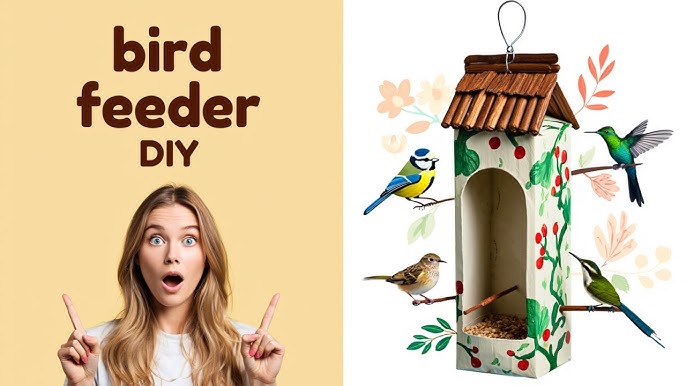
If you love watching sparrows flutter around your garden, building a bird feeder just for them is a wonderful idea. You might think it’s hard or expensive, but it’s actually simple and fun to make your own sparrow bird feeder.
Imagine how satisfying it will be to see these little birds visit your feeder every day, right outside your window. In this guide, you’ll learn easy steps to create a safe and inviting spot for sparrows to feed. Ready to bring more life and joy to your outdoor space?
Let’s get started!
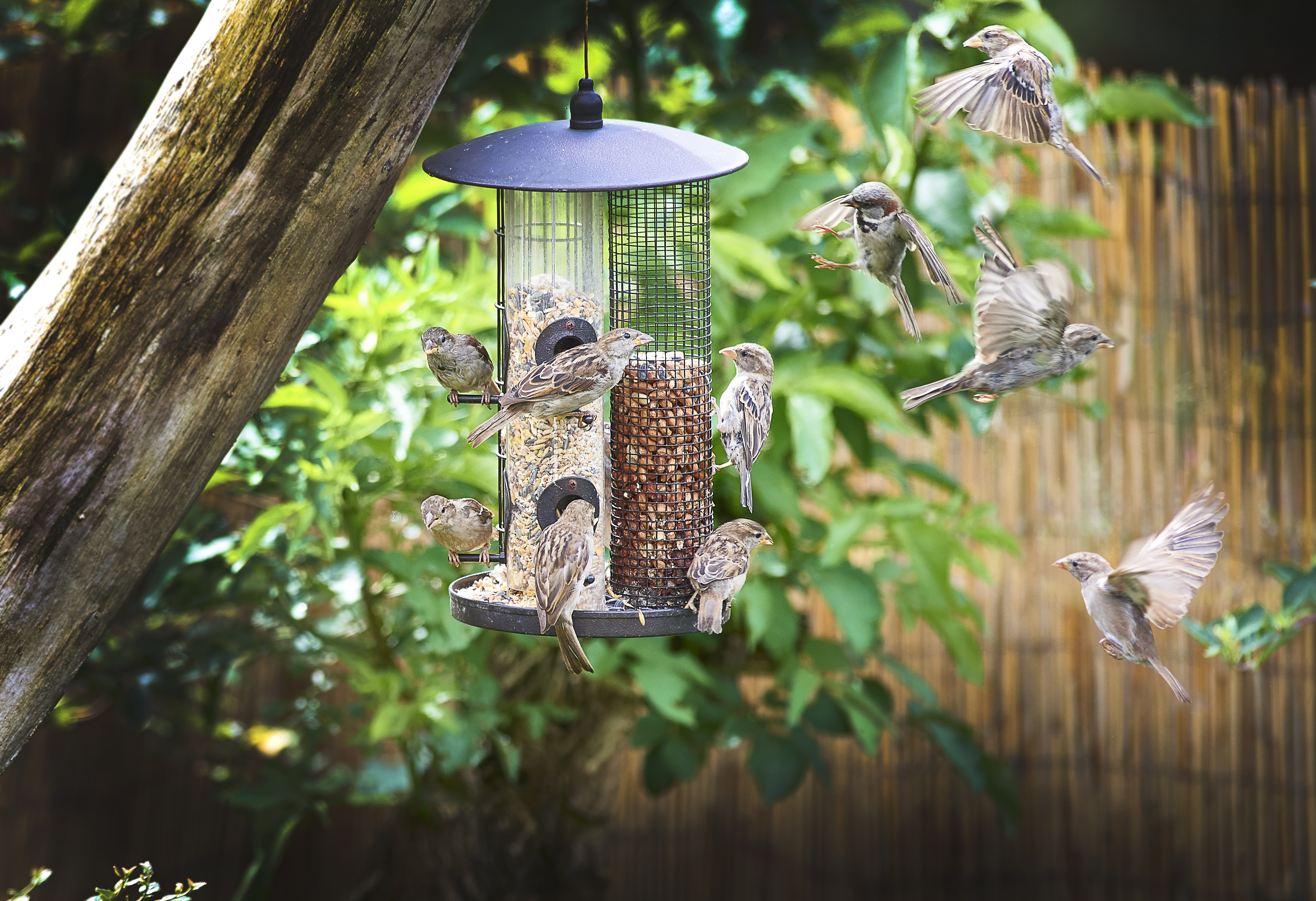
Credit: dengarden.com
Materials Needed
Gathering the right materials is the first step to making a sparrow bird feeder. Choose items that are safe and easy to handle. Simple tools and supplies make the process smooth and enjoyable.
Focus on materials that attract sparrows and keep the feeder sturdy. Use natural or recycled items when possible. This helps the environment and saves money.
Basic Tools
- Scissors or small saw
- Drill with small bits
- Measuring tape or ruler
- Sandpaper
- Glue or wood-safe adhesive
- String or wire for hanging
Main Building Materials
- Wooden board or recycled wood pieces
- Plastic or metal container (optional)
- Small nails or screws
- Non-toxic paint or wood sealant
Feeding Components
- Bird seed mix suitable for sparrows
- Small dish or tray for seeds
- Perches made from small sticks or dowels
Safety And Comfort Items
- Fine mesh or netting to protect seeds
- Weatherproof coating to protect wood
- Soft padding for perch comfort (optional)
Choosing The Right Location
Choosing the right location for your sparrow bird feeder is crucial to attract these charming birds consistently. The spot you pick affects how often sparrows visit and how safe they feel while feeding. Let’s look at the key factors that make a location perfect for your feeder.
Finding A Quiet And Safe Spot
Sparrows prefer places where they feel protected from predators. Avoid busy areas with heavy foot traffic or loud noises. A quiet corner of your garden, shielded by bushes or trees, often works best.
Think about your own experiences with wildlife—haven’t you noticed how animals avoid noisy, exposed places? Sparrows are no different. Providing a safe space encourages them to return often.
Placing Near Natural Shelter
Birds seek shelter close to their feeding areas to quickly escape threats. Position your feeder near shrubs, hedges, or low tree branches. These natural covers offer sparrows a quick hideout if danger appears.
In my garden, sparrows flock around feeders tucked near thick hedges. This setup gives them confidence to feed openly without constant fear.
Ensuring Easy Access And Visibility
Sparrows need a clear flight path to spot the feeder and land safely. Avoid placing feeders too close to walls or fences that block their approach. Instead, choose an open area with a clear view from different angles.
Have you watched sparrows try to land on feeders placed in tight spots? They often hesitate or miss the landing. Giving them space makes their visits smoother and more frequent.
Considering Sunlight And Weather Protection
Sunlight warms the feeder, making it more inviting during chilly mornings. Place your feeder where it catches morning sun but also has some shade during the hottest part of the day. This balance helps keep seeds fresh and birds comfortable.
Wind and rain can scatter seeds and discourage visits. Positioning your feeder in a spot shielded from strong winds or heavy rain helps maintain a neat feeding area and attracts more sparrows.
Step-by-step Building Process
Building a sparrow bird feeder can be a fun and rewarding project. This step-by-step process guides you through making a simple feeder using basic tools and materials. Follow each part carefully to create a safe space for sparrows to enjoy.
Cutting The Wood
Start by selecting untreated wood for safety. Use a ruler to measure the pieces needed. Typical parts include:
- Base
- Sides
- Front and back panels
- Roof pieces
Cut each piece with a saw, keeping the edges smooth. Sand the wood to remove splinters. Precision in cutting helps the feeder fit together well.
Assembling The Feeder
Arrange the base and side panels on a flat surface. Attach the sides to the base using wood glue or small nails. Connect the front and back panels next. Make sure all parts align properly. Let glue dry completely before moving on.
Adding Perches And Roof
Attach small wooden dowels or sticks near the feeding area as perches. These give birds a place to land and rest. For the roof, fix two wood pieces at an angle to create a peak. This design helps rainwater run off. Secure the roof firmly to protect the food inside.
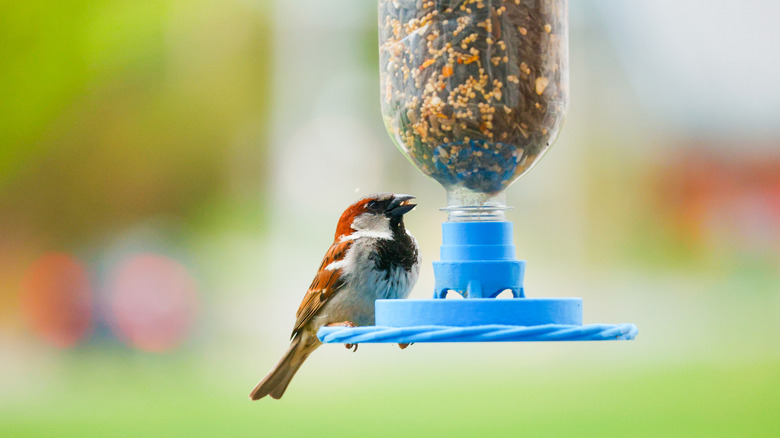
Credit: www.outdoorguide.com
Finishing Touches
Finishing touches give your sparrow bird feeder a polished look and protect it. These details help the feeder last longer outdoors. They also make the feeder safe and attractive for birds.
Painting And Sealing
Choose non-toxic, water-based paint to protect the wood. Paint adds color and shields the feeder from rain and sun. Apply thin, even coats for best results. Let each coat dry fully before adding the next.
After painting, use a clear sealant to guard against moisture. A sealant prevents wood from cracking or rotting. Apply sealant to all surfaces, including corners and edges. Allow it to dry completely before using the feeder.
Adding Birdseed
Select birdseed that sparrows love, such as millet or cracked corn. Fill the feeder just enough to avoid waste and spills. Keep the seed fresh by refilling regularly. Clean out old seed to prevent mold and pests.
Place the feeder where sparrows can easily find it. Avoid areas with heavy wind or direct sun. Watch how birds respond and adjust the feeder’s position if needed.
Maintaining Your Feeder
Maintaining your sparrow bird feeder keeps it safe and inviting for birds. A clean feeder stops mold and bacteria from growing. Regular care helps sparrows visit often and stay healthy.
Cleaning Tips
Clean the feeder every two weeks. Use warm water and mild soap to wash all parts. Rinse well to remove soap residue. Let it dry completely before refilling. Avoid harsh chemicals that can harm birds.
Remove old seeds and debris daily. Use a brush to scrub corners and crevices. Check for damage or mold. Replace parts if needed to keep the feeder safe.
Refilling Schedule
Refill the feeder regularly to keep seeds fresh. Check it every two or three days. In hot weather, fill smaller amounts to prevent spoilage. Use fresh seeds that sparrows like, such as millet and cracked corn.
Keep track of seed levels to avoid running out. Store seeds in a dry, cool place to keep them fresh longer. Feeding sparrows consistently helps them trust your feeder.

Credit: www.green-feathers.co.uk
Attracting Sparrows Safely
Attracting sparrows to your bird feeder is a rewarding experience, but it requires careful attention to their safety. Sparrows are small, delicate birds that can easily fall prey to predators or get sick from unsuitable food. By creating a safe and inviting environment, you ensure that these cheerful visitors keep coming back.
Choosing The Right Seeds
Sparrows prefer simple, small seeds that are easy to eat. Black oil sunflower seeds are a favorite, packed with nutrients and easy to handle. Millet and cracked corn also work well for attracting sparrows without attracting larger, more aggressive birds.
Avoid seeds with shells that are too hard or large because sparrows struggle to crack them open. Also, steer clear of mixed seed blends that contain filler seeds like oats or red millet, which sparrows often ignore. Providing fresh seeds regularly is key—old or moldy seeds can harm their health.
Avoiding Predators
Think about where you place your feeder. Sparrows need a spot that offers cover but keeps them away from predators like cats and hawks. Position feeders near shrubs or trees so sparrows can quickly escape if danger appears.
Use baffles or guards on poles to prevent squirrels and larger birds from taking over the feeder. Reflective tape or decoy predators like plastic owls can help deter hawks, but these need to be moved regularly to remain effective. Have you noticed how sparrows behave when a cat is near? Observing their reactions can guide you in making your feeder area safer.
Frequently Asked Questions
How Do I Attract Sparrows To My Bird Feeder?
Use seeds sparrows love, like millet and cracked corn. Place the feeder in a quiet, sheltered area to make sparrows feel safe and comfortable.
What Materials Are Best For A Sparrow Bird Feeder?
Wood and metal are durable and safe options. Avoid toxic paints and sharp edges to protect sparrows from injury.
How Often Should I Clean A Sparrow Bird Feeder?
Clean the feeder every two weeks to prevent mold and disease. Use warm water and mild soap, then rinse thoroughly.
Can I Make A Sparrow Feeder From Recycled Materials?
Yes, recycled materials like old jars or wood scraps work well. Ensure all materials are clean and safe for birds.
Conclusion
Building a sparrow bird feeder is simple and fun. It helps birds find food and feel safe. You can use easy materials from home. Watching sparrows visit brings joy every day. Keep the feeder clean to protect the birds. Place it where sparrows like to gather.
Enjoy nature right in your backyard. Small efforts make a big difference for birds. Start your project today and see the results!