
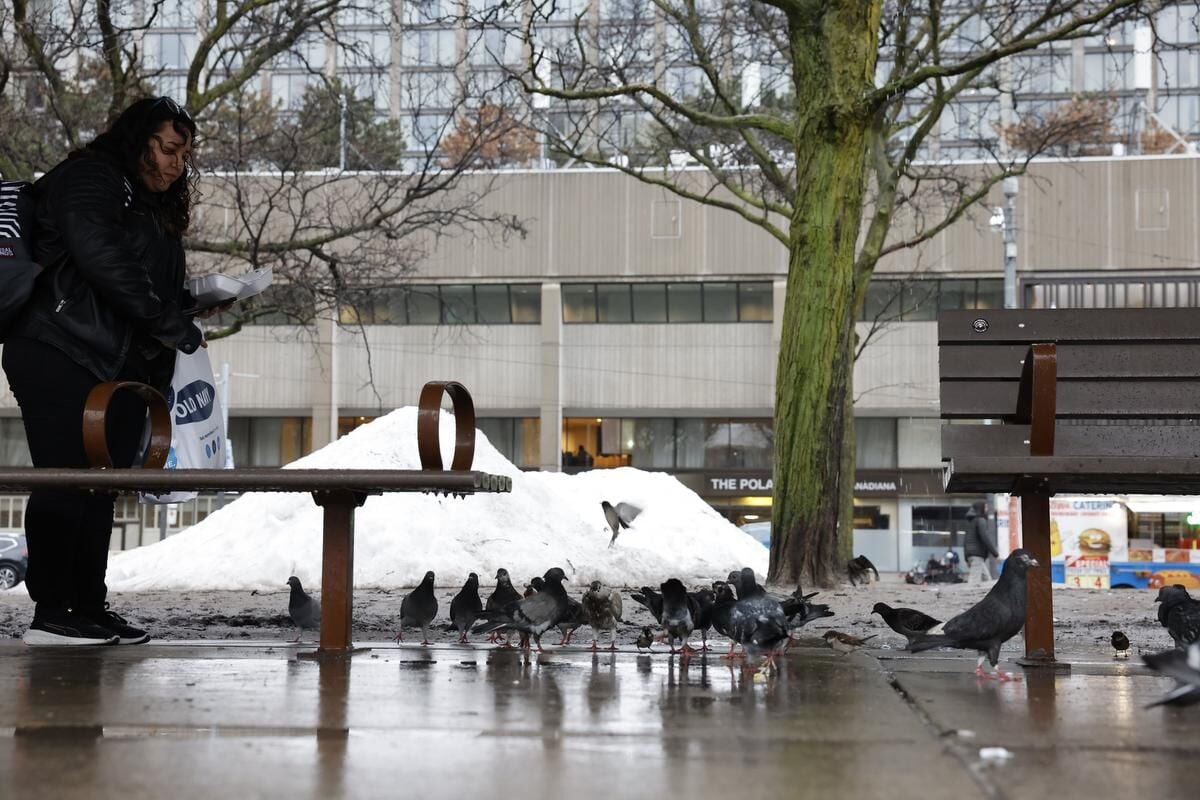
Have you ever wondered if feeding birds in Virginia is allowed or if it could get you into trouble? You might think it’s a harmless way to connect with nature, but the rules might surprise you.
Knowing what’s legal and what’s not can save you from unexpected fines or penalties. Keep reading to find out exactly what the law says about feeding birds in Virginia—and how you can enjoy wildlife safely and responsibly. This information will change the way you interact with your feathered neighbors.
Virginia’s Wildlife Laws
Virginia’s wildlife laws play a crucial role in protecting the state’s diverse bird populations and their habitats. Understanding these regulations helps you enjoy nature responsibly without causing harm. It’s not just about following rules—it’s about respecting the delicate balance that keeps wildlife thriving around you.
State Regulations On Wildlife Feeding
Virginia has specific rules about feeding wildlife, including birds. Feeding wild birds in certain public areas may be prohibited to prevent dependency and protect natural behaviors.
Local ordinances can also affect where and how you feed birds. For instance, some parks restrict feeding to avoid attracting pests or disturbing other wildlife.
Have you ever noticed how feeding birds at a park changes their usual behavior? This is why the state encourages feeding only in controlled environments, like your backyard, with proper food.
Protected Bird Species
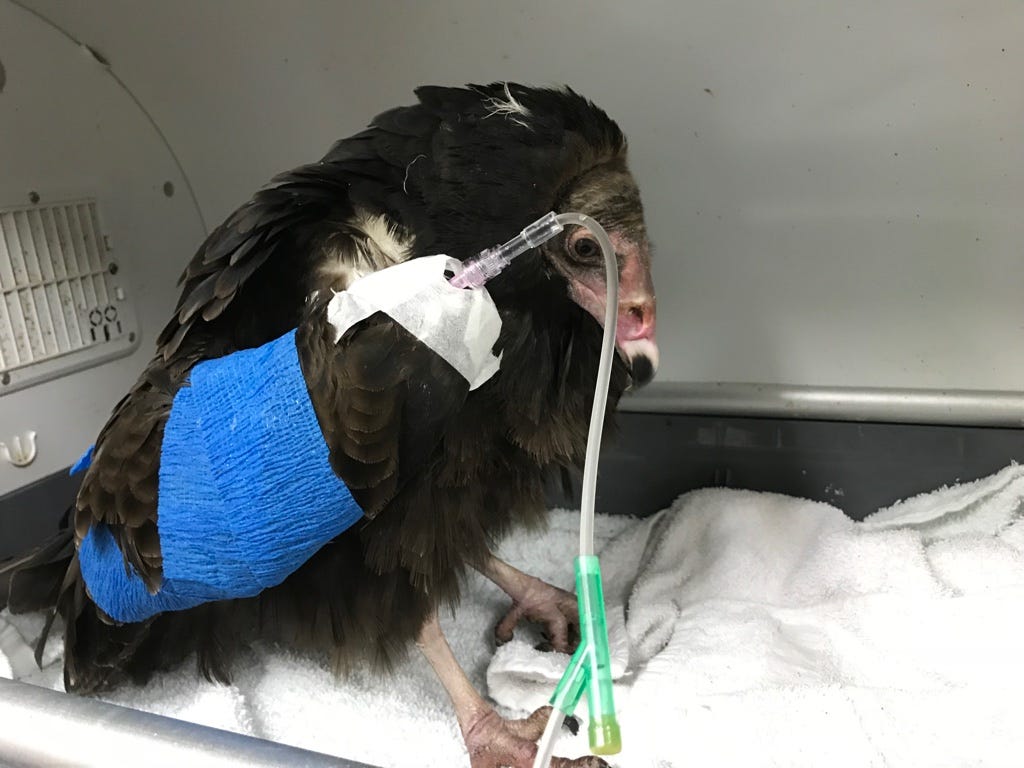
Virginia protects many bird species under state and federal laws, making it illegal to feed certain birds intentionally.
Species such as the Bald Eagle and Peregrine Falcon are especially protected due to their sensitive status. Feeding these birds can disrupt their hunting skills and natural diet.
Knowing which birds are protected helps you avoid unintentional violations. Check the Virginia Department of Wildlife Resources website for updated lists and guidelines.
Credit: medium.com
Local Ordinances On Bird Feeding
Local rules about feeding birds in Virginia vary by city and county. These rules help protect wildlife and keep communities safe. Some places have strict laws, while others allow feeding with limits. Understanding local ordinances helps avoid fines and supports bird health. Below is a breakdown of common rules you might find.
City And County Rules
Cities and counties in Virginia set their own bird feeding laws. These rules often depend on the area’s environment and population density. Some urban areas ban feeding to prevent pests and trash. Rural areas may allow feeding but with guidelines to avoid harm. Always check your local government website or office for specific rules.
Common Restrictions
- Feeding bans in parks or public spaces
- Limits on types of food allowed
- Prohibitions on feeding near water sources
- Rules to prevent attracting large flocks
- Fines for violating feeding restrictions
These restrictions help protect birds from unhealthy diets and reduce conflicts with humans. Following local ordinances ensures birds stay safe and communities stay clean.
Reasons Behind Feeding Restrictions
Feeding birds might seem harmless and kind. Yet, Virginia has rules to protect birds and the environment. These rules help keep bird populations healthy and safe. They also prevent problems that can affect people and nature.
Impact On Bird Behavior
Feeding birds can change their natural habits. Birds may stop searching for food on their own. They might depend too much on human-provided food. This can reduce their survival skills. It can also cause overcrowding in some areas. Crowds of birds can lead to fights and stress.
Environmental Concerns
Leftover bird food attracts pests like rats and insects. These pests can spread diseases and harm local wildlife. Feeding birds near water can pollute ponds and lakes. Uneaten food can cause algae growth. This harms fish and other aquatic life. Feeding also disrupts the balance of local ecosystems.
Public Health And Safety
Bird feeding areas can become dirty quickly. Bird droppings can spread bacteria and viruses. Some diseases can pass from birds to humans. Large groups of birds can cause noise and mess. This can disturb neighborhoods and parks. Feeding birds near roads can cause accidents. Birds may fly into traffic or distract drivers.
Credit: www.allaboutbirds.org
Legal Penalties And Enforcement
Feeding birds in Virginia may lead to legal consequences. The state enforces rules to protect wildlife and public health. Understanding penalties helps avoid fines and legal trouble. Authorities actively monitor feeding activities in certain areas. This section explains the fines and the agencies involved in enforcement.
Fines And Citations
Violating bird feeding laws can result in monetary fines. These fines vary depending on the location and severity. Some areas impose small fines, while others have stricter penalties. Citations may be issued for repeated offenses or feeding in restricted zones. The goal is to discourage harmful feeding practices. Ignoring these rules can lead to court appearances and higher penalties.
Enforcement Agencies
Several agencies oversee the enforcement of bird feeding regulations. The Virginia Department of Wildlife Resources plays a key role. Local law enforcement also helps monitor and enforce rules. In parks, park rangers may issue warnings or citations. These agencies work to protect birds and maintain public safety. They respond to complaints and conduct routine patrols to ensure compliance.
Exceptions And Permits
While feeding birds in Virginia is generally regulated, there are specific exceptions and permits that allow certain feeding activities. Understanding these exceptions helps you enjoy birdwatching responsibly without breaking any laws. Knowing when and how you can feed birds legally ensures you protect wildlife and avoid fines.
Allowed Feeding Practices
Virginia permits feeding birds in private residential areas without any special permits. You can set up bird feeders in your backyard to attract local birds. Just avoid feeding migratory species or endangered birds that are protected under state or federal law.
Public parks and wildlife refuges often have strict rules against feeding birds to prevent dependency and disease spread. However, some parks allow feeding during specific times or events, usually under supervision. Always check local park rules before feeding birds in public spaces.
How To Obtain Permits
If you want to feed birds in restricted areas or conduct feeding as part of a research or conservation project, you need a permit. Permits are issued by the Virginia Department of Wildlife Resources (DWR).
To apply, you must submit an application detailing the purpose, location, and type of feeding you plan to do. The DWR reviews these applications carefully to protect wildlife health and habitats. If approved, they provide guidelines you must follow.
Have you considered using permits to engage in bird feeding that supports conservation? This approach not only keeps you legal but also contributes positively to bird populations. Reach out to the DWR to learn more about permitted feeding activities near you.
Alternatives To Feeding Birds
Feeding birds might seem like a simple way to connect with nature, but it’s not always the best choice—especially in places with specific laws or environmental concerns. Instead, you can support your local feathered friends through other thoughtful actions that help birds thrive naturally. These alternatives make your outdoor space inviting without the risks that direct feeding can bring.
Creating Bird-friendly Habitats
You can turn your yard or balcony into a bird haven by adding native plants. They provide natural food sources like berries, seeds, and insects that birds rely on.
Consider planting shrubs, trees, and flowers that attract birds throughout the year. Adding a clean water source, such as a birdbath, encourages birds to visit and stay hydrated.
Have you thought about leaving some leaf litter or dead wood? These create homes for insects, which many birds feed on, making your space a mini ecosystem.
Supporting Bird Conservation
Your support can extend beyond your property. Joining local birdwatching groups or conservation organizations helps protect bird habitats on a larger scale.
Donations and volunteer work contribute to projects that restore wetlands, forests, and other critical areas where birds live. This kind of support often has a bigger impact than feeding birds directly.
Why not educate your community about the importance of preserving wild habitats? Sharing knowledge can inspire others to take action, multiplying your positive effect on bird populations.

Credit: www.allaboutbirds.org
Frequently Asked Questions
Is It Legal To Feed Birds In Virginia Parks?
Feeding birds in Virginia parks is generally allowed unless specific rules prohibit it. Some protected areas restrict feeding to prevent harm to wildlife.
Are There Any Fines For Feeding Birds In Virginia?
Fines may apply if feeding birds violates local or state regulations. Always check signage and local laws before feeding to avoid penalties.
Why Might Feeding Birds Be Discouraged In Virginia?
Feeding birds can cause dependency on humans, spread disease, and disrupt natural behavior. Wildlife experts often recommend observing birds without feeding them.
What Types Of Food Are Safe For Feeding Birds?
Safe bird food includes seeds, grains, and fruits. Avoid bread, processed foods, and anything harmful to birds’ health.
Conclusion
Feeding birds in Virginia is not always illegal. Some places allow it, while others set rules. Always check local laws before feeding birds outside. Feeding can help birds but might also cause harm. Clean feeders often to keep birds safe and healthy.
Respect nature and follow guidelines to enjoy birdwatching. Small actions make a big difference for wildlife. Stay informed and care for your feathered friends wisely.