
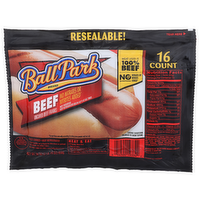
Have you ever wondered if sharing your hotdog with birds is a good idea? It might seem harmless to toss a piece their way, but is it really safe for your feathered friends?
What you feed birds can affect their health in surprising ways. You’ll discover the truth about feeding hotdogs to birds and learn what’s best for keeping them happy and healthy. Keep reading to find out how your small actions can make a big difference for the birds around you.
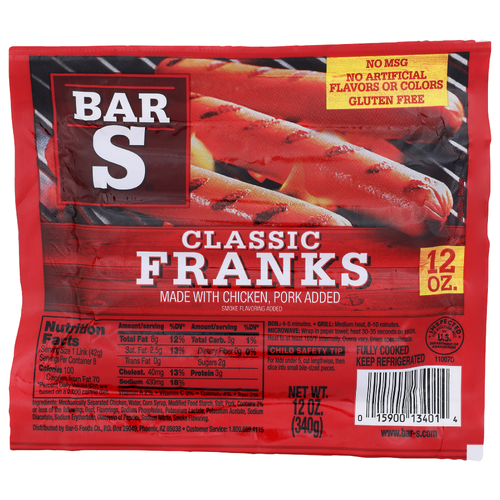
Credit: www.super1foods.com
Why People Feed Birds
Feeding birds is a common activity that many people enjoy. It creates a connection with nature and offers a moment of calm in busy lives. But have you ever wondered why so many choose to feed birds in the first place?
Common Foods Given To Birds
People often offer birds simple, accessible foods. Seeds like sunflower and millet are favorites because they are nutritious and easy for birds to eat. Bread crumbs are popular too, though they lack nutritional value.
Other common options include:
- Cracked corn
- Peanuts (unsalted)
- Fruit pieces like apples or berries
- Suet blocks during colder months
These foods help attract different bird species and encourage them to visit your yard regularly. You might notice how different birds prefer different snacks. Have you seen a finch or a sparrow choose seeds over fruit?
Motivations Behind Feeding
Many people feed birds simply because it brings joy. Watching birds up close can be a relaxing and rewarding experience. It also helps people feel more connected to their environment.
Some feed birds to support them during harsh weather or food shortages. Especially in winter, food can be scarce, and your offering might make a real difference. Have you ever felt a sense of purpose knowing you helped a bird survive a tough season?
Others feed birds to teach children about wildlife and responsibility. It’s a practical way to spark interest in nature. Feeding also encourages patience and observation skills as you watch birds come and go.

Credit: www.tasteofhome.com
Ingredients In Hotdogs
Understanding the ingredients in hotdogs is key to deciding if you should feed them to birds. Hotdogs contain a mix of components that might not be safe for wildlife. Let’s break down what goes into these processed snacks so you can make an informed choice for your feathered friends.
Common Components
Most hotdogs are made from a blend of meats like beef, pork, or chicken. These meats are finely ground and mixed together to create a uniform texture. You’ll also find water, salt, and spices to enhance flavor.
However, these meat blends often include parts that aren’t the best quality, such as trimmings and fat. Birds might find the taste appealing, but the nutritional value is questionable. Have you ever noticed how birds prefer seeds and insects over processed foods? That preference makes sense given their dietary needs.
Additives And Preservatives
Hotdogs contain various additives to improve shelf life and appearance. Common preservatives include nitrates and nitrites, which help prevent bacterial growth but can be harmful to birds. These chemicals might cause digestive issues or toxicity in wildlife.
Other additives like fillers, flavor enhancers, and artificial colors are common too. These substances are designed for human consumption and may not be safe for birds. If you want to keep your backyard birds healthy, consider if these ingredients fit into their natural diet.
Birds’ Dietary Needs
Understanding birds’ dietary needs is essential before offering them any human food like hotdogs. Birds have specific nutritional demands that support their health, energy, and survival. Feeding them inappropriate foods can cause harm rather than help.
Natural Bird Diets
Most birds thrive on diets made up of seeds, nuts, fruits, insects, and sometimes small animals. Each species has its own preference; for example, finches enjoy seeds, while woodpeckers often eat insects. These natural foods provide the right balance of nutrients birds need to stay healthy.
Think about what you observe in your backyard or local park. Birds rarely eat processed foods, which means their bodies aren’t built to digest things like hotdogs. Offering something unnatural can lead to digestive problems or nutritional deficiencies.
Nutritional Requirements
Birds require a mix of proteins, fats, carbohydrates, vitamins, and minerals to maintain energy and repair their bodies. Protein is especially important during breeding and molting seasons. Vitamins like A and E support their immune systems, while calcium strengthens bones and eggshells.
Hotdogs, loaded with preservatives, salt, and unhealthy fats, don’t meet these needs. They can upset a bird’s digestive system or cause long-term health issues. Instead, offering fresh fruits or specialized bird feed aligns better with what their bodies demand.
Have you ever wondered how a simple act like feeding birds could impact their health? Choosing the right foods supports their natural diet and helps you enjoy watching them thrive for years to come.

Credit: www.aol.com
Effects Of Hotdogs On Birds
Feeding birds hotdogs might seem harmless, but it can have serious effects on their health. Birds are not built to digest processed meats and the ingredients in hotdogs can cause various problems. Understanding these effects helps you make better choices about what to offer your feathered friends.
Potential Health Risks
Hotdogs contain high levels of salt, preservatives, and artificial additives. These substances can be toxic to birds, causing dehydration and poisoning. Even small amounts might lead to health issues, so feeding hotdogs is risky.
Think about the preservatives like nitrates used in hotdogs. They can disrupt a bird’s natural bodily functions. Have you ever noticed unusual behavior in birds after feeding them human food? It might be linked to these harmful chemicals.
Digestive Issues
Birds have delicate digestive systems designed for seeds, fruits, and insects. Hotdogs are heavy, greasy, and hard to digest for them. This can lead to problems like indigestion, vomiting, and diarrhea.
Feeding hotdogs might cause blockages or discomfort, making it difficult for birds to absorb nutrients. Imagine eating something that your stomach can’t break down properly—birds experience similar distress. Your choice to feed natural foods helps avoid these painful outcomes.
Long-term Consequences
Repeated exposure to hotdogs can weaken a bird’s immune system over time. This makes them more vulnerable to diseases and reduces their lifespan. Birds might also develop unhealthy eating habits, neglecting their natural diet.
Long-term health problems can include liver damage and heart issues from excessive salt and fat. Would you want your pets to suffer from avoidable health problems? Protect birds by sticking to foods that support their well-being, not harm it.
Alternatives To Hotdogs
Birds need healthy foods to stay strong and active. Hotdogs are not good for them. They contain salt, fat, and preservatives that can harm birds. Many better options exist to feed birds safely and happily. These alternatives provide the nutrients birds need without risks. Choose foods that support their health and natural diet.
Safe Human Foods For Birds
- Unsalted nuts, like peanuts and almonds
- Fresh fruits such as apples, berries, and bananas
- Vegetables like corn, peas, and carrots
- Cooked plain rice or pasta
- Oats and whole grain bread in small amounts
- Boiled eggs for extra protein
Always avoid sugary, salty, or processed foods. Wash fruits and vegetables to remove pesticides. Offer small pieces to prevent choking.
Best Bird Feed Options
- Special bird seed mixes designed for local species
- Nyjer seeds for finches and small birds
- Sunflower seeds preferred by many bird types
- Suet cakes especially in cold weather
- Mealworms for insect-eating birds
Use clean feeders and fresh food daily. Rotate seeds to keep birds interested. Provide fresh water nearby for drinking and bathing.
Tips For Feeding Birds Safely
Feeding birds can be a joyful activity that brings nature closer. Safety is key to keep birds healthy and happy. Understanding simple tips helps provide good care without harm. These guidelines focus on safe food choices and responsible feeding habits.
Proper Food Preparation
Always choose fresh and natural foods for birds. Avoid processed items like hotdogs, which contain harmful salts and preservatives. Cut fruits and vegetables into small pieces for easy eating. Wash all food thoroughly to remove pesticides and dirt. Offer clean water alongside food to keep birds hydrated.
Feeding Habits To Avoid
Never feed birds salty, sugary, or spicy foods. Avoid bread as it lacks nutrition and causes health problems. Do not leave food out for too long; it attracts pests and grows mold. Avoid feeding birds by hand to prevent dependency and aggression. Keep feeding areas clean to stop disease spread among birds.
Frequently Asked Questions
Is It Safe To Feed Birds Hotdogs?
Feeding birds hotdogs is not safe. Hotdogs contain processed meat, salt, and preservatives harmful to birds. Birds need natural foods like seeds, fruits, and insects for proper nutrition and health.
What Are The Risks Of Feeding Birds Hotdogs?
Hotdogs can cause digestive issues, dehydration, and malnutrition in birds. The high salt and fat content can be toxic. It disrupts their natural diet and weakens their immune system.
Can Hotdogs Harm Wild Bird Populations?
Yes, feeding wild birds hotdogs can harm populations. It encourages dependency on unhealthy foods and reduces their ability to forage naturally. This leads to poor health and lower survival rates.
What Foods Are Safe For Feeding Birds?
Safe bird foods include seeds, nuts, fruits, and insects. These provide essential nutrients birds need. Avoid processed human foods like hotdogs, bread, or junk food to keep birds healthy.
Conclusion
Feeding birds hotdogs is not safe for their health. Hotdogs contain salt, fat, and preservatives that harm birds. Birds need natural foods like seeds, fruits, and insects. These provide the nutrients birds require to stay strong and healthy. Feeding the wrong food can cause illness or even death.
Care for birds by offering safe, healthy options instead. Protect wildlife by making smart feeding choices every time. Your simple actions can help birds live longer and happier lives.