
Feeding your baby cockatiel the right way is key to helping it grow healthy and happy. You might wonder what to feed, how often to feed, or what foods are safe for your little bird.
Getting this right can feel overwhelming, but don’t worry—you’re about to learn simple, clear steps to make feeding your baby cockatiel easy and stress-free. Keep reading, and you’ll discover everything you need to give your feathered friend the best start in life.
Choosing The Right Food
Choosing the right food for a baby cockatiel is crucial for its growth and health. A balanced diet supports strong bones, bright feathers, and a happy bird. Understanding what foods work best helps prevent illnesses and keeps your pet active. Focus on variety and nutrition to meet all its needs.
Seeds Vs Pellets
Seeds are a natural favorite for cockatiels. They provide energy and some nutrients but lack balance. Pellets contain a mix of vitamins and minerals needed daily. Feeding only seeds can cause nutrient deficiencies. Pellets offer a complete diet and help maintain healthy weight. Combining seeds with pellets creates a well-rounded meal.
Fresh Fruits And Vegetables
Fresh fruits and vegetables add vitamins and fiber to a cockatiel’s diet. Offer small pieces of apple, carrot, spinach, or broccoli. Wash all produce to remove pesticides and dirt. Avoid citrus fruits as they may upset the bird’s stomach. Rotate different veggies to keep meals interesting and nutritious.
Avoiding Harmful Foods
Some foods can harm baby cockatiels. Never feed chocolate, caffeine, or alcohol. Avoid avocado, onion, garlic, and salty snacks. These can cause poisoning or digestive problems. Always keep harmful foods out of reach. Stick to safe, bird-friendly options only.
Feeding Techniques For Baby Cockatiels
Feeding baby cockatiels requires gentle care and the right techniques. Proper feeding helps them grow strong and healthy. Understanding feeding methods is essential for new bird owners. Use safe and clean tools to feed baby cockatiels. Patience and consistency make feeding easier for both you and the bird.
Hand-feeding Methods
Hand-feeding is a popular way to feed baby cockatiels. It creates a strong bond between the bird and owner. Use a small spoon or your finger to offer food. The food should be warm, soft, and easy to swallow. Hold the baby cockatiel gently but securely. Offer small amounts of food slowly to avoid choking. Watch the bird’s reaction and adjust feeding speed as needed.
Using Feeding Syringes
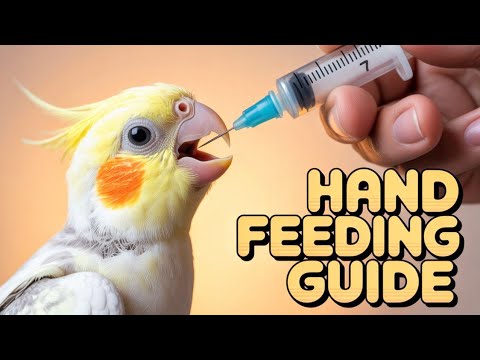
Feeding syringes give control over the food amount and flow. Use a syringe without a needle for safety. Fill the syringe with a smooth, warm formula made for baby birds. Insert the syringe tip gently into the bird’s mouth. Push the plunger slowly to release food. Avoid forcing the syringe too deep or too fast. Clean the syringe thoroughly after each use to prevent infections.
Weaning Process
The weaning process helps baby cockatiels eat on their own. Start offering soft seeds and pellets around 4 to 6 weeks old. Gradually reduce hand-feeding as the bird shows interest in solid food. Provide fresh water and healthy treats daily. Monitor the bird’s eating habits to ensure it gets enough nutrition. Be patient; some birds take longer to wean fully.
Feeding Schedule And Frequency
Setting the right feeding schedule and frequency is crucial to keep your baby cockatiel healthy and thriving. Their tiny bodies need regular nourishment, but the timing changes rapidly as they grow. Understanding these shifts helps you provide the best care without overfeeding or underfeeding.
Newborn Feeding Intervals
Newborn cockatiels require feeding every 2 to 3 hours around the clock during their first week. Their small stomachs can’t hold much food, so frequent, small meals are essential. Skipping a feeding can lead to serious health issues quickly, so stay consistent.
During the day, feedings should be spaced evenly, with slightly longer breaks at night as they begin to rest. You might find yourself feeding about 8 to 12 times daily at this stage. Keeping a timer or schedule can help you stay on track.
Adjusting Feedings As They Grow
As your cockatiel gets older, the feeding intervals gradually lengthen. By the time they reach 3 to 4 weeks old, you can reduce feedings to every 3 to 4 hours. This change reflects their growing ability to digest and process food more efficiently.
At around 5 weeks, many baby cockatiels start nibbling on soft seeds and pellets, so you can begin mixing solid foods with their formula. You’ll notice they become more independent and might refuse some feedings, signaling readiness to transition.
Have you noticed your bird’s cues for hunger or fullness? Paying close attention to these signs ensures you’re feeding the right amount at the right time. Adjusting the schedule based on your cockatiel’s behavior is just as important as following general guidelines.

Credit: www.youtube.com
Maintaining Hygiene During Feeding
Maintaining hygiene during feeding is crucial for your baby cockatiel’s health. Dirty feeding tools can harbor harmful bacteria that may cause infections. Keeping everything clean not only protects your bird but also gives you peace of mind.
Cleaning Feeding Tools
Always wash feeding bottles, syringes, and spoons thoroughly after each use. Use warm water and mild soap, making sure to remove any leftover food particles. Rinse well to avoid soap residue, which can upset your bird’s stomach.
Consider soaking tools in a vinegar solution once a week to kill stubborn bacteria. Dry them completely before storing to prevent mold growth. Have a separate set of tools exclusively for your baby cockatiel to avoid cross-contamination.
Preventing Infections
Do you notice any unusual behavior or symptoms in your baby cockatiel? Early signs like lethargy or loss of appetite could mean an infection. Keep the feeding area clean and disinfect regularly to reduce risks.
Wash your hands before and after feeding to stop germs from transferring. Avoid touching your bird’s beak or feeding tools unnecessarily. Regularly check your bird’s crop for any swelling or changes, as this can signal health issues related to feeding hygiene.
Monitoring Baby Cockatiel Health
Keeping a close eye on your baby cockatiel’s health is essential for ensuring they grow strong and happy. Monitoring their condition daily helps you spot any issues early, making feeding and care much more effective. Let’s dive into the key signs that show your bird is getting the right nutrition and when you might need to step in.
Signs Of Proper Nutrition
Your baby cockatiel should have smooth feathers that shine with a healthy glow. Bright, clear eyes and an active demeanor are also great indicators. Watch for steady weight gain and firm droppings—they tell you your feeding routine is working well.
Notice how your bird eagerly opens its beak during feeding time? That’s a good sign of hunger and comfort with you. If your cockatiel chirps or moves energetically after meals, it means they’re likely feeling well-nourished.
Common Feeding Problems
Sometimes, feeding challenges pop up and can confuse even experienced bird owners. A baby cockatiel refusing to eat or showing regurgitation might be struggling with food temperature or texture. Overfeeding can cause bloating or diarrhea, which means you need to adjust portion sizes.
Another issue is crop infections, which can make the crop feel hard or swollen. If you see your baby cockatiel constantly scratching its beak or rubbing its chest, it might signal discomfort from feeding. Have you noticed any of these signs in your little bird?
When To Consult A Vet
If your baby cockatiel shows signs of lethargy, weak breathing, or sudden weight loss, don’t wait to get professional help. Persistent crop swelling or refusal to eat for more than a few hours also means it’s time to call a vet. Early intervention can prevent serious health problems.
Keep a log of your bird’s feeding habits and health changes. Sharing this with your vet will speed up diagnosis and treatment. Remember, your attentive care is your cockatiel’s best chance for a healthy start in life.

Credit: m.youtube.com

Credit: www.youtube.com
Frequently Asked Questions
How Often Should I Feed A Baby Cockatiel?
Feed a baby cockatiel every 2 to 3 hours during the day. Nighttime feeding is usually unnecessary once they reach 3 weeks old. Consistent feeding helps ensure proper growth and development.
What Is The Best Food For Baby Cockatiels?
Use a specially formulated hand-feeding formula designed for baby cockatiels. Avoid seeds or adult bird food, as they lack essential nutrients for hatchlings. Fresh formula ensures balanced nutrition and healthy growth.
How Do I Properly Prepare Cockatiel Baby Formula?
Mix the formula with warm water following package instructions. Ensure the mixture is smooth and free of lumps. Test the temperature on your wrist; it should feel warm, not hot, to prevent burning the baby bird’s crop.
Can I Feed My Baby Cockatiel With A Syringe?
Yes, use a small syringe or feeding spoon to feed the baby cockatiel. Be gentle and avoid forcing the food to prevent choking. Feeding should mimic natural feeding motions for comfort and safety.
Conclusion
Feeding a baby cockatiel takes patience and care. Offer fresh food and clean water daily. Watch the bird’s health and appetite closely. Avoid harmful foods and keep feeding times regular. A happy, healthy cockatiel grows with good nutrition. Your gentle attention helps build trust and comfort.
Keep learning and enjoy watching your bird thrive. Simple steps make feeding easier and more rewarding. Caring well now creates a strong, loving bond later.