
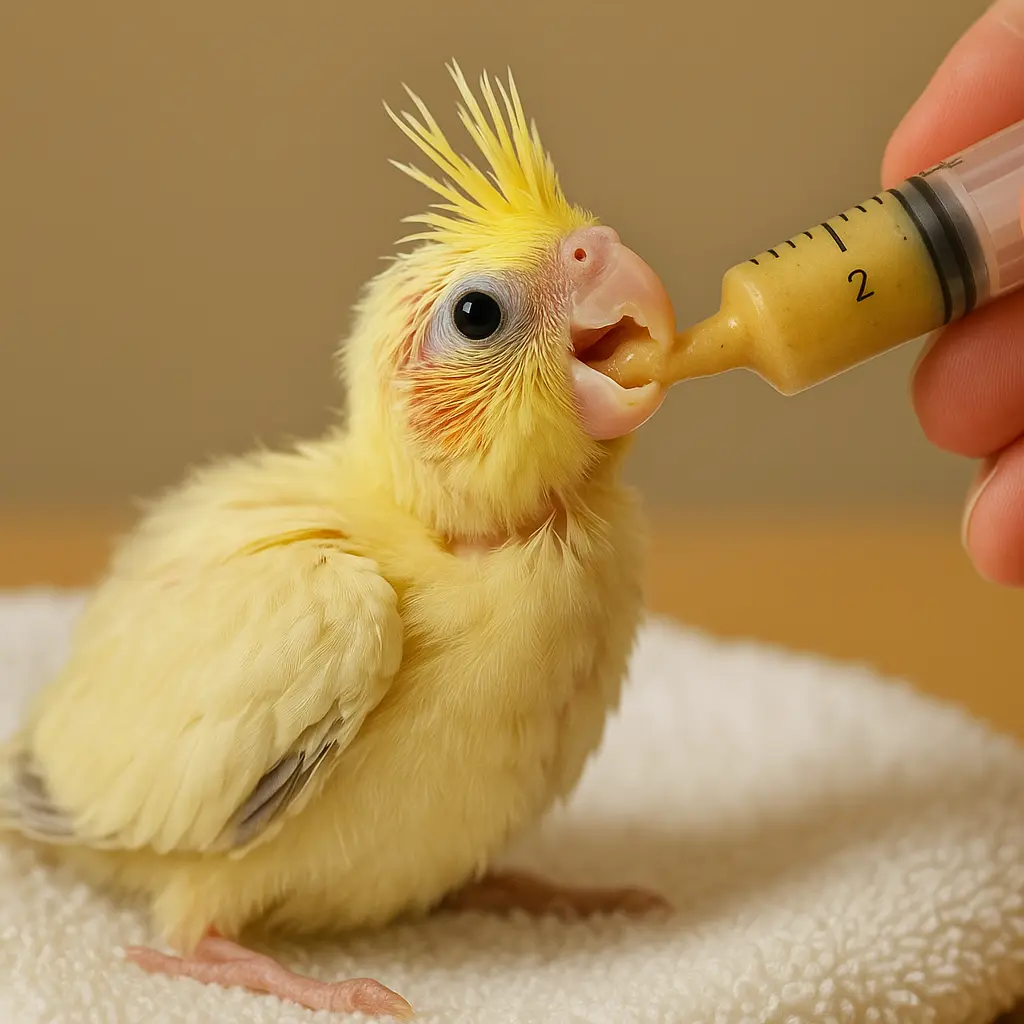
Have you ever found a baby bird and wondered what you can safely feed it? You might be surprised to learn that common fruits like bananas come up as an option.
But is it really safe to feed baby birds bananas? You want to make sure you’re helping, not hurting, these tiny creatures. Keep reading to discover the truth about bananas and baby birds—and what you should do to give them the best care possible.
Diet Needs Of Baby Birds
Baby birds need a special diet to grow strong and healthy. Their food must contain the right nutrients to support quick development. Feeding baby birds requires understanding what their bodies need at each stage. Not all foods are safe or helpful for them.
Essential Nutrients
Protein is the most important nutrient for baby birds. It helps build muscles and organs. They also need fats for energy and brain growth. Vitamins and minerals support their immune system and bone strength. Water is vital for hydration and digestion. Without these, baby birds cannot survive or thrive.
Natural Food Sources
Wild baby birds get their nutrients from insects, worms, and small seeds. These foods provide high protein and fats. Some birds eat fruits, but only certain types and in small amounts. Parents catch live food to feed their chicks. This natural diet matches the bird’s needs perfectly.
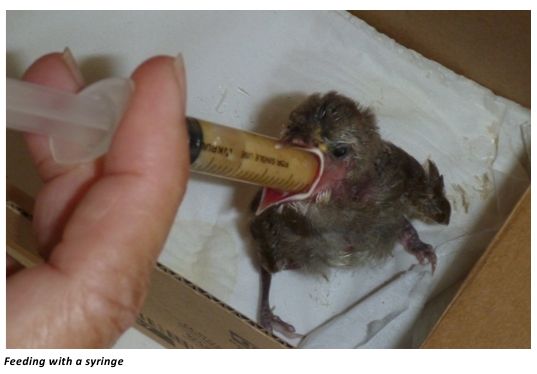
Credit: besgroup.org
Bananas And Their Nutritional Profile
Bananas are a popular fruit known for their sweet taste and soft texture. When thinking about feeding baby birds, understanding the nutritional makeup of bananas can help you decide if they are a good option. Let’s look closely at what bananas offer in terms of vitamins, minerals, and sugars.
Key Vitamins And Minerals
Bananas contain several essential nutrients that support overall health. They are a good source of vitamin C, which helps with immune function, and vitamin B6, important for brain development and metabolism.
Minerals like potassiumare abundant in bananas, which help regulate fluid balance and muscle function. They also provide small amounts of magnesium and manganese, both beneficial for growth.
However, while these nutrients are valuable, baby birds have very specific dietary needs. Their bodies require a balanced intake of protein, fats, and vitamins that bananas alone may not fully provide.
Sugar Content And Digestibility
Bananas are naturally high in sugars like glucose, fructose, and sucrose. These sugars give the fruit its energy-boosting properties but can be a double-edged sword for baby birds.
Young birds have delicate digestive systems that are still developing. The high sugar content in bananas might be hard for them to process efficiently, potentially leading to digestive upset.
Have you noticed how wild baby birds primarily consume insects and regurgitated food rich in protein? This is because their energy and growth depend more on protein than on simple sugars.
While small amounts of banana could be okay as a treat, it’s important not to rely on it as a main food source. Always consider if the food matches your baby bird’s digestive abilities and nutritional needs before offering it.
Feeding Bananas To Baby Birds
Feeding bananas to baby birds can seem like a simple, natural choice. Bananas are soft, easy to mash, and packed with nutrients. But before you offer this fruit to a tiny feathered friend, it’s important to understand both the benefits and the risks involved.
Potential Benefits
Bananas provide a good source of energy through natural sugars, which can help baby birds stay active and grow. They also contain potassium, which supports muscle function and overall health. The soft texture makes bananas easy for baby birds to swallow and digest, especially if mashed properly.
I once helped care for an orphaned finch and found that a small amount of mashed banana was a quick, gentle food option when other foods weren’t available. It helped keep her energy up during critical early days.
- Rich in vitamins like B6 and C
- High in natural sugars for quick energy
- Soft and easy to digest when mashed
Possible Risks
While bananas have benefits, feeding too much can cause digestive upset. Baby birds have sensitive stomachs, and excess sugar might lead to diarrhea or nutritional imbalance. Bananas also lack protein and essential fats, which are crucial for healthy growth.
It’s easy to think that because bananas are healthy for humans, they’re automatically safe for birds. But birds need a balanced diet, and relying on bananas alone can cause problems. Always mix bananas with other appropriate foods designed for baby birds.
- High sugar content may cause diarrhea
- Lacks sufficient protein and fat
- Can lead to nutritional imbalance if overfed
Have you ever considered what a baby bird’s natural diet looks like? Understanding that can help you decide how much banana, if any, to include. Your goal should always be to mimic what nature provides as closely as possible.
How To Safely Offer Bananas
Offering bananas to baby birds requires care and attention. Not all foods suit their delicate digestive systems. Proper preparation and portion control help keep them safe and healthy. Follow these guidelines to serve bananas properly.
Preparation Tips
- Use ripe bananas only; avoid green or overly soft ones.
- Peel the banana completely before feeding.
- Mash the banana until it becomes smooth and creamy.
- Remove any strings or lumps to prevent choking.
- Serve at room temperature; avoid cold or hot food.
- Clean feeding tools before and after use to prevent bacteria.
Appropriate Portion Sizes
- Offer small amounts to avoid overfeeding.
- Start with a pea-sized portion for very young birds.
- Increase portions gradually as the bird grows.
- Observe the bird’s reaction and adjust accordingly.
- Feed only a few times a day; do not replace their main diet.
Alternatives To Bananas For Baby Birds
Bananas are soft and easy to mash but lack some nutrients baby birds need. Offering a variety of foods helps support their growth and health. Many fruits and foods provide better vitamins and minerals for young birds.
Recommended Fruits And Foods
- Apples (peeled and chopped into small pieces)
- Berries like blueberries and strawberries (cut into tiny bits)
- Melons such as cantaloupe and watermelon (seedless and soft)
- Peaches and pears (ripe and diced, with skin removed)
- Cooked vegetables like carrots and peas (soft and mashed)
- Boiled eggs (mashed, rich in protein)
- Insects such as mealworms (a good source of protein)
These options provide essential nutrients for baby birds. Always cut food into small, manageable pieces. Fresh water should be available to keep them hydrated.
Commercial Bird Formulas
Special bird formulas are designed for baby birds. They contain balanced vitamins, minerals, and proteins. These formulas come as powders or gels and mix with water.
Using commercial formulas helps ensure proper nutrition. Follow package instructions for mixing and feeding. These formulas are safer and more complete than many home-prepared foods.
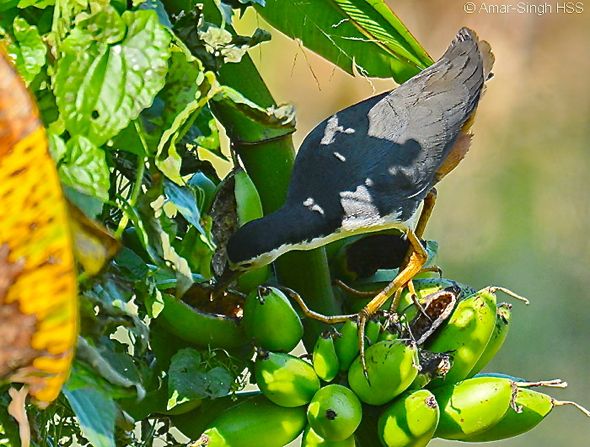
Credit: besgroup.org
Expert Recommendations
Experts agree that feeding baby birds requires care and attention. Their diet needs proper nutrients for healthy growth. Bananas can be a part of this diet, but timing and quantity matter. Understanding expert advice helps keep baby birds safe and well-fed.
When To Introduce Fruits
Baby birds should eat soft fruits only after they grow some feathers. Usually, this happens around two weeks old. Before this, their diet must be mostly protein-based. Fruits like bananas are easy to digest and provide energy. Start with small pieces and watch for any reaction. Fruits should never replace their main food source early on.
Signs Of Nutritional Issues
Watch baby birds for signs of poor nutrition. These include:
- Weakness or lack of energy
- Slow feather growth
- Changes in droppings
- Refusal to eat
Bananas alone do not provide all needed nutrients. Use them as a supplement with a balanced diet. If problems appear, consult a wildlife expert or vet quickly.

Credit: www.reddit.com
Frequently Asked Questions
Can Baby Birds Eat Bananas Safely?
Yes, baby birds can eat small amounts of banana. It provides vitamins and energy but should be given in moderation and mashed to avoid choking.
Are Bananas Nutritious For Baby Birds?
Bananas offer essential nutrients like potassium and vitamins. They support baby birds’ growth but should not replace their regular diet.
How To Prepare Bananas For Baby Birds?
Peel and mash bananas into a smooth, soft texture. Avoid adding sugar or other additives to keep it safe and healthy.
Can Bananas Harm Baby Birds If Fed Too Much?
Feeding too many bananas can cause digestive issues. Always offer bananas in moderation alongside a balanced diet for baby birds.
Conclusion
Baby birds need food that helps them grow strong and healthy. Bananas are soft and easy to eat but lack important nutrients. Feeding only bananas can make baby birds sick or weak. Offer a mix of insects, seeds, and fruits for better nutrition.
Always watch how birds react to new foods. Giving the right food helps baby birds survive and thrive. Keep learning about their needs to support their health. Feeding baby birds with care makes a big difference.