
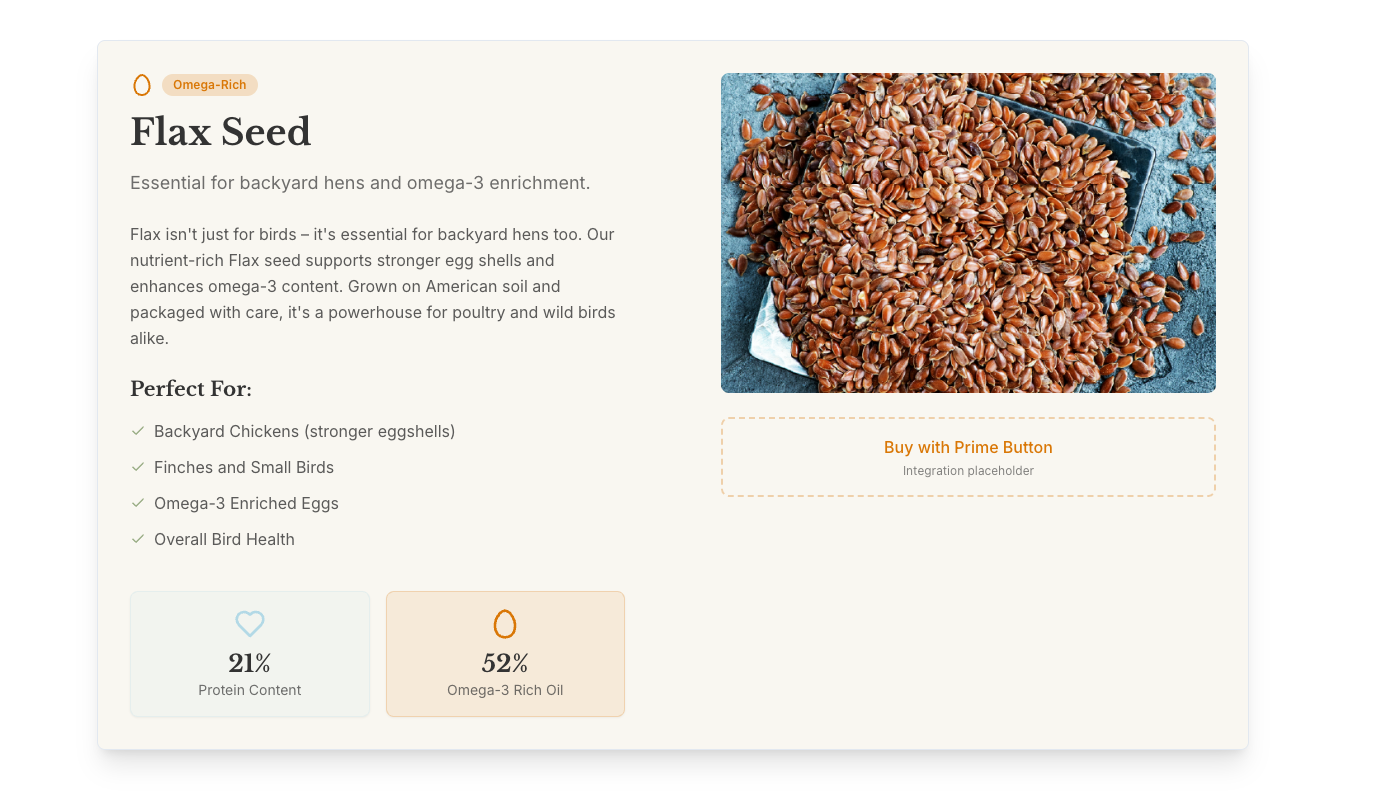
Have you ever wondered if flax seed is a good choice for feeding wild birds in your backyard? You want to help these feathered friends stay healthy and happy, but not all seeds are safe or nutritious for them.
Understanding what you put in your bird feeder can make a big difference in attracting the right birds and supporting their well-being. Keep reading to discover whether flax seed belongs in your bird-feeding routine and how it can impact the wild birds you love to watch.

Credit: www.kaytee.com
Why Feed Wild Birds
Feeding wild birds brings many benefits to your garden and the environment. It helps birds survive tough times and supports their natural habits. Offering food creates a safe space for birds to visit and thrive.
Understanding why feeding wild birds matters can deepen your connection with nature. It also encourages a healthier ecosystem in your backyard.
Supporting Local Wildlife
Wild birds face many challenges, like habitat loss and food shortages. Providing food helps them find enough energy to survive. It supports their health and boosts their chances of raising young birds. Feeding birds is a simple way to protect local wildlife.
Seasonal Feeding Needs
Birds need extra food during cold winters and hot summers. Natural food sources can be scarce in these seasons. Feeding birds helps them stay strong and active. It also helps during migration times when they travel long distances.
Encouraging Bird Diversity
Different birds prefer different foods. Offering various seeds, like flax seed, attracts many bird species. This variety creates a lively and colorful garden. Feeding birds helps increase the number and types of birds visiting your area.
Credit: www.kaytee.com
Flax Seed As Bird Food
Flax seed is a small, shiny seed gaining popularity as a bird food choice. It offers unique benefits for wild birds and can be a nutritious addition to their diet. Many bird watchers and feeders wonder if flax seed is safe and useful for feeding wild birds.
This seed contains nutrients that support bird health. Birds enjoy flax seed, and it attracts various species. Comparing flax seed with other common seeds helps understand its value for wild birds.
Nutritional Profile
Flax seed is rich in essential nutrients. It contains:
- Omega-3 fatty acids for healthy feathers and skin
- Protein to support muscle growth and energy
- Dietary fiber to aid digestion
- Vitamins like B-complex for metabolism
- Minerals such as magnesium and manganese
These nutrients help birds stay strong and active. Flax seed is a natural, healthy food source.
Types Of Birds Attracted
Many wild birds enjoy flax seed. Some common visitors include:
- Finches
- Sparrows
- Cardinals
- Juncos
- Chickadees
These birds prefer small seeds like flax. It suits their beak size and feeding style. Offering flax seed can attract a variety of colorful and lively birds to your feeder.
Flax Seed Vs Other Seeds
| Seed Type | Nutritional Benefits | Bird Preference | Cost |
|---|---|---|---|
| Flax Seed | High in Omega-3, protein | Finches, sparrows, cardinals | Moderate |
| Sunflower Seeds | High fat and protein | Many species, especially larger birds | Low to moderate |
| Millet | Good carbohydrate source | Ground feeders like doves and juncos | Low |
| Nyjer Seed | Rich in oil and protein | Finches and small birds | High |
Flax seed offers balanced nutrition but costs more than millet. It attracts birds similar to nyjer seed but is less oily. It can complement common seeds like sunflower and millet for a varied diet.
Benefits Of Flax Seed For Birds
Flax seed offers many benefits for wild birds. This tiny seed packs powerful nutrients that help birds stay strong and healthy. Feeding flax seed supports their growth and daily energy needs. It also improves their appearance and overall well-being.
Rich In Omega-3 Fatty Acids
Flax seed is a top source of omega-3 fatty acids. These fats are essential for birds’ heart and brain health. Omega-3s reduce inflammation and support their immune system. Birds that eat flax seed get a natural boost to keep them active and alert.
Boosting Bird Health
Flax seed contains fiber and antioxidants. These nutrients help birds digest food better. They also protect birds from diseases by fighting free radicals. Regular flax seed intake can lead to stronger bones and better resistance against illness.
Enhancing Feather Quality
Birds need good nutrition for strong feathers. Flax seed’s omega-3 fats improve feather shine and flexibility. Healthy feathers help birds fly easily and stay warm. Feeding flax seed supports molting and feather regrowth too.
How To Offer Flax Seed
Offering flax seed to wild birds can be a rewarding experience, but doing it right ensures the birds enjoy the benefits safely and effectively. How you present flax seed matters just as much as the seed itself. Let’s look at some practical ways to offer flax seed that will attract birds and keep them healthy.
Choosing The Right Form
Flax seed comes in whole, ground, and oil forms. Whole flax seeds are great for birds with strong beaks like finches and sparrows, but smaller birds might struggle to crack them open.
Ground flax seed is easier for most birds to digest and can be mixed into other seed blends. However, it spoils faster due to exposure to air, so offer it fresh and in small amounts.
Flaxseed oil is an option for adding omega-3s, but it’s best used sparingly. Too much oil can make seeds clump together and spoil quickly.
Mixing With Other Seeds
Flax seed alone might not attract a wide range of birds. Mixing it with sunflower seeds, millet, or cracked corn can create a more inviting mix. This variety encourages different species to visit your feeder.
Start by adding small amounts of flax seed to your existing seed blends. Observe which birds come and adjust the mix based on their preferences. This approach helps you learn what works best in your backyard.
Adding flax seed to suet cakes or homemade bird treats is another way to provide it without overwhelming the birds with a new food.
Safe Feeding Practices
Always keep your feeding area clean to prevent mold and bacteria growth, which can harm birds. Flax seed can spoil faster than some other seeds, so avoid leaving large quantities out for long periods.
Change the seed regularly and clean feeders to keep the food fresh. Wet or moldy flax seed is unsafe for birds and can cause illness.
Consider offering flax seed during cooler months when birds benefit more from the extra energy and nutrients. But be cautious in hot weather, as oils in flax seed can spoil quickly.
Potential Risks And Precautions
Feeding wild birds with flax seed can be beneficial but carries some risks. Understanding these risks helps keep birds safe and healthy. Taking simple precautions can prevent problems linked to flax seed feeding.
Overfeeding Concerns
Too much flax seed can harm wild birds. Birds need a balanced diet with various seeds and foods. Overfeeding flax seed may cause nutritional imbalances. It can also lead to dependency on human-provided food. Keep seed amounts moderate and offer variety to support bird health.
Mold And Spoilage
Flax seed can spoil quickly in damp or warm conditions. Moldy seeds are toxic and can make birds sick. Store seeds in a cool, dry place in airtight containers. Check seeds often for signs of mold or bad smell. Remove spoiled seeds immediately to protect birds.
Avoiding Harmful Additives
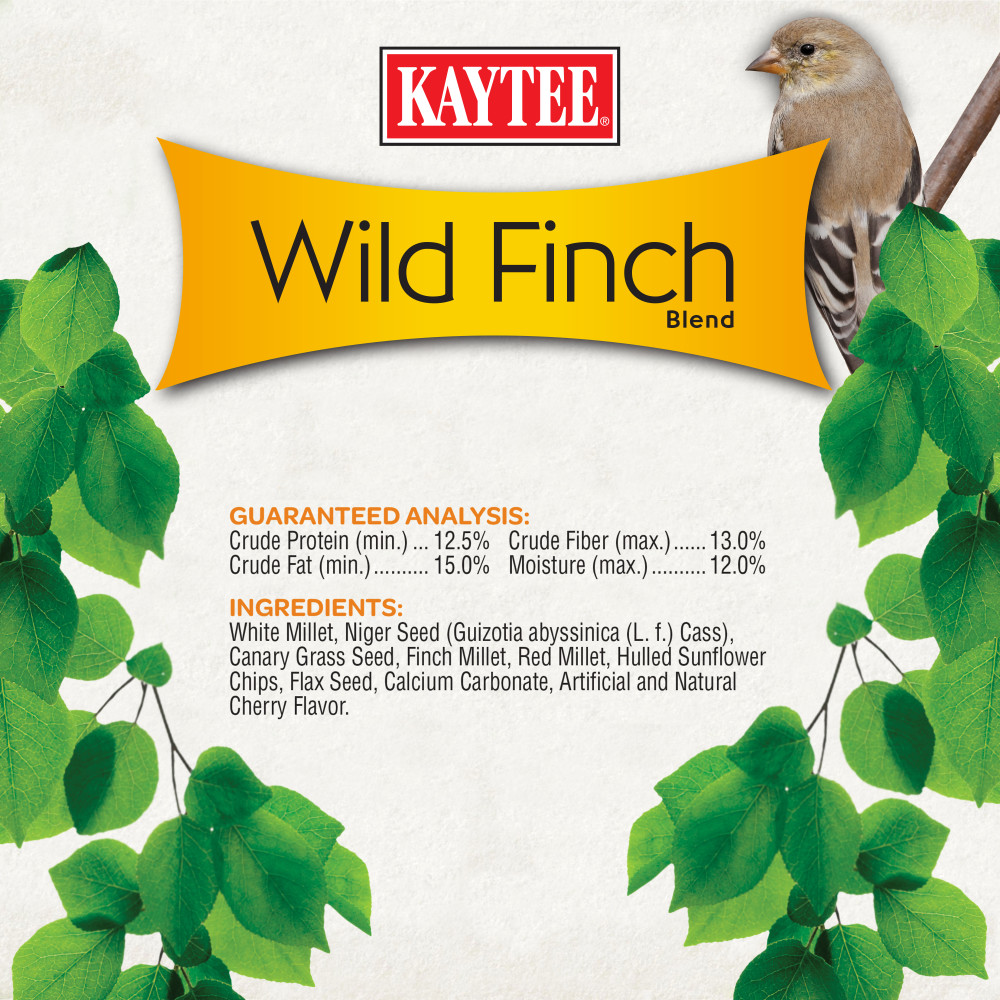
Some flax seed products contain salt, sugar, or preservatives. These additives can harm wild birds. Always choose plain, natural flax seed without chemicals. Read labels carefully before buying. Feeding pure seed helps keep birds safe and healthy.
Best Bird Feeders For Flax Seed
Choosing the right bird feeder for flax seed can make a big difference in attracting wild birds to your yard. Flax seed is small and can easily slip through gaps or get wasted if the feeder isn’t suitable. The best feeders will hold flax seed securely, keep it dry, and allow easy access for birds without encouraging pests.
Tray Feeders
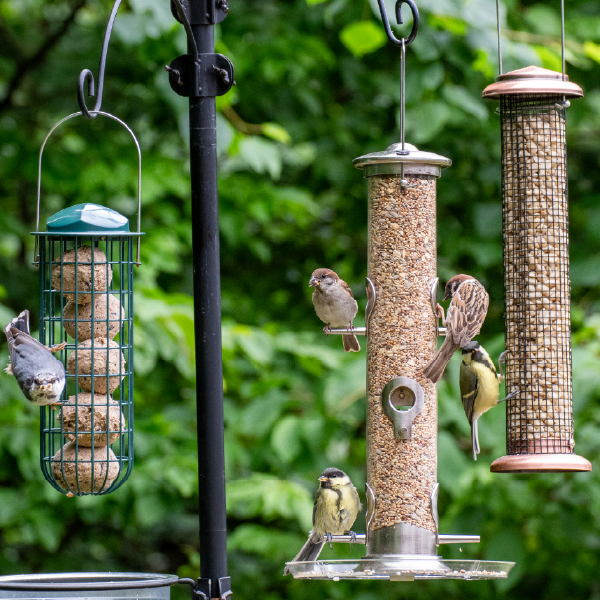
Tray feeders are perfect if you want to spread flax seed out for multiple birds to feed at once. They offer an open platform that holds seeds flat, preventing them from rolling away. You can place these feeders on poles or hang them, making it easy to clean and refill.
One thing to watch out for is weather exposure. Because tray feeders are open, flax seed can get wet quickly, which might cause spoilage. Adding a small roof or placing the feeder in a sheltered spot can help keep seeds dry and fresh.
Hopper Feeders
Hopper feeders are great for flax seed because they dispense it slowly and protect the seeds from rain and wind. These feeders usually have a covered container that holds a good amount of seed and releases it into a feeding tray below as birds eat.
You’ll find that hopper feeders reduce waste since the seeds stay contained and dry. If you want a low-maintenance option that keeps your flax seed fresh longer, this type of feeder works well.
Platform Feeders
Platform feeders are similar to tray feeders but often larger and sturdier. They give flax seed plenty of space to spread out, which is excellent if you want to attract ground-feeding birds. These feeders can be placed on the ground or elevated.
One tip is to add a mesh bottom or small barriers if squirrels are a problem. These feeders make it easy to observe birds up close, so they’re perfect if you enjoy watching different species enjoy flax seed.
Seasonal Tips For Feeding
Feeding wild birds with flax seed can be a rewarding experience all year round, but adjusting your approach based on the season makes a big difference. Each season brings unique challenges and opportunities for bird feeding. Understanding these shifts helps you support local bird populations more effectively and keeps your outdoor visitors coming back.
Winter Feeding Strategies
During winter, birds need extra energy to stay warm. Flax seed is a great choice because it provides healthy fats that fuel their bodies. Scatter flax seed near sheltered spots to protect it from snow and wind.
Keep feeders clean and dry to prevent mold, which can harm birds. You might notice birds flocking more when food is scarce, so offer a mix of seeds along with flax to attract a variety of species. Have you ever watched chickadees eagerly pecking at your feeder in freezing weather? That’s the moment you realize your effort truly matters.
Spring And Summer Adjustments
In warmer months, birds shift focus to nesting and feeding their young. Flax seed still offers valuable nutrients, but they often prefer insects and softer foods. Consider mixing flax seed with other natural treats like fruit or mealworms.
Reduce the amount of seed you offer gradually as natural food sources increase. Clean feeders regularly to prevent bacteria build-up during humid weather. Notice how birds’ behavior changes with the seasons? Providing the right food at the right time helps them thrive.
Autumn Preparations
As temperatures drop, birds start preparing for winter. This is the perfect time to increase flax seed availability to help them build fat reserves. Try placing feeders in areas where birds naturally gather, like near berry bushes or shrubs.
Remove debris and old seed before adding fresh flax seed to avoid spoilage. Think about how your feeding habits can create a safe haven for birds facing colder months ahead. How could your backyard become a vital stop on their seasonal journey?
Credit: americanharvestseed.com
Frequently Asked Questions
Can Wild Birds Safely Eat Flax Seed?
Yes, wild birds can safely eat flax seed. It provides essential fatty acids and nutrients. However, feed it in moderation alongside other seeds to ensure a balanced diet.
What Are The Benefits Of Feeding Flax Seed To Birds?
Flax seed offers omega-3 fatty acids, improving birds’ feather health and energy. It also supports their immune system. Including flax seed enhances their overall nutrition.
How Should I Offer Flax Seed To Wild Birds?
Offer flax seed mixed with other bird seeds or scatter it on the ground. Avoid feeding large amounts alone, as birds need a varied diet for optimal health.
Are There Any Risks Feeding Flax Seed To Birds?
Flax seed is generally safe but feeding too much may cause digestive issues. Always provide clean, fresh seeds and avoid moldy or spoiled flax seed to prevent harm.
Conclusion
Feeding wild birds with flax seed offers several benefits. Birds love the taste. The seeds provide essential nutrients. Flax seeds can enhance their health. But it’s important to mix them with other seeds. This ensures balanced nutrition. Always keep feeders clean.
Regular cleaning prevents disease spread. Observing birds enjoy your efforts feels rewarding. So, go ahead and include flax seeds. Enjoy watching your feathered friends thrive. Your backyard can become a bird haven. A little effort brings nature closer. Happy bird watching!