
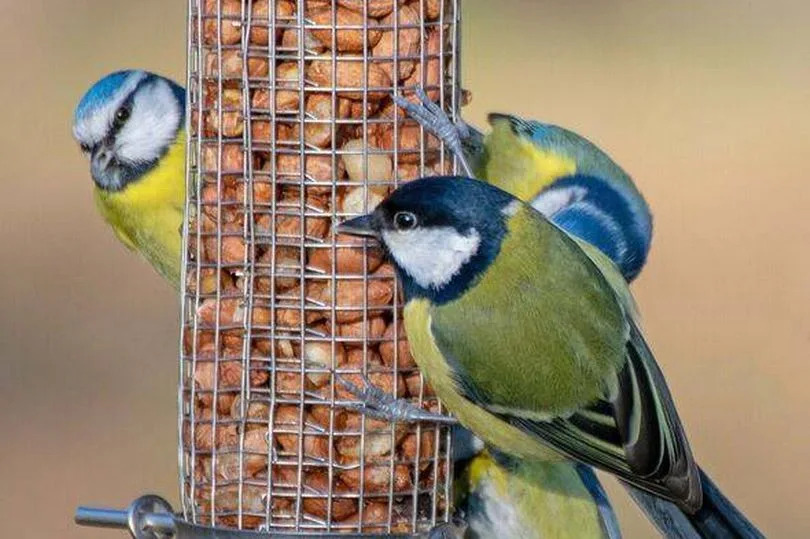
Have you ever stopped to wonder if feeding birds in Colorado could land you in trouble? It seems like a simple, kind act—offering food to the birds outside your window or in the park.
But what if there are rules you didn’t know about? You might be surprised to learn that what feels like a harmless gesture could have unexpected consequences. Keep reading to find out what you need to know before you grab that bag of birdseed.
This could save you from fines or other problems you never saw coming.

Credit: cen.acs.org
Colorado Bird Feeding Laws
Feeding birds in Colorado can seem like a harmless way to enjoy nature right in your backyard. But before you scatter seeds or hang feeders, you should know there are specific laws and rules designed to protect both the birds and their habitats. Understanding these regulations helps you feed birds responsibly without risking fines or harming wildlife.
State Regulations
Colorado has statewide rules that focus on protecting native bird populations. For example, certain birds are protected under state law, meaning feeding them in ways that cause dependency or disrupt natural behaviors can be illegal.
You should also avoid feeding birds in state parks unless explicitly allowed. These parks have strict guidelines to prevent changes in animal behavior and preserve the ecosystem.
Local Ordinances
Many cities and counties in Colorado have their own rules about bird feeding. Some places restrict feeding to prevent attracting pests like rodents or to avoid conflicts with neighbors.
Before you put out a feeder, check your local city or county website. You might find regulations about the types of feed allowed or the locations where feeders can be placed.
Protected Species Rules
Colorado protects several bird species under both state and federal laws, such as raptors and migratory birds. Feeding or disturbing these protected birds can lead to serious penalties.
Have you ever noticed a hawk or eagle near your feeder? It’s important not to feed these birds directly or leave food that might attract them unnaturally.
Respecting these rules means you’re supporting healthy bird populations and helping preserve Colorado’s diverse wildlife for years to come.

Credit: uk.news.yahoo.com
Common Concerns About Feeding Birds
Feeding birds seems like a kind act. Many enjoy watching colorful birds visit feeders. Yet, some concerns arise about this activity. These worries focus on wildlife health, unwanted animals, and the environment. Understanding these concerns helps feed birds responsibly.
Impact On Wildlife Health
Bird feeders can affect bird health in several ways. Poor food quality may cause illness. Dirty feeders spread diseases quickly. Birds may depend too much on feeders. This dependence can reduce their natural foraging skills.
Attracting Unwanted Animals
Food attracts more than just birds. Squirrels, raccoons, and rodents often visit feeders. Some animals may be pests or carry diseases. They can cause damage to property. Feeding birds can unintentionally invite these animals close to homes.
Environmental Effects
Feeding birds can change local ecosystems. Leftover food may pollute soil and water. Overcrowding at feeders increases waste and noise. This crowding can disturb natural bird behaviors. It may also impact other wildlife in the area.
Penalties For Illegal Bird Feeding
Feeding birds in Colorado might seem harmless, but it can lead to penalties. Authorities enforce laws to protect wildlife and public safety. Violations can result in fines and other actions. Understanding these penalties helps avoid trouble and supports local ecosystems.
Fines And Citations
People caught feeding birds illegally face fines. These can range from small amounts to significant fees. The exact fine depends on the location and severity. Citations may also come with warnings or orders to stop feeding.
- Fines usually start around $50.
- Repeat offenses may lead to higher fines.
- Some areas impose strict penalties to prevent harm to wildlife.
Enforcement Agencies
Several agencies handle bird feeding violations in Colorado. Local police and wildlife officers often respond to complaints. State wildlife services also play a key role in enforcement. These agencies work together to protect birds and public health.
- Colorado Parks and Wildlife
- Local law enforcement departments
- City or county animal control
Case Examples
In Denver, a person received a $100 fine for feeding pigeons near public parks. Authorities said this caused health risks and litter problems. In Boulder, a community member was warned after feeding protected birds in a nature reserve. These cases show strict enforcement and varied penalties.
Safe Bird Feeding Practices
Feeding birds in Colorado can be a joyful experience, but it’s important to do it the right way to keep both the birds and the environment safe. Unsafe feeding practices can harm birds or attract unwanted wildlife. Let’s look at how you can feed birds responsibly, ensuring their health and your peace of mind.
Approved Food Types
Choosing the right food is the first step to safe bird feeding. Avoid bread, crackers, or anything processed because these can upset birds’ digestion. Instead, offer seeds like sunflower, millet, or nyjer, which provide the nutrients birds need.
Have you noticed how some birds flock more eagerly to certain seeds? That’s because they know which foods are best for them. Providing fresh, natural foods encourages healthy eating habits and supports local bird populations.
Proper Feeding Locations
Where you put your feeder matters a lot. Place feeders away from windows to prevent birds from flying into glass. Also, keep feeders at least 10 feet away from areas where cats or other predators might hide.
Think about your own backyard space. Is there a quiet corner with some natural cover? Setting up feeders there not only protects birds but also gives you a peaceful spot to watch their activity. Wouldn’t you want to create a safe haven for them?
Seasonal Considerations
Bird feeding needs can change with the seasons. In winter, birds need high-energy foods like suet or peanuts to survive cold temperatures. In warmer months, fresh water and fruits become more important.
Have you observed how birds’ feeding patterns shift as the seasons change? Adjusting your feeding routine helps birds thrive year-round. It also reduces the risk of attracting pests that come with leftover or spoiled food.
Alternatives To Feeding Wild Birds
Feeding wild birds might seem like a harmless way to connect with nature, but it can sometimes lead to unintended problems, especially in places like Colorado where wildlife regulations are strict. Luckily, there are plenty of ways to enjoy birds without feeding them directly. These alternatives help you support local bird populations while respecting the environment and legal guidelines.
Habitat Creation
Creating a bird-friendly habitat in your yard can attract birds naturally. Plant native trees, shrubs, and flowers that provide food, shelter, and nesting sites. Adding a small water source like a birdbath can also make your space more inviting.
Think about the kinds of birds you want to see and what they need to thrive. Have you considered how a few native plants might change the types of birds visiting your area?
Bird Watching Tips
Enjoy bird watching by learning to identify local species and their behaviors. Use binoculars and a field guide to get closer without disturbing them. Early mornings or late afternoons are great times to spot birds when they’re most active.
Try keeping a journal of your sightings. Noticing patterns over time can deepen your appreciation and help you understand bird habits better.
Supporting Conservation Efforts
You can support bird populations by contributing to local conservation projects. Many organizations work to protect habitats and monitor bird health across Colorado. Volunteering or donating to these groups helps ensure birds have safe places to live.
Have you explored local bird conservation groups? Your involvement could make a real difference beyond your backyard.
Credit: www.theguardian.com
Frequently Asked Questions
Can I Legally Feed Birds In Colorado Parks?
Feeding birds in most Colorado parks is generally allowed, but some areas have specific restrictions. Always check local park rules to avoid fines or penalties. Feeding can attract pests and disrupt wildlife, so follow guidelines to protect the environment.
What Laws Regulate Bird Feeding In Colorado?
Colorado has state and local laws that regulate feeding wildlife, including birds. Some cities prohibit feeding to prevent overpopulation and disease. Always verify municipal codes before feeding birds to ensure you comply with local regulations.
Are There Penalties For Feeding Birds Illegally In Colorado?
Yes, violating bird feeding laws in Colorado can result in fines. Penalties vary by location and severity. Illegal feeding can harm ecosystems and wildlife health, prompting enforcement actions. Always follow posted rules to avoid trouble.
Does Feeding Birds Affect Colorado’s Wildlife Ecosystem?
Feeding birds can disrupt natural behaviors and local ecosystems in Colorado. It may cause dependency, spread diseases, and attract unwanted animals. Responsible feeding practices help maintain ecological balance and protect native species.
Conclusion
Feeding birds in Colorado can bring joy and connection to nature. Still, rules exist to protect wildlife and people. Check local laws before offering food to birds. Feeding in the wrong place or way may cause problems. Respecting these guidelines helps keep birds healthy and safe.
Enjoy birdwatching but do it responsibly and kindly. Simple actions make a big difference for nature around you. Stay informed and care for your feathered friends wisely.