
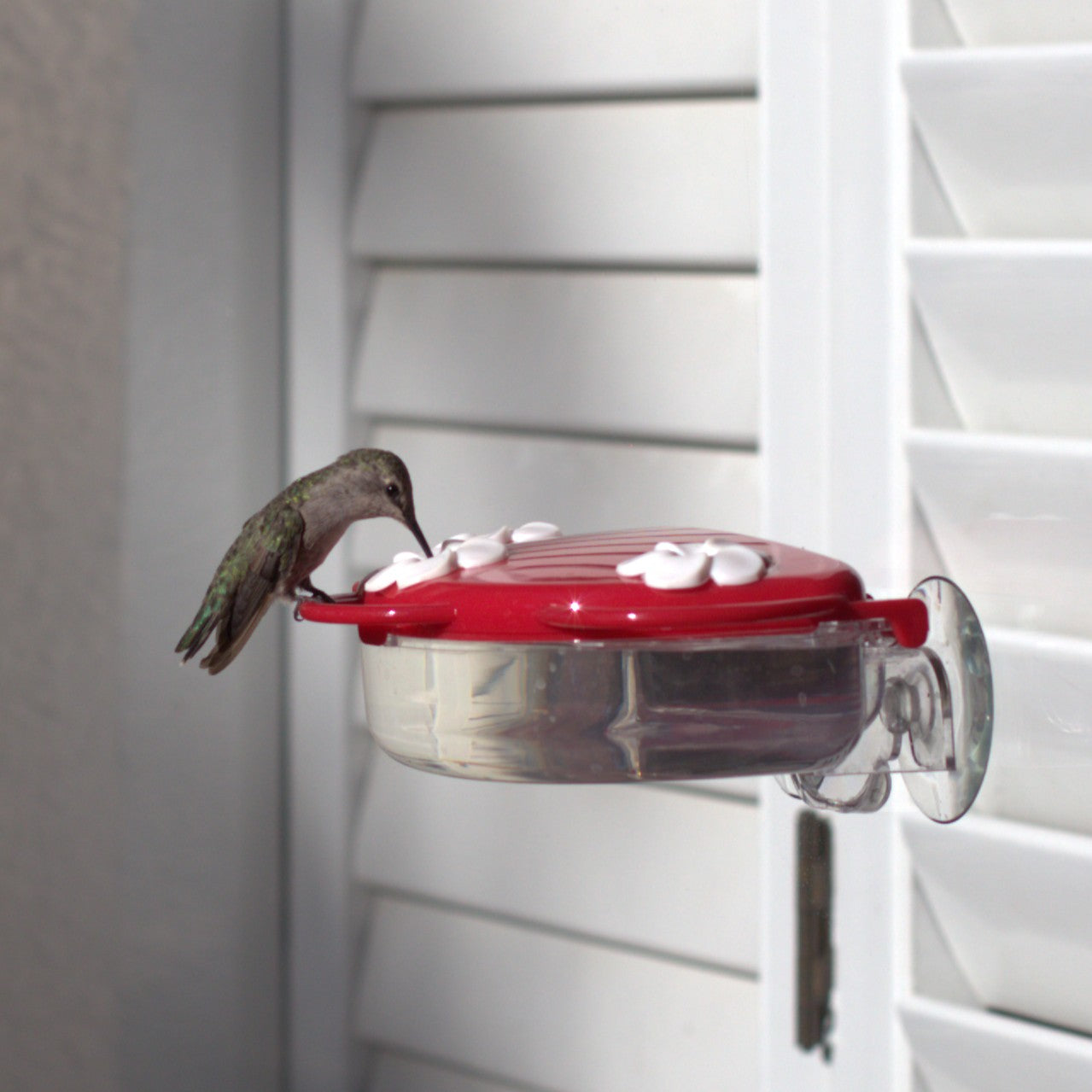
Have you ever wondered how birds find your new window bird feeder so quickly? It’s like they have a secret radar just for spotting fresh food spots.
Understanding how birds detect your feeder can help you attract more feathered friends right to your window. You’ll discover simple yet surprising ways birds notice new feeders—and how you can use this knowledge to create a lively, colorful birdwatching experience right at home.
Keep reading to unlock the secrets of bird behavior and make your window feeder impossible for birds to miss!
Bird Vision Features
Birds rely heavily on their vision to find food and spot new feeders. Their eyes have unique features that help them detect objects quickly and clearly. Understanding these features explains how birds notice a new window bird feeder. Their vision is sharper and more colorful than human vision in many ways.
Color Perception
Birds see a wider range of colors than humans. They can detect ultraviolet light, which is invisible to people. This ability helps them spot bright and colorful feeders easily. Many birds are attracted to red, yellow, and blue shades. These colors stand out against natural backgrounds, making feeders more noticeable.
Motion Detection
Birds are very sensitive to movement. Their eyes can detect even the smallest motion from far away. This skill helps them notice feeders when placed near windows. Moving leaves or reflections can catch their eye. Quick motion detection warns birds of danger or signals food nearby.
Depth Perception
Depth perception allows birds to judge distances accurately. Their eyes are positioned on the sides of their heads, giving a wide field of view. Many birds also have good binocular vision, helping them focus on objects in front. This ability helps birds approach feeders safely and land precisely on perches.

Credit: www.amazon.ca
Window Reflections And Birds
Window reflections play a surprising role in how birds find and interact with new window bird feeders. The glass surface can reflect the sky, trees, or even the feeder itself, creating illusions that birds must interpret. Understanding these reflections can help you place feeders in a way that attracts birds rather than confuses them.
Why Reflections Confuse Birds
Birds rely heavily on visual cues to navigate their environment. When they see a window reflection, they often mistake it for open space or natural habitat. This can lead to birds flying directly into the glass, which is harmful and frustrating for both you and the bird.
Reflections can also make it hard for birds to recognize your feeder. Instead of seeing a safe spot with food, they might see multiple images or get distracted by reflected surroundings. Have you noticed birds hesitating or avoiding your feeder near windows? This is likely due to confusing reflections.
Impact On Bird Behavior
Reflections affect how birds approach and use window feeders. Some birds may avoid the area altogether, thinking it’s unsafe. Others might repeatedly try to reach the feeder through the glass, leading to stress and injury.
You can observe changes in bird behavior by watching their patterns near reflective surfaces. Birds might become more cautious or aggressive if they feel threatened by their own reflection. How do you think your feeder placement influences the birds’ comfort and safety?
Detecting New Bird Feeders
Birds are quick to notice changes in their environment. A new window bird feeder stands out as an interesting spot. Detecting these feeders involves sharp senses and natural instincts. Birds use different signals to find and explore new food sources close to homes. Understanding how birds detect these feeders helps in attracting them more effectively.
Visual Cues Birds Use
Birds rely heavily on sight to find new feeders. Bright colors and shiny surfaces catch their attention easily. They spot the feeder’s shape against the background. Movement near the feeder makes it more noticeable. Birds also watch other birds visiting the feeder. This social cue encourages them to check out the new spot.
- Bright colors like red and yellow attract many birds.
- Clear or reflective surfaces can signal a new object.
- Movement of feeder or birds attracts curiosity.
- Visible food inside the feeder tempts hungry birds.
Role Of Scent And Sound
Birds have keen senses beyond just sight. Some species use smell to detect food sources. The scent of seeds or nuts can lure birds closer. Sounds also play a big role. Birds listen for rustling or calls near feeders. The noise of seeds dropping or birds chirping signals a feeding spot. These audio and scent clues guide birds to new feeders quickly.
- Seed smell can attract birds like finches and sparrows.
- Sounds of moving seeds or other birds draw attention.
- Bird calls near feeders act as invitations.
- Quiet feeders may take longer to be discovered.
Birds’ Learning And Memory
Birds rely on learning and memory to find food and stay safe. Their brains help them recognize shapes, colors, and patterns. These skills help birds detect new objects like window bird feeders. Memory allows birds to remember which feeders are safe and which ones are not. Learning helps them adapt to new environments and changes.
Recognizing New Objects
Birds use their vision to spot new objects nearby. They notice differences in shape and color quickly. Curiosity makes them check out unfamiliar items. Birds compare new objects with things they know. This helps them decide if the object is useful or dangerous. Over time, they learn which feeders provide food.
Adaptation To Changes
Birds adjust their behavior when their environment changes. They may take time to trust a new feeder. Repeated visits help them get used to it. Birds remember safe places and avoid threats. This ability helps them survive in changing conditions. New window feeders become part of their routine through this learning process.
Designing Bird-friendly Window Feeders
Designing bird-friendly window feeders helps birds find and enjoy the food quickly. Birds rely on sight and movement to notice new feeders. Creating feeders that attract birds naturally boosts your chances of visits. Simple design choices make a big difference in bird detection.
Choosing Colors And Shapes
Bright colors catch birds’ attention. Red, yellow, and orange work well. These colors mimic flowers and fruits birds like.
Shapes also matter. Rounded and natural shapes look safe and familiar to birds. Avoid sharp edges or strange forms that may scare them.
Placement Tips
Place feeders near trees or bushes. Birds feel safer close to cover. This makes them more likely to visit.
Keep feeders at eye level or slightly above. It helps birds spot them easily. Avoid placing feeders in direct sunlight to prevent overheating.
Ensure the glass is clean. Dirty windows can confuse birds and hide the feeder.

Credit: www.youtube.com
Preventing Window Collisions
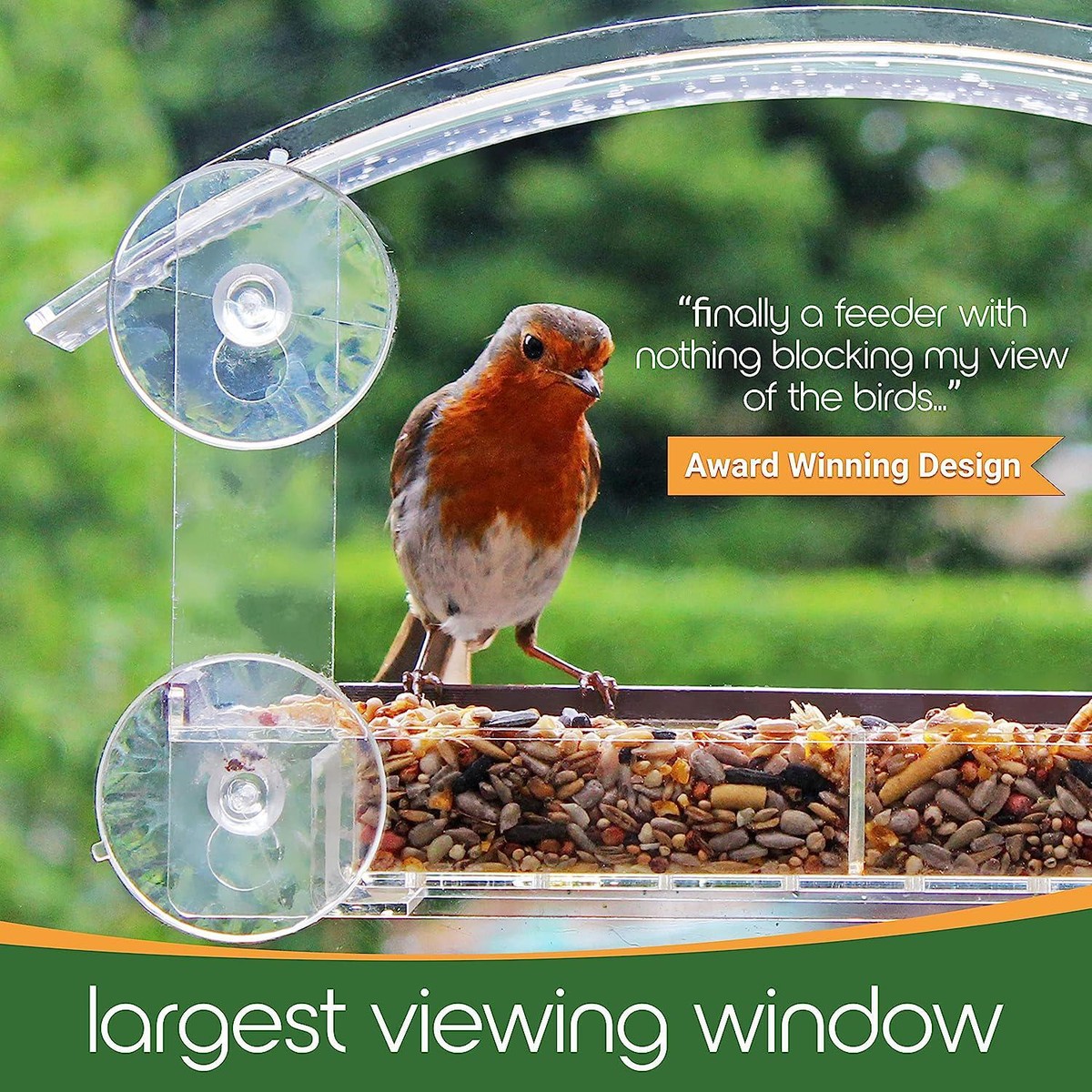
Preventing window collisions is essential to protect birds visiting your feeder. Birds often cannot see clear glass and may fly into it, causing injury or death. Using simple techniques can make windows visible to birds and reduce accidents.
Warning Patterns
Applying warning patterns on windows helps birds recognize glass as a barrier. Patterns break up the reflection and make the window appear solid. Use decals, stickers, or paint dots spaced no more than 2 to 4 inches apart.
- Choose shapes like dots, stripes, or silhouettes.
- Place patterns on the outside surface of the glass.
- Keep the patterns dense enough to be clearly visible.
These visual cues alert birds and prevent high-speed impacts.
Physical Barriers
Physical barriers stop birds from reaching the window directly. Install screens, netting, or external shutters to create a buffer zone. These barriers reduce reflections and break the flight path.
- Use mesh screens with small openings.
- Place netting a few inches away from the glass.
- Use external shutters during peak bird activity times.
Physical barriers also add protection during bad weather and low light.
Credit: www.ebay.ca
Frequently Asked Questions
How Do Birds Spot New Window Feeders?
Birds notice new window feeders by sight and movement. Bright colors and reflections attract their attention quickly. They use their keen eyesight to detect changes in their environment, including new feeding spots near windows.
What Attracts Birds To Window Feeders First?
Birds are attracted by food, bright colors, and motion. Window feeders with seeds and colorful designs draw birds closer. Movement around the feeder also catches their eye, encouraging them to investigate and feed.
Can Birds Recognize Window Feeders As Safe?
Yes, birds learn to recognize feeders as safe over time. Initial caution fades after repeated positive feeding experiences. They use memory and social learning to trust window feeders in their territory.
How Long Does It Take Birds To Find New Feeders?
Birds can find new feeders within hours to days. Their strong vision and curiosity help them explore new food sources quickly. Placement near natural bird activity speeds up discovery.
Conclusion
Birds notice new window feeders by sight and sound. Bright colors and movement catch their attention quickly. They also use their keen sense of smell nearby. Once curious, birds approach slowly to explore. Patience helps birds feel safe around feeders.
Watching them discover new food is a joy. Keep your feeder clean and stocked to attract more birds. This simple act brings nature closer to your home. Enjoy the peaceful moments of bird visits every day.