
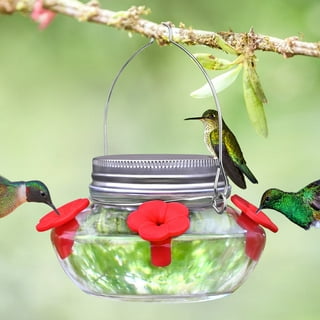
Are you tired of messy hummingbird feeders that spill or attract unwanted insects? Finding the best top filling hummingbird feeder can make a huge difference in keeping your feathered visitors happy and your yard clean.
Imagine a feeder that’s easy to refill, prevents leaks, and draws more hummingbirds right to your garden. You’ll discover exactly what features to look for and which top filling feeders stand out from the rest. Keep reading to find the perfect feeder that fits your needs and brings vibrant life to your outdoor space.
Top Filling Feeders Benefits
Top filling hummingbird feeders offer several advantages over traditional designs. They make feeding your feathered friends simpler and cleaner. These feeders save time and reduce mess. They are a smart choice for anyone who enjoys watching hummingbirds regularly.
Ease Of Refilling
Top filling feeders allow you to refill nectar quickly. Just remove the lid and pour the liquid in. No need to unscrew or detach the entire feeder. This feature saves effort and encourages more frequent refills. It keeps nectar fresh and hummingbirds happy.
Less Spillage
The design of top filling feeders helps prevent spills. Nectar stays inside during refills. It reduces sticky messes on your hands and surfaces. This also protects your plants and outdoor areas from attracting unwanted insects. A neat feeding station means a better experience for you and the birds.
Better Cleaning Access
Cleaning top filling feeders is easier than other types. The wide opening allows thorough washing of all parts. You can remove any mold or residue quickly. Regular cleaning keeps the nectar safe for hummingbirds. It also extends the life of the feeder.

Credit: www.perkypet.com
Key Features To Look For
Choosing the best top filling hummingbird feeder means focusing on features that make your experience easier and more enjoyable. The right feeder saves you time and keeps your hummingbirds healthy and happy. Let’s look at some key features you should consider before buying.
Material Durability
Your feeder needs to withstand sun, rain, and curious wildlife. Look for feeders made from thick, UV-resistant plastic or glass. Glass feeders often last longer and don’t stain as easily, but plastic ones are usually lighter and less likely to break if dropped.
Think about where you’ll hang your feeder. If it’s in a windy spot, a sturdy material can prevent damage. Have you ever had a feeder crack after a storm? Choosing durable material can help you avoid that frustration.
Capacity Size
How often do you want to refill your feeder? Capacity matters because it affects maintenance frequency and nectar freshness. A smaller feeder (8-12 ounces) is easier to clean and refill but may need topping up every few days.
Larger feeders hold more nectar but can lead to quicker spoilage if left too long. Consider how many hummingbirds visit your yard—more birds might mean a bigger feeder is better. What’s your ideal balance between convenience and freshness?
Ant Moat And Bee Guards
Ants and bees can quickly take over a feeder, stopping hummingbirds from feeding. An ant moat creates a water barrier that ants can’t cross, keeping your nectar safe. Some feeders come with built-in moats, which are easier to manage than separate devices.
Bee guards are just as important to prevent bees and wasps from stealing nectar. Look for feeders with small feeding ports or covers that block insects but still let hummingbirds feed comfortably. Have you noticed how aggressive bees can become around feeders? Proper guards can save you a lot of hassle.
Best Top Filling Feeders Of 2025
Top filling hummingbird feeders make feeding simple and quick. These feeders allow you to refill nectar from the top, reducing spills and mess. In 2025, several models stand out for their design, capacity, and ease of use. This guide covers the best top filling feeders for every budget and style.
Premium High Capacity Models
Large feeders hold more nectar and require less frequent refilling. Premium models use durable materials like glass and heavy-duty plastic. They often feature multiple feeding ports to attract more birds at once. These feeders are ideal for serious bird watchers or those with many visiting hummingbirds.
- Extra-large nectar reservoirs for longer use
- Sturdy construction resists weather and damage
- Easy to clean and refill from the top
- Bright colors to attract hummingbirds
Budget-friendly Options
Affordable feeders deliver good quality without a high price tag. These options are perfect for beginners or casual bird lovers. Many use simple plastic designs with easy top filling systems. They are lightweight and portable, making them easy to move around the yard.
- Compact size with effective top filling lids
- Clear plastic for easy nectar level checks
- Simple to assemble and clean
- Colors and shapes that attract hummingbirds
Innovative Designs
New feeders include unique features to improve feeding and maintenance. Some models have built-in ant moats or bee guards. Others use smart designs to reduce nectar waste and keep it fresh longer. These feeders combine function with style to enhance your hummingbird watching experience.
- Integrated pest control features
- Leak-proof and spill-resistant tops
- Creative shapes that blend with garden decor
- Easy refill systems with minimal mess

Credit: www.canadiantire.ca
How To Choose The Right Feeder
Choosing the right top filling hummingbird feeder can make a big difference in how many hummingbirds visit your garden. The right feeder not only attracts more birds but also makes your life easier with less frequent refilling and cleaning. Let’s look at key factors to consider so you can pick a feeder that fits your needs and environment perfectly.
Considering Your Location
Your feeder’s location affects the type you should choose. If your garden gets a lot of wind, a sturdy feeder with a secure hanging mechanism is essential. In shady areas, look for feeders with bright colors to catch hummingbirds’ attention since flowers may be less visible there.
Think about the distance from your house too. A feeder close to your window means you can enjoy watching hummingbirds up close, but it also means you’ll want a design that’s easy to refill without much hassle. How much space do you have? Some feeders are compact, while others need room to hang and avoid bumping into plants.
Feeder Maintenance Needs
Top filling feeders are popular because they simplify refilling, but maintenance varies between models. Choose a feeder with parts that come apart easily for thorough cleaning—this prevents mold and bacteria that can harm hummingbirds.
Consider feeders made from materials resistant to cracking or fading, especially if you live in a hot climate. If you dread cleaning, look for ones with wide openings to reach all corners. What’s your tolerance for upkeep? A feeder that’s easy to clean will encourage you to maintain it regularly, keeping your hummingbirds healthy.
Attracting More Hummingbirds
Not all feeders attract hummingbirds equally. Bright red accents are a proven draw since hummingbirds are naturally attracted to this color. Some feeders include built-in perches, which can invite longer visits, especially from larger hummingbirds.
Look for feeders with multiple feeding ports if you want to accommodate more birds at once. Think about your goal: Do you want to attract a few hummingbirds for peaceful watching, or create a bustling hummingbird hotspot? Your choice affects the feeder style and features you should prioritize.
Tips To Keep Feeders Clean
Keeping your top filling hummingbird feeder clean is crucial for the health of the birds and the longevity of your feeder. Dirty feeders can quickly become breeding grounds for mold and bacteria, which can harm hummingbirds. Here are practical tips to help you maintain a spotless feeder that attracts these beautiful visitors safely.
Regular Cleaning Schedule
Set a routine to clean your feeder at least once a week, or more often in hot weather. Nectar can ferment quickly, especially when temperatures rise, so frequent cleaning prevents spoiled sugar water.
Empty the feeder, rinse it thoroughly, and scrub all parts gently. Keeping a schedule ensures you never miss a cleaning day and your feeder stays inviting.
Safe Cleaning Solutions
Use a mix of warm water and mild dish soap to wash your feeder. Avoid harsh chemicals that might leave residues harmful to birds.
For tougher stains, a solution of one part white vinegar to four parts water works well. Rinse thoroughly afterward to remove any traces of vinegar before refilling.
Preventing Mold And Bacteria
Mold and bacteria thrive in stagnant nectar. To stop their growth, change the nectar every two to three days, especially in warm weather.
Keep your feeder out of direct sunlight when possible, as heat speeds up fermentation. Have you noticed your feeder getting cloudy faster on hot days? That’s a sign to clean and refill more often.

Credit: www.amazon.ca
Feeding Tips For Hummingbirds
Feeding hummingbirds correctly helps keep them healthy and happy. Knowing how to make and offer nectar properly attracts more birds. Simple steps ensure your feeder stays clean and safe. Here are some tips to feed hummingbirds the best way.
Making The Best Nectar
Use plain white sugar and water only. Mix 1 part sugar with 4 parts water. Boil water first, then stir in sugar until it dissolves. Let it cool before filling the feeder. Avoid honey, artificial sweeteners, or red dye. These can harm hummingbirds or attract insects.
Ideal Feeding Times
Feed hummingbirds early in the morning and late afternoon. These times match their natural feeding habits. Replace nectar every 2 to 3 days. In hot weather, change it more often to prevent fermentation. Clean the feeder thoroughly during each refill.
Avoiding Harmful Additives
Keep nectar simple and natural. Avoid adding red dye or other colors. These chemicals can be toxic. Do not use honey or artificial sweeteners. They can cause mold or harm birds’ digestive systems. Clean feeders regularly with hot water and no soap.
Frequently Asked Questions
What Features Make A Hummingbird Feeder The Best?
The best hummingbird feeders have easy top-fill designs and are leak-proof. Look for feeders with wide mouths for quick cleaning. Red color accents attract hummingbirds efficiently. Durable materials like glass or high-quality plastic ensure long-lasting use. Perches for hummingbirds add comfort while feeding, enhancing their experience.
How Do I Clean A Top Filling Hummingbird Feeder?
To clean, disassemble the feeder and wash each part with warm, soapy water. Use a brush for hard-to-reach areas. Rinse thoroughly to remove soap residues. Regular cleaning, at least once a week, prevents mold and bacteria growth, ensuring a safe feeding environment for hummingbirds.
Why Choose A Top Filling Feeder Over Others?
Top filling feeders are user-friendly and reduce spillage during refills. They allow quick and mess-free nectar replenishment. Their design makes cleaning easier compared to bottom-filled models. These features promote a healthier feeding environment, attracting more hummingbirds to your garden.
How Often Should I Refill My Hummingbird Feeder?
Refill your hummingbird feeder every 2 to 3 days, especially in hot weather. Fresh nectar prevents mold and fermentation. Regular refilling ensures a constant food supply for visiting hummingbirds, keeping them healthy and encouraging frequent visits to your feeder.
Conclusion
Choosing the best top filling hummingbird feeder helps keep birds happy. It makes refilling quick and less messy. You get to enjoy watching hummingbirds more often. Clean feeders attract more birds and keep them safe. Pick a feeder that suits your needs and budget.
Remember, simple care brings the best results. Happy bird watching!