
Have you ever wondered if any birds feed their babies milk? It sounds strange because we usually think only mammals do that.
But nature is full of surprises. Some birds have a unique way of nourishing their chicks that might just amaze you. If you want to learn which birds feed their babies milk and why this unusual behavior exists, keep reading.
You’ll discover fascinating facts that will change how you see the bird world forever.
Credit: www.snopes.com
Birds That Produce Milk
Not all birds feed their babies the way mammals do, but some have a fascinating way of producing a type of milk to nourish their young. This bird milk is quite different from mammalian milk but serves a similar purpose: providing essential nutrients during the early stages of life. Understanding which birds produce this milk can change the way you see parenting in the animal kingdom.
Pigeons And Doves
Pigeons and doves produce a special secretion known as “crop milk.” This nutrient-rich substance comes from the lining of their crop, a part of their digestive system. Both male and female pigeons can produce crop milk, and they feed it to their chicks for the first few days after hatching.
Crop milk is packed with fats, proteins, and immune-boosting elements. Have you ever noticed how quickly pigeon chicks grow? That rapid growth is thanks to this unique food source. If you watch closely, you’ll see parent pigeons regurgitate this milk directly into their baby’s mouths.
Flamingos
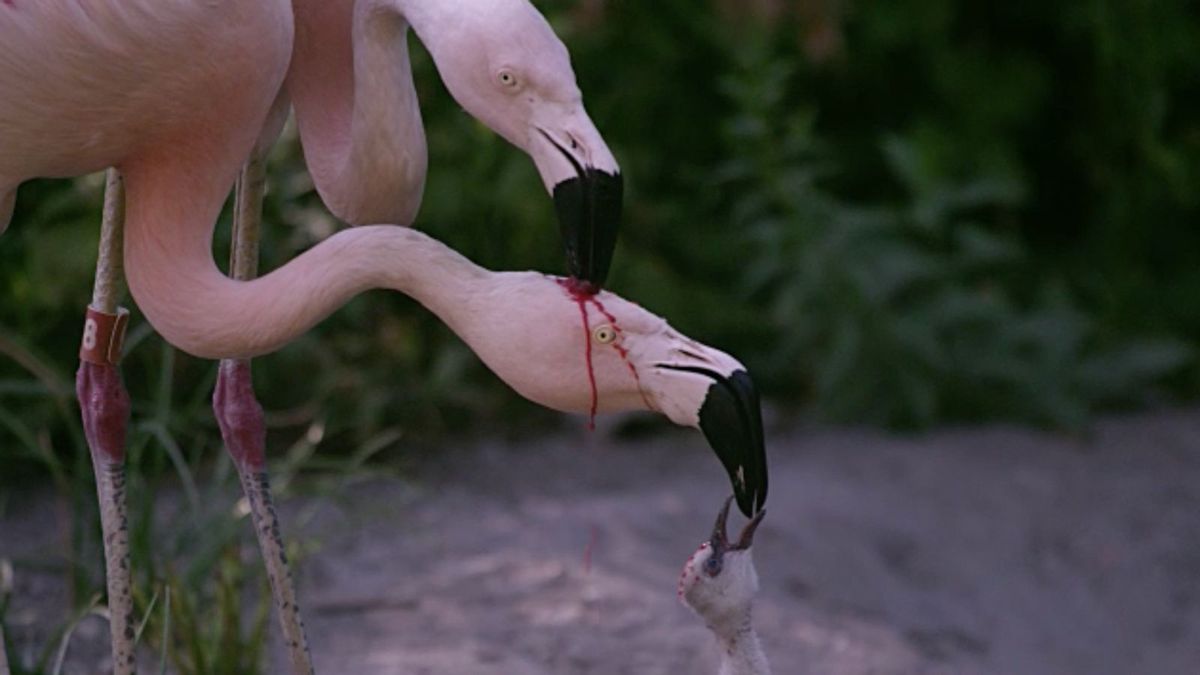
Flamingos also produce a form of crop milk to feed their hatchlings. Interestingly, both parents contribute to this feeding process, taking turns to produce and share the milk. The color of flamingo crop milk is often reddish due to pigments found in their diet.
This milk contains important nutrients that help the chicks develop strong bones and feathers. Next time you visit a zoo or a bird sanctuary, try spotting flamingo parents feeding their young. It’s a rare and remarkable behavior that’s easy to miss.
Male Emperor Penguins
Male emperor penguins offer one of the most surprising examples of birds producing milk-like substances. After the female lays the egg, the male incubates it for about two months without eating. During this time, he produces a secretion from his esophagus, sometimes called “penguin milk,” to feed the chick once it hatches.
This thick, nutritious liquid helps the chick survive harsh Antarctic conditions while the mother is away hunting. Can you imagine the dedication of these fathers, sacrificing their own nutrition to keep their babies alive? Their effort shows how diverse and amazing bird parenting strategies can be.
How Birds Make Milk
Birds producing milk might sound surprising, but certain species do feed their young with a special substance called crop milk. Unlike mammalian milk, this “milk” is made in a unique way inside the bird’s body. Understanding how birds make milk can change the way you think about nature’s diversity and adaptability.
Crop Milk Production
Crop milk is produced in the crop, a pouch-like part of a bird’s throat. Both male and female birds can produce it, which is quite unusual compared to mammals. The lining of the crop thickens and sheds cells, creating a nutrient-rich substance that parents regurgitate to feed their chicks.
Did you know pigeons are famous for this? They produce crop milk to nourish their squabs during the first week after hatching. This process requires a hormone called prolactin, the same hormone that stimulates milk production in mammals.
Nutritional Composition
Crop milk is packed with proteins, fats, and immune-boosting cells. It doesn’t contain lactose like mammalian milk but provides essential nutrients that help chicks grow fast and fight off infections. This substance is thick and creamy, making it easy for baby birds to digest.
- Proteins:Support rapid growth and tissue repair
- Fats:Provide energy for developing chicks
- Immune cells:Protect young birds from diseases
Have you ever thought about how this compares to the milk you might give a baby? Crop milk is specially tailored for birds, showing how nature customizes care for different species.
Differences From Mammalian Milk
Unlike mammalian milk, crop milk doesn’t come from mammary glands but from a modified part of the digestive system. It lacks sugar lactose, which is common in mammal milk, and instead is rich in certain proteins and fats unique to birds. Also, both parents can produce it, which isn’t common in mammals.
Another difference is how it’s delivered. Bird parents regurgitate crop milk directly into their chicks’ mouths, while mammals nurse directly from teats. This method suits birds’ anatomy and feeding habits perfectly.
Thinking about these differences, what does it tell you about the ways animals adapt to care for their young? It’s a reminder that nature finds varied solutions to similar problems.
Feeding Behavior And Parental Care
Feeding behavior and parental care among birds that feed their babies milk show fascinating adaptations that help their chicks grow strong. Unlike most birds that feed their young with regurgitated insects or seeds, these species have developed unique strategies. Understanding how they feed and care for their chicks reveals a deeper connection between parent and offspring that you might not expect.
Feeding Frequency And Methods
Birds that feed their babies milk do so frequently throughout the day to keep their chicks well-nourished. This “milk” isn’t like mammalian milk but a nutrient-rich secretion from the lining of the parent’s crop or esophagus. The feeding sessions are often short but repeated many times, ensuring a steady supply of nutrients.
For example, pigeons produce “crop milk,” which they feed their squabs multiple times a day by regurgitating it directly into their open mouths. This method guarantees immediate nourishment and hydration. Have you ever noticed how patient these parents are during feeding? It shows how vital frequent feeding is for the chick’s survival.
Role Of Both Parents
In many species that feed their babies milk, both the mother and father participate actively in feeding and caring for their young. This shared responsibility increases the chances of chick survival and allows parents to take turns foraging and protecting the nest.
Take pigeons again as an example: both parents produce crop milk and feed the chicks equally. This cooperation reduces stress on any one parent and helps maintain a constant food supply. Can you imagine how much energy this teamwork saves for the parents?
Impact On Chick Development
The milk-like secretion provides essential proteins, fats, and antibodies that are critical for the chick’s growth and immune system. Chicks receiving this specialized nutrition tend to develop faster and have higher survival rates compared to those fed only regurgitated food.
Studies show that without this milk, many chicks struggle to gain weight or resist diseases early on. Have you ever wondered why some baby birds look so plump and healthy compared to others? This targeted feeding strategy plays a big role in shaping their early development and long-term health.

Credit: www.discovermagazine.com
Evolutionary Advantages
Understanding why some birds feed their babies milk opens a window into nature’s clever survival strategies. This unique behavior is more than just feeding; it’s an evolutionary tool that boosts the chances of chick survival in challenging environments. Let’s look closely at the benefits that come from this fascinating adaptation.
Survival Benefits For Chicks
Feeding milk to chicks provides immediate nourishment that is rich in fats, proteins, and antibodies. This helps chicks grow strong and resist diseases during their most vulnerable early days. If you’ve ever watched pigeons feeding their squabs with crop milk, you’ll notice how quickly these chicks develop compared to others relying solely on regurgitated seeds or insects.
This milk is easier to digest than solid food, which is crucial when chicks’ digestive systems are still immature. It also keeps the chicks hydrated, reducing the risk of dehydration in dry or hot climates. Can you imagine how much easier it is for a chick to thrive with a ready supply of complete nutrition?
Adaptations To Environment
Bird species that produce milk often live in environments where food sources can be unpredictable. Feeding milk allows parents to provide a consistent food source regardless of external conditions. This is especially important in urban settings or areas with seasonal food shortages.
For example, pigeons and doves have adapted to city life by relying on crop milk, which ensures their chicks get enough nutrition even when typical food is scarce. This kind of adaptation shows how evolution shapes behaviors that match environmental challenges, helping species survive in places you might not expect.
Comparison With Other Bird Species
Most birds feed their young regurgitated insects, seeds, or worms. However, only a few, like pigeons, doves, and flamingos, produce milk. This sets them apart and gives their chicks a unique growth advantage.
| Bird Species | Feeding Method | Benefits |
|---|---|---|
| Pigeons and Doves | Crop milk | High in nutrients, easy to digest, boosts immunity |
| Flamingos | Crop milk | Supports rapid growth in harsh wetland environments |
| Most Songbirds | Regurgitated insects or seeds | Varied diet but less consistent in nutrient density |
Understanding these differences can change how you see bird parenting. What if you could apply this idea of nutrient-rich, easily digestible food to other areas of life? Nature’s strategies often offer practical lessons.
Scientific Studies And Discoveries
Scientific studies have shed light on the unique ways some bird species feed their young with milk-like substances. These discoveries challenge common assumptions about bird nutrition and parenting. Understanding this phenomenon can change how you view avian care and evolution.
Research On Crop Milk
Crop milk is a secretion from the lining of the crop in certain birds, such as pigeons and flamingos. Scientists have analyzed its composition and found it rich in proteins and fats, essential for chick growth. Unlike mammalian milk, crop milk contains immune-boosting cells, offering protection to the vulnerable chicks.
Studies using microscopes revealed that crop milk is produced by both male and female birds. This shared responsibility in feeding young highlights the evolutionary advantage of cooperative parenting. Have you ever noticed both parent pigeons feeding their squabs? This behavior is now better understood thanks to these findings.
Insights From Bird Behavior
Observing bird behavior in the wild has confirmed that feeding with crop milk occurs during the first week after hatching. After this period, parents gradually introduce regurgitated seeds or insects. This gradual shift ensures chicks receive optimal nutrition at different growth stages.
Behavioral studies also show that birds producing crop milk tend to live in environments where quick nourishment is crucial. This makes you wonder: how does the environment shape such unique feeding strategies? These insights help in designing better conservation efforts for these species.
Future Research Directions
Scientists aim to explore how crop milk production is triggered at the hormonal level. Understanding these mechanisms could reveal new aspects of avian biology and immune function. This knowledge might even inspire innovations in nutrition science.
Another promising area is studying crop milk in less-known bird species to see if similar feeding methods exist elsewhere. What if more birds use milk-like secretions than we currently know? Your curiosity could spark the next big discovery in bird science.

Credit: besgroup.org
Frequently Asked Questions
What Birds Feed Their Babies Milk?
Pigeons, doves, and flamingos feed their babies a substance called “crop milk. ” This milk is rich in nutrients and produced in the parents’ crop to nourish their chicks.
How Is Bird Milk Different From Mammal Milk?
Bird milk is a secretion from the crop, not mammary glands. It contains protein and fat but lacks lactose, making it unique to certain bird species.
Why Do Only Some Birds Produce Milk?
Only birds like pigeons and flamingos produce crop milk. This adaptation helps feed their young when they cannot digest solid food immediately.
How Long Do Birds Feed Their Chicks Milk?
Parents feed crop milk for the first few days after hatching. Afterward, they gradually introduce solid food as the chicks grow.
Conclusion
Only a few bird species feed their babies milk. Pigeons and doves create a special milk in their crops. This milk helps baby birds grow strong and healthy. Most birds feed their young with insects, seeds, or regurgitated food. Milk feeding is rare but fascinating in the bird world.
Understanding this helps us learn more about bird care. Nature always finds unique ways to nurture life. Birds’ feeding habits show amazing diversity and adaptation. Keep exploring to discover more about birds and their behaviors.