
Have you ever wondered if feeding birds all year long is really a good idea? You might think that keeping your feeders full through every season is a kind way to help your feathered friends.
But is it actually helpful, or could it do more harm than good? Understanding when and how to feed birds can make a big difference—not just for the birds, but for your backyard too. Keep reading to discover the surprising facts that will help you decide the best way to support your local wildlife all year round.
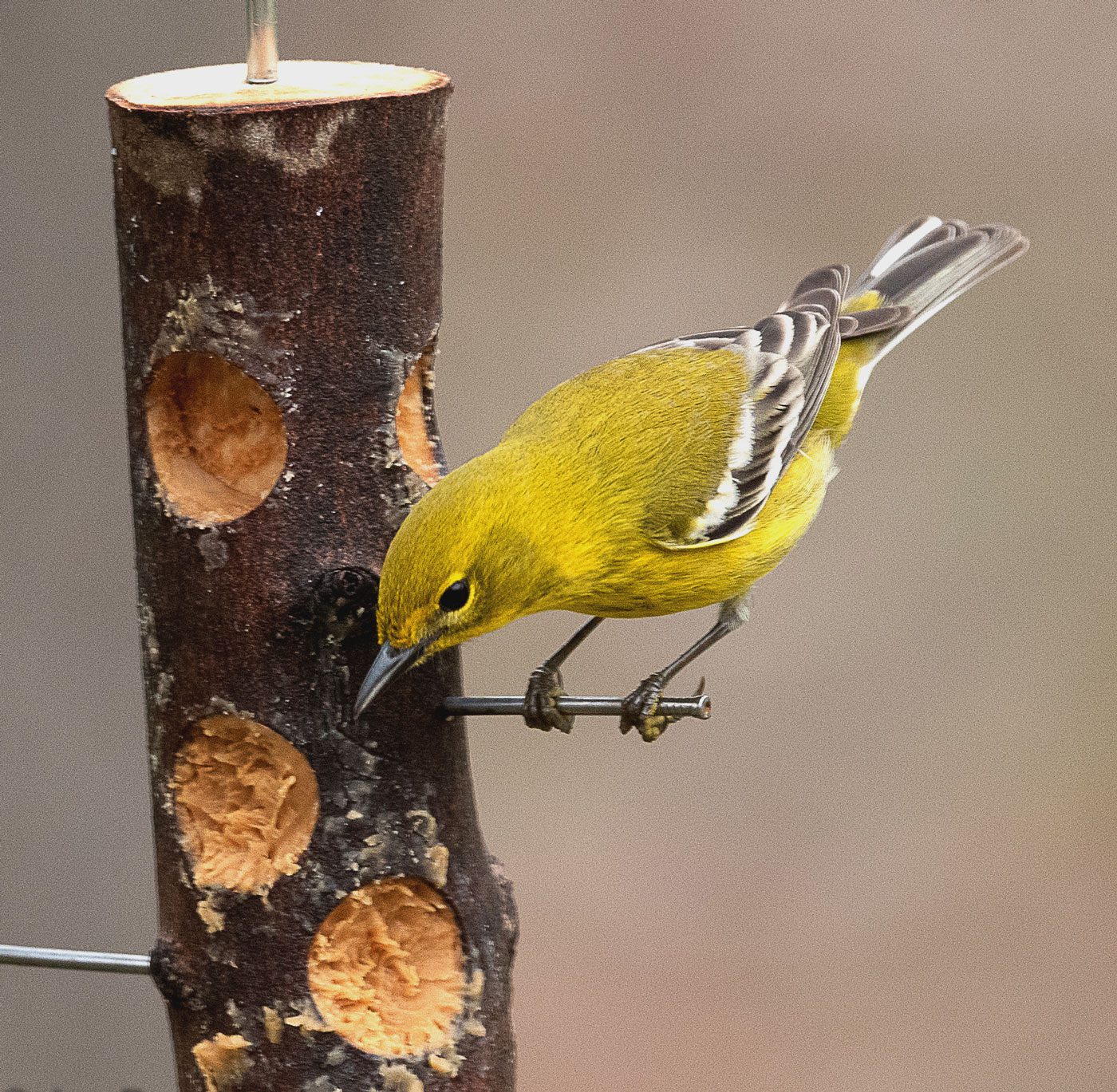
Credit: www.allaboutbirds.org
Benefits Of Year-round Feeding
Feeding birds year-round offers more than just a chance to enjoy their presence. It supports their survival through tough seasons and helps maintain a thriving local ecosystem. Let’s look at how consistent feeding benefits the birds and your backyard environment.
Supporting Bird Health
Birds need reliable food sources, especially during extreme weather or when natural supplies run low. Providing food throughout the year helps them maintain energy and stay healthy. You might notice fewer sick or weak birds around your feeders when you feed consistently.
Think about winter—many birds struggle to find enough food. Your feeder becomes a lifeline that can prevent starvation. Even in summer, birds need extra calories when raising chicks or molting feathers.
Encouraging Local Wildlife
Feeding birds all year can attract a variety of wildlife beyond just songbirds. Squirrels, chipmunks, and even butterflies may visit your garden more often. This creates a lively, dynamic outdoor space that offers daily surprises.
However, you should be mindful of attracting unwanted animals. Using specific feeders or food types can help you control which species benefit. Have you noticed how certain seeds attract particular birds? Tailoring your feeding can encourage the wildlife you want to see.
Enhancing Backyard Biodiversity
Regular feeding supports a diverse group of bird species in your area. Different birds prefer different foods, so varying what you offer can increase the number of visitors. This diversity makes your backyard a small but important ecosystem.
Adding plants that provide natural food alongside feeders creates a balanced habitat. Over time, this can lead to more nesting birds and natural pest control. What if your garden became a sanctuary for local wildlife year-round?
Potential Drawbacks
Feeding birds year-round may seem kind, but it carries some risks. Understanding these drawbacks helps maintain a healthy balance for birds and your environment. Feeding birds without pause can affect their habits and the local ecosystem.
Dependency On Feeders
Birds can start relying on feeders instead of finding natural food. This dependency may reduce their survival skills in tough seasons. They might struggle if the feeder suddenly stops or runs out of food. Natural instincts to search for food can weaken.
Attracting Unwanted Pests
Feeders can attract pests like rats, mice, and insects. These pests carry diseases that harm birds and humans. Leftover seeds and spills create a perfect home for pests. Keeping feeders clean and monitoring pests is important to avoid problems.
Impact On Natural Foraging
Feeding birds all year may disrupt their natural foraging patterns. Birds might skip searching for food in nature, which affects local plants and insects. This change can upset the balance of the ecosystem around your home. Birds need to forage naturally to stay healthy and strong.
Seasonal Feeding Tips
Feeding birds throughout the year can be rewarding, but adjusting your approach with the seasons makes a big difference. Birds’ needs change as temperatures shift and food sources vary. Tailoring your feeding habits helps support local wildlife more effectively and keeps your backyard visitors healthy and happy.
Winter Feeding Strategies
Winter is the hardest time for birds to find food. Cold weather burns their energy quickly, so high-fat foods like suet, peanuts, and sunflower seeds are lifesavers.
Keep feeders clean and filled regularly. I once noticed how quickly the birds returned after I added a heated birdbath, showing how much they appreciate extra warmth and water in freezing temps.
Place feeders near shelter like evergreens to help birds hide from predators and harsh winds.
Spring And Summer Considerations
In warmer months, birds eat more insects and fresh fruits. You can add mealworms or chopped fruit to your feeders to mimic their natural diet.
Don’t forget fresh water—birds need it for drinking and bathing, especially as temperatures rise. A shallow birdbath with a gentle drip attracts more visitors than a stagnant pool.
Think about reducing seed amounts gradually as natural food becomes abundant. Overfeeding can discourage birds from foraging naturally.
Fall Preparation For Birds
Fall is a critical time to help birds build fat reserves for migration or winter survival. Offer high-energy foods like nyjer seeds and sunflower seeds to fuel their journey or upcoming cold months.
Clean feeders to prevent mold and disease as humidity levels change. I learned this the hard way when a friend’s feeder spread illness among her local birds.
Consider planting native berry-producing shrubs nearby. They provide natural, nutritious snacks and add beauty to your yard.
Choosing The Right Food
Choosing the right food for birds is essential for their health and happiness. Different birds prefer different types of food. Offering varied options helps attract many species to your garden. It also supports their nutritional needs throughout the year.
Seeds And Grains
Seeds and grains form the base of many birds’ diets. Sunflower seeds are a favorite among most garden birds. They provide high energy and healthy fats. Millet and cracked corn are good for ground-feeding birds. Black oil sunflower seeds attract finches, chickadees, and nuthatches. Mix several seeds to appeal to more bird types.
Fruits And Suet
Fruits offer natural sugars and vitamins birds need. Apples, berries, and grapes are popular choices. Offer fresh or dried fruits without added sugar. Suet is a high-energy food made from animal fat. Birds like woodpeckers, nuthatches, and wrens enjoy suet. It helps them stay warm during cold months. Use suet cages to keep it clean and safe.
Avoiding Harmful Foods
Some foods can harm birds and should never be fed. Avoid bread, as it lacks nutrients and causes health issues. Do not give birds salty, sugary, or processed foods. Chocolate and avocado are toxic to many bird species. Always offer fresh, natural foods to keep birds healthy and safe.
Feeder Maintenance And Hygiene
Keeping your bird feeders clean and hygienic is just as important as feeding the birds. Dirty feeders can quickly become a hotspot for germs and pests, which can harm the very birds you want to help. Paying attention to feeder maintenance will keep your feathered visitors healthy and coming back for more.
Cleaning Frequency
How often you clean your feeders depends on several factors like weather and bird activity. In warm or wet weather, clean feeders at least once a week to prevent mold and bacteria buildup. During colder months or less frequent use, cleaning every two weeks may be enough.
My own experience showed that skipping cleaning for just a couple of weeks led to clumps of wet seed and a noticeable drop in bird visits. Regular cleaning keeps seed fresh and birds healthy, which encourages them to stay around your yard.
Preventing Disease Spread
Birds gather at feeders, and without proper hygiene, diseases can spread fast. Use a solution of one part white vinegar to four parts water or a mild bleach solution (one part bleach to nine parts water) to disinfect your feeders. Rinse thoroughly and let them dry completely before refilling.
Always wear gloves while cleaning to avoid contaminating yourself or other surfaces. Dispose of old or moldy seed immediately; it’s an easy way diseases sneak into your feeding area.
Safe Feeder Placement
Where you place your feeder can impact both bird safety and cleanliness. Position feeders away from high-traffic areas to reduce contamination from pets or rodents. Placing feeders near natural cover like shrubs or trees offers birds quick escape routes from predators.
Think about drainage too—avoid spots where water collects beneath feeders, as this can create muddy areas that attract unwanted pests and promote disease. A clean, well-placed feeder is not just inviting for birds but also easier for you to maintain.
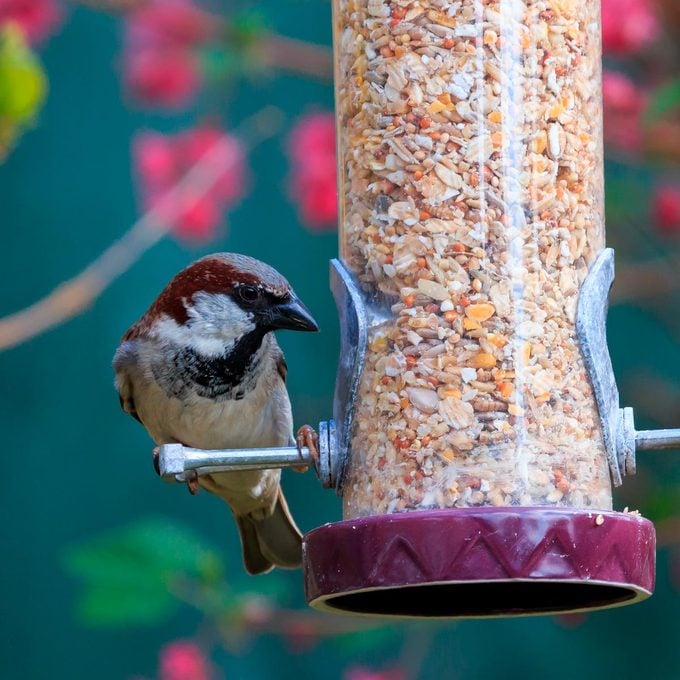
Credit: www.familyhandyman.com
Supporting Migratory Vs. Resident Birds
Supporting birds throughout the year means understanding their different needs. Migratory birds travel long distances and need energy to complete their journeys. Resident birds stay in one area all year and require consistent food sources. Feeding both types helps maintain healthy bird populations and brings nature closer to home.
Feeding Migratory Species
Migratory birds depend on food during their long travels. They need high-energy foods like seeds, nuts, and suet. These foods give them strength to fly thousands of miles. Offer food in early spring and late fall when migration happens. Clean feeders often to prevent disease. Providing fresh water helps birds stay hydrated.
Catering To Year-round Residents
Resident birds rely on steady food all year. They need a variety of seeds, fruits, and insects. Change food types with the seasons to match their natural diet. In winter, offer high-fat foods to help birds keep warm. In spring and summer, provide fresh fruits and mealworms. Keep feeders full to support their daily needs.

Credit: www.allaboutbirds.org
Frequently Asked Questions
Should I Feed Birds Throughout The Entire Year?
Feeding birds year-round supports their survival during harsh seasons. It also encourages regular visits. However, adjust food types seasonally to meet birds’ changing nutritional needs.
What Are The Benefits Of Feeding Birds All Year?
Year-round feeding helps birds maintain energy, especially in winter. It also supports breeding and molting seasons. Consistent feeding attracts diverse bird species to your yard.
Can Feeding Birds Year-round Harm Them?
Feeding birds all year is safe if done properly. Avoid moldy or spoiled food. Clean feeders regularly to prevent disease and maintain bird health.
What Foods Are Best For Birds In Different Seasons?
In winter, offer high-fat seeds like sunflower or suet. Spring and summer call for fruits, nectar, and insects. Adjust feed types to support birds’ seasonal diets.
Conclusion
Feeding birds all year can help them survive tough times. But it also needs care and thought. Change food types with seasons for best results. Avoid feeding during breeding to encourage natural habits. Keep feeders clean to stop diseases from spreading.
Watch birds closely to see what they need. Enjoy the birds and nature around your home. Helping birds is a small act with big rewards.