
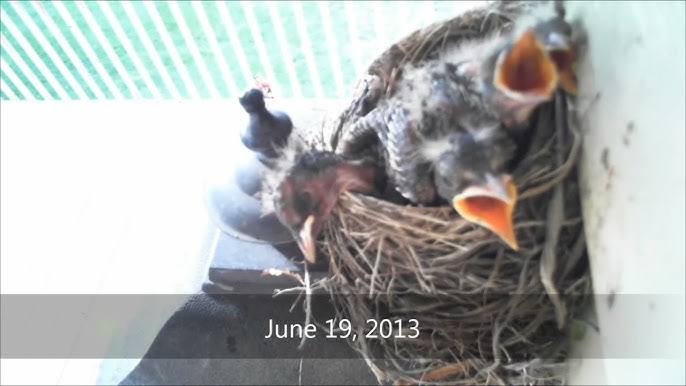
Have you ever found a tiny baby bird that looks hungry and helpless? You want to help, but you’re not sure what to feed it.
Giving the right food is crucial for your little feathered friend’s survival and growth. Feeding baby birds the wrong thing can do more harm than good. You’ll discover exactly what to feed baby birds to keep them healthy and strong.
Keep reading, and you’ll learn simple tips that can make a big difference for these fragile creatures.

Credit: www.amazon.com
Types Of Baby Birds
Baby birds vary greatly depending on their species. Knowing their type helps in feeding them correctly. Different baby birds have different needs for survival and growth.
Altricial Vs Precocial Species
Altricial birds hatch blind, featherless, and helpless. They rely fully on their parents for food and warmth. These birds need soft, easily digestible food. Examples include robins and sparrows.
Precocial birds hatch with open eyes and down feathers. They move around soon after hatching. These birds can eat a wider variety of foods, including seeds and insects. Examples include ducks and quail.
Common Baby Bird Species
- Robins:Altricial, need insects and worms.
- Sparrows:Altricial, require soft insects and seeds.
- Ducks:Precocial, eat seeds, insects, and small plants.
- Quail:Precocial, eat seeds and insects.
- Finches:Altricial, need soft seeds and insects.

Credit: www.discovermagazine.com
Signs A Baby Bird Needs Feeding
Knowing the signs that a baby bird needs feeding is crucial if you want to help it survive. Baby birds can’t wait long between meals, and missing a feeding could be fatal. Recognizing these signs early allows you to act quickly and provide the care they desperately need.
When To Intervene
Not every baby bird you see requires your help. Sometimes, parents are nearby and will return soon. However, if you notice a baby bird is alone for more than an hour during daylight or appears weak and cold, it might be time to step in.
Hungry baby birds often open their mouths wide and call out loudly. If you find a nestling that’s silent, shivering, or lethargic, don’t ignore it. These signs suggest it needs feeding immediately.
Identifying Orphaned Or Injured Birds
Spotting an orphaned or injured baby bird isn’t always straightforward. Look for wounds, missing feathers, or unusual behavior like constant trembling. Birds that are bleeding or unable to move properly need urgent care.
If the parents are nowhere in sight after several hours, the baby might be orphaned. Watch from a distance before intervening; sometimes parent birds are shy and won’t approach with humans nearby. But if the baby looks thin, weak, or has dirt and droppings stuck to its feathers, these are red flags signaling it’s not being fed properly.
Suitable Foods For Baby Birds
Feeding baby birds requires careful attention to what they can safely digest and what will help them grow strong. Knowing what foods suit their delicate systems can make a big difference in their survival and development. Let’s look closely at what you should offer to these tiny creatures in your care.
Natural Diet Components
Baby birds typically eat a diet rich in protein and moisture. Wild baby birds mostly consume insects, worms, and soft fruits. These foods provide essential nutrients that support their rapid growth.
If you find a baby bird, try to mimic its natural diet by offering small, soft insects like mealworms or finely chopped earthworms. Soft fruits like mashed berries or pieces of ripe melon can also be helpful but should never be the main food source.
Safe Homemade Food Options
You can prepare safe homemade meals that closely resemble what baby birds eat in the wild. A simple recipe includes mixing boiled egg yolk with a bit of water to create a soft, protein-rich paste.
Another option is blending soaked dog kibble or cat food with water to form a mushy consistency. This mixture provides proteins and fats but avoid flavored or heavily processed pet foods.
- Boiled egg yolk, mashed finely
- Soaked and mashed plain dog or cat kibble
- Soft fruits like mashed bananas or berries in small amounts
- Small insects such as mealworms
Avoiding Harmful Foods
Not all foods are safe for baby birds. Avoid feeding them bread, milk, or seeds meant for adult birds. These can cause digestive problems or malnutrition.
Also, never give baby birds honey or anything sticky, as it can harm their delicate digestive tract. Salty, sugary, or processed human foods are a strict no-go.
Have you ever wondered why some well-meaning foods can actually harm baby birds? It’s because their digestive systems are very different from ours and require specific nutrients to thrive.

Credit: swibirds.org
Feeding Techniques And Tips
Feeding baby birds requires careful attention and gentle techniques. Proper care helps them grow strong and healthy. Understanding the right feeding frequency, tools, and hygiene practices can make a big difference in their development.
Proper Feeding Frequency
Baby birds need feeding often. Young chicks usually require food every 15 to 20 minutes during daylight hours. As they grow, feeding times spread out to every 30 to 60 minutes. Overfeeding or underfeeding can harm their health. Watch for signs like begging or refusing food to adjust feeding times.
Using Feeding Tools
Use small tools for safe feeding. A soft-tipped syringe or tweezers work well to deliver food gently. Avoid using sharp or hard objects that can hurt the bird’s mouth. Feeding with fingers is possible but can be risky if not done carefully. Always feed slowly to prevent choking and stress.
Maintaining Hygiene
Cleanliness is key to prevent infections. Wash hands before and after feeding. Sterilize feeding tools after every use. Remove any leftover food from the feeding area promptly. Keep the bird’s nest or enclosure clean and dry. Good hygiene supports the baby bird’s immune system and overall health.
Caring For Baby Birds Beyond Feeding
Caring for baby birds goes beyond just feeding them. Their survival depends on warmth, shelter, and health monitoring. These factors help baby birds grow strong and safe. Understanding these needs is key to proper care.
Warmth And Shelter Needs
Baby birds cannot regulate their body temperature well. They need a warm and cozy environment. Use soft cloths or towels in a small box for shelter. Keep the box away from drafts and direct sunlight. Maintain a temperature around 85°F (29°C) for the first week. Gradually lower the temperature as the bird grows. Proper warmth prevents stress and illness.
Monitoring Health And Growth
Check the baby bird daily for signs of health. Look for alertness, steady breathing, and smooth feathers. Track its weight to ensure proper growth. Use a small scale for accuracy. Note any changes in behavior or appearance. Healthy baby birds gain weight steadily and stay active. Early detection of problems helps in timely care.
When To Seek Professional Help
Some situations require expert attention. Contact a wildlife rehabilitator if the bird is injured or weak. Persistent lethargy or refusal to eat are warning signs. Also seek help for unusual breathing or visible wounds. Professionals have tools and knowledge to provide proper care. Quick action can save the baby bird’s life.
Releasing Baby Birds Back To The Wild
Releasing baby birds back to the wild is a delicate process. It ensures the birds can survive on their own. Careful preparation helps them adjust to nature outside your care. Knowing when they are ready is essential for their safety. Post-release steps support their transition into the wild.
Preparing For Release
Create a safe, natural environment similar to their wild habitat. Use a spacious cage or outdoor aviary. Offer natural foods like insects, seeds, and berries. Gradually reduce human contact to encourage independence. Introduce them to natural weather and sounds. This builds their strength and survival skills.
Signs Of Readiness
- Strong wing muscles and good flight ability.
- Ability to find and eat natural food.
- Fear of humans, showing natural caution.
- Healthy weight and clean feathers.
- Good coordination and alertness.
These signs indicate the bird can survive alone.
Post-release Considerations
Monitor the area quietly from a distance. Avoid disturbing the birds or their habitat. Provide water sources nearby if possible. Be patient; some birds take time to adapt. Do not attempt to recapture healthy birds. Contact a wildlife expert if you see signs of distress.
Frequently Asked Questions
What Is The Best Food For Feeding Baby Birds?
The best food for baby birds is a high-protein diet. Offer soaked dog or cat kibble, mealworms, or specially formulated bird food. Avoid bread or milk, as they can harm the birds. Always provide fresh, clean water alongside their food.
How Often Should I Feed Baby Birds Daily?
Feed baby birds every 15 to 20 minutes from dawn until dusk. Young birds need frequent feeding to support rapid growth. As they mature, gradually reduce feeding frequency. Consistency is key to their health and development.
Can I Feed Bread Or Milk To Baby Birds?
No, never feed bread or milk to baby birds. Bread lacks essential nutrients and can cause malnutrition. Milk can upset their digestive system as birds are lactose intolerant. Stick to protein-rich and natural food options for their safety.
How Do I Prepare Food For Orphaned Baby Birds?
Mash soaked kibble or soft insects into a smooth paste for easy feeding. Use a small syringe or dropper to feed gently. Keep the food warm but not hot. Proper preparation ensures the baby birds can digest the food easily.
Conclusion
Feeding baby birds the right food helps them grow strong and healthy. Offer soft, protein-rich meals like insects or soaked dog food. Avoid bread or milk, as these can harm them. Always keep their food fresh and clean. Watch carefully to see if the babies are eating well.
Helping baby birds is rewarding and supports nature’s cycle. Small actions can make a big difference for these fragile creatures. Keep learning and caring gently for baby birds around you.