
Have you ever wondered how some birds feed their babies? It’s not as simple as you might think.
Many birds use a unique and fascinating method called regurgitation to nourish their young. This natural behavior plays a crucial role in the survival of their chicks. If you want to discover which birds do this and why it matters, keep reading.
You’ll be amazed by the surprising ways nature works to care for the next generation.
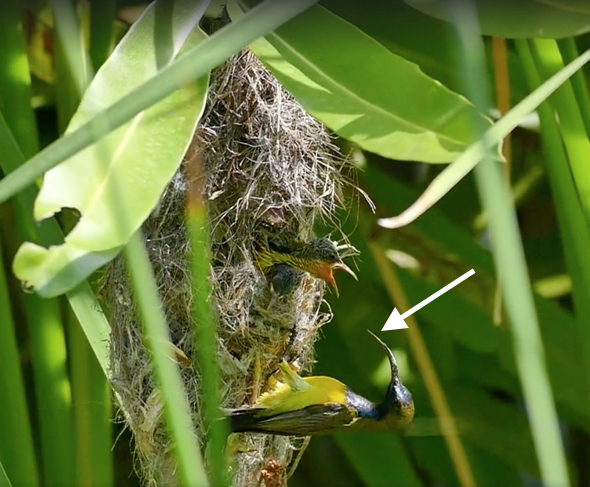
Credit: besgroup.org
Birds That Use Regurgitation
Birds that regurgitate to feed their young use a fascinating and efficient way to provide nutrition. Instead of carrying food in their beaks, they partially digest it first and then bring it back up to feed their chicks. This method ensures that the young receive food that is easier to swallow and digest, which supports their rapid growth.
Seabirds And Their Feeding Habits
Seabirds like albatrosses and gulls often feed their chicks through regurgitation. These birds spend long hours at sea hunting fish and squid, which they partially digest before returning to the nest.
Regurgitation allows seabird parents to transport food over great distances without losing valuable nutrients. Have you ever wondered how a parent bird manages to feed a hungry chick after hours of fishing? This method is their secret.
Songbirds And Parental Care
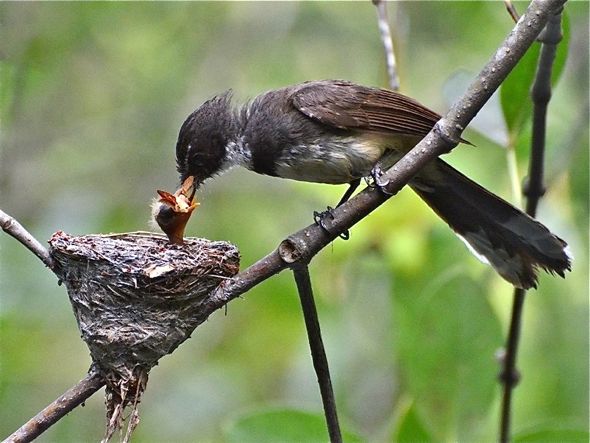
Songbirds, such as robins and sparrows, also use regurgitation to feed their nestlings. These birds collect insects and seeds, digest them slightly, and then feed their young by regurgitating the softened food.
This feeding style ensures the chicks get food that’s easy to swallow and reduces the risk of choking. Next time you hear a baby bird begging loudly, think about how its parent prepares food so carefully.
Raptors And Feeding Techniques
Raptors like hawks and eagles regurgitate pellets containing indigestible parts such as bones and fur. Although they don’t feed their chicks with these pellets, they do provide regurgitated meat to their young.
This method helps young raptors get nutrients from freshly caught prey without the parents needing to bring large pieces. It’s an efficient way to nurture powerful hunters from an early age.
How Regurgitation Works
Regurgitation is a special feeding method used by many bird species. Parent birds bring food back from outside and partially digest it. Then, they feed this softened food to their chicks. This process helps young birds get the right nutrition in an easy-to-eat form. Understanding how regurgitation works shows how birds care for their young in unique ways.
The Process Inside The Bird’s Body
First, the adult bird finds food and swallows it. The food goes into a special part of the stomach called the crop. Here, the food softens and mixes with digestive juices. The bird may store food in the crop until it returns to the nest.
When the chick is ready to eat, the parent pushes the food back up the esophagus. This is regurgitation. The food comes up as a soft, semi-digested mass. The parent then feeds this directly to the chick’s mouth.
Nutritional Benefits For Chicks
Regurgitated food is easier for chicks to swallow and digest. It also contains nutrients that the parents have broken down. This helps young birds absorb energy and grow fast.
The food often includes important proteins, fats, and vitamins. These nutrients support the chick’s immune system and development. Regurgitation also allows parents to feed their chicks food that might be too hard or large for them to eat on their own.
Why Birds Regurgitate
Birds regurgitate to feed their young for several important reasons. This process allows parent birds to provide nourishment efficiently and safely. Regurgitation means the parents bring up partially digested food from their stomachs. They then feed this food directly to their chicks. This method plays a key role in the survival and growth of many bird species.
Energy Efficiency In Feeding
Regurgitating food saves energy for parent birds. Instead of hunting or gathering food repeatedly, they collect food once. Then, they digest it partially before feeding their chicks. This reduces the number of trips needed to find food. Energy is conserved, which is vital during breeding season.
Young birds also benefit from this. They get food that is easier to digest. It helps them absorb nutrients faster. This supports quick growth and development in the early stages of life.
Protection Of Young From Predators
Regurgitation keeps young birds safer from predators. By feeding chicks in the nest, parents minimize trips outside. Fewer trips mean less attention from predators. Chicks stay hidden and protected during vulnerable times.
Parents can also feed their young quietly. This reduces noise that could attract danger. The nest remains a safe place for the chicks to grow. Regurgitating food thus helps protect young birds from harm.
Examples Of Regurgitating Bird Species
Many bird species feed their young by regurgitating food. This process involves adults swallowing food and later bringing it back up to feed their chicks. Regurgitation helps parents provide soft, easily digestible meals. It also allows them to share nutrients directly from their stomachs.
Several bird groups use this feeding method. It is common in species that care for their young intensively. Below are some examples of birds known for regurgitating to feed their offspring.
Pigeons And Doves
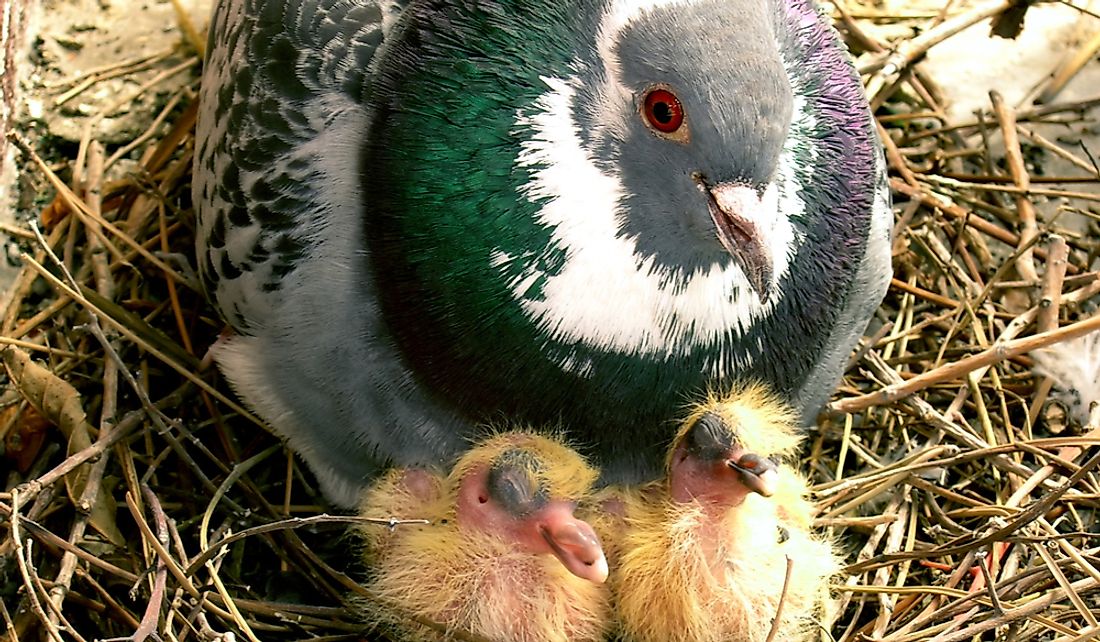
Pigeons and doves produce a special substance called “crop milk.” Both parents produce this milk in their crop, a part of their digestive system. They regurgitate this nutrient-rich milk to feed their hatchlings. This milk contains proteins and fats essential for chick growth. Young pigeons and doves rely on crop milk in the first days after hatching.
Pelicans And Gulls
Pelicans and gulls catch fish and other small animals to feed their chicks. They swallow the food and later regurgitate it near the nest. The chicks then eat the softened food easily. This method helps parents feed young ones who cannot catch food themselves. Pelicans often have large pouches to hold food for regurgitation.
Swallows And Martins
Swallows and martins catch flying insects to feed their young. They swallow the insects and store them in their crops. Then, they regurgitate this food directly to their chicks’ mouths. This allows the young birds to get soft, moist food that is easy to digest. These birds are very active feeders and make many trips to the nest.
Alternatives To Regurgitation
Birds use different ways to feed their young besides regurgitation. Some species have evolved unique feeding methods that suit their environment and chick needs. These alternatives help parents deliver food efficiently and keep their babies healthy.
Direct Feeding
Direct feeding means parents give food straight to the chicks. Parents catch or gather food and place it directly into the chick’s mouth. This method is common among birds that hunt live prey or gather solid food.
Direct feeding allows parents to control portion size and ensure chicks get fresh food. It reduces the risk of food spoiling before feeding. Birds like hawks, eagles, and some songbirds use this method often.
Food Provisioning Strategies
Food provisioning involves parents bringing food to the nest but not always feeding chicks directly. They might leave food nearby for chicks to eat on their own. This encourages young birds to practice feeding skills early.
Some seabirds drop small pieces of food on the ground or nest surface. Others store extra food near the nest for later use. These strategies help parents balance feeding and protecting their young.
- Stockpiling food to feed chicks during bad weather
- Offering a variety of food types to meet nutritional needs
- Feeding chicks in shifts to avoid attracting predators
Impact On Chick Development
Feeding young birds by regurgitation plays a vital role in their development. This feeding method ensures chicks receive easily digestible food. It supports their growth and prepares them for independent life. Understanding this impact helps explain how certain bird species thrive.
Growth Rates And Health
Regurgitated food is rich in nutrients. It supports faster growth in chicks. The soft texture helps young birds digest food easily. This reduces energy spent on digestion. It allows more energy for growth and strength.
Chicks fed by regurgitation often have better health. The food is partially broken down by parents. It lowers the risk of digestive problems. Parents can also control the food quality. This ensures chicks get the right nutrients at the right time.
Behavioral Adaptations
Chicks develop strong feeding behaviors through regurgitation. They learn to open their mouths wide for feeding. This behavior signals parents to feed them. It also strengthens the bond between parent and chick.
Parents use regurgitation to teach feeding skills. Chicks observe and mimic their parents. This prepares them for finding and eating food independently. Such behavioral learning improves survival chances after leaving the nest.
Regurgitation In Bird Conservation
Regurgitation is a natural feeding behavior critical to many bird species, especially those that feed their young by bringing up pre-digested food. In bird conservation, understanding and supporting this behavior is essential for successful breeding and chick survival. It ensures that young birds receive the right nutrition in a way their bodies can handle, which is often challenging to replicate in captive environments.
Challenges In Captive Breeding
Captive breeding programs often struggle with replicating the natural regurgitation process. Young birds depend on their parents to provide food in a softened, digestible form, but captive settings may lack the stimuli that trigger this feeding behavior in adult birds.
Without proper regurgitation, chicks may suffer from malnutrition or refuse to eat. This can lead to lower survival rates and stress for both the birds and caretakers. Have you ever wondered how conservationists manage to encourage feeding behaviors that birds instinctively perform in the wild?
Supporting Natural Feeding Behaviors
Encouraging natural feeding behaviors means creating an environment where adult birds feel comfortable and motivated to regurgitate. This might include:
- Providing natural diets that closely mimic what birds eat in the wild
- Allowing parent birds to raise their own chicks whenever possible
- Using environmental enrichment to stimulate natural instincts
Caregivers sometimes use hand-feeding methods to mimic regurgitation, but this can never fully replace the bond and natural cues between parent and chick. Your support for conservation efforts that prioritize natural behaviors can make a real difference in preserving species.
Credit: www.worldatlas.com
Credit: besgroup.org
Frequently Asked Questions
Which Birds Commonly Regurgitate To Feed Their Young?
Many seabirds, pigeons, and some raptors regurgitate food to feed their chicks. This method ensures the young receive pre-digested, nutrient-rich meals directly from the parent.
Why Do Some Birds Regurgitate Food For Their Chicks?
Regurgitation allows parents to provide soft, digestible food to their young. It helps chicks digest food easily, promoting better growth and survival during early life stages.
How Do Seabirds Use Regurgitation To Feed Chicks?
Seabirds catch fish and partially digest it before returning to the nest. They then regurgitate this food, making it easier for their chicks to consume and absorb nutrients.
Do All Birds Regurgitate Food For Their Young?
No, only specific bird species regurgitate food. Many birds feed chicks by bringing whole prey or seeds, while others use regurgitation for easier digestion.
Conclusion
Birds that regurgitate feed their young with care. This method helps chicks get soft, easy food. Many birds, like pigeons and pelicans, use this way. It shows how nature provides for baby birds. Watching this behavior reveals the strong bond in bird families.
Understanding these birds helps us appreciate their unique habits. Feeding by regurgitation keeps young birds healthy and growing. Nature’s ways are simple but very effective. This feeding style plays a key role in bird survival.