
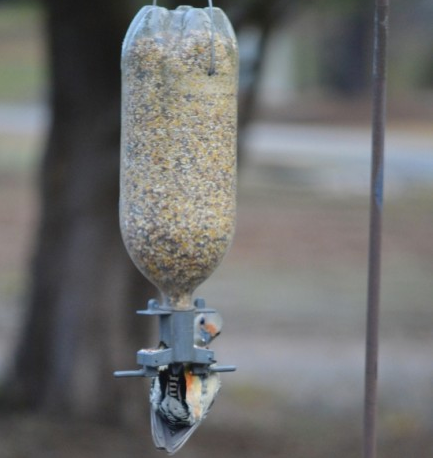
Have you ever wanted to bring more birds to your backyard without spending a lot of money? Making a bird feeder with stuff you already have at home is easier than you think.
Not only will you create a cozy spot for birds to visit, but you’ll also enjoy watching them up close. In this guide, you’ll discover simple steps to build your own bird feeder quickly and easily. Ready to attract colorful birds and add life to your outdoor space?
Let’s get started!
Materials Needed
Gathering the right materials is the first step to making a bird feeder at home. Most of these items can be found around the house. Simple tools and common household items make this project easy and fun.
Common Household Items
- Empty plastic bottles or milk cartons
- Wooden spoons or sticks
- String or twine for hanging
- Peanut butter or cooking oil
- Birdseed mix
- Old newspapers or cardboard
- Plastic lids or small trays
Tools Required
- Scissors or utility knife
- Glue or tape
- Hole punch or sharp object
- Paintbrush (optional for decoration)
- Ruler or measuring tape

Credit: www.firstdayofhome.com
Choosing The Right Feeder Type
Choosing the right bird feeder type affects which birds visit your feeder. Different birds prefer different feeder styles. The feeder type also changes how easy it is to make and clean. Consider your space and the birds you want to attract. Simple feeders work well for beginners. Some feeders hold more seed and last longer. Think about where you will place the feeder for best results.
Platform Feeders
Platform feeders are flat surfaces where birds can land easily. They hold many seed types and allow different birds to feed together. These feeders are simple to make with wood or old trays. Cleaning is easy because you can reach all parts. Platform feeders work well in open spaces like backyards. They attract birds that like to feed on the ground or in open areas.
Hanging Feeders
Hanging feeders dangle from branches or hooks. They save space and keep seeds away from pests. These feeders come in many shapes, like tubes or cups. You can use bottles, jars, or small containers at home. Hanging feeders attract small birds such as finches and chickadees. Place them where birds feel safe from predators and weather.
Bottle Feeders
Bottle feeders reuse plastic bottles to hold and drop seed slowly. They are easy to make and cost almost nothing. Cut small holes for seeds to fall out when birds peck. These feeders protect seeds from rain and wind. Bottle feeders work well for small birds like sparrows. Hang or place them in shaded spots to keep seeds fresh.
Step-by-step Construction
Building a bird feeder at home is both fun and rewarding. It allows you to watch birds up close while giving them a safe place to eat. The process is simple if you break it down into clear, manageable steps.
Preparing Materials
Start by gathering common household items like empty plastic bottles, old wooden spoons, or small containers. You’ll also need basic tools such as scissors, string, and glue or tape.
Look around your kitchen or garage—you might already have what you need. Collecting everything beforehand saves time and keeps the project smooth.
Assembly Process
Begin by cleaning your chosen container to ensure it’s safe for birds. Cut small holes or openings to allow birds to access the seeds easily.
Use wooden spoons or sticks as perches by inserting them through the container’s sides. Secure these with glue or tape to make sure they hold firm when birds land.
Attach a string or wire at the top for hanging the feeder. Make sure it’s sturdy enough to support the feeder’s weight when filled.
Adding Finishing Touches
Decorate your feeder with non-toxic paints or markers to make it attractive to birds—and visually pleasing in your yard. Avoid anything sharp or small parts that could harm the birds.
Fill the feeder with birdseed suitable for your local species. Try different seed mixes to see which birds visit most often.
Hang your feeder in a quiet spot where you can watch the birds but they feel safe. Have you thought about how the feeder’s position might affect bird visits?
Selecting Bird Food
Choosing the right food is key to attracting birds to your homemade feeder. Different birds prefer different foods. Knowing what to offer can bring more visitors to your garden. Focus on natural, fresh options that birds enjoy.
Seeds And Grains
Seeds and grains are popular with many birds. Black oil sunflower seeds attract finches, cardinals, and chickadees. Millet is good for ground-feeding birds like sparrows. Mixed birdseed blends often work well for a variety of species. Avoid seeds with fillers like red millet or oats.
Fruits And Nuts
Fruits and nuts provide energy and nutrients. Offer slices of apple, orange, or berries. Peanuts and walnuts are favorites for jays and woodpeckers. Always provide unsalted nuts. Fresh fruit attracts fruit-eaters like orioles and thrushes. Clean up leftover fruit to prevent mold.
Seasonal Considerations
Bird food needs change with seasons. In winter, high-fat foods help birds stay warm. Sunflower seeds and suet are perfect for cold months. Spring and summer bring more insects, so fruit and nectar are good choices. Adjust your feeder offerings to match seasonal bird needs.
Placing Your Feeder
Placing your bird feeder in the right spot can make all the difference. It affects how many birds visit and how safe they feel while eating. A well-placed feeder invites a variety of feathered friends to your yard and keeps them coming back.
Best Locations
Choose a spot visible from your window so you can enjoy watching the birds. Near trees or shrubs is ideal because birds can quickly take cover if a predator appears. Avoid placing the feeder too close to windows to prevent birds from accidentally flying into the glass.
Think about sun exposure too. A spot with morning sun warms the feeder and helps dry any moisture, which keeps the seeds fresh longer. Also, check for easy access when you need to refill or clean the feeder.
Safety Tips
Place the feeder at least 5 feet off the ground to protect birds from cats and other predators. If you have a cat, consider putting the feeder on a pole with a baffle to stop the cat from climbing. Avoid placing it near dense bushes where predators can hide.
Regularly clean the feeder and the area around it to prevent disease. Wet or moldy seeds can harm birds, so keep your feeder dry and fresh. Can you spot any potential dangers around your current feeder spot?
Attracting Different Birds
Different species prefer different locations and foods. For example, finches like feeders near open areas, while woodpeckers prefer spots close to trees. You can place multiple feeders in various locations to attract a wider variety.
Try using different types of bird food at each feeder—sunflower seeds for cardinals, nyjer for finches, and suet for woodpeckers. Watch which birds visit each feeder and adjust placement to suit their habits.

Credit: www.aol.com
Maintenance And Cleaning
Keeping your homemade bird feeder clean and well-maintained is key to attracting healthy birds and ensuring they keep coming back. A clean feeder prevents the spread of diseases among birds and keeps your backyard visitors safe. Let’s look at how you can maintain your feeder effectively with simple habits and careful attention.
Regular Cleaning Schedule
Set a routine to clean your bird feeder at least once every two weeks. If you notice it’s getting crowded or wet, clean it more often to avoid buildup of dirt and old seeds. Use warm water mixed with mild soap and a brush to scrub every corner.
Rinse thoroughly to remove all soap residues. Let it dry completely before refilling to prevent mold growth. Have you thought about keeping a cleaning calendar? Marking it on your phone or fridge can help you stay consistent.
Preventing Mold And Pests
Mold thrives in damp and dirty feeders, which can harm birds. Always check for wet seeds or seed hulls and remove them promptly. Place your feeder in a spot that gets sunlight and good airflow to help keep it dry.
To keep pests like squirrels or ants away, consider using baffles or placing the feeder where these critters can’t reach. You might also switch seed types if one attracts more pests than others. What small changes can you make today to protect your feeder from unwanted visitors?
Troubleshooting Common Issues
Building a bird feeder at home can be rewarding, but a few challenges may arise that test your patience and creativity. Troubleshooting these common issues ensures your feeder remains a safe and inviting spot for birds. Let’s dive into solutions that keep your feathered visitors happy and your feeder intact.
Dealing With Squirrels
Squirrels are clever and persistent, often raiding bird feeders for a free meal. You might notice your feeder emptied overnight or damaged. To protect your feeder, try adding a squirrel baffle — a dome or cone-shaped barrier that prevents them from climbing.
Another tactic is to place the feeder away from trees or structures squirrels can jump from. If you want to get creative, coat wooden parts with a little cayenne pepper; birds don’t mind, but squirrels hate it. Have you noticed which method works best in your neighborhood?
Weather Protection
Rain, wind, and snow can quickly ruin your bird feeder or spoil the seeds inside. Make sure your feeder has a roof or some kind of cover to shield it from rain. If you’re using recycled materials like plastic bottles, consider trimming and angling parts to act as a shield.
Anchoring the feeder firmly prevents it from swinging wildly in the wind. Placing it near natural windbreaks, such as bushes or fences, also helps. Have you tried using waterproof paints or sealants to extend the life of your homemade feeder?
Encouraging Bird Visits
Even the best feeder won’t attract birds if it’s not in the right spot. Birds prefer quiet, safe areas near trees or shrubs where they can quickly hide if threatened. Place your feeder at eye level or higher to make it more visible and accessible.
Choosing the right seeds is crucial. Black oil sunflower seeds attract a wide variety of birds, while millet is favored by ground feeders. Have you observed which seeds bring the most colorful or interesting visitors to your feeder?

Credit: www.familyhandyman.com
Frequently Asked Questions
What Materials Are Needed To Make A Bird Feeder At Home?
You can use recycled items like plastic bottles, milk cartons, or wooden scraps. Add string, glue, and birdseed to complete it. These materials are easy to find and safe for birds.
How Do I Attract Birds To My Homemade Feeder?
Place the feeder in a quiet, visible area with natural cover nearby. Use fresh birdseed suited for local species. Keep the feeder clean and refill it regularly to attract more birds.
Can Kids Safely Help Make A Bird Feeder?
Yes, kids can help with simple tasks like decorating and filling the feeder. Adult supervision is needed when using sharp tools or hot glue. It’s a fun, educational activity for children.
How Often Should I Clean My Homemade Bird Feeder?
Clean the feeder every two weeks or more often in wet weather. Use warm, soapy water and rinse well to prevent mold and disease. Regular cleaning keeps birds healthy and feeder inviting.
Conclusion
Making a bird feeder at home is simple and fun. You can use things you already have. It helps birds find food and brings nature close. This small project can brighten your day. Try different designs and see what birds like.
Enjoy watching birds visit your feeder every day. Start today and make a cozy spot for your feathered friends.