
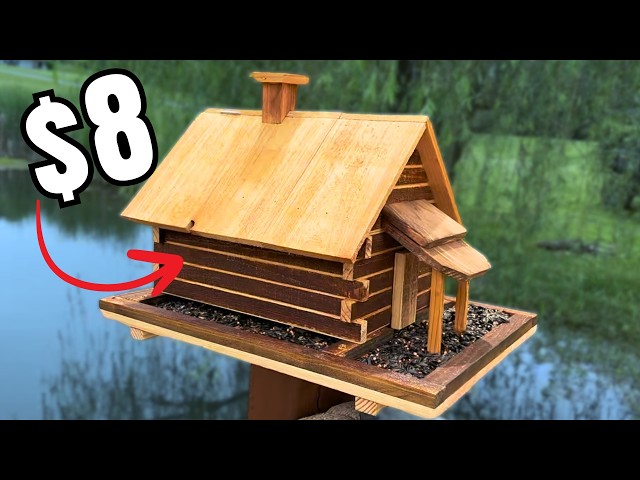
Imagine turning your porch swing into a cozy dining spot—not for you, but for the birds in your backyard. If you love watching feathered friends up close, creating a porch swing bird feeder is a fun and simple way to invite them right to your doorstep.
You’ll not only enjoy their cheerful visits but also add charm to your outdoor space. Ready to learn how to make your own? Keep reading, and you’ll discover easy steps and tips that anyone can follow to build a beautiful bird feeder that both you and the birds will love.
Credit: www.familyhandyman.com
Choosing Materials
Choosing the right materials is crucial for building a porch swing bird feeder that lasts and looks great. The materials you pick affect durability, safety for the birds, and how well the feeder fits your porch’s style. Let’s break down what to look for in wood, hardware, and finishes so you can make smart choices from the start.
Wood Types
Wood is the foundation of your porch swing bird feeder, so pick one that can handle outdoor conditions. Cedar and redwood stand out because they resist rot and insects naturally. Pine is cheaper but needs extra protection through sealants to survive weather.
Think about the weight too. You want wood sturdy enough to hold birdseed and withstand wind without bending or cracking. Have you considered reclaimed wood? It adds character and is environmentally friendly, but check it carefully for nails or damage before use.
Hardware Essentials
Strong, rust-resistant hardware keeps your feeder secure and safe for the birds visiting it. Stainless steel screws and hooks are your best bet to avoid rust stains and weakening over time. Don’t forget to include durable chains or ropes for hanging the swing firmly.
Sometimes, small details make a big difference. Using washers can prevent wood from splitting when tightening screws. Also, quick links or carabiners add flexibility, making it easier to take the feeder down for cleaning or refilling.
Finishes And Paints
Finishes protect your wood and add a splash of style to your porch swing bird feeder. Use non-toxic, water-based paints or sealants that are safe for birds. Avoid glossy finishes that might reflect too much sunlight and scare the birds away.
Applying multiple thin coats helps the finish last longer and keeps the wood from soaking in moisture. Have you thought about natural oils like linseed or tung oil? They penetrate the wood and provide a subtle look while boosting resistance to weather.
Designing The Swing
Designing your porch swing bird feeder is where creativity meets function. The way you shape and size the swing affects both its comfort and how well it attracts birds. Think about how you want to use the swing and what kind of birds you hope to invite to your feeder.
Dimensions And Size
Start by deciding the overall size of your swing. A typical porch swing is about 48 inches wide, but you can make it smaller if space is tight or larger if you want room for two people or more birds.
Keep in mind the weight capacity too. Using sturdy wood like cedar or redwood helps support both the swing and the birds comfortably. Make sure the swing isn’t too deep; around 18-20 inches from front to back usually works well for sitting and fitting a feeder.
Seat And Backrest Design
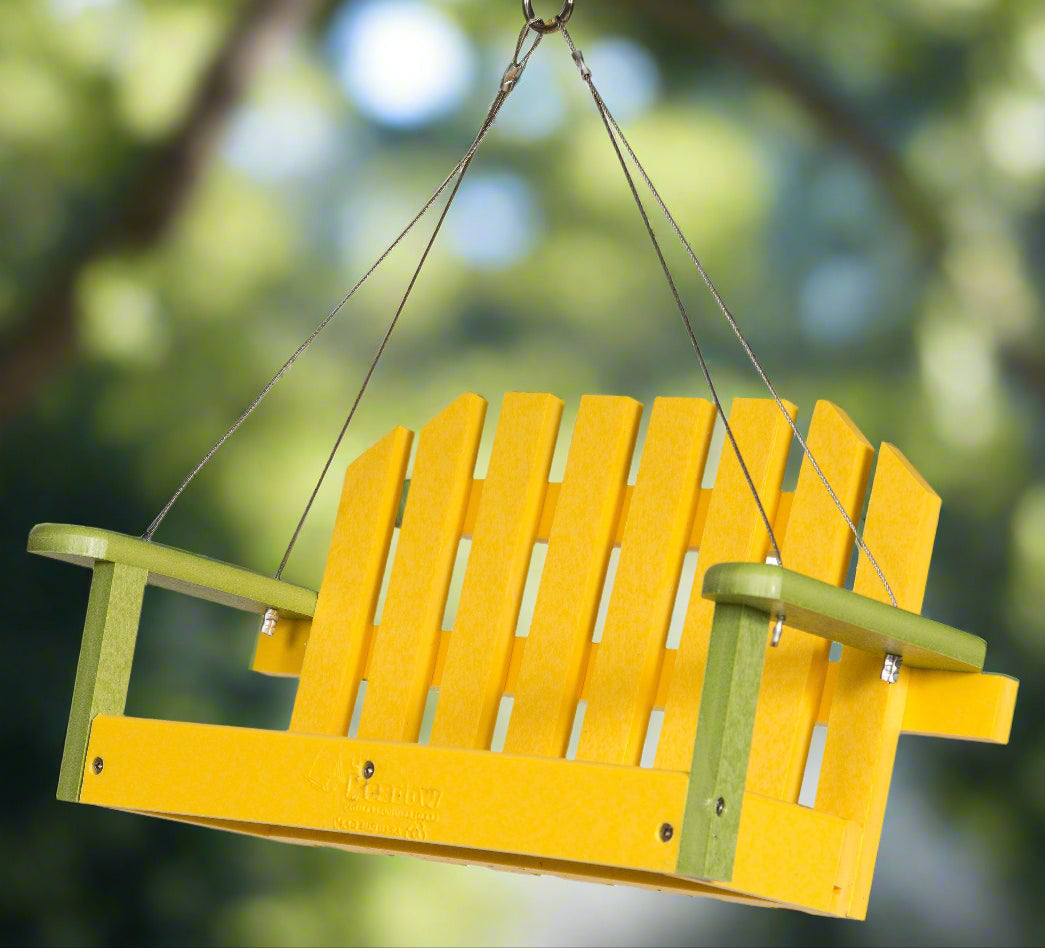
Your seat and backrest should provide comfort but also allow birds to perch easily. Slatted designs work great because they offer spots for birds to land and keep rain from pooling.
Consider slightly angling the backrest for a relaxed feel. You can also add armrests for extra style and comfort, but make sure they don’t block access to the feeder area.
Incorporating The Feeder
Think about how you want the feeder to fit into the swing. You can attach a small platform in the center of the seat or hang feeders on the sides.
Make sure the feeding area is easy to refill and clean. Using removable trays or containers can save you time and keep the birds happy.
Have you thought about placing a small roof or cover above the feeder to protect seeds from rain? It’s a simple addition that can make a big difference.
Cutting And Preparing Wood
Preparing the wood properly sets the foundation for a sturdy and attractive porch swing bird feeder. Cutting and shaping the wood with care ensures each piece fits perfectly, making the assembly smoother and the final product durable. Let’s focus on how to measure, cut, and finish your wood pieces to get the best results.
Measuring And Marking
Accurate measuring is key to avoid wasting wood and to keep your bird feeder balanced. Use a tape measure to check lengths twice before marking your cut lines with a pencil. Mark clear, straight lines on the wood, so your saw follows the path exactly.
Double-check measurements against your design plan. Are the arms and seat pieces aligned in size? Small mistakes here can lead to a wobbly feeder. Take your time, and you’ll save effort later.
Cutting Techniques
Choosing the right saw makes a big difference. A handsaw works fine for small cuts, but a power saw speeds up the process and improves precision. Hold the wood firmly and cut along the marked lines with steady, controlled movements.
Keep safety gear like gloves and goggles on. It’s tempting to rush, but cutting slowly prevents splintering and uneven edges. If you’re cutting curves or angles, practice on scrap wood first to build confidence.
Sanding And Smoothing
After cutting, sanding smooths the edges and surfaces, making your feeder safe for birds and easier to paint or stain. Start with medium-grit sandpaper to remove rough spots, then finish with fine-grit for a polished touch.
Don’t skip this step—it protects both you and the birds from splinters. Running your hand gently over each piece will help you find any missed rough areas. A smooth finish also helps the wood last longer outside.
Credit: www.thebestideasforkids.com
Assembling The Swing
Assembling the porch swing bird feeder brings the project to life. It involves building a sturdy frame, attaching the seat and backrest, and securing all parts firmly. Each part must fit well to ensure safety and durability. A well-assembled swing will hold birds and withstand outdoor conditions.
Frame Construction
Start by cutting the wood pieces for the frame. Use strong, weather-resistant wood for durability. Create two side panels with equal length and width. Connect these panels with horizontal supports at the top and bottom. Use wood glue and screws for a firm hold. Check the frame for squareness before the glue dries.
Attaching Seat And Backrest
Cut the seat and backrest planks to size. Attach the seat planks horizontally between the side panels. Space the planks evenly for comfort and drainage. Fix the backrest planks vertically or slightly angled. Secure all planks with screws. Make sure the seat is level and the backrest is steady.
Securing Hardware
Use heavy-duty eye bolts or hooks to hang the swing. Drill holes in the top horizontal support for hardware installation. Attach strong chains or ropes to the eye bolts. Double-check all screws and bolts for tightness. Test the swing’s stability before adding bird feed. Proper hardware ensures safety and long-lasting use.
Adding The Bird Feeder
Adding the bird feeder to your porch swing setup brings life and charm to your outdoor space. It invites colorful birds to visit and adds natural beauty right outside your door. Proper placement and setup help birds feel welcome and safe.
Choosing the right spot and creating a good feeding area encourages birds to come often. Safety is crucial to protect birds from predators and harsh weather. Small steps make a big difference in attracting happy birds.
Feeder Placement Options
- Hang the feeder from the porch swing frame for easy access.
- Attach it to a nearby post or railing to keep it stable.
- Place the feeder where birds can quickly spot it from trees or bushes.
- Avoid spots too close to windows to reduce bird collisions.
Creating Feeding Stations
Set up multiple feeding spots for different bird species. Use various seed types to attract a wider range of birds. Add small perches or platforms near the feeder for resting. Clean the feeding area regularly to keep it healthy and inviting.
Ensuring Bird Safety
- Keep feeders away from places where cats or other predators can hide.
- Use baffles or shields to block predator access.
- Place feeders at least 5 feet off the ground to protect smaller birds.
- Provide fresh water nearby for drinking and bathing.
Finishing Touches
Finishing touches can make or break your porch swing bird feeder project. They protect your creation, enhance its look, and ensure it lasts through changing weather. Paying attention to these details also makes your feeder more inviting to birds and appealing to you.
Painting And Sealing
Choose outdoor paint that resists fading and moisture to keep your bird feeder vibrant. Applying a sealant after painting adds an extra layer of protection against rain and sun damage. Don’t forget to let each coat dry fully before applying the next—it makes all the difference in durability.
Adding Cushions Or Accessories
While birds don’t need cushions, adding soft pads can make your swing cozy if you plan to sit nearby. Accessories like small bells or wind chimes can attract birds and add charm, but avoid anything that could scare them away. Think about what will make your space enjoyable for both you and your feathered friends.
Hanging The Swing Properly
Secure your swing with strong ropes or chains to prevent accidents. Make sure the hanging points are balanced and stable—uneven swings can frustrate birds and wear out your setup quickly. Have you checked if the swing moves freely without hitting anything? This simple step can save you from future repairs.
Maintenance Tips
Keeping your porch swing bird feeder in top shape ensures it remains a charming and safe haven for your feathered friends. Regular upkeep not only extends the life of the feeder but also keeps it hygienic and attractive. Let’s dive into some practical tips that make maintenance straightforward and effective.
Cleaning The Feeder
Cleaning your bird feeder regularly prevents mold and bacteria buildup. Use a mild soap solution and a soft brush to scrub all surfaces gently. Rinse thoroughly with water and let it dry completely before refilling to avoid harming the birds.
How often should you clean it? Aim for once every two weeks, especially during wet or humid weather. If you notice old seed debris or droppings, clean it immediately to maintain a safe feeding environment.
Protecting Wood From Weather
Wood can wear down quickly if left exposed to rain, sun, and wind. Applying a non-toxic, water-resistant sealant protects the wood while keeping it safe for birds. Look for products labeled safe for outdoor wooden bird feeders.
Reapply the sealant at least once a year, ideally before the rainy season starts. Covering the feeder during extreme weather or bringing it indoors can also prevent damage and prolong its life.
Regular Safety Checks
Inspect your porch swing bird feeder frequently for loose screws, cracked wood, or unstable hanging mechanisms. Tighten any loose parts to prevent accidents and keep the swing secure for both you and your visiting birds.
Check the weight capacity and make sure the feeder is balanced. Have you noticed any swaying or tilting? Addressing these issues early keeps your feeder safe and enjoyable for everyone.
Credit: nature-niche.com
Frequently Asked Questions
How Do You Build A Porch Swing Bird Feeder?
Start by selecting sturdy wood and swing hardware. Assemble the swing frame, add a bird feeder tray, and hang it securely on your porch. Use weather-resistant materials to ensure durability and attract birds safely.
What Materials Are Best For Porch Swing Bird Feeders?
Use treated wood or cedar for durability. Choose rust-resistant metal chains and weatherproof paint. These materials withstand outdoor elements and provide a safe feeding spot for birds on your porch.
How Do You Attract Birds To A Porch Swing Feeder?
Fill the feeder with birdseed suitable for local species. Place it in a quiet, shaded spot on your porch. Adding water and native plants nearby also helps attract more birds naturally.
Can Porch Swing Bird Feeders Withstand Bad Weather?
Yes, if made with weather-resistant wood and metal parts. Apply sealants and paint to protect against rain and sun. Regular maintenance ensures your feeder lasts through all seasons.
Conclusion
Making a porch swing bird feeder is a fun, simple project. It brings birds closer to your home. Enjoy watching different bird species visit daily. This feeder adds charm to your porch space. It also helps birds find food easily.
Try building one with basic materials you have. Small steps lead to great outdoor moments. Your garden will feel lively and warm. Start today and see the joy it brings!