
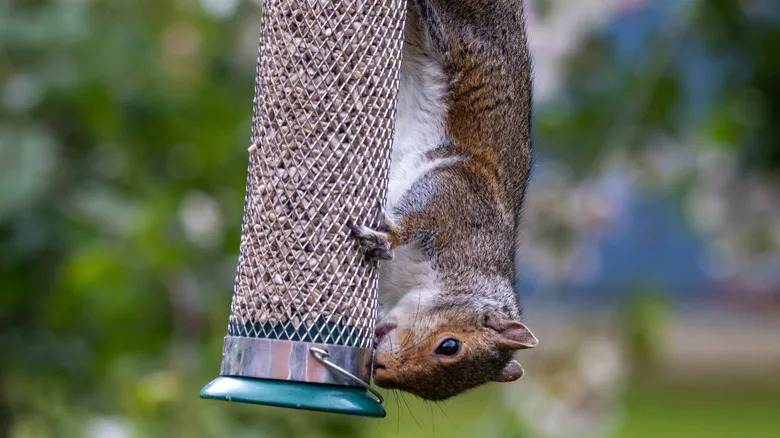
Are you tired of squirrels raiding your bird feeder and stealing all the seeds meant for your feathered friends? You’re not alone.
Those clever little creatures can be surprisingly persistent, turning your peaceful bird-watching spot into a squirrel playground. But don’t worry—there are simple, effective DIY solutions you can try right now to keep squirrels out and bring the focus back to the birds.
Keep reading, and you’ll discover easy tricks that save your seeds and restore the joy of feeding birds in your yard.
Why Squirrels Target Bird Feeders
Squirrels often visit bird feeders because they find easy food there. The seeds and nuts attract them quickly. These small animals are always looking for a quick meal to store energy. Bird feeders provide a steady supply of food, making them very appealing. Squirrels have sharp senses and can spot feeders from a distance. Their natural behavior drives them to seek out these food sources.
Squirrel Behavior And Feeding Habits
Squirrels are active and curious animals. They spend much time searching for food. Their diet includes nuts, seeds, fruits, and even birdseed. Squirrels like to gather and store food for winter months. This causes them to raid bird feeders often. They are good climbers and jumpers, which helps them reach feeders easily. Squirrels also learn from experience and remember feeding spots.
Common Challenges For Bird Lovers
Bird lovers face many problems from squirrels. Squirrels can scare away birds by their presence. They often eat more seed than birds, wasting food. Squirrels may damage feeders by chewing or knocking them down. This leads to frequent repairs or replacements. Managing squirrels without harming them is difficult. Keeping birds safe and happy requires smart feeder designs and strategies.

Credit: happygardens.com
Selecting The Right Bird Feeder
Selecting the right bird feeder is a key step in keeping squirrels away from your bird food. The feeder you choose can either invite these crafty critters or keep them at bay. Understanding the design and placement can save you time and frustration while ensuring your feathered friends get their share.
Squirrel-proof Feeder Designs
Look for feeders designed specifically to block squirrels. Many have weight-sensitive perches that close access when a squirrel lands on them. Some feature cages or baffles that prevent squirrels from reaching the food while birds feed safely inside.
Personally, I found a feeder with a spring-loaded perch effective. When a squirrel tried to climb on, the perch would tip, making it impossible for the squirrel to stay. Have you tried any squirrel-proof designs that worked well in your yard?
Material And Placement Tips
Choose feeders made from sturdy materials like metal or heavy-duty plastic. These are harder for squirrels to chew through or damage. Avoid wooden feeders if squirrels frequent your garden, as they tend to gnaw on softer materials.
Placement matters just as much. Hanging the feeder at least 10 feet away from trees or structures gives squirrels less chance to jump onto it. Adding a baffle above or below the feeder can create a physical barrier that squirrels struggle to bypass.
Try positioning your feeder where you can easily watch for squirrel visits. This lets you adjust placement quickly and keeps you involved in protecting your bird food. What placement strategies have you found effective in your outdoor space?
Diy Squirrel Deterrents
Keeping squirrels out of your bird feeder can be a real challenge, but DIY squirrel deterrents offer effective and budget-friendly solutions. These simple tricks not only protect your bird feed but also add a fun twist to your backyard setup. Let’s dive into some practical ways you can build your own defenses against these persistent critters.
Using Baffles To Block Squirrels
Baffles are one of the easiest and most effective squirrel deterrents you can make yourself. These dome- or cone-shaped barriers fit around your feeder pole or hang above it, preventing squirrels from climbing or jumping onto the feeder.
You can create a baffle using materials like metal or plastic sheets. Attach it firmly so it spins or slides, which frustrates squirrels trying to get past. Have you noticed how squirrels avoid slippery or moving surfaces? Baffles use that to your advantage.
Homemade Repellent Sprays
Spraying your feeder or its surroundings with homemade repellents can keep squirrels at bay without harming them. Common ingredients include hot pepper, garlic, or vinegar mixed with water to create a natural, unpleasant scent or taste for squirrels.
Apply the spray regularly, especially after rain, to maintain its effectiveness. If you’re wondering how birds tolerate the spicy smell, they usually don’t mind it, but squirrels find it quite off-putting. This simple spray can make your feeder a no-go zone for squirrels.
Creative Physical Barriers
Physical barriers don’t have to be expensive or complicated. You can use items like wire mesh cages or make your own “cage” around the feeder using hardware cloth. This lets birds in but keeps squirrels out.
Another idea is to hang feeders from thin, slick wires or fishing lines that squirrels can’t grip. Have you tried placing feeders away from trees or fences that squirrels use to jump? Combining location with these barriers increases your chances of success.
Feeder Placement Strategies
Feeder placement plays a crucial role in keeping squirrels away from your bird feeder. You can outsmart squirrels by carefully choosing where and how you position your feeder. Small changes in placement can make a big difference in preventing these persistent critters from feasting on the birdseed meant for your feathered friends.
Ideal Distance From Trees And Structures
Place your feeder at least 10 feet away from trees, fences, or any structures squirrels can jump from. Squirrels are excellent jumpers, often leaping up to 8 feet horizontally and 5 feet vertically. Giving them extra space reduces their chances of making a successful jump onto your feeder.
Think about your yard layout. Is there a spot open enough to discourage squirrels but still accessible for birds? Sometimes, moving the feeder just a few feet away from an overhanging branch or nearby fence can save you from constant squirrel raids.
Hanging Techniques To Prevent Access
Hanging your feeder on a thin, slippery wire or cable can stop squirrels from climbing down to the feeder. Use materials like braided steel cable coated in plastic which squirrels find hard to grip. Avoid using chains or ropes that squirrels can easily climb.
Adding a baffle above or below the feeder on the hanging wire can also block squirrels from reaching the feeder. These barriers spin or slide, making it difficult for squirrels to get a grip. Have you tried adjusting the height of your feeder? Hanging it at least 5 feet off the ground makes it tougher for squirrels to leap up.
Alternative Feeding Options
Offering alternative feeding options helps keep squirrels away from bird feeders. It gives squirrels their own food source. This reduces their need to raid bird feeders. Setting up separate feeding spots can make a big difference. It balances feeding both birds and squirrels safely.
Separate Squirrel Feeders To Distract
Place a feeder specifically for squirrels away from bird feeders. Fill it with nuts, corn, or sunflower seeds. This distracts squirrels from bird food. Position the squirrel feeder at least 10 feet from bird feeders. It keeps squirrels busy and less likely to jump to bird feeders. Use a sturdy pole or platform to support the feeder. Check and refill it regularly to keep squirrels interested.
Offering Squirrel-friendly Foods Away From Bird Feeders
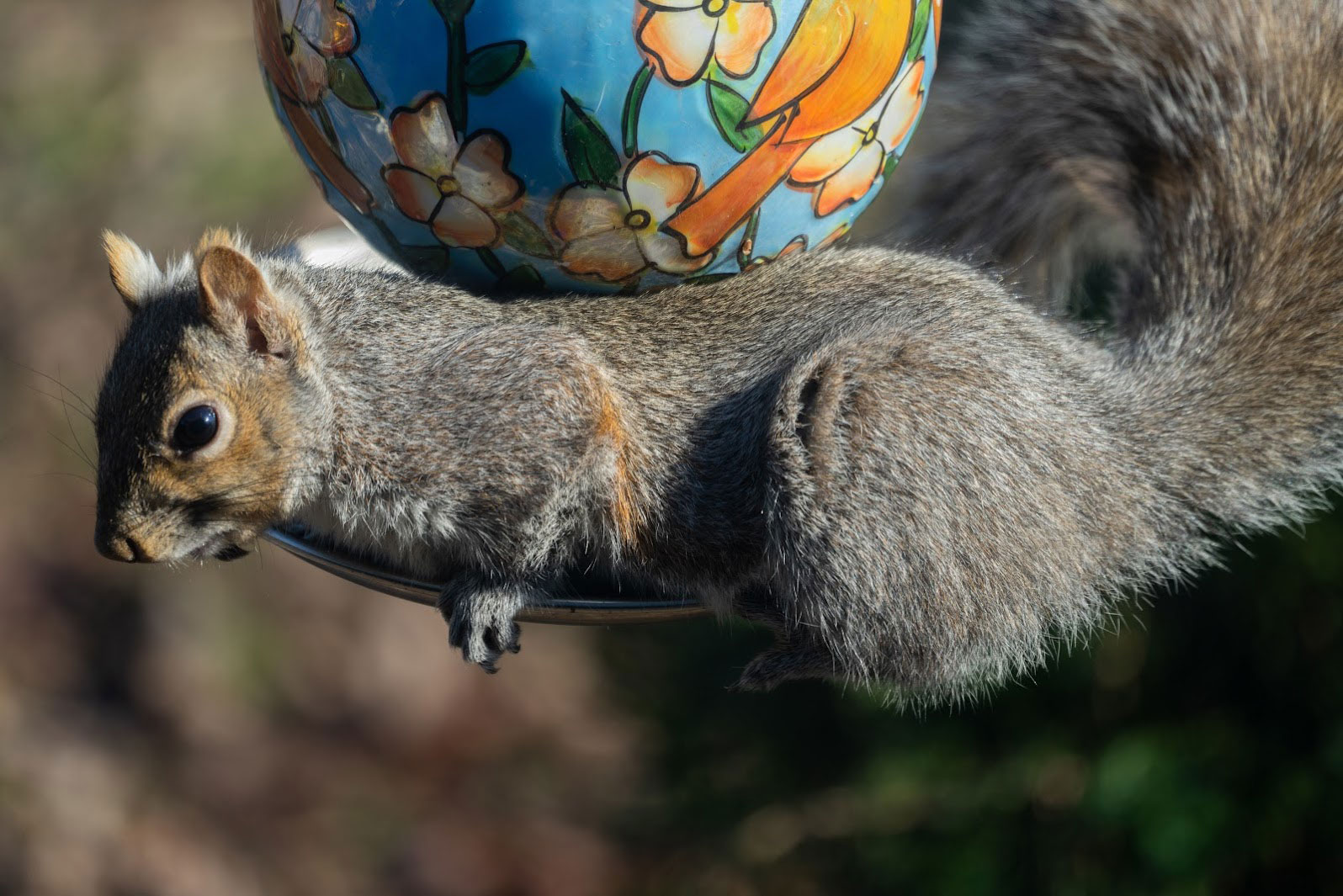
Provide foods that squirrels enjoy but birds usually avoid. Peanuts in the shell, corn cobs, or dried fruit work well. Scatter these foods in a different area of your yard. This creates a squirrel feeding zone separate from birds. Avoid placing squirrel food near bird feeders. This prevents squirrels from associating bird feeders with food. Feeding squirrels separately helps protect bird feed and encourages peaceful coexistence.
Credit: www.popsci.com
Maintaining Your Bird Feeder
Maintaining your bird feeder is key to keeping squirrels away and birds happy. Regular care helps the feeder work well and stay inviting for birds only. Small tasks done often prevent big problems later.
Regular Cleaning And Seed Management
Clean your bird feeder every two weeks to stop mold and bacteria. Use warm water and mild soap for washing. Rinse well to remove soap residue. Allow it to dry fully before refilling with seed.
Check the seed often. Remove old or wet seed to avoid spoilage. Use fresh seed to attract birds and keep squirrels less interested. Store seed in a dry, sealed container to keep pests away.
Monitoring And Adjusting Deterrents
Watch how squirrels react to your feeder setup. Some squirrels learn tricks fast and may find new ways to reach seed. Change your deterrents if squirrels keep getting in.
Try moving the feeder to a new spot or adding new barriers. Adjust baffles or use squirrel-proof feeders if needed. Keep experimenting until squirrels give up and birds can feed peacefully.

Credit: www.familyhandyman.com
Frequently Asked Questions
How Can I Make A Squirrel-proof Bird Feeder Diy?
Use baffles, weight-sensitive perches, and metal guards. Position feeders away from trees or fences. Combine multiple methods for best results.
What Materials Are Best For Diy Squirrel Deterrents?
Metal, smooth plastic, and wire mesh work well. Avoid wood or rough surfaces squirrels can grip easily. These materials increase durability and effectiveness.
How To Position Bird Feeders To Avoid Squirrels?
Place feeders at least 10 feet from launch points like trees or fences. Hang them on thin, slippery poles to prevent climbing.
Can Homemade Squirrel Baffles Really Keep Squirrels Away?
Yes, baffles block squirrels from reaching feeders. Proper installation and size ensure they work effectively. Use dome or cone-shaped designs.
Conclusion
Keeping squirrels away from your bird feeder can be simple and fun. Use easy DIY tricks like baffles, weight-sensitive feeders, or placing feeders away from trees. These steps help protect bird food and let birds enjoy their meals peacefully. Stay patient and try different ideas to find what works best for your garden.
Enjoy watching birds without the squirrel mess!