
Have you ever tossed breadcrumbs to birds in your backyard or at the park? It might seem like a kind and harmless act, but what if feeding birds is actually doing more harm than good?
You might be surprised to learn that your good intentions could be putting birds—and even you—at risk. Keep reading to discover the hidden dangers of feeding birds and why stopping this common habit could make a big difference for wildlife and your environment.

Credit: laverstockford-pc.gov.uk
Health Risks To Birds
Feeding birds may seem kind, but it can harm their health. Wild birds thrive on natural foods found in their habitats. Human food often brings risks that hurt their wellbeing. Understanding these dangers helps protect bird populations and keeps them safe.
Spread Of Diseases
Feeding stations can become places where diseases spread fast. Birds gather close and share food, droppings, and feathers. Germs and parasites move easily between them. Common illnesses include avian pox, salmonella, and conjunctivitis. These diseases weaken birds and may cause death.
Poor Nutrition
Human food lacks the right nutrients birds need. Bread, crackers, and processed snacks offer little value. Eating these can cause malnutrition and slow growth. Birds may become weak and more prone to illness. Natural seeds, fruits, and insects provide balanced diets.
Dependency On Humans
Birds that rely on handouts lose natural skills. They stop searching for food on their own. This dependence reduces their survival chances in the wild. When feeding stops, birds may starve or suffer stress. Keeping birds wild means letting them find food naturally.
Environmental Impact
Feeding birds may seem kind, but it has serious effects on the environment. Human food changes how birds act and affects the whole ecosystem. These impacts can cause problems for birds and other wildlife.
Disruption Of Natural Behavior
Birds start relying on human food instead of finding their own. This changes their natural habits and survival skills. They may stop migrating or lose the ability to forage. This dependency can make birds less healthy and less able to live in the wild.
Overpopulation Issues
Extra food leads to more birds gathering in one place. This causes crowded spaces and increases competition for shelter. Overpopulation spreads diseases faster. It can also attract pests like rats, which harm both birds and humans.
Damage To Local Ecosystems
Feeding birds disrupts the balance of nature. It can help invasive species grow, pushing out native birds. Uneaten food pollutes the environment and harms plants and water sources. This imbalance affects many animals and plants in the area.
Risks To Humans
Feeding birds might seem harmless, but it poses several risks to humans that are often overlooked. These dangers range from attracting unwanted pests to health hazards in public areas. Understanding these risks can help you make safer choices for both yourself and your community.
Attracting Pests
When you leave food out for birds, it doesn’t just attract them—it draws in pests like rats, mice, and insects. These pests can carry diseases that affect humans, increasing the risk of infections around your home or park. Have you noticed more rodents after feeding birds in your area? That’s a clear sign of this problem.
Potential For Bird Aggression
Birds that get used to being fed by humans can become aggressive. They may swoop or peck at people, especially children, expecting food. This behavior can lead to injuries and creates a stressful environment in places meant for relaxation.
Contamination Of Public Spaces
Leftover bird food and droppings can contaminate sidewalks, benches, and playgrounds. This contamination can spread bacteria and fungi harmful to people, especially those with allergies or weakened immune systems. You might want to ask yourself—are you comfortable sharing your space with these unseen health threats?
Credit: twistedsifter.com
Alternatives To Feeding Birds
Feeding birds might seem like a kind gesture, but it can cause more harm than good. Instead, you can support local bird populations in ways that help them thrive naturally. These alternatives create healthier environments and encourage birds to find their own food, which benefits their survival and your enjoyment of watching them.
Creating Natural Habitats
Building a natural habitat in your yard lets birds find food, shelter, and nesting spots on their own. You can leave areas with leaf litter, fallen branches, and shrubs where insects live, which many birds rely on for food.
Have you noticed how birds often visit wild, untidy patches more than manicured lawns? That’s because they find what they need there. Try setting aside a small corner of your garden to grow wild and observe how quickly birds discover it.
Planting Native Flora
Native plants attract insects and produce seeds or berries that local birds depend on. Choosing species that grow naturally in your region supports the entire food chain. Think about adding flowering bushes, grasses, or trees that provide natural nourishment through the seasons.
For example, elderberry, coneflowers, and milkweed not only add color but also feed different bird species. You’ll be surprised how planting native flora can turn your garden into a buzzing bird hotspot without a single seed thrown.
Providing Clean Water Sources
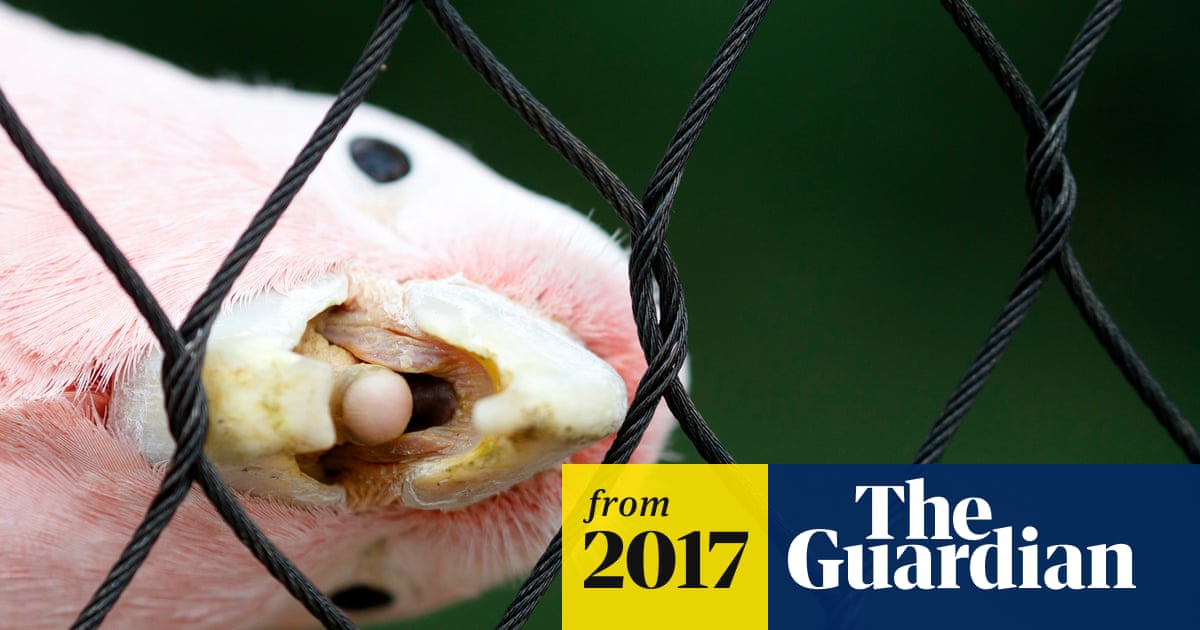
Birds need fresh water for drinking and bathing. A clean birdbath or shallow dish with water encourages them to visit regularly. Change the water every day to prevent disease and keep it safe for all visitors.
Have you ever noticed birds bathing vigorously? It’s a critical behavior for maintaining healthy feathers. Adding a water feature is an easy way to support your feathered friends without feeding them directly.
Credit: www.theguardian.com
Frequently Asked Questions
Why Is Feeding Birds Harmful To Their Health?
Feeding birds human food can cause malnutrition and illness. It disrupts their natural diet and weakens their immune system. Birds may become dependent on unnatural food sources, leading to poor health and increased risk of disease.
How Does Feeding Birds Affect Their Natural Behavior?
Feeding birds alters their foraging habits and social behavior. It can make them reliant on handouts, reducing their survival skills. This dependency disrupts migration patterns and natural predator-prey relationships, negatively impacting bird populations.
Can Feeding Birds Spread Diseases?
Yes, feeding birds in one spot increases disease transmission. Crowded feeding areas promote the spread of infections among birds. Contaminated food and feeders can also harbor harmful bacteria and parasites.
Does Feeding Birds Cause Environmental Problems?
Feeding birds often leads to litter and pollution. Leftover food attracts pests like rats and insects. It can also harm local plant life and disrupt ecosystems by encouraging unnatural bird concentrations.
Conclusion
Feeding birds may seem kind but can cause harm. It changes their natural habits and diet. Birds may become dependent on human food. This leads to poor health and fewer survival skills. Crowding at feeding spots spreads diseases easily. Wild birds do best when left to find food themselves.
Protect their natural ways to help them thrive. Respect nature by not feeding birds. Let them stay wild and healthy.