
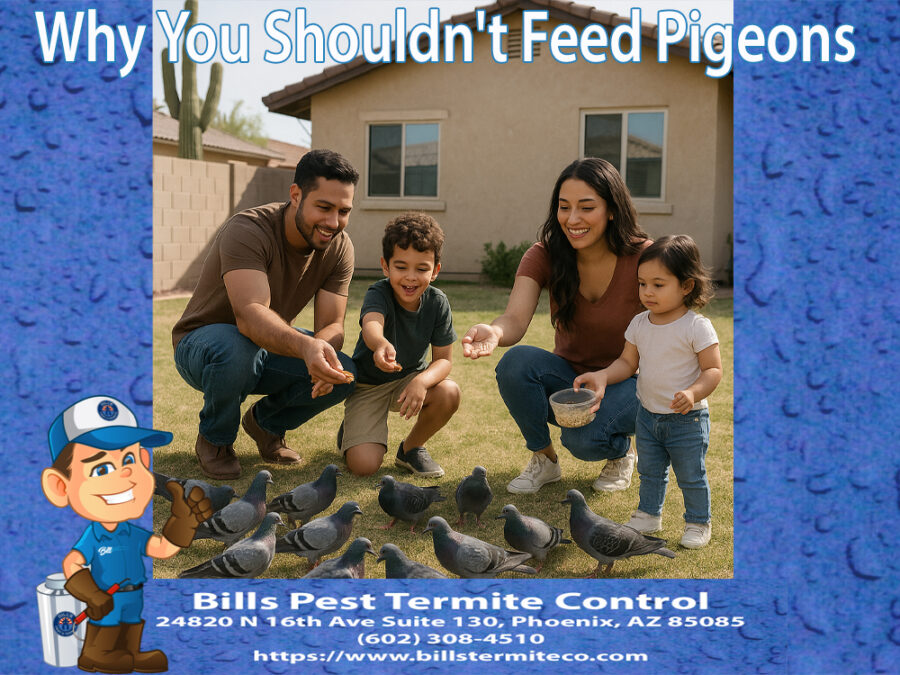
Have you ever seen a sign that says, “Don’t feed the birds,” and wondered why it’s so important? You might think feeding birds is a kind, harmless act.
But what if this simple action could actually cause more harm than good? Understanding the real meaning behind “Don’t feed the birds” can change how you interact with nature and protect the environment around you. Keep reading to discover why this small rule matters so much and how it affects you, the birds, and your community.
The Purpose Behind ‘don’t Feed The Birds’
Signs that say “Don’t Feed the Birds” are common in parks and public spaces. These signs are not just rules but have important reasons behind them. Understanding these reasons helps us protect birds and our environment.
The Impact On Bird Health
Feeding birds human food can harm their health. Bread and snacks lack the nutrients birds need. This causes malnutrition and weakens their immune system. Sick birds may spread diseases to others.
Changes In Bird Behavior
Birds may become dependent on humans for food. This changes their natural habits and survival skills. They may lose the ability to find food on their own. Dependency increases their risk during food shortages.
Environmental Consequences
Leftover food attracts pests like rats and insects. This creates an unhealthy environment for people and animals. Uneaten food pollutes water and soil. This affects plants and other wildlife too.
Maintaining Clean Public Spaces
Feeding birds often leads to litter and mess. Bird droppings can damage buildings and benches. Clean parks are safer and more enjoyable for everyone. Following the rule helps keep public areas tidy.
How Feeding Birds Affects Their Health
Feeding birds might seem like a kind act, but it can have unintended effects on their health. Understanding these impacts helps you make better choices for the birds you enjoy watching. Let’s look closely at how feeding birds affects their well-being.
Nutritional Imbalance
Birds have specific dietary needs that vary by species. When you feed them bread or processed snacks, they miss out on essential nutrients like protein and vitamins. This can weaken their immune system and stunt their growth.
Think about it: Would you thrive on junk food alone? Birds are no different. Providing natural foods like seeds or fruits supports their health far better than human leftovers.
Dependency On Humans
Regular feeding can make birds rely on humans instead of foraging naturally. This dependency reduces their survival skills and ability to find food on their own. It also changes their natural behaviors, making them less cautious of dangers.
Have you noticed birds gathering in large groups near feeders? This behavior wouldn’t happen if they were fully self-reliant. Consider how your actions might affect their independence.
Spread Of Diseases
Feeding birds in one spot attracts many of them, increasing the risk of disease transmission. Crowded feeders become hotspots for bacteria, fungi, and parasites. Ill birds can pass infections to healthy ones quickly.
Maintaining clean feeding areas and limiting feeding frequency can reduce this risk. Ask yourself if your feeding habits might unintentionally harm the birds you want to help.
Impact On Bird Behavior And Ecosystems
Feeding birds might seem harmless, but it affects their natural behavior and local ecosystems. Human food changes how birds find and eat their food. It also causes fights and crowding among bird groups. These changes ripple through the whole environment, disturbing other animals and plants.
Altered Natural Foraging
Birds depend on searching for natural food like seeds and insects. Feeding them human snacks makes birds lazy. They stop exploring for real food. This weakens their survival skills. Young birds may never learn to find food themselves. It also changes their diet, which can harm their health.
Aggression And Overcrowding
Feeding spots attract many birds at once. Crowds cause fights over food. Stronger birds push weaker ones away. This stress can injure birds or stop some from eating. Overcrowding spreads diseases fast. It also scares shy birds, forcing them to leave their homes.
Disruption Of Local Wildlife
Bird feeding affects more than just birds. It changes the balance of local animals. Predators may gather near feeding areas, hunting more. Other wildlife may lose access to food or shelter. Plants suffer too, as birds eat fewer seeds naturally. This leads to fewer new plants growing.

Credit: www.allaboutbirds.org
Environmental Consequences Of Feeding Birds
Feeding birds might seem kind, but it causes many environmental problems. Human food changes natural habits and harms local ecosystems. The consequences affect more than just the birds. They impact plants, animals, and the cleanliness of the area. Understanding these effects helps protect nature and keeps parks clean.
Litter And Pollution
Leftover food and wrappers create litter. Birds often scatter food, making the ground dirty. This trash attracts pests like rats and insects. Pollution from waste can harm soil and water. Parks and natural areas lose their beauty and health.
Attracting Predators
Feeding birds draws predators closer to people. Animals like cats, raccoons, and foxes come looking for easy meals. This can scare or harm local wildlife. Predators may also carry diseases that spread to birds and humans. Feeding birds changes the natural balance of the ecosystem.
Damage To Vegetation
Birds gather in large groups near food sources. Their activity can break branches and trample plants. Over time, this damages the local vegetation. Plants may struggle to grow back, reducing habitat for other animals. The natural environment becomes weaker and less diverse.
Alternatives To Feeding Birds
Feeding birds may seem like a kind gesture, but it can disrupt their natural habits and diets. Instead, there are smarter ways to enjoy and support birds without causing harm. These alternatives help maintain a healthy environment for birds while still letting you connect with nature.
Creating Bird-friendly Habitats
Giving birds a natural place to live is one of the best ways to support them. You can plant native trees, shrubs, and flowers that provide food and shelter. Think about adding a small water source like a birdbath or shallow pond to attract a variety of species.
Have you noticed how birds flock to areas with plenty of natural cover? By creating layers of plants and leaving leaf litter, you offer safe spaces for nesting and hiding from predators. This also encourages birds to feed on natural insects rather than relying on handouts.
Supporting Conservation Efforts
Many organizations work hard to protect bird habitats and populations. You can support these groups by donating, volunteering, or spreading awareness. Your involvement helps fund research and habitat restoration projects that have a lasting impact.
Ever wondered how your small actions add up? Joining local bird counts or habitat clean-ups connects you directly to conservation efforts. It’s a rewarding way to see real change while learning more about your local birds.
Using Bird Feeders Responsibly
If you choose to use bird feeders, it’s important to do so carefully. Clean feeders regularly to prevent disease and avoid feeding birds processed or unhealthy foods. Opt for seeds that suit local species, like sunflower seeds or millet, to support their natural diets.
Consider placing feeders in safe spots away from windows to reduce collision risks. Have you thought about limiting feeding to certain times of the year? This can encourage birds to forage naturally during other seasons, keeping them healthy and independent.
Credit: www.theguardian.com
Credit: www.theguardian.com
Frequently Asked Questions
What Does “don’t Feed The Birds” Mean?
“Don’t feed the birds” advises against giving food to wild birds. It helps prevent dependency and health issues in birds. The phrase encourages respecting natural bird behaviors and maintaining clean public spaces.
Why Should We Avoid Feeding Birds In Public Places?
Feeding birds in public places causes overcrowding and aggressive behavior. It spreads diseases among birds and creates messes. Avoiding feeding helps protect wildlife and keeps the environment clean.
How Does Feeding Birds Affect Their Natural Habits?
Feeding birds disrupts their natural foraging skills. It makes them reliant on human food, which may lack nutrients. This reliance can reduce their survival instincts and affect their overall health.
Are There Risks To Humans From Feeding Birds?
Yes, feeding birds can increase disease transmission to humans. Bird droppings may carry harmful bacteria and fungi. It also attracts pests and creates unhygienic conditions in public areas.
Conclusion
Feeding birds may seem kind but can cause harm. It changes their natural habits and health. Wild birds find food best on their own. Human food often lacks the nutrients they need. Keeping birds wild helps protect their environment. Respecting nature means letting animals live naturally.
Small actions make a big difference for wildlife. Remember, watching birds is better than feeding them. Let’s care for birds in a safe and smart way.