
Have you ever wondered what animal could take down your bird feeder? You put it up to enjoy watching colorful birds, but something keeps knocking it over or stealing all the seeds.
It’s frustrating, right? Finding out which sneaky creature is behind the mess can help you protect your feeder and keep your feathered friends happy. Keep reading to discover the surprising animals that might be causing trouble in your yard—and how you can stop them for good.

Credit: www.yahoo.com
Common Bird Feeder Raiders
Bird feeders attract more than just birds. Many animals see them as easy food sources. These common raiders can cause damage and steal seeds. Knowing who visits helps protect your feeder.
Squirrels
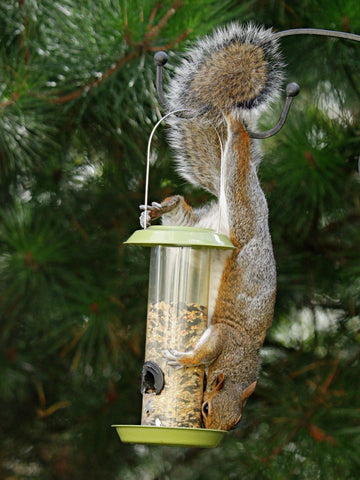
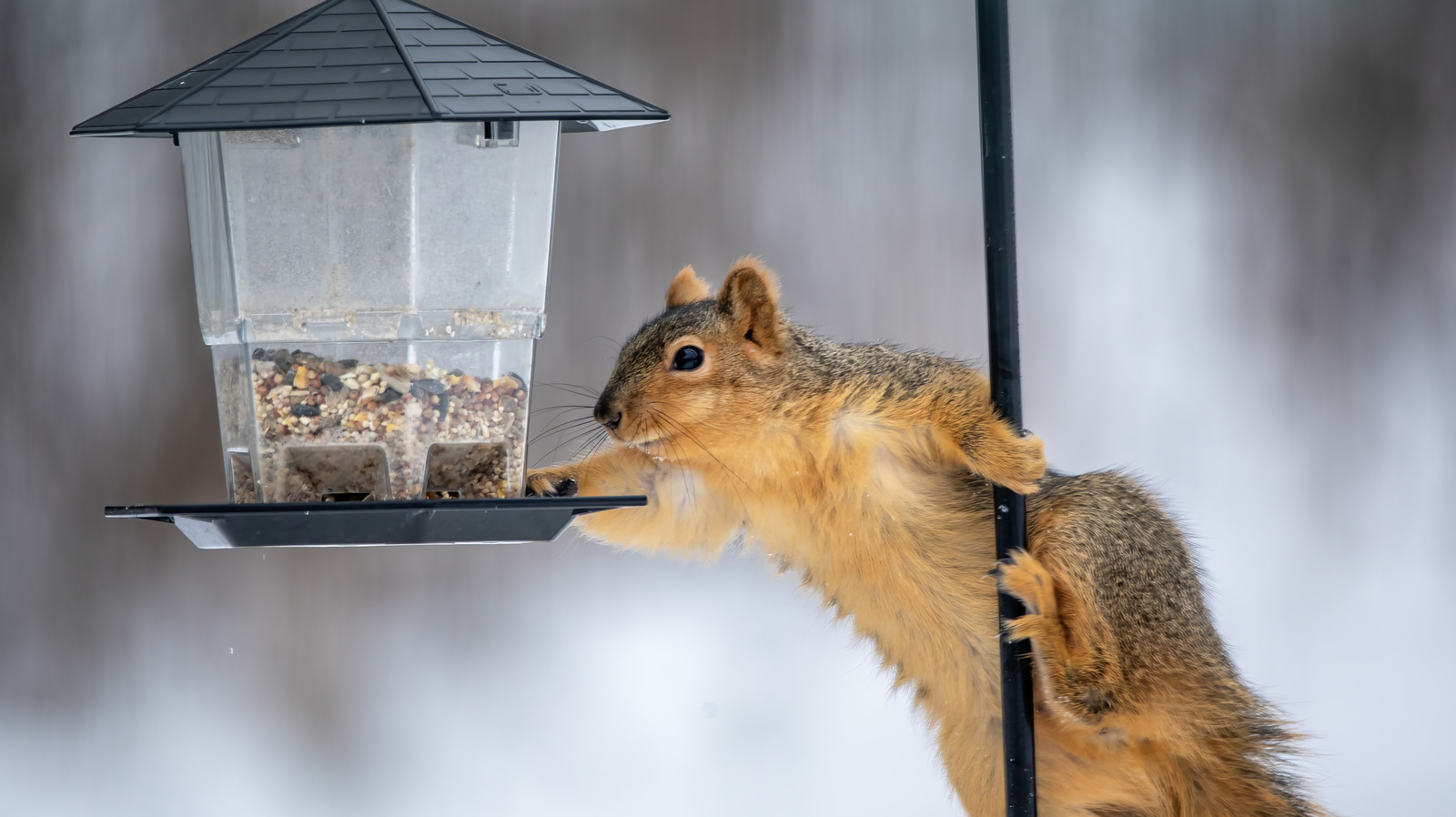
Squirrels are the most frequent bird feeder visitors. They are quick and clever climbers. Squirrels often chew through feeder parts. Their goal: to reach the tasty seeds inside.
They jump from trees or nearby structures. Squirrels can empty a feeder in minutes. Their persistence makes them tough to stop.
Raccoons
Raccoons come out mostly at night. They use their strong paws to open feeders. Raccoons can tip over or break feeders. They eat seeds and sometimes birds’ eggs.
These nocturnal raiders are very cautious. They watch for humans before approaching. Raccoons are large and can cause damage quickly.
Chipmunks
Chipmunks are smaller but just as hungry. They scurry around feeders on the ground. Chipmunks grab seeds and stash them nearby. They can enter feeders with small openings.
These little thieves work fast and often. They rarely cause big damage but reduce seed supply. Chipmunks are active during the day.
Deer
Deer are not typical bird feeder raiders. Still, they sometimes nibble on feeders or seeds beneath. Deer prefer easy-to-reach food. They can push over light feeders by accident.
Deer visit mostly in the early morning or evening. Their size makes them a challenge for feeder owners. Protecting feeders from deer needs sturdy designs.
Birds That Can Be Aggressive
Some birds show strong, aggressive behavior at feeders. They can scare smaller birds away and even damage the feeder itself. Understanding which birds can be aggressive helps protect your bird feeder and keep it safe for all visitors.
Crows And Ravens
Crows and ravens are very smart and bold birds. They often dominate feeding areas. Their large size and strong beaks let them break feeder parts easily. These birds will chase away smaller birds quickly. They can also drop or shake feeders to get seeds.
Blue Jays
Blue jays are known for their loud calls and assertive nature. They guard feeders and push other birds aside. Their strong bills allow them to pry open feeder compartments. Blue jays can be persistent and return often, creating stress for other birds.
Woodpeckers
Woodpeckers have powerful beaks made for drilling into wood. They can peck holes in wooden feeders or damage plastic parts. These birds may also cling tightly, shaking the feeder. Their visits can lead to feeder wear and tear over time.
Nocturnal Visitors
Nocturnal visitors often become unexpected guests at your bird feeder, especially when daylight fades. These creatures are active under the cover of darkness and can be surprisingly clever at getting to the food you leave out. Understanding who they are can help you protect your feeder and keep your backyard bird-friendly.
Owls
Owls are silent hunters that might seem unlikely to raid a bird feeder, but some species are attracted to the small birds that come for seeds. They don’t eat seeds themselves but may perch nearby, waiting for an easy meal. If you notice fewer small birds around your feeder at night, an owl might be the reason.
To deter owls, consider installing motion-activated lights or sounds. These can make your feeder less appealing to a predator waiting in the dark.
Bats
Bats are often misunderstood when it comes to bird feeders. While they don’t eat seeds, they are attracted to the insects that gather around feeders, especially if you use sugary nectar. This can cause a bit of chaos as they flutter near your feeder at night.
To keep bats at bay, try using feeders designed to minimize insect attraction or place your feeder in a location less accessible to flying insects. This way, you reduce the indirect appeal to bats.
Possums
Possums are notorious for raiding bird feeders under the cover of night. They are agile climbers and have a strong appetite for seeds, fruits, and even suet cakes. If you wake up to an emptied feeder or scattered seeds, possums might be the culprits.
One practical tip is to use possum-proof feeders or hang your feeder on poles with baffles. These barriers prevent possums from reaching your feeder, saving your bird food and your patience.
Credit: www.housedigest.com
Signs Of Different Intruders
Identifying the signs left behind by animals raiding your bird feeder can help you figure out exactly which critter is causing trouble. Different intruders leave distinct clues that make it easier to pinpoint the culprit. Paying close attention to these signs not only helps protect your feeder but also guides you in choosing the right deterrent.
Chew Marks And Damage
Look closely at the feeder itself. Squirrels often leave large, rough chew marks on wooden or plastic parts as they try to get inside. Rats and mice tend to make smaller, more precise gnaw marks, especially near seed compartments.
Birds usually don’t cause physical damage, but raccoons and possums can rip apart feeders, leaving torn plastic or bent metal. Have you noticed your feeder looking battered or parts missing? That’s a strong clue about who’s been visiting.
Tracks And Droppings
Checking the area around your feeder for tracks is a smart move. Squirrels leave small, hand-like prints with visible claw marks, while raccoons show five-fingered tracks that look like tiny hands. Mice and rats leave tiny footprints and may tunnel near the base.
Droppings are another telltale sign. Raccoon droppings are large and tubular, often found near their feeding spots. Mouse droppings are small, dark, and pellet-shaped, scattered in clusters. Spotting these can confirm which animals frequent your feeder.
Feeding Patterns
Observe when the feeder is being raided. Squirrels and birds are active during the day, so damage occurring in daylight often points to them. Nocturnal visitors like raccoons and possums strike at night, so if seed is mysteriously disappearing by morning, look for nighttime intruders.
Also, notice what’s being eaten. Squirrels favor sunflower seeds and peanuts, while birds might pick through a variety of seeds. If you find your feeder emptied of all seed types, raccoons could be the culprits, as they don’t discriminate much.
Have you ever tracked the exact time your feeder gets raided? Doing so might surprise you with unexpected visitors you never suspected before.
Preventing Animal Attacks
Bird feeders attract more than just birds. Squirrels, raccoons, and other animals may try to raid them. Preventing these animal attacks helps keep your feeder safe and your garden clean. Use smart methods to protect your feeder without harming wildlife.
Feeder Design Tips
Choose feeders made with sturdy, animal-proof materials like metal or heavy plastic. Look for feeders with weight-sensitive perches that close access when heavy animals land. Avoid feeders with easy-to-open lids or loose parts. Smaller feeding ports help keep larger animals out. Consider designs with built-in baffles to block climbing animals.
Placement Strategies
Place feeders away from trees, fences, or structures animals can climb. Hang feeders high enough so squirrels cannot jump onto them. Use thin, smooth poles to hold feeders and prevent climbing. Keep feeders at least 10 feet from launch points like branches. Clear nearby brush that can hide or support animals.
Deterrents And Barriers
Install baffles below or above feeders to block climbing animals. Use metal or plastic guards around feeder poles. Try natural repellents like hot pepper sprays on feeder parts. Motion-activated lights or sprinklers can scare off unwanted visitors. Use slippery materials such as grease or tape to stop climbing.
:max_bytes(150000):strip_icc()/GettyImages-2127194441-cb7cb448aa164688aee85075217155d4.jpg)
Credit: www.thespruce.com
Frequently Asked Questions
What Animals Commonly Destroy Bird Feeders?
Squirrels, raccoons, and bears often damage bird feeders. These animals seek easy food sources. Their strength and persistence cause feeder destruction.
How Do Squirrels Take Down Bird Feeders?
Squirrels chew feeder parts and hang from them. They are agile and persistent. Their sharp teeth damage feeders quickly.
Can Raccoons Climb To Reach Bird Feeders?
Yes, raccoons are excellent climbers. They climb poles, trees, or walls to access feeders. Their dexterous paws help them grab food.
What Bird Feeder Designs Prevent Animal Damage?
Feeders with metal guards, weight-sensitive perches, or cages deter animals. These designs restrict access for larger animals like squirrels or raccoons.
Conclusion
Many animals can take down a bird feeder, from squirrels to raccoons. Each one has its own way to reach the food. Protecting your feeder means knowing which animal causes trouble. Simple steps like using baffles or placing feeders in safe spots help a lot.
Watching your feeder closely can teach you who visits. This helps you choose the best way to keep your bird feeder safe. Enjoy feeding birds without losing your seeds to other animals. Keep your yard peaceful and full of happy birds.