
Have you ever found a tiny baby bird that needs your help? Knowing what to feed baby birds can be tricky, but it’s important to get it right.
If you give them the wrong food, it could harm their health or slow down their growth. You want to help them grow strong and healthy, but where do you start? This guide will show you exactly what you can feed to baby birds to keep them safe and well-nourished.
Keep reading, and you’ll discover simple tips that make a big difference for these fragile little creatures.
Baby Bird Diet Basics
Feeding baby birds requires more than just offering food; it involves understanding their unique dietary needs. Their growth depends heavily on the right balance of nutrients, feeding times, and portions. Knowing these basics can make a big difference in your success as a caregiver.
Key Nutrients For Growth
Baby birds need a mix of proteins, fats, vitamins, and minerals to grow strong. Protein supports muscle and feather development, while fats provide essential energy. Calcium is crucial for bone growth, especially in species that develop quickly.
Offering a diet rich in these nutrients helps prevent deformities and boosts survival rates. Have you noticed how picky some birds can be? That’s because their bodies demand specific nutrients at different stages.
Differences Among Species
Not all baby birds eat the same foods. For example, insect-eating species need high-protein diets, while seed-eaters require softer seeds and grains. Waterfowl chicks often eat small aquatic organisms rather than insects or seeds.
Understanding the natural diet of the bird species you’re feeding is essential. Feeding a baby bird the wrong diet can cause malnutrition or digestive problems. Have you researched the specific needs of the bird in your care before feeding?
Feeding Frequency And Amounts
Baby birds have small stomachs and fast metabolisms, so they need frequent, small meals. Newly hatched birds may require feeding every 15-20 minutes during daylight hours. As they grow, feeding intervals lengthen, and the amounts increase.
Overfeeding or underfeeding can be harmful. Watch the bird’s behavior and growth to adjust feeding schedules. Are you prepared to feed a baby bird through the night if necessary?
Safe Foods For Baby Birds
Feeding baby birds the right foods is crucial for their growth and survival. You want to offer them meals that are nutritious and safe, avoiding anything that could harm their delicate systems. Knowing which foods to provide can make all the difference in helping these little creatures thrive.
Insects And Protein Sources
Baby birds need plenty of protein to grow strong muscles and feathers. Live or chopped insects like mealworms, crickets, and small caterpillars are excellent choices. You can also offer finely chopped hard-boiled eggs as a safe protein source.
Be careful to avoid insects that may be toxic or caught in pesticide-treated areas. If you’re unsure, stick to commercially raised insects or those you find in clean environments. Have you ever noticed how quickly baby birds perk up after a protein-rich meal?
Fruits And Vegetables
Fresh fruits and vegetables provide essential vitamins and hydration. Soft fruits such as mashed bananas, berries, and cooked apples work well. Vegetables like peas, carrots, and leafy greens should be finely chopped or pureed for easy digestion.
Remember to avoid citrus fruits and anything with seeds that can be toxic or cause choking. Offering a variety of colors and types can stimulate the baby bird’s appetite and keep their diet balanced. Have you tried mixing different fruits and veggies to see which your baby bird prefers?
Commercial Baby Bird Foods
Specially formulated commercial baby bird foods are designed to meet all nutritional needs. These come as powders or pellets that you can mix with water to create a soft mash. They’re especially useful if you don’t have access to fresh insects or produce.
Using commercial foods ensures consistent nutrition and can reduce the risk of feeding harmful substances. Always choose brands made for baby birds and follow the package instructions carefully. Could this be the easiest way to provide a safe, balanced diet for your feathered friend?
Foods To Avoid
Feeding baby birds requires caution to keep them safe and healthy. Certain foods and plants can harm or even kill them. Knowing what to avoid is as important as knowing what to feed. Below are key foods and practices to steer clear of.
Toxic Plants And Foods
- Avocado contains persin, which is poisonous to birds.
- Onions and garlic can cause digestive problems and poisoning.
- Chocolate is toxic and can damage a bird’s heart and nervous system.
- Caffeine from coffee or tea is harmful and should never be given.
- Fruit seeds like apple and cherry pits contain cyanide, which is deadly.
Processed Human Foods
- Salty snacks can cause dehydration and kidney damage in birds.
- Sugary treats upset their digestion and can lead to illness.
- Fast food lacks the nutrients birds need to grow properly.
- Bread offers little nutrition and can cause choking or bloating.
- Milk and dairy products often cause stomach upset in birds.
Harmful Feeding Practices
- Never feed baby birds milk or water directly from a spoon.
- Do not give whole seeds that can block their throats.
- Avoid feeding cold food; it can lower their body temperature.
- Refrain from overfeeding, which can cause choking or stress.
- Do not use honey; it may contain bacteria harmful to birds.

Credit: swibirds.org
Feeding Techniques
Feeding baby birds requires care and attention to keep them healthy. Proper feeding techniques help the birds get the right nutrition. It also prevents injury and stress during feeding. Understanding how to feed and when to feed is key to their growth.
Hand-feeding Tips
Wash your hands before feeding to avoid germs. Use a gentle touch to avoid hurting the bird. Offer small amounts of food slowly. Keep the baby bird warm during feeding. Hold the bird securely but gently to prevent escape. Feed in a quiet place to reduce stress.
Using Feeding Tools
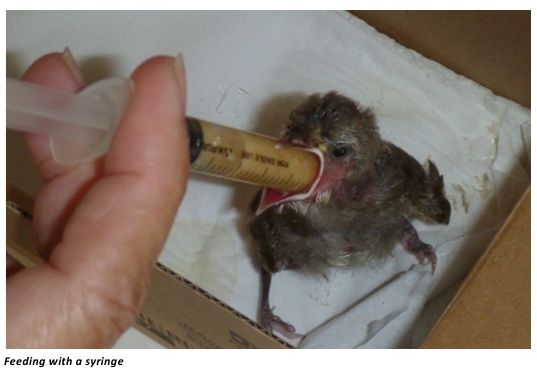
Use tools like small syringes or spoons for precise feeding. Make sure the tool is clean and safe. Warm the food to body temperature before feeding. Avoid using sharp or rough tools that can hurt the bird. Use soft, flexible tools to mimic a parent bird’s mouth. Clean tools after each feeding to keep them sterile.
Recognizing Hunger Cues
Baby birds show signs when they are hungry. Look for open mouths or soft chirping sounds. They may move their heads toward food. Notice restlessness or increased movement. Feed only when they show these signs. Overfeeding can cause health problems. Watch for fullness by slowing down feeding or closing their mouths.
Hydration Needs
Baby birds need water to stay healthy and grow strong. Hydration is as important as food. They lose water quickly because of their small size. Providing clean water helps their bodies work well. Too little water can cause serious health problems fast.
Water Supply And Safety
Offer fresh water in a shallow dish. The dish should be easy for the baby bird to reach. Change the water daily to keep it clean. Avoid using deep containers that can cause drowning. Do not give sugary or flavored drinks. Plain water is best for hydration. Keep the water area safe from predators and dirt. Use a small dropper to offer water if the baby bird is weak.
Signs Of Dehydration
Watch for these signs to know if a baby bird is dehydrated:
- Sunken eyes
- Dry mouth or tongue
- Weakness or lethargy
- Cold and wrinkled skin
- Reduced movement and feeding
Dehydration needs quick action. Offer water carefully and seek expert help if needed. Early care can save a baby bird’s life.
Transitioning To Solid Food
Transitioning baby birds to solid food is a crucial stage in their development. It requires patience and careful attention to their changing needs. You want to ensure they get the right nutrients while learning to eat on their own.
Gradual Diet Changes
Start by mixing soft, easy-to-digest foods with what the baby bird is already eating. For example, you can mash cooked vegetables or fruits and blend them with a bit of formula. This helps the bird get used to new textures without overwhelming its system.
Introduce small amounts of solid food slowly over several days. Watch how your bird reacts—if it resists or shows discomfort, slow down the transition. Consistency and gentle encouragement make a big difference.
Encouraging Independent Feeding
Once your baby bird is comfortable with solids, encourage it to feed itself. Place small pieces of food within easy reach and show patience as it learns to pick up and eat on its own. This step builds confidence and self-sufficiency.
Try offering a variety of foods like soft fruits, insects, or soaked pellets to keep your bird interested. Remember, every bird adapts at its own pace—your support helps it thrive. Have you noticed which foods your baby bird prefers most?
When To Seek Expert Help
Knowing when to seek expert help for baby birds is vital. Feeding them the right food is important, but some situations need professional care. Early intervention can save their lives and improve their health.
Watch the bird closely. Certain signs show that the baby bird may need more than just your feeding efforts. Acting quickly helps prevent serious problems.
Signs Of Malnutrition
- Weak or lethargic behavior
- Slow or no weight gain
- Fluffed up feathers for long periods
- Difficulty breathing or noisy breaths
- Dehydration, indicated by dry skin or sunken eyes
- Refusal to eat or weak sucking reflex
- Visible injuries or deformities
These signs show the baby bird is struggling. Immediate expert help is necessary to improve its chances of survival.
Veterinary Care Options
- Wildlife rehabilitators specialize in caring for baby birds.
- Avian veterinarians provide medical treatment and advice.
- Some clinics offer emergency care for injured birds.
- Experts can provide proper diets and hydration techniques.
- They monitor the bird’s health and development closely.
- Rehabilitation centers prepare birds for safe release into the wild.
Contacting professionals ensures the baby bird receives the correct care. It prevents harm from improper feeding or handling.

Credit: www.discovermagazine.com

Credit: www.youtube.com
Frequently Asked Questions
What Foods Are Safe To Feed Baby Birds?
Safe foods include soaked dog or cat kibble, finely chopped hard-boiled eggs, and mealworms. Avoid processed human foods, bread, or milk. Always provide fresh water and feed appropriate amounts to avoid harm.
Can I Feed Baby Birds Bread Or Milk?
No, bread and milk are harmful to baby birds. Bread offers no nutrition and can cause choking. Milk can upset their digestive system. Stick to natural, protein-rich foods for healthy growth.
How Often Should Baby Birds Be Fed?
Feed baby birds every 15 to 20 minutes during daylight hours. Young birds need frequent feeding to maintain energy and support rapid growth. Avoid overfeeding and monitor their condition closely.
Are Insects Good For Feeding Baby Birds?
Yes, insects like mealworms and crickets are excellent protein sources. They mimic the natural diet of many baby birds. Ensure the insects are pesticide-free and appropriately sized for safe consumption.
Conclusion
Feeding baby birds the right food helps them grow strong and healthy. Offer soft, easy-to-digest foods like insects or soaked pellets. Avoid giving bread or milk, as these can harm them. Always provide fresh water nearby. Observe the birds carefully to see what they prefer.
Remember, gentle care makes a big difference. Helping baby birds thrive supports nature around us. Keep learning about their needs and enjoy watching them grow. Small efforts can lead to big rewards. Caring for baby birds feels truly rewarding.