
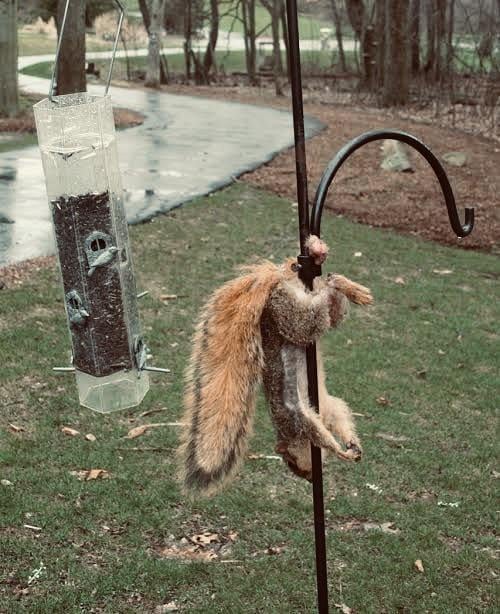
Are squirrels turning your bird feeder into their personal snack bar? If you’re tired of chasing these clever little thieves away, you’re not alone.
But what if you could use a simple, everyday item to keep squirrels at bay and let the birds enjoy your feeder in peace? That’s where a slinky comes in. Yes, a slinky! This clever trick is easy to set up and surprisingly effective.
Keep reading to discover how you can protect your bird feeder and enjoy watching your feathered friends without any unwanted interruptions.
Credit: www.youtube.com
Why Squirrels Invade Bird Feeders
Squirrels often invade bird feeders because they are smart and hungry. These small animals are always searching for easy food sources. Bird feeders provide a tempting buffet that squirrels find hard to resist.
Understanding why squirrels are attracted to bird feeders helps in protecting your feeder effectively. Their natural behaviors and food preferences play a big role in their visits.
Common Squirrel Behaviors
Squirrels are curious and agile creatures. They climb trees and jump between branches. Their sharp claws help them grip surfaces easily.
They use their strong teeth to open containers and shells. Squirrels store food for winter, so they collect seeds and nuts. Their problem-solving skills let them find ways to reach bird feeders.
Attraction To Bird Feeders
Bird feeders are full of high-energy food. Seeds, nuts, and suet attract squirrels. These foods give squirrels the energy they need for their active lifestyle.
Feeders placed near trees or fences are easy for squirrels to reach. Bright colors and smells also draw squirrels closer. They learn quickly which feeders have the best food.

Credit: feedsnneeds.ca
Choosing The Right Slinky
Choosing the right slinky is key to effectively squirrel-proofing your bird feeder. Not every slinky will do the job, so you need to think about size and material carefully. The right choice can save you time, money, and frustration.
Size And Material Options
Size matters because the slinky needs to fit snugly around your bird feeder pole. If it’s too small, it won’t cover enough area to stop squirrels. Too large, and it might look awkward or fall off easily.
Material also plays a big role in durability. Metal slinkies tend to last longer outdoors and withstand weather better than plastic ones. However, plastic slinkies can work well if you want a lightweight option and plan to replace them regularly.
Think about the diameter of your feeder pole before buying. Some slinkies stretch, but others are more rigid. Choosing a slinky with enough stretch allows easy installation and removal when needed.
Where To Buy
You can find slinkies at many toy stores and online marketplaces like Amazon or eBay. Hardware stores sometimes carry metal spring coils similar to slinkies, which might be even better for outdoor use.
Look for slinkies labeled as “large” or “jumbo” to ensure they cover enough area. Reading customer reviews helps you spot which brands hold up well against squirrels and weather.
Don’t hesitate to check second-hand shops or community sales. Sometimes, a gently used slinky can work just as well and save you money. Have you ever thought about asking neighbors if they have one lying around?
Preparing The Bird Feeder
Preparing the bird feeder is the first step to keep squirrels away using a slinky. Proper cleaning and placement make the feeder less inviting to squirrels. Securing the feeder well helps the slinky work effectively as a barrier. These preparations give birds a safe place to feed without interruption.
Cleaning And Placement
Clean the bird feeder thoroughly before adding fresh seed. Remove old seeds, dirt, and debris. Use warm water and mild soap for cleaning. Rinse well to avoid harming birds.
Place the feeder where birds feel safe but squirrels find hard to reach. Choose a spot away from trees or structures squirrels can jump from. A clear area makes it easier to install the slinky and stop squirrels.
Securing The Feeder
Attach the feeder firmly to a pole or hanger. Use strong hooks or brackets that do not wobble. A steady feeder stops squirrels from shaking it loose.
Wrap the slinky around the pole below the feeder. The slinky should be tight enough to spin freely but not slide down. This spinning motion keeps squirrels from climbing up to the feeder.
Attaching The Slinky
Attaching the slinky to your bird feeder is a crucial step in keeping squirrels at bay. If done right, it creates a moving barrier that squirrels find difficult to navigate. But how do you fix it so it stays effective without damaging your feeder or posing risks to the birds?
Proper Positioning
Place the slinky around the pole or hanger of your bird feeder where squirrels usually climb. It should be high enough so squirrels can’t jump over it, but low enough for you to reach easily when refilling the feeder.
Make sure the slinky can spin freely. If it’s too tight, squirrels might get a grip. If it’s too loose, it won’t stay in place and won’t provide the slippery challenge squirrels need to be deterred.
Have you noticed how squirrels always try to reach from the side or bottom? Position the slinky so it blocks all common access points, giving squirrels no easy path.
Safe Attachment Methods
Use zip ties or lightweight wire to secure the slinky, but avoid squeezing it so tightly that it can’t spin. The goal is to allow movement, not immobilize the slinky.
Avoid using nails or anything sharp that could hurt the birds or damage your feeder. Soft fasteners protect your equipment and keep the setup safe for wildlife.
- Check attachments regularly to prevent wear and tear.
- Replace zip ties if they become brittle from sun exposure.
- Consider adding a small hook or loop at the top for easy removal and cleaning.
How often do you inspect your feeder setup? Regular checks ensure the slinky remains effective and safe for all visitors.
Testing And Adjusting
After setting up your slinky to protect your bird feeder, testing and adjusting is crucial to ensure it effectively keeps squirrels at bay. This phase helps you understand how squirrels interact with your setup and what tweaks might be necessary for better results. Paying close attention during this period will save you time and frustration down the line.
Observing Squirrel Behavior
Watch how squirrels approach your feeder after installing the slinky. Are they hesitating, or do they quickly figure out a way around it? Notice the time of day they are most active and whether they attempt to jump on or climb around the slinky.
Sometimes, squirrels may try to reach the feeder from nearby branches or poles. Do you see them using these routes to bypass the slinky? Understanding these patterns gives you clues about what adjustments you need to make.
Making Necessary Changes
If squirrels are still getting to the feeder, consider repositioning the slinky or adding another one. Moving the slinky higher or further out on the pole can make it harder for squirrels to reach the feeder.
Try different angles or tighten the slinky coils to create a more slippery surface. Adding a smooth plastic or metal baffle above or below the slinky can boost its effectiveness.
Ask yourself: Could the squirrels be using an unexpected path? Sometimes trimming nearby branches or clearing objects that act as launch pads is the key. Keep testing and adjusting until you find the sweet spot where squirrels give up.
Additional Tips For Squirrel Proofing
Using a slinky to squirrel proof your bird feeder is a clever start, but adding a few more tactics can boost your success. Squirrels are smart and persistent, so layering your defenses helps keep those furry intruders at bay. Here are some additional tips to make your setup even more effective.
Using Complementary Deterrents
Pairing the slinky with other deterrents can create a stronger barrier for squirrels. Try adding a baffle—a dome or cone-shaped shield—above or below the feeder to block climbing access. You can also use spicy bird seed sprays; squirrels dislike capsaicin but birds are unaffected.
Another option is placing the feeder on a pole with a grease band. The slippery surface makes it hard for squirrels to climb up. Have you noticed how squirrels often avoid feeders near noisy or moving objects? Hanging shiny objects or wind chimes nearby can add a level of discomfort that discourages visits.
Maintaining The Setup
Keep an eye on your squirrel-proofing tools to ensure they stay effective. The slinky can stretch out or shift over time, so adjust it regularly to maintain its tension and position. Clean off any seed spills around the feeder because leftover food attracts squirrels and other pests.
Weather can wear down deterrents, so inspect your setup after storms or heavy winds. If you spot damage or weaknesses, fix them promptly. Have you thought about rotating your deterrents occasionally? Changing things up can stop squirrels from adapting to your defenses.

Credit: happygardens.com
Frequently Asked Questions
How Does A Slinky Deter Squirrels?
A slinky acts as a barrier on bird feeder poles. When squirrels try to climb, the slinky stretches and bounces them off. Its movement and slipperiness make it difficult for squirrels to maintain grip, effectively preventing them from reaching the bird feeder and keeping your bird food safe.
Can A Slinky Harm Squirrels?
No, a slinky doesn’t harm squirrels. It simply acts as a deterrent by using motion and slipperiness. Squirrels remain unharmed when they attempt to climb. The slinky’s design ensures it’s a humane solution for keeping squirrels away from bird feeders.
How To Attach A Slinky To A Bird Feeder?
To attach, secure one end of the slinky to the top of the feeder pole. Allow it to hang down freely. Ensure it’s not too stretched. This setup makes it difficult for squirrels to climb, while allowing birds to enjoy the feeder undisturbed.
What Type Of Slinky Is Best For Bird Feeders?
A metal slinky works best for bird feeders. Metal is durable and provides the right amount of slipperiness. It withstands weather conditions better than plastic. Choosing a high-quality metal slinky ensures long-lasting protection against squirrels at your bird feeder.
Conclusion
Using a Slinky on your bird feeder stops squirrels from stealing seeds. The coil’s slippery surface makes it hard for squirrels to climb. It works without harming any animals. This simple trick saves your bird food and keeps squirrels busy elsewhere.
Try it out and watch birds enjoy their seeds peacefully. It’s an easy, low-cost way to protect your feeder. Squirrels won’t get a chance to spoil your birdwatching fun. Small changes can make a big difference in your garden.