
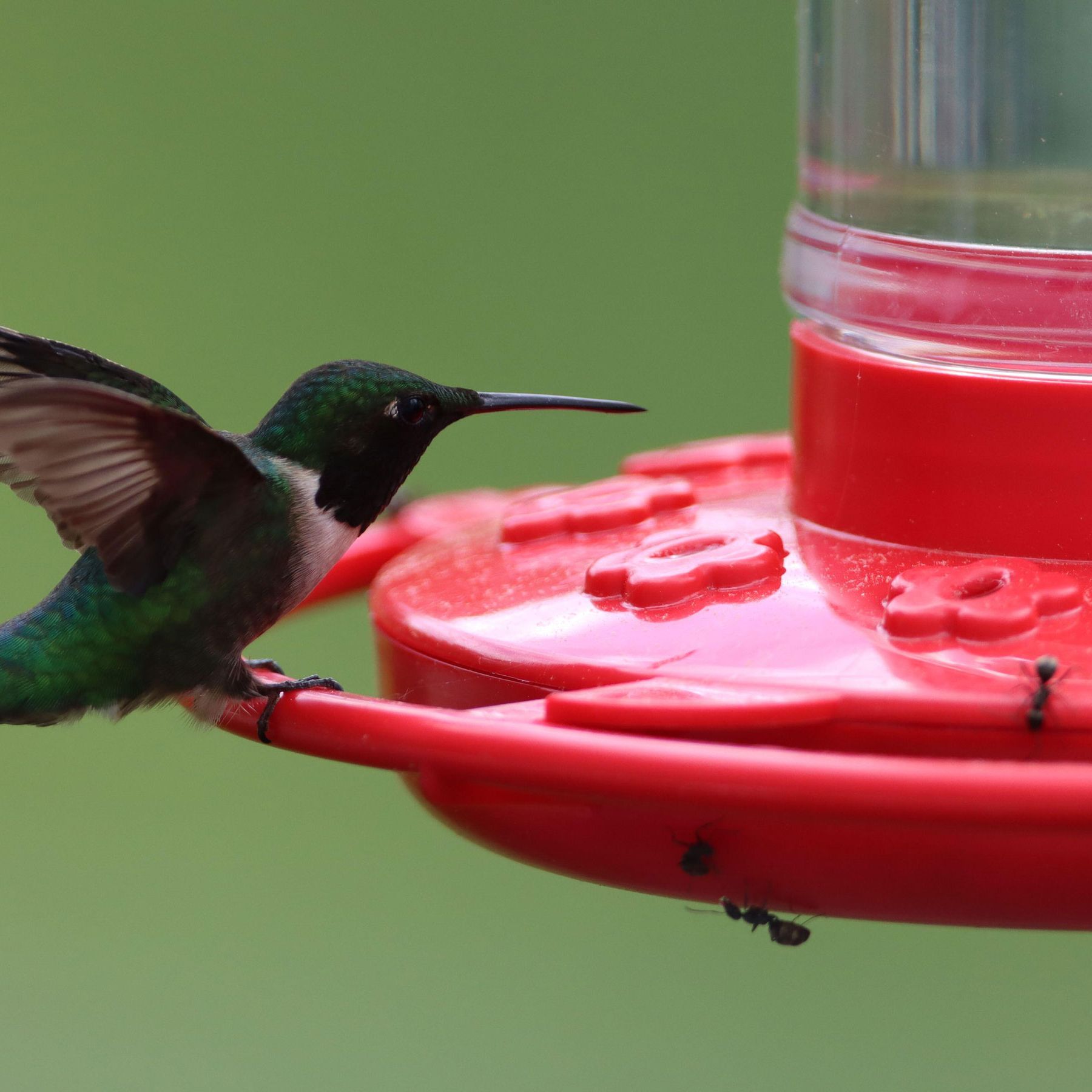
If you love watching hummingbirds flutter around your garden, you probably want to give them the best experience at your feeder. But here’s a question you might not have thought much about: Should your hummingbird feeder be covered or shaded?
The answer can make a big difference in attracting more birds and keeping their food fresh longer. You’ll discover simple tips that will help you create the perfect hummingbird feeding spot. Keep reading to learn how a little shade or cover can change everything for your tiny visitors.
Benefits Of Covering Hummingbird Feeders
Covering your hummingbird feeder offers several clear benefits that can improve the feeding experience for both you and the birds. It helps maintain nectar quality, ensures a safer feeding environment, and keeps the feeder functioning well over time. If you want to see more hummingbirds visiting regularly, consider how a simple shade or cover could make a big difference.
Protecting Nectar From Sunlight
Direct sunlight can quickly spoil the nectar by causing it to ferment or grow mold. Covering the feeder shields the nectar from harsh UV rays, keeping it fresh longer. Have you noticed your nectar turning cloudy fast? A shaded feeder might be the solution to keep the sweetness intact for your hummingbird visitors.
Reducing Temperature Fluctuations
Temperature swings can cause nectar to spoil or evaporate too fast. A cover helps stabilize the temperature around the feeder, preventing rapid heating during the day and cooling at night. This means less frequent refills and a more consistent food source for your hummingbirds. Wouldn’t it be nice to spend less time worrying about your feeder and more time watching the birds?
Preventing Contamination
Leaves, dirt, insects, and bird droppings can easily contaminate an uncovered feeder. A cover acts as a barrier, reducing the chance of debris falling into the nectar. This keeps the feeding area cleaner and healthier for hummingbirds. Have you ever found unwanted visitors swarming your feeder? Adding a cover can help keep the nectar safe and inviting for the right guests.
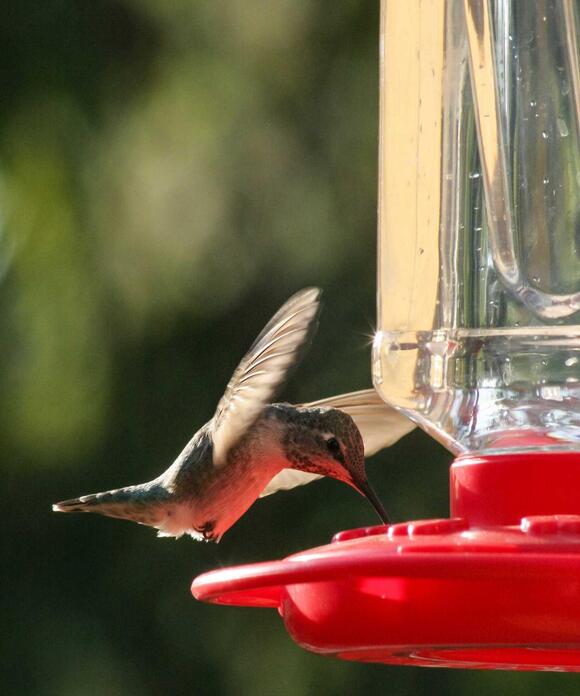
Credit: www.newsbreak.com
Advantages Of Shading Feeders
Shading hummingbird feeders offers several benefits that improve the feeding experience for these tiny birds. A shaded feeder stays cooler and cleaner. This helps hummingbirds visit more often and enjoy fresh nectar. Covering feeders from direct sunlight slows down nectar spoilage and keeps algae at bay.
Maintaining Nectar Freshness
Sunlight heats the nectar quickly. Warm nectar spoils fast and can harm hummingbirds. A shaded feeder stays cooler, which keeps nectar fresh longer. Fresh nectar attracts hummingbirds and keeps them healthy. Cooler nectar also reduces the need to refill the feeder often.
Attracting More Hummingbirds
Hummingbirds prefer cooler spots. A shaded feeder offers a comfortable place for them to feed. It protects them from harsh sun and helps them stay longer. More visits happen when feeders are in shady areas. Shade creates a natural and inviting environment for hummingbirds.
Minimizing Algae Growth
Direct sunlight encourages algae to grow inside the feeder. Algae can spoil nectar and block feeding ports. Shading feeders limits sunlight exposure and slows algae growth. This keeps the feeder cleaner for a longer time. Clean feeders reduce health risks for hummingbirds and make feeding easier.
Ideal Placement For Feeders
Finding the ideal spot for your hummingbird feeder can make all the difference in attracting these tiny wonders and keeping the nectar fresh. Placement affects not only the birds’ comfort but also the longevity of your feeder and nectar. Let’s look at some key factors that help you choose the best location.
Choosing The Right Location
Pick a spot where hummingbirds can easily spot your feeder. Near flowering plants or shrubs is a great choice because it mimics their natural feeding environment.
Make sure the location is visible from a window or patio so you can enjoy watching the birds. Also, place the feeder at a height that’s safe and reachable for the birds but out of easy reach of children and pets.
Avoiding Direct Sun Exposure
Direct sunlight heats the nectar quickly, causing it to spoil faster. This can turn the sweet liquid sour and even harmful to hummingbirds.
Try placing the feeder where it receives morning sun but is shaded during the hottest parts of the day. A shaded area under a tree or beside a porch roof works well.
Considering Predator Safety
Predators like cats and larger birds can threaten hummingbirds while they feed. Position your feeder away from places where these predators can easily hide or jump out from.
Keep the feeder at least 10 feet from dense bushes or fences where cats might lurk. You want your hummingbirds to feel safe and keep coming back without fear.
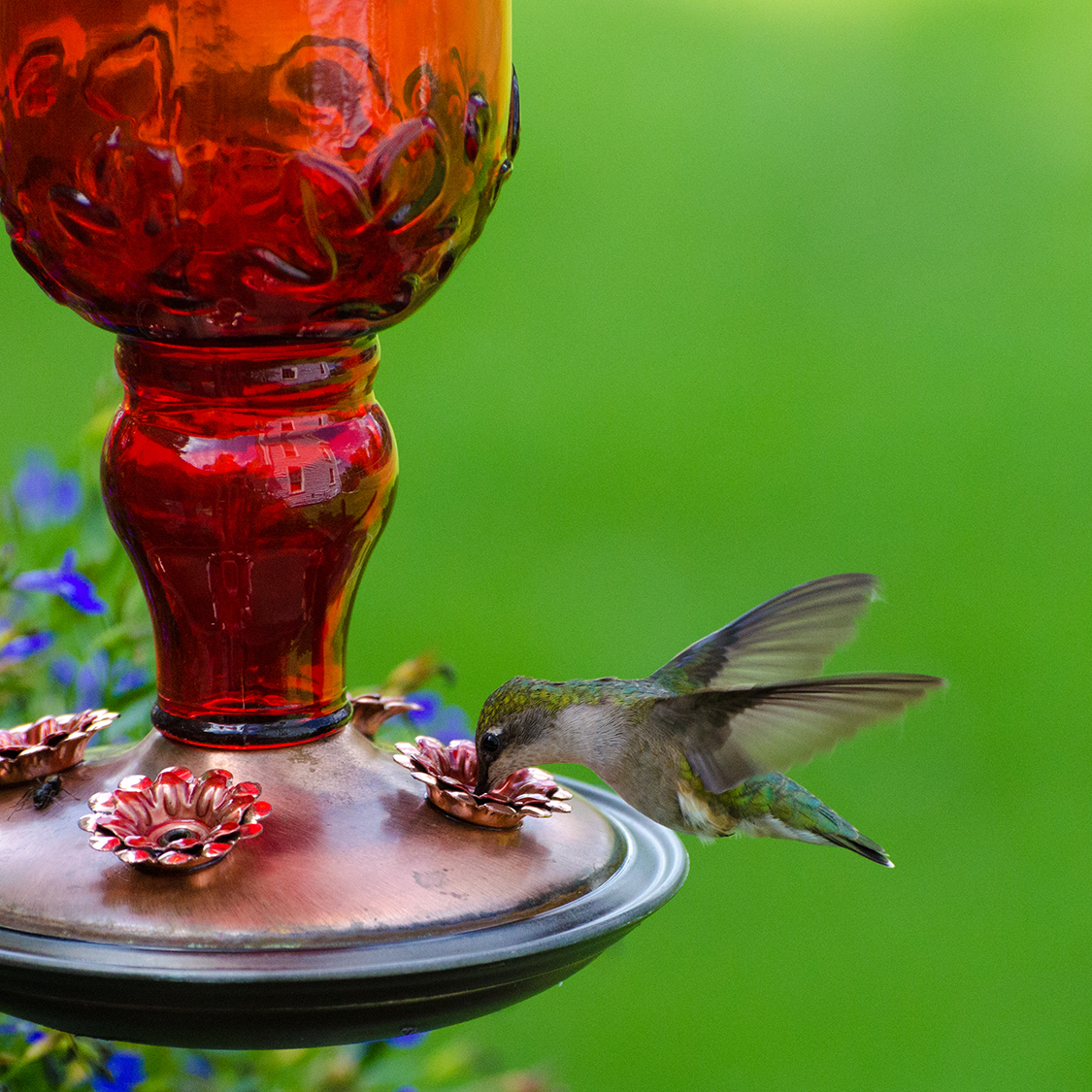
Credit: www.tomsguide.com
Materials And Designs For Covers
Choosing the right material and design for a hummingbird feeder cover is key to protecting the feeder and keeping the nectar fresh. Covers help shade the feeder from direct sun, reducing nectar spoilage. They also provide shelter from rain and keep insects away. The design should allow easy access for hummingbirds while offering enough protection.
Materials vary from natural elements to commercial products. Some designs blend well with garden settings, while others focus on durability and ease of use. The goal is a cover that is practical and attractive for both birds and gardeners.
Using Natural Shade Elements
Natural shade works well to protect hummingbird feeders. Trees and large shrubs provide cool spots and block harsh sunlight. Positioning feeders under leaves or branches helps maintain nectar quality.
- Choose trees with dense foliage for better shade.
- Place feeders on the shaded side of the tree.
- Use climbing plants or vines to create a natural canopy.
Natural shade looks beautiful and fits into the garden’s ecosystem. It also attracts hummingbirds by offering shelter and perching spots nearby.
Diy Cover Ideas
Making your own feeder cover can be fun and cost-effective. Simple materials like wood, fabric, or plastic can create effective shades.
- Wooden slats arranged as a small roof block sun and rain.
- Old umbrellas or hats can act as quick shade covers.
- Use breathable fabric like canvas to create a soft shade.
DIY covers allow customization to fit your feeder’s size and style. They also add a personal touch to your hummingbird setup.
Commercial Shade Options
Many stores sell ready-made covers designed for hummingbird feeders. These are made from durable materials like plastic, metal, or treated wood.
| Material | Benefits | Drawbacks |
|---|---|---|
| Plastic | Lightweight, weather-resistant | May fade in sun |
| Metal | Strong, long-lasting | Can get hot in direct sun |
| Wood | Natural look, sturdy | Needs maintenance to avoid rot |
Commercial options often have ventilation and easy installation. They ensure consistent protection and can last many seasons.
Maintenance Tips For Feeders
Maintaining a hummingbird feeder is key to keeping the birds healthy and happy. Proper care prevents mold, bacteria, and insect problems. Regular upkeep also extends the feeder’s life and keeps nectar fresh. Here are simple tips for feeder maintenance.
Regular Cleaning Schedule
Clean the feeder at least once a week. Use warm water and a mild soap. Avoid harsh chemicals that can harm birds. Rinse thoroughly to remove all soap residue. In hot weather, clean it more often to stop mold growth.
Replacing Nectar Timely
Change the nectar every 3 to 5 days. In hot weather, replace it every 2 days. Stale nectar can attract ants and harmful bacteria. Fresh nectar encourages hummingbirds to visit regularly. Store extra nectar in the fridge to keep it fresh.
Inspecting For Damage
Check the feeder for cracks or leaks regularly. Damaged feeders can spill nectar and waste food. Look for clogged feeding ports and clean them carefully. Replace parts if they show wear. A well-maintained feeder keeps birds safe and comfortable.
Common Mistakes To Avoid
Keeping your hummingbird feeder covered or shaded is important, but many people make mistakes that can harm the birds or reduce feeder effectiveness. Avoiding these common errors will help you create a safer and more inviting spot for hummingbirds. Let’s look at some key pitfalls to watch out for.
Overexposing Feeders To Sun
Placing your feeder in direct sunlight all day can cause the nectar to spoil quickly. Nectar exposed to heat ferments faster, which can be harmful to hummingbirds. Have you noticed your nectar turning cloudy or smelly after a few hours in the sun? That’s a sign you need more shade.
Try positioning the feeder where it gets morning sun but afternoon shade, or use a natural tree canopy for partial cover. This keeps the nectar fresh longer and attracts more hummingbirds.
Ignoring Feeder Cleanliness
A shaded feeder doesn’t help if it’s dirty. Old nectar encourages mold and bacteria growth, endangering the birds. You should clean your feeder at least once a week, and more often in hot weather.
Use hot water and a small brush to scrub all parts thoroughly. Skipping this step can turn your feeder into a health hazard, even if it’s perfectly shaded.
Using Harmful Cover Materials
Not all covers are safe. Some plastic or painted shades can release toxins when heated by the sun. Avoid using materials that might leach chemicals into the nectar or the environment around the feeder.
Natural options like untreated wood or shade from healthy plants are better choices. Have you checked what your feeder’s cover is made of? Ensuring it’s non-toxic keeps your hummingbird visitors safe and healthy.

Credit: www.birdwatchingdaily.com
Frequently Asked Questions
Should A Hummingbird Feeder Be Covered?
Yes, covering a hummingbird feeder helps protect the nectar from rain and debris. It also keeps the nectar cooler longer. A covered feeder reduces the risk of mold growth, ensuring cleaner food for the birds. This encourages more frequent visits and healthier hummingbirds.
Does Shading A Hummingbird Feeder Matter?
Shading a hummingbird feeder is important because it prevents nectar spoilage. Direct sunlight heats the nectar quickly, causing fermentation and mold. A shaded feeder stays cooler and lasts longer. This keeps hummingbirds safe and attracts more visitors to your garden.
How Does Covering Affect Nectar Quality?
Covering a feeder shields nectar from dust, rain, and insects. This protection maintains nectar purity and freshness. Clean nectar is vital for hummingbird health and feeding frequency. Covered feeders reduce contamination, making them more appealing and safer for hummingbirds.
Can Shading Prevent Nectar From Spoiling?
Yes, shading a feeder slows nectar spoilage by keeping it cooler. Heat speeds up fermentation and bacterial growth. A shaded feeder maintains nectar quality longer, reducing the need for frequent cleaning. This benefits both hummingbirds and feeder owners.
Conclusion
Covering or shading a hummingbird feeder helps protect the nectar from heat and sunlight. It keeps the nectar fresh longer and stops it from spoiling quickly. Shade also offers birds a cool place to rest while feeding. Avoid placing feeders in direct sunlight or rain.
A simple cover or a shaded spot near trees works well. Keeping feeders shaded makes hummingbirds happier and safer. Choose the best spot to enjoy watching these tiny birds every day.