
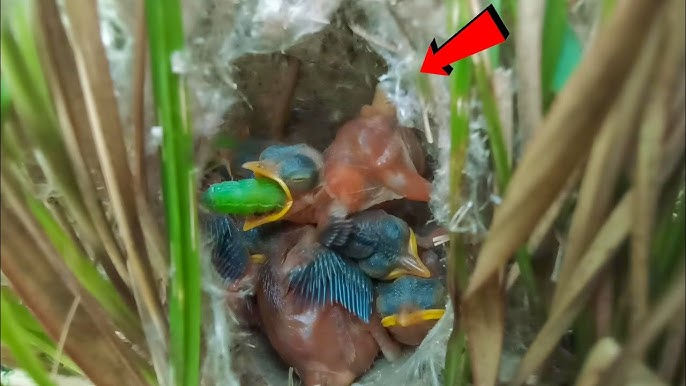
Have you ever wondered which bird feeds its young at night? It’s a surprising behavior that goes against what most of us expect.
You might think birds only care for their babies during the day, but some species work under the cover of darkness to keep their chicks safe and fed. Understanding this unusual habit can change how you see the natural world around you.
Keep reading to discover which bird takes on this nighttime role and why it matters for their survival—and maybe even for your next backyard birdwatching experience.
Nocturnal Birds And Their Habits
Nocturnal birds are active during the night, unlike most birds that are awake in the day. These birds have unique habits that help them survive and care for their young in the dark. Feeding their chicks at night is one such important behavior. Understanding these habits helps us learn how these birds live and thrive in the night environment.
Traits Of Night-active Birds
- Large eyes to see well in low light
- Silent flight to avoid predators and sneak up on prey
- Excellent hearing to detect sounds in the dark
- Strong, sharp beaks for catching insects or small animals
- Camouflaged feathers to blend into nighttime surroundings
Reasons For Night Feeding
- Less competition for food from daytime birds
- Many insects and small prey are active at night
- Cooler temperatures reduce heat stress during feeding
- Darkness provides protection from predators
- Allows parents to care for young while avoiding daytime dangers
Owls As Nighttime Providers
Owls are fascinating creatures, especially when it comes to their role as nighttime providers. Unlike many birds that feed their young during the day, owls take on the responsibility under the cover of darkness. This unique behavior ensures their owlets get the nourishment they need while keeping the family safe from daytime predators.
Feeding Patterns Of Owlets
Owlets rely heavily on their parents for food during the night. Most owl species hunt after sunset, bringing back small mammals, insects, or even other birds to their nest. Interestingly, owlets often beg loudly when hungry, prompting parents to return with fresh prey quickly.
Feeding frequency can vary depending on the species and age of the owlets. Younger owls need more frequent feedings—sometimes every hour during the early weeks. As they grow, feeding intervals lengthen, matching their developing hunting skills.
Parental Roles In Owls
Both male and female owls share the job of feeding their young, but their roles can differ. Typically, the male does most of the hunting while the female stays with the owlets, protecting and feeding them. This teamwork boosts the survival chances of the young owls, especially during harsh weather or food shortages.
Have you ever wondered how such silent hunters manage to coordinate so well? Their communication through soft calls and body language keeps their partnership strong. Observing this balance in nature can teach you about effective teamwork and shared responsibilities.
Nightjars And Their Feeding Behavior
Nightjars are fascinating birds known for their nocturnal habits. They feed their young during the dark hours when most birds rest. This behavior helps them avoid predators and take advantage of night-flying insects. Nightjars have special adaptations that make nighttime hunting and feeding efficient and successful.
Diet Of Nightjar Chicks
Nightjar chicks eat mostly insects. Their parents bring moths, beetles, and other flying bugs. These insects provide the protein and energy young birds need to grow strong. The chicks catch small insects inside the nest or are fed directly by their parents. This diet is rich in nutrients and easy for the chicks to digest.
How Parents Hunt At Night
Nightjar parents hunt using sharp eyesight and silent flight. They fly low over fields or forests to catch insects in mid-air. Their wide mouths help scoop up many insects at once. They rely on moonlight and starlight to see their prey. Hunting at night reduces competition with other birds and keeps them safe from daytime predators.

Credit: en.wikipedia.org
Other Nocturnal Nurturers
Many bird species feed their young at night. These nocturnal nurturers have special habits. They protect and feed their chicks when most birds rest. Nighttime feeding helps avoid daytime predators and harsh weather. Some birds hunt insects or fish under moonlight. Their unique strategies keep their young safe and well-fed.
Owlet-nightjars’ Unique Habits
Owlet-nightjars are small birds active at night. They hunt insects using sharp eyesight and silent flight. These birds bring food to their chicks in dark nests. They rely on quiet hunting to avoid disturbing their young. Their calls help parents and chicks communicate in the night. Owlet-nightjars stay alert to protect their nests from predators.
Role Of Some Seabirds
Several seabird species feed their young after dark. They travel far to catch fish under dim light. Night feeding reduces competition with daytime hunters. Seabirds like storm-petrels bring small fish or plankton to chicks. These birds nest in hidden burrows or cliffs. Feeding at night keeps their young safe from predators.
Challenges Of Night Feeding
Feeding young birds at night is no simple task. It presents unique challenges that impact both the parent birds and their offspring. Understanding these challenges helps you appreciate the delicate balance these creatures maintain in their nocturnal routines.
Predation Risks
Night feeding increases the chances of predators sneaking up on parent birds and their chicks. Darkness provides cover for owls, snakes, and other nocturnal hunters. Parents must stay alert, balancing feeding duties with the need to protect their young.
You might wonder how parents manage this constant threat. Some species develop sharper senses or choose safer nesting spots to reduce danger. This shows how survival depends on adapting to these risks every night.
Energy Demands On Parents
Feeding at night requires extra energy from parent birds. They often travel long distances to find food while their bodies work harder in cooler, darker conditions. This leaves them more exhausted compared to daytime feeding.
Imagine the strain on your body if you had to work through the night while caring for a newborn. Birds face a similar challenge, needing to balance their own energy reserves with the needs of their hungry chicks. This energy drain can affect their health and ability to keep feeding.

Credit: www.shutterstock.com
Adaptations For Night Feeding
Birds that feed their young at night have unique adaptations. These changes help them find food and care for their chicks in the dark. Night feeding is challenging. Parents must rely on more than just sight to survive and nurture their young.
Enhanced Senses In Parents
Parents have sharper senses to feed at night. Their vision is often improved for low light. Some birds have bigger eyes to capture more light. Hearing is also more sensitive. They can detect faint sounds from their chicks. This helps them locate and feed them quickly. Smell can play a role too. It guides parents to their nest in the dark. These heightened senses work together to ensure the young get fed safely.
Communication In Darkness
Parents and chicks use special signals to communicate. Soft calls or chirps help parents find hungry young. These sounds are quiet but clear in the night. Visual signals are less useful, so vocal communication is key. Some birds may use touch or movement inside the nest. This keeps the bond strong and feeding efficient. Clear communication prevents confusion and helps parents feed on time.

Credit: www.eastsideaudubon.org
Frequently Asked Questions
What Bird Species Feed Their Young At Night?
Owls are the primary bird species that feed their young at night. They hunt and deliver prey to their chicks after dark. Night-feeding helps protect the young from daytime predators and takes advantage of nocturnal prey availability.
Why Do Some Birds Feed Chicks During Nighttime?
Night feeding helps avoid daytime predators and reduces competition for food. It also allows parents to hunt nocturnal prey, ensuring a steady food supply for their chicks when daytime hunting is less effective.
How Do Owls Find Food For Their Young At Night?
Owls use exceptional night vision and acute hearing to locate prey in the dark. These adaptations allow them to hunt small mammals, insects, and other prey to feed their young efficiently during nighttime.
Are All Nocturnal Birds Feeding Their Young At Night?
Not all nocturnal birds feed their young at night. Some may hunt at night but feed during dawn or dusk. Feeding habits depend on species, prey availability, and environmental conditions.
Conclusion
Some birds feed their young during the night to keep them safe. Nighttime feeding helps protect chicks from daytime predators. Owls are a good example of birds that feed at night. This behavior shows how birds adapt to survive and care for their young.
Understanding these habits lets us appreciate nature’s balance. Watching these birds can teach us about wildlife and patience. Nature is full of surprises, like birds feeding in the dark. It reminds us to look closely and learn from the world around us.