
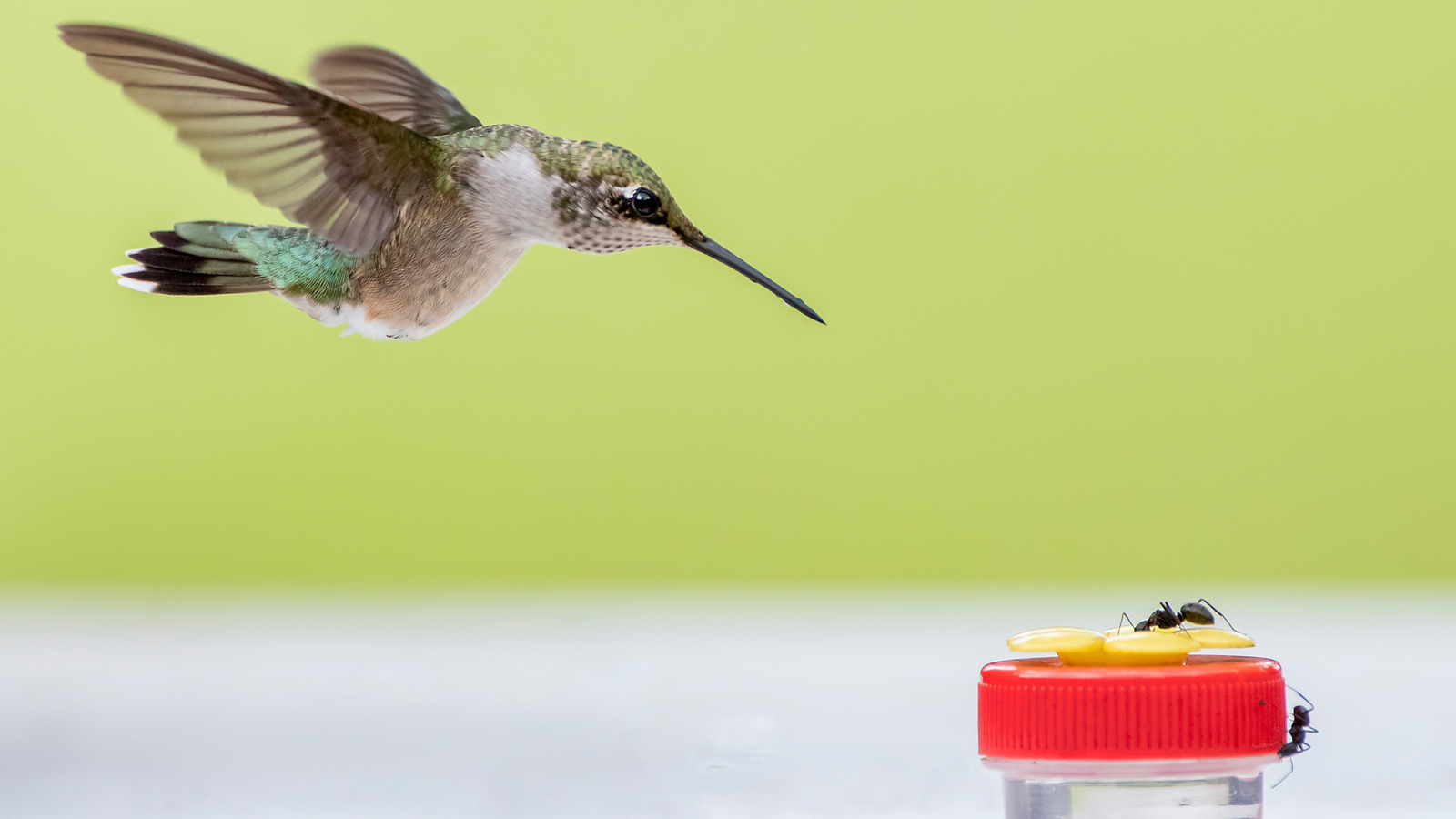
Are ants invading your hummingbird feeder and ruining the sweet nectar you worked hard to provide? You’re not alone.
These tiny pests can quickly take over, making it hard for your favorite feathered friends to enjoy their meal. But don’t worry—there are simple, effective ways to keep ants away and protect your feeder. You’ll discover easy tips that anyone can use to create an ant-free zone and keep your hummingbirds happy and healthy.
Ready to stop the ants and bring more birds to your garden? Let’s dive in!
Why Ants Are Attracted To Feeders
Ants are a common nuisance around hummingbird feeders, and understanding why they are attracted to these feeders can help you prevent infestations. Knowing what draws ants in will make it easier for you to protect your feeder and keep your feathered friends safe. Let’s look at what specifically lures ants and which species you’re likely to encounter near your feeder.
Sugar Content And Ant Behavior
Hummingbird feeders contain nectar, which is mostly sugar water. Ants are naturally drawn to sugary substances because they provide a quick and rich energy source. The high sugar content in the nectar makes your feeder a tempting food spot for these tiny invaders.
Ants don’t just stumble upon the feeder randomly. They send out scout ants to find food sources, and once they locate the sugary nectar, they leave a chemical trail. This trail guides other ants directly to your feeder, leading to large groups swarming the area.
Common Ant Species Near Feeders
You might wonder which ants are most likely to raid your feeder. The species vary by region, but some are frequent offenders everywhere. Here are a few common ones you might see:
- Argentine Ants:These ants form large colonies and are very aggressive about finding sweet foods.
- Pavement Ants:Often found near homes, they are attracted to sugary liquids and can quickly invade feeders.
- Fire Ants:Not only attracted to sugar but also dangerous due to their painful sting.
Have you noticed a specific type of ant near your feeder? Identifying the species can help you choose the best strategy to keep them away effectively.

Credit: www.hummingbirdsociety.org
Choosing The Right Feeder
Choosing the right hummingbird feeder plays a big role in keeping ants away. Not all feeders are created equal when it comes to stopping ants from invading your nectar supply. Paying attention to specific features can save you time and frustration while ensuring your hummingbirds enjoy uninterrupted visits.
Design Features To Deter Ants
Look for feeders with built-in ant moats. These are small water-filled barriers that ants cannot cross. They act as a simple but effective line of defense.
Feeders with wide, smooth surfaces around feeding ports make it harder for ants to climb. Some models have guards or collars that block ants physically. Have you noticed how ants struggle to navigate slippery or overhanging edges? That’s exactly what these designs exploit.
Consider feeders where the nectar reservoir hangs below the feeding ports rather than above. This setup reduces the chance of ants crawling down to reach the nectar. Small design tweaks like these can make a big difference.
Material Considerations
Plastic feeders are common but can sometimes develop rough spots or scratches where ants gain traction. Glass feeders often have smoother surfaces that are tougher for ants to climb. However, glass can be heavier and more fragile.
Metal feeders with polished finishes provide a slick surface that discourages ants. Yet, metal can heat up quickly in direct sun, which might spoil the nectar faster. Choosing UV-resistant materials also helps maintain nectar quality and feeder durability.
Think about how easy it is to clean the feeder’s material. Ant trails and nectar residue attract more insects, so a feeder that cleans up quickly keeps ants from settling in. Have you ever struggled to remove sticky residue from a rough feeder surface? This small inconvenience can invite ants back repeatedly.
Placement Strategies
Placement plays a crucial role in keeping ants out of your hummingbird feeder. Choosing the right spot can significantly reduce ant visits and protect your feeder’s nectar. You don’t need fancy tools—just a bit of observation and smart positioning.
Ideal Locations To Minimize Ant Access
Pick a location that’s away from plants and shrubs where ants usually nest. Open areas with good airflow can discourage ants since they prefer hidden, sheltered paths.
Try hanging your feeder from a thin, smooth pole or wire. Ants struggle to climb smooth surfaces, making it harder for them to reach the nectar.
Think about height too. Position your feeder at least five feet above the ground. This reduces the chance of ants crawling up from the soil.
Avoiding Nearby Ant Trails
Before hanging your feeder, spend some time spotting ant trails in your yard. Ants follow the same routes daily, so avoid placing feeders along these paths.
Watch for small dirt piles or lines of ants moving in a row—these are clear signs of active trails. Moving your feeder even a few feet away can make a big difference.
Have you noticed how ants suddenly vanish when you disturb their trail? Use this to your advantage by relocating your feeder regularly to confuse them.

Credit: www.yahoo.com
Using Ant Moats
Using ant moats is a simple and effective way to keep ants away from your hummingbird feeder. These devices create a water barrier that ants cannot cross. This stops them from reaching the sweet nectar inside the feeder. Ant moats protect your feeder without harming the hummingbirds or the environment.
Types Of Ant Moats
- Hanging Ant Moats:These moats hang above the feeder and hold water. Ants get trapped in the water and cannot climb down to the feeder.
- Attached Ant Moats:These moats attach directly to the feeder’s hook or pole. They form a water barrier around the feeder’s base.
- Built-in Ant Moats:Some feeders come with built-in moats. These feeders have a special reservoir that holds water to block ants.
Setting Up And Maintaining Moats
Fill the moat with clean water. Check the water level daily to keep it full. Empty and refill the moat every few days to avoid mold or bugs.
Place the moat so it hangs or sits firmly without touching the feeder. Clean the moat regularly with mild soap and water. This keeps it working well and stops algae growth.
Natural Deterrents
Keeping ants away from your hummingbird feeder can be a real challenge, especially if you prefer to avoid harsh chemicals. Natural deterrents offer a safe and eco-friendly way to protect your feeder while keeping the environment around your garden healthy. These solutions work by creating barriers or smells that ants dislike, without harming your feathered visitors.
Essential Oils And Spices
Ants have a strong sense of smell, and certain essential oils can confuse or repel them effectively. Peppermint, cinnamon, and clove oils are among the best choices. You can mix a few drops of these oils with water and spray the solution around the feeder’s base and nearby plants.
Spices like cinnamon and chili powder also act as natural ant repellents. Sprinkle a light layer around the feeder stand or on the feeding tray. Have you noticed how ants avoid walking through strong-smelling spices? This simple trick keeps them at bay without any toxic effects.
Safe Barriers Around Feeders
Creating physical barriers can stop ants from reaching your feeder altogether. A popular option is to use a moistened cotton string or yarn wrapped around the feeder’s pole. Ants won’t cross the wet surface, giving you an effective, chemical-free blockade.
Another idea is to place the feeder on a stand with a shallow dish of water underneath it. Ants can’t swim, so this “moat” prevents their ascent. Have you tried combining these barriers with essential oils? The double defense often works best to protect your hummingbird feeder.
Regular Cleaning And Maintenance
Regular cleaning and maintenance play a crucial role in keeping ants away from your hummingbird feeder. Ants are attracted to the sugary residue left behind, so staying on top of cleaning can disrupt their access and interest. Maintaining a spotless feeder not only protects your hummingbirds but also ensures the nectar stays fresh and safe for them to enjoy.
Removing Residue And Spills
Sticky residue and spilled nectar create a perfect trail for ants to follow. After every refill, wipe down the feeder’s exterior with a damp cloth to remove any sugary buildup. Pay close attention to the feeding ports and the hanger—these are common spots where spills happen.
Soaking the feeder in a solution of warm water and mild dish soap once a week helps to break down any hardened residue. Rinse thoroughly to avoid leaving soap behind, which can be harmful to birds. Have you noticed how a clean feeder attracts more hummingbirds? Keeping it spotless is key.
Inspecting For Ant Activity
Regularly check your feeder and surrounding area for signs of ants. Look for small trails leading to the feeder or tiny ants crawling on the feeder itself. Early detection allows you to act before an infestation becomes a problem.
Set a routine to inspect the feeder every few days, especially during warmer months when ants are most active. If you spot ants, clean the feeder immediately and consider adding an ant moat or barrier. Have you tried setting up a simple water moat? It can be surprisingly effective at stopping ants from crossing over.
Refilling Tips To Avoid Attracting Ants
Refilling your hummingbird feeder carefully helps keep ants away. Ants love the sweet nectar. Small changes during refilling can reduce ant visits. Clean habits and smart sealing make a big difference. Here are simple tips to refill without inviting ants.
Proper Nectar Preparation
Mix nectar with the right sugar-to-water ratio. Use four parts water to one part white sugar. Boil the water first to kill any bacteria. Let the mixture cool before filling the feeder. Avoid using honey or artificial sweeteners. They attract ants and can harm hummingbirds.
Prepare fresh nectar every few days. Old nectar ferments and attracts insects. Store extra nectar in the fridge. This keeps it fresh and safe for birds.
Sealing Feeders Correctly
Check feeder seals before refilling. Make sure lids and caps fit tightly. Replace worn or damaged seals quickly. Use rubber gaskets or silicone to improve sealing. Ants enter through tiny gaps and cracks.
Clean the feeder thoroughly each time you refill. Remove sticky nectar residues that lure ants. Dry the feeder well before adding nectar. A dry outside surface stops ants from climbing.
When To Seek Professional Help
Sometimes, ants can become more than just a minor nuisance around your hummingbird feeder. If you notice that home remedies and simple barriers aren’t working, it might be time to think about professional help. Recognizing when the problem is beyond DIY control can save your feeder and keep those tiny invaders away for good.
Severe Ant Infestations
When ants start invading your feeder in large numbers and spread rapidly, you could be facing a severe infestation. This often means the colony is well-established nearby, and surface treatments won’t stop them.
Have you seen ants crawling not just on the feeder but also around your porch, windows, or other parts of your garden? That’s a sign the problem is bigger than just the feeder.
Severe infestations can also cause damage to wooden structures or plants around your outdoor space. At this point, professional pest control experts can accurately locate nests and apply effective treatments that are safe and long-lasting.
Safe Pest Control Options
Many people worry about using chemicals near hummingbirds and their feeders. Professionals understand these concerns and often use targeted, low-toxicity treatments that protect your birds and plants.
You can ask the pest control service about eco-friendly options such as bait stations placed away from the feeder or natural insect growth regulators.
Also, professional help often includes advice on prevention strategies tailored to your specific environment. This means you get a plan that not only removes ants but also stops them from coming back.
Wouldn’t it be great to enjoy your hummingbirds without constantly battling ants? Sometimes, letting an expert step in is the quickest way to reclaim your outdoor space.
Credit: www.housedigest.com
Frequently Asked Questions
How Can I Stop Ants From Reaching My Hummingbird Feeder?
Use ant moats or place the feeder on a stand with a sticky barrier. Regularly clean around the feeder to remove nectar spills that attract ants.
What Homemade Solution Keeps Ants Away From Feeders?
A mix of water and vinegar or soapy water can clean the feeder. These solutions deter ants without harming hummingbirds.
Does Using An Ant Moat Really Work?
Yes, ant moats create a water barrier that ants cannot cross. They are an effective and natural way to protect feeders.
Can I Use Petroleum Jelly To Block Ants?
Yes, applying petroleum jelly on the feeder’s hanging wire prevents ants from climbing. Reapply regularly to maintain its effectiveness.
Conclusion
Keeping ants away from your hummingbird feeder protects the nectar. Clean feeders often to stop ants from coming back. Use barriers like sticky tape or water moats around the feeder. Check the feeder regularly for any signs of ants. Enjoy watching hummingbirds without worrying about pests.
Simple steps make a big difference in your garden. Stay patient and consistent with your ant control methods. Your feeder will stay clean and inviting for hummingbirds.