
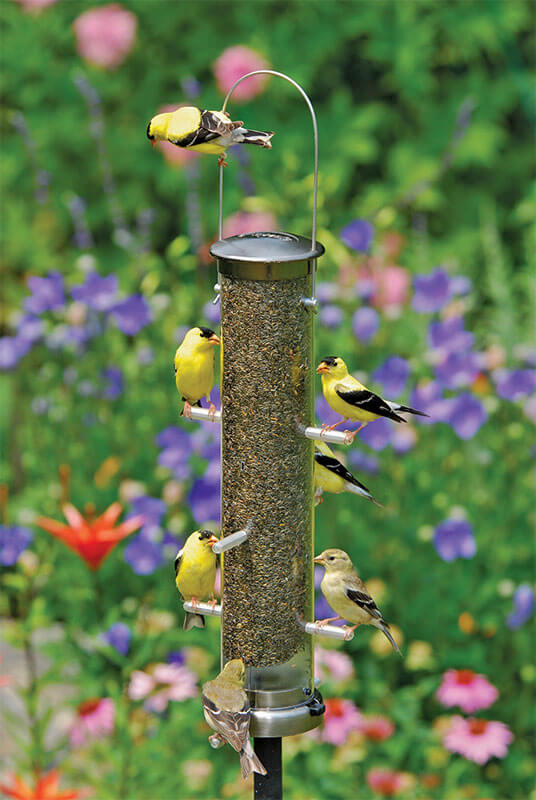
Have you ever found yourself curious about the tiny visitors at your finch feeder? Those small birds flitting around might seem simple, but there’s a lot more going on than meets the eye.
Understanding exactly what these little creatures are eating can change how you attract them and make your feeder a favorite spot in your backyard. Keep reading, and you’ll discover the secrets behind their favorite snacks and how you can make your feeder irresistible to these charming birds.
Your backyard birdwatching experience is about to get a whole lot better!
Common Finch Visitors
Finch feeders attract many small birds with bright colors and tasty seeds. These birds are easy to spot and enjoy a variety of seeds. Understanding common finch visitors helps you identify the birds at your feeder. Here are some popular finch species you may see.
House Finches
House Finches are small birds with red heads and brown bodies. They eat sunflower seeds and millet at feeders. These birds are social and often visit in groups. Their chirps are cheerful and easy to recognize.
Purple Finches
Purple Finches have a rosy red color that covers their head and chest. They prefer sunflower seeds and nyjer seeds. These finches are shy but come closer to feeders during cold months. Their song is sweet and musical.
American Goldfinches
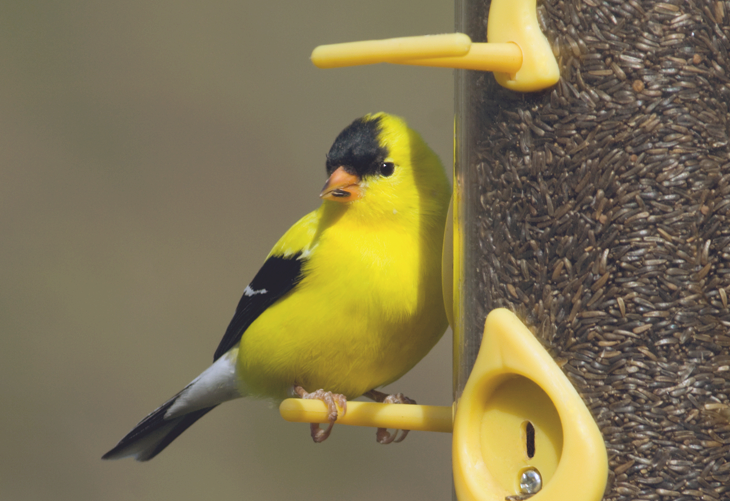
American Goldfinches are bright yellow with black wings in spring. They love nyjer seeds and sunflower seeds. These birds are lively and often feed in flocks. Their calls are sharp and high-pitched, adding sound to your garden.
Credit: www.kingsyard.com
Unexpected Bird Guests
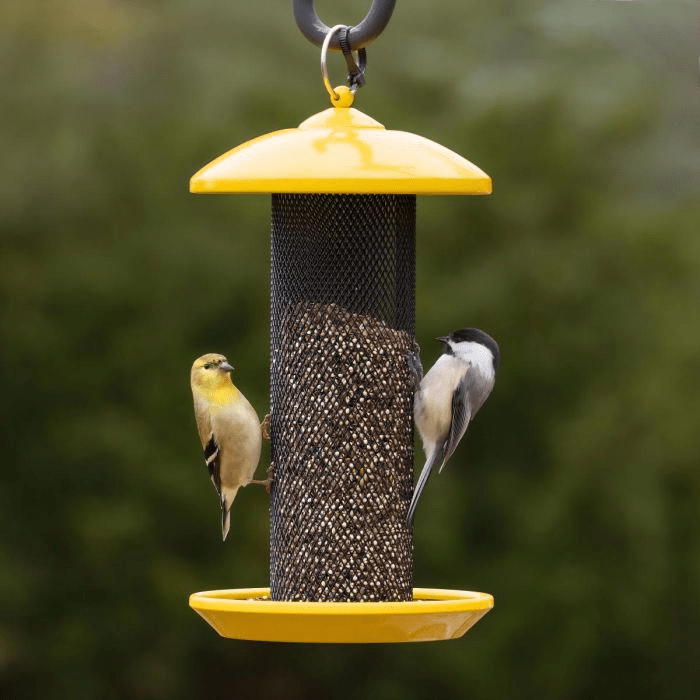
Unexpected bird guests often visit finch feeders, adding surprise and joy. These small visitors are not finches but enjoy the seeds and shelter. Watching them helps us learn about different bird species and their habits. These guests bring variety and life to your backyard feeder.
Sparrows And Their Feeding Habits
Sparrows are common but often overlooked visitors at finch feeders. They prefer seeds that fall to the ground. Sparrows eat quickly and move around a lot. They like sunflower seeds and millet. Sparrows often feed in groups, making a lively scene.
Chickadees At The Feeder
Chickadees are small, curious birds with a bold nature. They enjoy sunflower seeds and suet at finch feeders. Chickadees often hang upside down to reach food. They are quick and alert, always watching for danger. These birds add charm with their cheerful calls.
Nuthatches And Their Unique Style
Nuthatches have a special way of feeding. They climb down tree trunks headfirst. At feeders, they pick seeds from small holes or crevices. Nuthatches like sunflower seeds and peanuts. Their acrobatic style makes them fun to watch. They often store food for later use.
Identifying Small Birds By Behavior
Identifying small birds at a finch feeder is easier by watching their behavior. Birds show unique habits that help tell them apart. You can spot different species by how they feed, perch, and what seeds they prefer. These clues make birdwatching fun and educational.
Feeding Patterns
Small birds have distinct feeding styles. Some peck quickly and fly away. Others eat slowly and stay longer. Birds like goldfinches often feed in groups. Chickadees take seeds to a nearby branch. Watching these patterns helps identify each bird.
Perching Styles
Perching habits vary among finch species. Some birds cling to the feeder’s edge. Others balance on thin perches or hang upside down. House finches usually perch upright and steady. Lesser goldfinches may flutter before landing. Notice how birds hold themselves for clues.
Preferred Seeds
Seed choice is a strong identifier. Many finches love nyjer and sunflower seeds. Pine siskins prefer nyjer, often flying in flocks. House finches enjoy sunflower seeds but avoid nyjer. Watch which seeds disappear fastest to know your visitors.
Attracting Diverse Birds
Attracting a variety of small birds to your finch feeder adds life and color to your outdoor space. Different species have unique tastes and habits, so understanding what appeals to them can help you create a lively bird-friendly environment. Let’s look at how you can welcome more feathered friends with a few smart choices.
Choosing The Right Seeds
Not all seeds are equal when it comes to attracting small birds. Finches generally prefer nyjer (thistle) and sunflower seeds because they are easy to handle and packed with nutrients.
Try mixing seeds to invite different species. For example, adding millet or safflower seeds can attract sparrows and chickadees alongside finches. Have you noticed how certain birds seem to ignore some feeders? The seed type could be why.
Feeder Placement Tips
Where you place your feeder influences which birds show up. Finches like feeders that offer a clear view of the surroundings so they can spot predators early.
Mount your feeder near shrubs or trees but not too close to avoid giving predators a hiding spot. A good distance is about 3-5 feet away. Also, consider placing the feeder at eye level or slightly higher to catch more attention.
Have you tried moving your feeder around to see how bird visits change? Sometimes a small shift makes a big difference.
Seasonal Considerations
Bird feeding habits change with the seasons, so adjusting your feeder setup can keep the visitors coming year-round. In winter, high-fat seeds like sunflower and safflower help birds stay warm.
During spring and summer, offer fresh water nearby and consider adding fruit or nectar to attract a broader range of species. Fall is a great time to clean the feeder and replenish seeds as birds prepare for migration.
Are you paying attention to the seasons to keep your feeder appealing all year? Small tweaks can make your backyard a favorite stop for diverse birds.
Common Mistakes To Avoid
Feeding small birds at the finch feeder is rewarding. Avoiding common mistakes helps keep birds safe and happy. These errors can scare birds away or harm their health. Understanding what to avoid improves your bird feeding experience.
Overcrowding Feeders
Too many birds at one feeder cause stress and fighting. Overcrowding makes birds leave quickly. It spreads disease easily among birds. Use multiple feeders to reduce crowding. Place feeders apart to give birds space.
Ignoring Feeder Cleanliness
Dirty feeders attract mold and bacteria. Birds can get sick from unclean feeders. Clean feeders weekly with hot water and mild soap. Rinse well to remove soap. Dry completely before refilling. Clean feeders keep birds healthy and visiting often.
Using Incorrect Seed Mixes
Not all seeds attract finches. Avoid cheap mixes with fillers like millet. Finches prefer nyjer and sunflower seeds. Incorrect seeds waste money and food. Use high-quality seed mixes designed for finches. This keeps birds coming back to your feeder.

Credit: www.birdwatchingdaily.com
Credit: localgardener.net
Frequently Asked Questions
What Birds Are Attracted To Finch Feeders?
Finch feeders primarily attract small birds such as goldfinches, house finches, and purple finches. These feeders are designed to accommodate their small size and feeding habits. Other small birds like sparrows and chickadees might also visit, especially if the feeder is filled with seeds they prefer.
How Can I Identify A Finch At My Feeder?
To identify a finch, look for small, lively birds with conical beaks. Goldfinches have bright yellow plumage, while house finches display red or orange hues. Purple finches often show a raspberry color. Observing their feeding behavior and sounds can also help in identification.
What Seeds Do Finches Prefer At Feeders?
Finches are particularly fond of nyjer (thistle) seeds and sunflower seeds. These seeds are small and easy for them to eat. Nyjer seeds are especially popular because they’re nutritious and attract a variety of finch species. Offering a mix can help attract more finches to your feeder.
Why Are Finches Not Visiting My Feeder?
Finches may avoid feeders for several reasons. Ensure the seeds are fresh and free from mold. Check if your feeder is clean and positioned in a safe, quiet area. Additionally, providing a mix of seeds and maintaining a consistent feeding schedule can attract more finches.
Conclusion
Small birds visiting finch feeders enjoy tiny seeds and grains. These seeds provide energy and nutrients they need daily. Watching them eat reveals their natural habits and colors. Feeding finches helps support local bird populations during cold months. Try offering a variety of seeds to attract different species.
Enjoy the peaceful moments as birds gather around your feeder. This simple act connects you with nature’s small wonders. Keep feeders clean and filled to help birds thrive.