
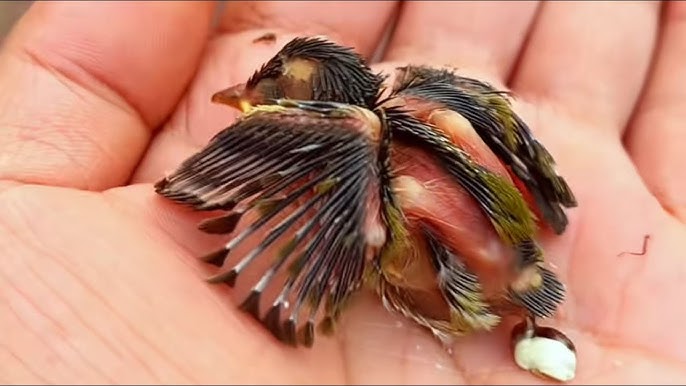
Finding a baby bird in need of help can make your heart race. You want to do the right thing, but feeding a tiny, fragile bird isn’t as simple as you might think.
If you get it wrong, you could harm the bird instead of helping it. You’re probably wondering: what should you feed a baby bird in New Zealand? How often? And how do you even feed it safely? This guide will give you clear, easy steps to make sure your little feathered friend gets the best care possible.
Keep reading—you could save a life today.
Identifying Baby Birds In Need
Identifying baby birds that need help is the first step in feeding them properly. Many young birds fall from nests or get lost. Knowing how to spot them saves lives. Careful observation helps decide when intervention is necessary.
Signs A Baby Bird Needs Help
- Feathers are wet, dirty, or missing.
- Bird lies on the ground or cannot stand.
- Bird is cold to the touch or shivering.
- Weak or quiet, with little movement.
- Visible injuries like wounds or swelling.
- Bird is alone and far from a nest.
- Repeated begging calls without a parent nearby.
Not all young birds found need help. Some fledglings leave nests before they can fly well. Watch from a distance to see if parents return. Only intervene if the bird is clearly in danger.
Common Baby Bird Species In Nz
| Species | Description | Habitat |
|---|---|---|
| Tūī | Fluffy with dark feathers and a white throat tuft. | Forests, gardens, urban parks. |
| Kererū | Large, plump with green and purple feathers. | Woodlands and city parks. |
| Fantail (Pīwakawaka) | Small with a fan-shaped tail and soft plumage. | Forests, gardens, near water. |
| Bellbird (Korimako) | Small, olive-green with a melodious call. | Native forests and scrub. |
Knowing common baby birds helps identify and care for them. Each species has unique needs and feeding habits. Careful attention increases survival chances for rescued birds.

Credit: www.green-feathers.co.uk
Preparing The Feeding Environment
Preparing the feeding environment is important for the baby bird’s health and comfort. A safe, warm place helps the bird feel secure. The right tools make feeding easier and safer for both you and the bird. This section covers how to set up the perfect feeding space.
Safe And Warm Nest Setup
Choose a small box or container for the nest. Line it with soft cloth or paper towels. Avoid materials that can tangle or harm the bird’s legs and wings.
Keep the nest in a quiet, draft-free area. Maintain a temperature between 30-35°C (86-95°F). Use a heating pad or lamp if needed, but avoid overheating.
Check the nest often. Replace any damp or dirty lining quickly to keep the area clean and dry.
Essential Feeding Tools
Gather tools that help you feed the baby bird safely and gently. Use a small syringe or dropper for precise feeding. A pair of tweezers can help handle food carefully.
Prepare a shallow dish for mixing food. Always sterilize tools before each feeding session. Keep everything within easy reach to avoid stress during feeding.
Choosing The Right Food
Choosing the right food is the most important part of feeding a baby bird in New Zealand. The food you offer shapes its growth, health, and chances of survival. Understanding what baby birds naturally eat and what you can safely provide helps you make the best choice.
Natural Diet Of Nz Baby Birds
Baby birds in New Zealand eat a diet that depends on their species. Many native birds, like fantails and tui, primarily consume insects and nectar. Others, such as kererū, rely on soft fruits and leaves.
When feeding a baby bird, try to match its natural diet as closely as possible. If you find an insect-eating chick, small, soft insects like mealworms or flies are ideal. For frugivores, mashed berries or soft fruits work well.
Recommended Feeding Formulas
Specialized feeding formulas are available and designed to meet the nutritional needs of baby birds. These powders or ready-made pastes mimic the nutrients found in their natural diet. You can find these formulas at wildlife rescue centres or pet stores in New Zealand.
Mix the formula with warm water to create a smooth, easy-to-swallow consistency. Feeding every two to three hours is usually necessary for very young birds. Always follow the instructions on the packaging to avoid overfeeding or underfeeding.
Foods To Avoid
Not all food is safe for baby birds. Avoid bread, milk, or processed human foods—they can cause serious health problems. Foods high in salt, sugar, or fat are harmful and should never be given.
Also, steer clear of whole seeds or nuts that the baby bird cannot swallow easily. These can cause choking or digestive issues. Always observe the baby’s response to new foods and stop feeding anything that causes distress.
Credit: www.petsradar.com
Feeding Techniques And Schedule
Feeding a baby bird in New Zealand requires care and attention. The right feeding techniques and schedule keep the bird healthy and growing. Understanding how to feed and when to feed is important for its survival. This section explains the best feeding methods, how often to feed, and proper handling tips.
Proper Feeding Methods
Use a small syringe or dropper to feed the baby bird. Avoid using spoons or forks that can harm its soft mouth. Warm the food to body temperature before feeding. Feed soft, easy-to-digest food like soaked dog kibble or commercial baby bird formula. Never give cold or dry food. Offer small amounts slowly to prevent choking. Clean feeding tools after every use to stop germs.
Frequency And Amount
- Newly hatched birds need feeding every 20 to 30 minutes from dawn to dusk.
- Older chicks require feeding every 1 to 2 hours during daylight.
- Feed small amounts each time to avoid overfeeding.
- Watch for signs of hunger like begging or open mouth.
- Gradually reduce feeding frequency as the bird grows.
Handling And Positioning
Hold the baby bird gently but firmly. Support its body with your hand to prevent slipping. Keep the bird’s head slightly upright during feeding. Avoid forcing food into the throat. Let the bird swallow at its own pace. Keep feeding sessions calm and quiet to reduce stress. Wash your hands before and after handling to protect the bird’s health.
Monitoring Health And Growth
Monitoring your baby bird’s health and growth is key to ensuring it thrives. Watching for clear signs of development helps you catch issues early and adjust care as needed. Staying alert to changes means you can provide the best support and keep your tiny friend on track.
Signs Of Healthy Development
A healthy baby bird will show steady weight gain and active behavior. Its eyes should be bright and clear, and feathers will start to grow evenly. You might notice your bird becoming more responsive and vocal as it grows.
- Consistent weight increase – weigh the bird daily or every few days.
- Alertness and strong movements when awake.
- Clean skin and smooth feather growth.
- Regular feeding with good appetite.
Have you noticed your baby bird becoming more curious or energetic? Those are great signs you’re on the right path.
Common Health Issues
Some problems can develop quickly if you’re not careful. Look out for lethargy, loss of appetite, or abnormal droppings. Feather loss or swollen areas can also indicate illness or parasites.
- Respiratory problems like wheezing or labored breathing.
- Dehydration signs such as wrinkled skin or sunken eyes.
- Unusual changes in droppings – watery, discolored, or foul-smelling.
Ignoring these signs can lead to worsening conditions. Your attention to detail can save a life.
When To Seek Expert Help
If your baby bird shows any persistent signs of distress, it’s time to call a wildlife vet or experienced rehabilitator. Sudden weakness, refusal to eat for over 12 hours, or visible injuries need immediate care. Don’t hesitate to ask for help; expert advice can make all the difference.
Remember, even small concerns are worth discussing with a professional. How confident do you feel in spotting when your baby bird needs help?
Preparing For Fledging
Preparing for fledging is a critical time in caring for a baby bird. This stage helps the bird get ready to leave the nest and live independently. It involves supporting natural skills and ensuring a safe environment. Proper preparation improves the bird’s chances of survival in the wild.
Encouraging Natural Behaviors
Helping a baby bird develop natural behaviors is essential. Let the bird practice hopping and flapping wings inside the enclosure. Offer food that mimics what the bird would find outside, such as insects or seeds. Avoid overfeeding to encourage the bird to hunt or forage for itself. Gradually reduce hand feeding to build independence. Provide natural perches and hiding spots to simulate the wild habitat.
Safe Release Practices
Choosing the right moment to release the bird is important. The bird should be strong enough to fly and find food on its own. Pick a quiet, safe area away from predators and busy roads. Release the bird during daylight for better visibility and safety. Monitor from a distance to ensure the bird adjusts well. Avoid handling the bird too much before release to reduce stress and maintain wild instincts.
Legal And Ethical Considerations
Feeding a baby bird in New Zealand involves more than care and attention. Legal and ethical considerations protect both the birds and their habitats. Understanding these rules helps you support wildlife responsibly.
Wildlife Protection Laws In Nz
New Zealand has strict laws to protect native birds. Most wild birds and their nests are protected under the Wildlife Act 1953. It is illegal to take or harm native birds without permission.
These laws help keep bird populations safe. They prevent disturbing birds, especially during breeding seasons. Feeding or handling birds without proper knowledge may cause harm or stress.
Working With Wildlife Authorities
Always contact local wildlife authorities if you find a baby bird needing help. Organisations like the Department of Conservation (DOC) offer guidance and support.
Wildlife experts can advise on the best care steps. They may take the bird to a licensed rehabilitator. This ensures the bird receives proper care and a chance to return to the wild.
Following official advice avoids legal trouble and protects the bird’s future. It also helps maintain the balance of New Zealand’s unique ecosystems.

Credit: www.youtube.com
Frequently Asked Questions
How Do I Identify A Baby Bird Needing Help?
To identify if a baby bird needs help, check for injuries or visible distress. Observe its behavior and surroundings. If it appears abandoned for several hours, it might need assistance. Always ensure it’s genuinely in need before intervening, as parents often return to feed their young.
What Should I Feed A Baby Bird In Nz?
In New Zealand, feed baby birds a specialized bird formula available at pet stores. Avoid giving them bread or milk. You can also feed them moistened dog or cat food in small amounts. It’s essential to offer food at regular intervals, mimicking natural feeding patterns.
How Often Should I Feed A Baby Bird?
Feed a baby bird every 15-20 minutes from sunrise to sunset. Ensure the food is at room temperature and fresh. As the bird grows, the feeding frequency decreases. Always monitor the bird’s growth and adjust feeding accordingly, ensuring it receives adequate nutrition.
Can I Use A Syringe To Feed A Baby Bird?
Yes, using a syringe to feed a baby bird is safe and effective. Ensure the syringe is clean and free from sharp edges. Gently deliver the food to the side of the bird’s beak. Always handle the bird carefully and maintain a stress-free feeding environment.
Conclusion
Feeding a baby bird in New Zealand needs care and patience. Use soft, small food pieces that match the bird’s needs. Feed often, but do not overfeed. Keep the baby bird warm and safe during feeding. Watch for signs of illness or distress.
Learning these steps helps the bird grow healthy and strong. You can make a real difference with gentle care. Every small effort counts in helping baby birds survive. Remember, kindness and attention are key to their well-being.