
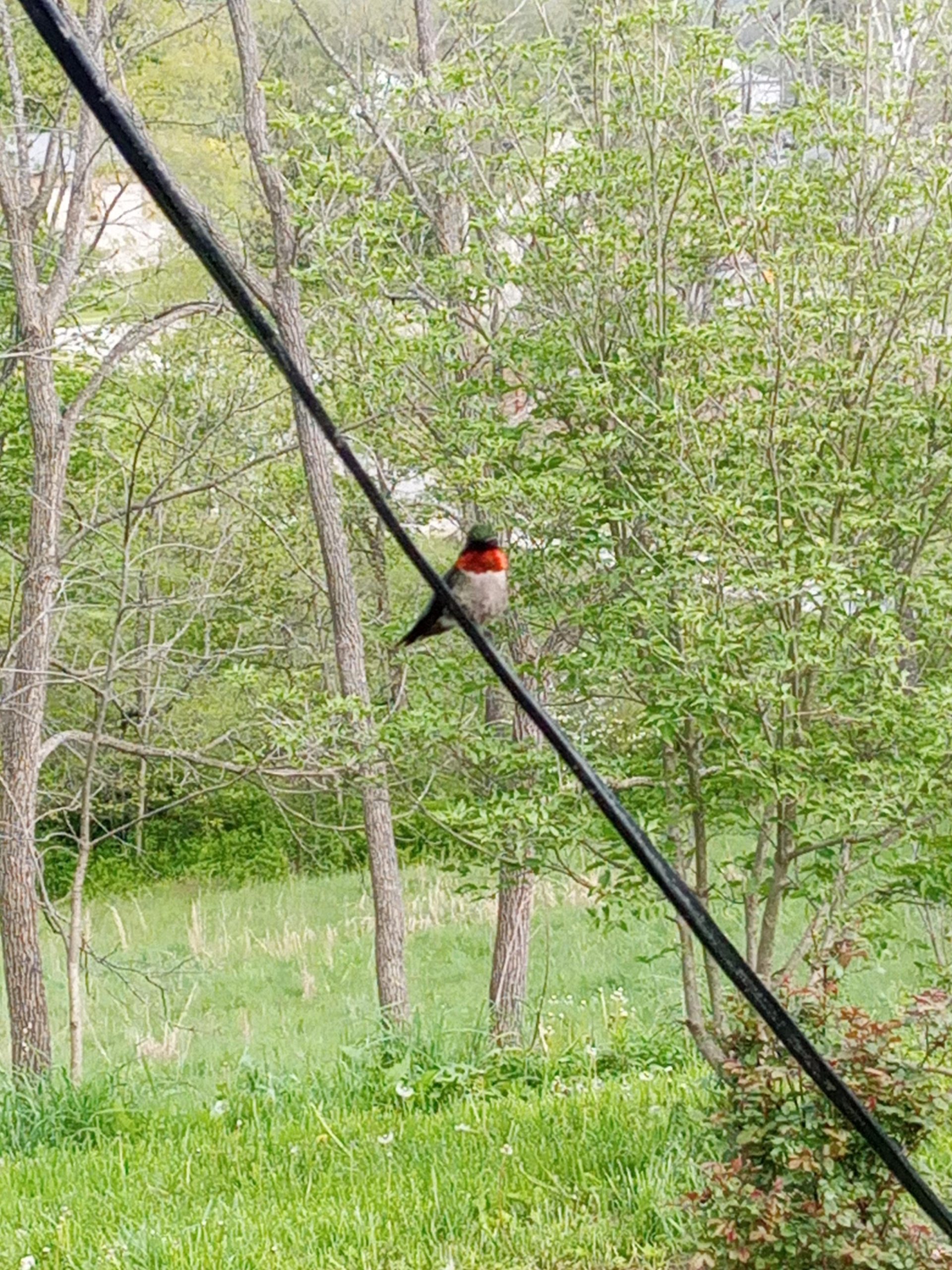
Have you ever wondered if feeding too many birds could actually cause problems? It’s natural to want to help our feathered friends, especially when you see them hungry or cold.
But what if your good intentions are doing more harm than good? Understanding the right balance is key—not just for the birds, but for your garden and neighborhood too. Keep reading to discover how much is too much, and why knowing the limits can make a big difference for everyone involved.

Credit: www.allaboutbirds.org
Impact On Bird Health
Feeding birds can be a joyful way to connect with nature, but it’s important to consider how too much food affects their health. Overfeeding can create serious issues that go beyond simply filling their stomachs. Understanding these effects helps you make better choices for the birds you care about.
Nutritional Imbalance Risks
Providing too much of one type of food, like bread or seeds, can lead to nutritional gaps in birds’ diets. Birds need a variety of nutrients to stay healthy, and relying on a limited food source can cause deficiencies.
I once fed a flock mostly bread during winter, thinking it was harmless. Soon, I noticed some birds looked weak and less active. It turned out they lacked essential vitamins and minerals, showing how unbalanced feeding harms their health.
Spread Of Diseases
When many birds gather around a single feeding spot, diseases can spread quickly. Crowded feeders become hotspots for germs, putting your feathered visitors at risk of infections.
Cleaning feeders regularly is crucial, but even then, too many birds in one place increase the chance of illness. Have you noticed more sick birds around crowded feeders? It’s a clear sign to reduce food quantity and improve hygiene.
Behavioral Changes
Overfeeding can change how birds behave, making them dependent on easy food instead of foraging naturally. This reliance can reduce their survival skills and alter their social habits.
I’ve seen birds become aggressive at feeders, fighting over food that’s too abundant. This behavior isn’t natural and can cause stress within bird communities. How might your feeding habits be influencing these unexpected changes?

Credit: grubblyfarms.com
Environmental Effects
Feeding birds might seem like a harmless way to enjoy nature, but providing too much food can lead to unexpected environmental problems. These issues affect not just the birds but the whole ecosystem around you. Understanding these effects can help you make smarter choices about how and when to feed birds.
Overpopulation Concerns
When you feed birds excessively, it can cause their numbers to grow beyond what the natural environment can support. This overpopulation stresses local resources and may lead to increased competition among bird species.
Have you noticed more birds than usual at your feeder? That’s a sign their population might be growing too fast. This imbalance can disrupt the natural food chain and make it harder for other wildlife to survive.
Damage To Local Vegetation
Birds that gather in large numbers often peck and scratch around plants and trees, which can harm local vegetation. Excessive bird droppings can also change soil chemistry, damaging plants and reducing their ability to thrive.
In my own garden, I once saw patches of grass die off after a feeding frenzy. The birds concentrated in one area, and the plants couldn’t handle the pressure. If you want a healthy garden, consider limiting how much you feed to protect your greenery.
Attraction Of Predators
Feeding birds attracts more than just your feathered friends; it can also draw in predators like cats, raccoons, and hawks. These predators are often drawn by the easy meal opportunity, putting smaller birds at risk.
Have you ever seen a sudden visit by a hawk or stray cat near your bird feeder? This is a direct consequence of attracting predators. To keep birds safe, it’s important to avoid creating an unnatural hotspot that puts them in danger.
Human And Neighborhood Issues
Feeding too many birds can lead to problems for people living nearby. Birds gather in large groups, creating disturbances that affect the neighborhood. These issues can impact daily life, property, and community rules. Understanding these effects helps maintain a peaceful environment for everyone.
Noise And Cleanliness Problems
Large flocks of birds produce constant noise. Their calls and flapping wings can disturb sleep and quiet times. Bird droppings accumulate quickly on sidewalks, cars, and gardens. This mess creates unpleasant odors and slippery surfaces. Cleaning these areas becomes a regular, unwanted chore.
Property Damage
Birds can harm homes and buildings. Droppings are acidic and can erode paint and wood. Nests block gutters and vents, causing water damage or poor airflow. Birds may peck at roofing materials or wires. Repair costs can rise due to these damages.
Legal And Community Guidelines
Many places have rules about feeding wildlife. Some cities ban feeding birds in public areas to prevent overpopulation. Violating these rules can lead to fines or warnings. Neighborhood groups often ask residents to avoid feeding birds to keep peace and cleanliness. Following local laws protects you and your community.
Best Feeding Practices
Feeding birds can be a joyful activity that supports local wildlife. Following the best feeding practices helps keep birds healthy and your outdoor space clean. Proper habits reduce the risk of attracting too many birds or unwanted pests. Thoughtful feeding also protects bird populations from harmful foods and overcrowding.
Proper Food Types
Choose foods that match the birds’ natural diet. Seeds like sunflower, millet, and safflower are good choices. Avoid bread, as it lacks nutrients and can harm birds. Fresh fruits and nuts can be offered in moderation. Use food that is clean and free from mold or chemicals.
Feeding Frequency And Portions
Feed birds in small amounts to prevent leftover food. Offer food once or twice a day to avoid overfeeding. Remove uneaten food after a few hours. This prevents spoilage and discourages large flocks from gathering. Watch the bird activity to adjust feeding amounts as needed.
Maintaining Clean Feeding Areas
Keep feeders and birdbaths clean to stop disease spread. Wash feeders regularly with warm, soapy water. Rinse well and dry before refilling. Clear fallen seeds and droppings around feeding spots. Clean areas reduce pests and create a healthy environment for birds.
Alternatives To Feeding
Feeding birds is a popular hobby, but too much food can harm them. Birds may become dependent on feeders and lose natural skills. Offering other support methods helps birds stay healthy and safe. These alternatives create a balanced environment for wild birds.
Creating Natural Habitats
Natural habitats give birds shelter and food all year. Trees, shrubs, and native plants provide places to hide and nest. Dead wood and leaf litter attract insects for bird food. A natural area supports many bird species without extra feeding.
Planting Bird-friendly Gardens
Gardens with native plants attract birds naturally. Flowers, berries, and seeds offer real nutrition. Avoid chemicals that can harm birds and insects. A bird-friendly garden provides food, water, and shelter close to home. It helps birds thrive without relying on feeders.
Supporting Conservation Efforts
Many groups work to protect birds and their habitats. Supporting these efforts helps bird populations grow. Donations, volunteering, or spreading awareness makes a difference. Conservation protects wild spaces where birds find natural food and shelter.

Credit: www.youtube.com
Frequently Asked Questions
Can Feeding Too Many Birds Harm Their Health?
Yes, overfeeding birds can lead to obesity and poor nutrition. It also encourages dependency and reduces their natural foraging skills.
How Does Overfeeding Affect Local Bird Populations?
Overfeeding can cause overcrowding, spread diseases, and disrupt local ecosystems. It may also attract unwanted pests and predators.
What Are Signs Of Feeding Birds Excessively?
Signs include large bird gatherings, leftover food waste, and increased aggressive behavior. Birds may also become less active in natural food search.
How Often Should I Feed Backyard Birds Safely?
Feed birds in moderation, ideally once or twice daily. Remove uneaten food to prevent mold and pest problems.
Conclusion
Feeding birds brings joy and helps nature. Too many birds can cause problems. Crowds can spread disease and harm plants. Keep food amounts small and clean. Watch birds for signs of stress or illness. Respect wildlife by feeding responsibly. Enjoy birds safely and protect your garden.
Balance is key for happy birds and people.