

Have you ever watched birds at your feeder and noticed they sometimes stay completely still for long moments? It might seem strange or even a little boring at first.
But there’s a fascinating reason behind this quiet pause. Understanding why birds remain motionless on your feeder can change the way you see these little visitors. Keep reading, and you’ll discover secrets about their behavior that will make your birdwatching experience more exciting and meaningful.
Ready to learn what’s really going on when the birds freeze in place? Let’s dive in!
Bird Behavior At Feeders
Birds show many interesting behaviors at feeders. Observing these actions helps us understand their habits and needs. Some behaviors may seem strange, such as staying motionless for long periods. This stillness has important reasons behind it. Watching birds closely reveals how they interact with their environment.
Common Actions Of Birds
- Eating seeds quickly
- Flapping wings to balance
- Preening feathers
- Alert scanning for predators
- Chirping or calling softly
- Perching quietly without movement
Birds use feeders as a safe place to eat and rest. They often pause to look around. These pauses can last seconds or minutes.
Reasons For Stillness
- Watching for danger nearby
- Listening for other birds or threats
- Conserving energy during cold weather
- Digesting food calmly
- Camouflaging to avoid predators
- Resting between feeding sessions
Motionless birds are not always inactive. They stay still to survive and thrive. This behavior shows their natural instincts and smart choices.
Energy Conservation
Birds often remain motionless on feeders, and one key reason is energy conservation. Staying still helps them save precious energy that they would otherwise spend on constant movement. This strategy is vital, especially during colder months or when food is scarce, allowing birds to maximize their survival chances.
Benefits Of Staying Still
When birds stay motionless, they reduce their metabolic rate, which helps lower energy use. This pause allows them to digest food more efficiently and recover strength before flying again. You might notice how a bird will sit quietly after grabbing a seed, almost as if it’s recharging.
Being still also reduces the chance of attracting predators. Moving less means less attention drawn to themselves, offering a safer feeding experience. Have you ever watched a bird freeze when sensing danger? That stillness is a survival tactic.
Impact On Survival
Energy saved by staying motionless can be crucial during harsh weather or long flights. Birds that manage their energy well tend to live longer and reproduce more successfully. Consider how small songbirds survive freezing nights by minimizing movement to conserve heat.
This behavior also allows birds to be alert and ready to escape if needed. By conserving energy while staying still, they maintain a balance between feeding and staying safe. Next time you watch a bird on your feeder, think about the silent strategy it’s using to survive and thrive.
Safety And Vigilance
Birds often stay still at feeders to keep safe and watch for danger. Staying motionless helps them avoid being noticed by predators. It also allows them to spot threats early. This careful behavior increases their chances of survival.
Avoiding Predators
Motionless birds blend into their surroundings. Predators find it hard to detect them if they do not move. Remaining still reduces the chance of attracting attention. Birds rely on this to stay safe while feeding.
Detecting Threats
Birds use their stillness to focus on sounds and movements. This helps them detect predators from far away. They can quickly decide if they must fly away. Being motionless improves their vigilance and reaction time.
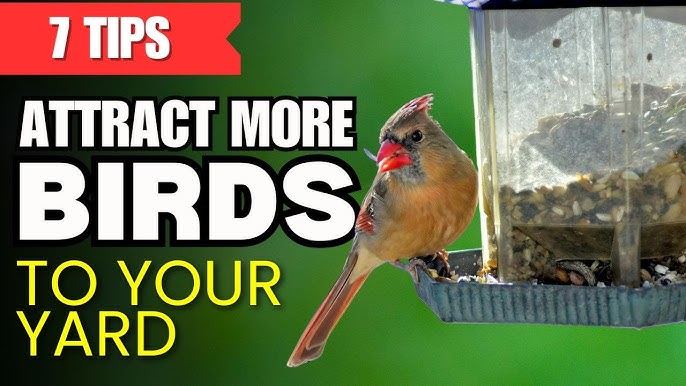
Credit: www.youtube.com
Feeding Strategies
Birds use smart feeding strategies to get the best food safely. Staying still on a feeder helps them avoid danger and plan their next move. These strategies improve their chances of eating without wasting energy or risking harm.
Waiting For Turn
Birds often stay motionless to wait for their turn to eat. Feeders can get crowded, so patience is key. By standing still, they avoid fights and keep peace with other birds. This calm behavior helps them secure food without stress.
Assessing Food Quality
Birds also stay quiet to check the food’s quality before eating. They look for fresh seeds and avoid spoiled ones. This careful checking saves energy and prevents eating bad food. Staying still lets them focus on what’s best to eat.
Species-specific Traits
Birds show many different behaviors at feeders. These behaviors depend on the species. Each species has traits that guide how it acts. Some birds stay very still, while others move a lot. Understanding these traits helps explain why some birds remain motionless on feeders.
Behavior Differences
Different species have unique ways of feeding. Some birds are cautious and stay still to avoid predators. Others are more active and move quickly to grab food. For example:
- Finches often stay still and feed slowly.
- Woodpeckers may pause between pecks, appearing motionless.
- Sparrows tend to be quick and jumpy at feeders.
These behavior differences come from how each species evolved. Staying motionless can help a bird stay safe and conserve energy.
Adaptations At Feeders
Birds have special adaptations that affect their feeding style. These include body shape, beak size, and leg strength. For example, birds with sharp beaks can pick seeds carefully and stay still longer. Birds with strong legs can hold onto feeders firmly without moving.
Adaptations also help birds balance while feeding. Some species can cling to feeders in unusual ways. This allows them to remain motionless and avoid drawing attention.

Credit: happygardens.com
Environmental Influences
Birds often stay motionless on feeders due to various environmental influences that shape their behavior. These external factors can affect how long they pause, how alert they remain, and when they decide to move or fly away. Understanding these influences helps you better appreciate the delicate balance birds maintain to stay safe while feeding.
Weather Effects
Weather plays a huge role in bird behavior at feeders. On cold or windy days, birds may stay still to conserve energy and reduce heat loss. You might notice a bird puffing up its feathers and sitting quietly for longer periods during chilly mornings.
Rain or heavy moisture can also make birds motionless. Wet feathers weigh them down, so they often stay put until the rain stops and they can dry off. Have you ever seen a bird just hanging out on a feeder during a drizzle? They’re waiting for safer conditions to fly again.
Bright sunlight and heat can cause birds to move less as well. Staying still in shade or on a feeder helps them avoid overheating. You can support them by placing feeders near trees or shaded areas.
Human Activity Impact
Human presence near feeders strongly affects bird motion. Birds are cautious and will freeze when they sense movement or noise nearby. This stillness helps them avoid detection from potential threats—you might even catch them staring directly at you, frozen in place.
Loud sounds or sudden movements can cause birds to take off quickly, but if the activity is mild or consistent, birds may simply stay motionless, assessing the risk. Have you noticed birds becoming more relaxed at feeders you visit often? They learn to trust you over time.
Placing feeders in quiet spots away from heavy foot traffic can encourage birds to feel safer and move naturally. Your patience and calm behavior can make a big difference in how birds respond around feeders.
Tips For Birdwatchers
Watching birds stay motionless on your feeder can be a curious sight. As a birdwatcher, understanding how to encourage more activity can deepen your connection with these fascinating creatures. Here are some practical tips to make your feeder a lively hotspot for birds.
Encouraging Active Feeding
To see birds in motion, try offering a variety of seeds and nuts. Different birds prefer different foods, so mixing sunflower seeds, millet, and peanuts can attract a range of species.
Changing the feeding schedule can also spark activity. Birds often feed actively during early morning and late afternoon, so try observing them at these times.
Have you noticed how some birds hesitate at the feeder? Placing multiple feeding spots can reduce competition and encourage more movement as birds hop between stations.
Creating Comfortable Spaces
Birds are more likely to stay and feed actively if they feel safe. Position your feeder near shrubs or trees where birds can quickly retreat if needed.
Keep the area around the feeder clean and free from predators like cats. You might be surprised how much a quiet, calm environment influences bird behavior.
Adding perches nearby can invite birds to rest comfortably before or after feeding. This small change often results in more natural and lively movements around your feeder.

Credit: www.allaboutbirds.org
Frequently Asked Questions
Why Do Birds Stay Motionless On Feeders?
Birds stay motionless on feeders to avoid drawing attention from predators. This behavior helps them remain safe while eating and conserving energy.
How Does Motionless Behavior Benefit Birds At Feeders?
Remaining still helps birds blend into surroundings and reduces the chance of startling other birds. It also aids in quick escape if threatened.
Do Birds Stay Still To Conserve Energy At Feeders?
Yes, staying motionless helps birds conserve energy. They minimize movement to save strength for flight and other survival activities.
Can Motionless Birds Detect Danger Faster?
Yes, being still allows birds to better listen and watch for predators. This alertness increases their chances of survival.
Conclusion
Birds stay still on feeders to stay safe and watch for danger. Staying motionless helps them blend with their surroundings. It also lets them rest while eating. This behavior shows how smart and careful birds are. Watching them can teach us about nature’s balance.
Next time you see a bird quiet on a feeder, remember it’s staying alert and calm. This simple act helps birds survive and enjoy their meal.