

Have you ever wondered if the bird seed you buy for your backyard feeder is really good for wild birds? Feeding wild birds can be a fun and rewarding way to connect with nature right outside your window.
But before you toss that bag of bird seed into your feeder, it’s important to know what you’re really offering these feathered visitors. You’ll discover whether feeding wild birds bird seed is safe, what types of seeds attract different birds, and how you can make your feeding spot a healthy haven.
Keep reading to make sure you’re helping, not harming, your local bird friends.

Credit: www.amazon.com
Benefits Of Feeding Wild Birds
Feeding wild birds with bird seed offers more than just a chance to watch colorful visitors at your window. It creates a direct connection between you and the natural world, benefiting both the birds and your environment. Understanding these benefits can help you feel confident about why your small act matters.
Supporting Local Wildlife
You provide a vital food source, especially when natural supplies are low. During harsh weather or habitat loss, bird seed can be a lifeline. This support helps maintain healthy bird populations in your area.
Have you noticed how birds seem more active and confident around feeders? That’s because they rely on consistent food sources to thrive. Your efforts create a safe spot where birds can rest and refuel.
Encouraging Bird Diversity
Different types of bird seed attract a wide variety of species. Sunflower seeds might bring in cardinals, while nyjer seeds attract finches. Offering a mix can turn your yard into a lively bird hotspot.
Seeing new and unexpected birds visit your feeder can be exciting. It also means you’re playing a role in supporting diverse bird communities. How many different bird species have you spotted after adding seed to your yard?
Seasonal Feeding Advantages
Feeding birds through different seasons helps them cope with changing conditions. In winter, seeds provide essential energy to stay warm. Spring feeding supports birds during nesting and raising chicks.
Seasonal feeding can also keep your backyard lively year-round. This steady presence benefits not just birds but also your enjoyment and mental well-being. Could a simple feeder become your next favorite natural entertainment?
Choosing The Right Bird Seed
Choosing the right bird seed is key to attracting wild birds safely. Different birds prefer different seeds. Providing the right type ensures they get proper nutrition. It also helps keep your bird visitors healthy and happy.
Not all seeds are good for wild birds. Some seeds might not be eaten or can cause harm. Knowing which seeds to pick and which to avoid makes feeding birds easier and safer.
Popular Seed Types
- Black oil sunflower seeds: Loved by many bird species. High in fat and easy to crack.
- Nyjer (thistle) seeds: Small seeds that attract finches and siskins.
- Millet: White proso millet is popular with sparrows and doves.
- Safflower seeds: Preferred by cardinals and grosbeaks. Less favored by squirrels.
- Cracked corn: Attracts larger birds like jays and pigeons.
Seeds To Avoid
- Moldy or old seeds: Can cause illness in birds.
- Seeds with shells too hard: Some birds cannot open them.
- Colored or flavored seeds: These often contain harmful chemicals.
- Unhulled peanuts: Risk of fungal toxins harmful to birds.
Seed Quality And Freshness
Fresh seed is vital for bird health. Old seed loses nutrients and may grow mold. Store seed in a cool, dry place. Check seed regularly for signs of spoilage. Buy seed in small amounts to keep it fresh. Proper storage helps prevent pests and contamination.
Feeding Techniques And Tips
Feeding wild birds bird seed requires some care to keep the birds safe and happy. Using the right techniques helps attract various bird species. It also keeps the seed fresh and reduces waste. Follow simple tips to create a friendly feeding spot for birds.
Best Feeders For Different Birds
Choose feeders that suit the type of birds you want to attract. Tube feeders work well for small birds like finches and chickadees. Platform feeders attract larger birds such as doves and cardinals. Suet feeders are perfect for woodpeckers and nuthatches. Use hanging feeders to keep seed away from squirrels and other animals. Clean feeders often to prevent mold and disease.
Proper Seed Storage
Store bird seed in a cool, dry place. Use airtight containers to keep moisture out. Moisture can cause seed to mold quickly. Keep seed away from direct sunlight to preserve nutrients. Avoid buying too much seed at once to ensure freshness. Check seed regularly for signs of spoilage or pests.
Feeding Frequency And Amount
Feed birds daily, especially in colder months. Offer just enough seed to be eaten in one day. Leaving old seed can attract pests and cause health problems. Adjust the amount based on the number of birds visiting. Clean feeders before refilling to keep food fresh. Watch the birds to learn their feeding habits and needs.
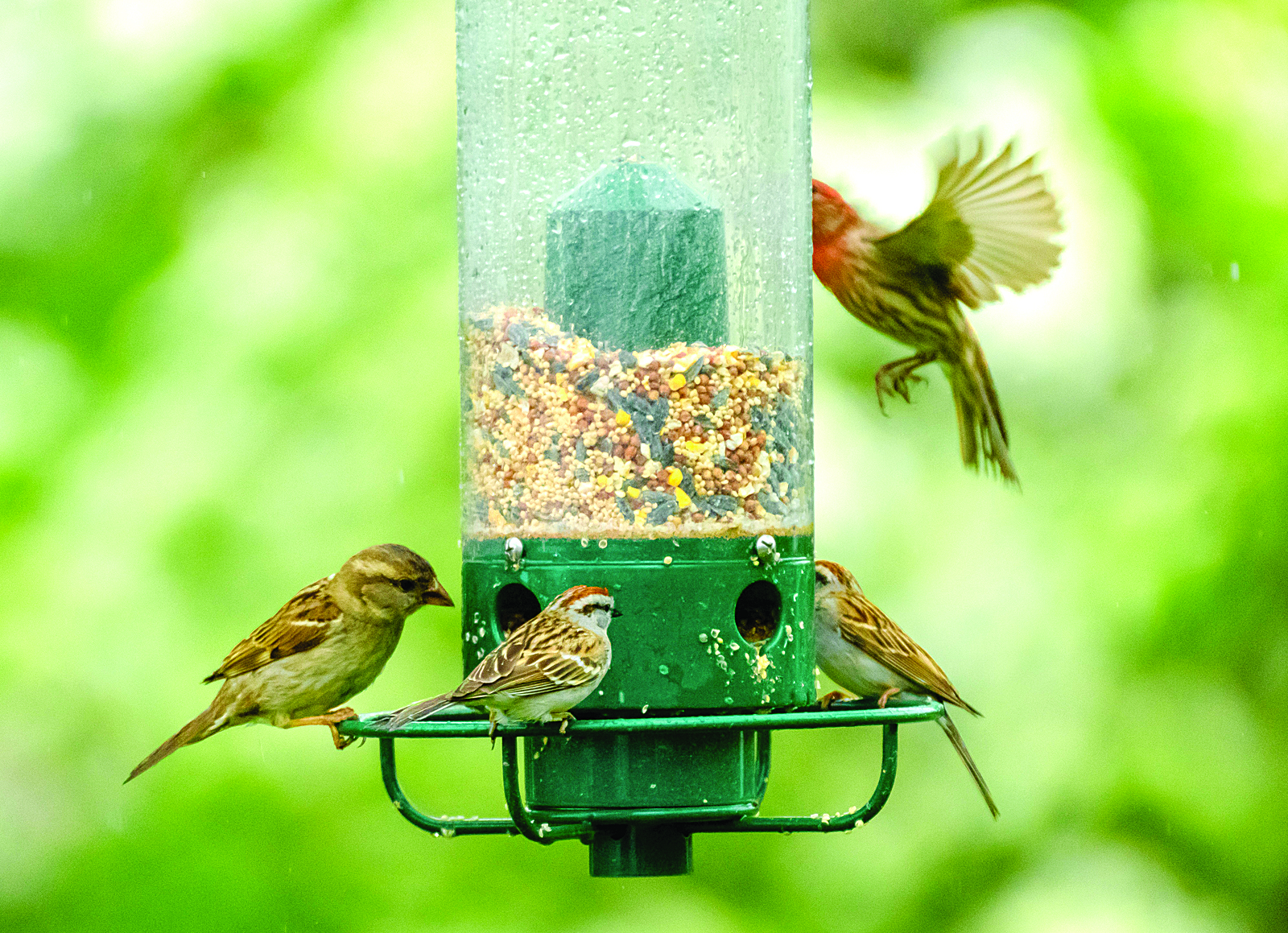
Credit: localgardener.net
Common Mistakes To Avoid
Feeding wild birds can be a rewarding experience, but it’s easy to make mistakes that could harm the birds or disrupt the local ecosystem. Being mindful of common errors helps you create a safe and healthy environment for your feathered visitors. Let’s look at the pitfalls you should avoid to keep your bird feeding efforts effective and responsible.
Overfeeding Concerns
Giving birds too much food can lead to dependency, making them less likely to forage naturally. It can also attract unwanted pests like rodents or aggressive birds that may chase away smaller species.
Try to offer only enough seed for the birds to consume in a day or two. You might notice that during cold spells, birds eat more, so adjust the amount accordingly but avoid leaving large piles of seed that sit uneaten.
Unsafe Feeding Locations
Placing feeders in unsafe spots can expose birds to predators or cause accidents. Feeding stations too close to windows may lead to bird collisions, which can be fatal.
Choose locations that offer some cover, like near shrubs or trees, but keep feeders at least three feet away from windows or use window decals to reduce reflections. Also, avoid placing feeders in areas where cats or other predators can easily reach the birds.
Ignoring Hygiene And Cleanliness
Dirty feeders can spread diseases among birds, causing illness or death in your local bird population. Moldy or spoiled seed is a common culprit.
Clean your feeders regularly with hot, soapy water and rinse thoroughly. Remove old seed and droppings to maintain a healthy feeding spot. You’ll likely see healthier and more birds visiting when cleanliness is a priority.
Attracting Specific Bird Species
Feeding wild birds with bird seed is more than just tossing some seeds into your yard. If you want to attract specific bird species, choosing the right type of seed is key. Different birds have unique preferences, and offering what they like can turn your backyard into a lively bird sanctuary.
Seeds For Finches And Sparrows
Finches and sparrows usually favor small, lightweight seeds. Nyjer seeds are a top choice for finches, especially goldfinches, because of their tiny size and high oil content. Sparrows prefer millet, which is easy for them to crack open and digest.
If you want to see these little birds flocking to your feeders, try blending nyjer and millet. You might notice finches darting in first, followed by sparrows settling nearby. Have you ever watched a group of finches feed? Their quick movements are a joy to see up close.
Seeds For Cardinals And Jays
Cardinals and jays prefer larger seeds with more substance. Black oil sunflower seeds are a favorite because they have a thin shell and high nutritional value. These birds are strong enough to handle the shells and enjoy the rich kernels inside.
Adding safflower seeds can also attract cardinals since they often avoid feeders with peanuts or millet. Jays love peanuts and cracked corn, which give them the energy for their busy days. Offering a mix of these seeds will keep your cardinals and jays coming back regularly.
Seeds For Woodpeckers And Nuthatches
Woodpeckers and nuthatches have strong beaks designed for cracking open tough seeds. Peanuts, either whole or shelled, are a great option for these birds. They also enjoy suet cakes that contain seeds and nuts, which provide extra fat during colder months.
Sunflower seeds work well here too, especially black oil sunflower seeds. You might see woodpeckers clinging sideways to your feeder while they work on the seeds. Have you noticed how nuthatches move headfirst down tree trunks? Feeding them can bring this fascinating behavior right to your window.
Seasonal Considerations For Feeding
Feeding wild birds throughout the year requires more than just scattering bird seed. Each season changes the birds’ needs and the environment around your feeder. Paying attention to these seasonal considerations helps you support local wildlife effectively while keeping your feeding routine safe and enjoyable.
Winter Feeding Tips
Winter is the toughest time for wild birds. Cold weather and snow cover make food scarce, so your bird feeder becomes a vital food source.
Offer high-energy seeds like sunflower and peanuts to help birds maintain body heat. Keep your feeder clean and dry to prevent mold and illness, especially in freezing conditions.
Have you noticed how birds flock eagerly to feeders after a fresh snowfall? This shows just how crucial your help is during winter.
Spring And Summer Adjustments
As temperatures rise, birds shift their diet from seeds to insects and fruits. You should reduce seed offerings and add fresh fruit or mealworms to attract a wider variety of birds.
Spring is also breeding season. Avoid disturbing nesting birds by placing feeders away from dense shrubs or trees.
Remember to clean feeders more often in warmer months to prevent bacteria buildup that can harm young birds.
Fall Preparations
Fall is a transition period when birds bulk up for migration or winter survival. Increase seed amounts, especially those high in fat like sunflower seeds.
It’s a good time to inspect and repair feeders, ensuring they are ready to handle the winter demand.
Consider planting native plants nearby to provide natural food and shelter alongside your feeder.
Health And Safety For Wild Birds
Feeding wild birds can be a joyful way to connect with nature, but it’s important to prioritize their health and safety. Providing the right kind of bird seed and maintaining clean feeding areas can make a big difference in keeping birds healthy. Neglecting these factors may unintentionally harm the very creatures you want to help.
Avoiding Moldy Seed
Moldy seed is a hidden danger that can cause serious illness in wild birds. Always check your bird seed for any signs of mold before putting it out. If the seed looks clumped, discolored, or smells musty, discard it immediately.
Store your seed in a cool, dry place with a tight lid to prevent moisture buildup. I once noticed a decline in visiting birds after a rainy week, only to find moldy seed in the feeder. Cleaning the feeder and replacing the seed quickly brought the birds back.
Preventing Disease Spread
Disease can spread rapidly through bird populations at feeders. Avoid overcrowding by using multiple feeders spaced apart. Clean feeders regularly with a mild bleach solution (1 part bleach to 9 parts water) to kill harmful germs.
Don’t forget to clean up spilled seed and droppings around feeders, as these can harbor pathogens. If you see sick or dead birds near your feeding area, stop feeding for a few weeks to prevent spreading disease further.
Safe Water Sources
Wild birds need fresh water as much as they need food. Providing a birdbath or shallow water dish can attract more visitors. But standing water can become a breeding ground for bacteria and parasites.
Change water daily and scrub the container weekly to keep it safe. In winter, consider a heated birdbath to prevent water from freezing. Have you checked your birdbath water lately to ensure it’s clean and inviting?

Credit: creators.yahoo.com
Frequently Asked Questions
Can Wild Birds Eat Regular Bird Seed?
Yes, wild birds can eat regular bird seed. Different bird species prefer different seeds. Black oil sunflower seeds attract many common wild birds. Avoid feeding moldy or spoiled seeds to protect bird health.
Is It Safe To Feed Wild Birds Year-round?
Feeding wild birds year-round is generally safe. It helps birds during scarce food periods. However, clean feeders regularly to prevent disease. Adjust feeding amounts based on natural food availability in different seasons.
What Types Of Bird Seed Attract Wild Birds?
Black oil sunflower seeds attract most wild birds. Nyjer seed is great for finches. Millet appeals to sparrows and doves. Offering a mix of seeds attracts a wider variety of species.
Does Feeding Wild Birds Affect Their Natural Behavior?
Feeding wild birds can alter their natural foraging habits. Birds may become dependent on feeders if natural food is scarce. To minimize impact, provide seed responsibly and maintain natural habitats nearby.
Conclusion
Feeding wild birds bird seed can help them stay healthy and strong. Choose the right seed to attract different bird types. Keep the feeding area clean to avoid diseases. Watch birds enjoy the food and visit often. Feeding birds connects you with nature every day.
It brings joy and helps wildlife thrive near you. Small acts like this make a big difference. Enjoy the simple pleasure of watching birds feed.