

Leaving your feathered friends behind while you’re on vacation can feel worrying. You want to make sure your backyard birds don’t go hungry while you’re away.
But how can you feed birds for a whole week without being there every day? The good news is, with a few simple tips and smart planning, you can keep your birds well-fed and happy until you return. Keep reading to discover easy, practical ways to care for your birds even when you’re not home.
Your peace of mind—and your birds—will thank you.
Choosing The Right Bird Feeders
Choosing the right bird feeders helps keep your feathered friends fed while you are away. Good feeders hold enough food and protect it from weather and pests. Picking the right one makes feeding easier and safer for birds. Consider the types, strength, and where to place feeders before leaving for a week.
Types Of Bird Feeders
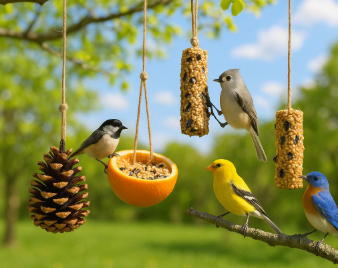
Several feeders suit different bird species and foods. Tube feeders hold seeds and attract small birds. Hopper feeders store more food and suit many bird types. Platform feeders offer open trays for mixed food. Suet feeders attract woodpeckers and insect eaters. Choose a feeder based on the birds you want to feed.
Durability And Weather Resistance
Feeders must withstand rain, wind, and sun. Look for materials like metal or heavy plastic. These resist rust and cracking over time. Weatherproof feeders keep food dry and fresh longer. Sturdy feeders also stop squirrels and pests from stealing food. A strong feeder saves hassle and food waste while away.
Placement Tips
Place feeders where birds feel safe and can see predators. Hang feeders near shrubs or trees for quick shelter. Avoid spots too close to windows to prevent collisions. Keep feeders away from busy paths or pets. A good spot helps birds find food easily and stay protected.
Credit: www.schoolnewsnetwork.org
Selecting Bird Food
Choosing the right food for birds before a week-long vacation is key. Birds need proper nutrition to stay healthy and active. Different birds prefer different types of food. Picking the right seeds and mixes ensures they get the energy they need. Quality food also helps attract a variety of bird species to your feeder.
Popular Seeds And Mixes
Sunflower seeds are a top choice for many birds. They are rich in fat and easy to eat. Black oil sunflower seeds attract cardinals, chickadees, and finches. Millet and cracked corn are common in many bird seed mixes. These grains appeal to sparrows, doves, and juncos. Mixed birdseed blends provide variety to satisfy multiple bird types. They often contain sunflower seeds, millet, cracked corn, and safflower seeds.
Specialty Foods For Different Birds
Nyjer seed is perfect for finches like goldfinches and siskins. It is tiny and high in oil content. Peanuts, either whole or shelled, attract woodpeckers, nuthatches, and jays. Suet blocks offer energy-rich fat for insect-eating birds during cold weather. Mealworms attract bluebirds, wrens, and robins. Fresh fruit pieces can lure orioles and tanagers. Tailoring food choices helps support different bird species in your yard.
Avoiding Harmful Ingredients
Avoid seeds treated with pesticides or chemicals. These can harm birds or reduce feeder visits. Stay away from moldy or damp seeds that can cause illness. Salted or flavored nuts are bad for birds and should never be used. Do not offer bread or junk food; these lack nutrition and can cause health problems. Always choose fresh, clean, and natural bird food for best results.
Automating Bird Feeding
Automating bird feeding lets you enjoy vacation without worry. It ensures birds get food on time. You create a reliable feeding routine that works even if you are away. This way, birds stay healthy and happy while you relax.
Automatic Feeders Options
Choose from many automatic feeder types. Some use gravity to release seeds slowly. Others have electronic timers that drop food at set times. Battery-powered feeders work well outdoors without plugs. Solar models recharge during daylight for eco-friendly use. Pick a feeder that fits your bird types and feeding habits.
Setting Timers And Portions
Set timers to feed birds regularly. Most feeders allow you to program feeding times easily. Adjust portion sizes to avoid waste or overfeeding. Smaller portions keep food fresh and prevent pests. Test settings before leaving to ensure proper function. Consistent feeding helps birds stay healthy and active.
Maintenance During Vacation
Check feeders before your trip for cleanliness. Clean feeders remove mold and bacteria. Fill feeders completely to last your entire absence. Have a friend or neighbor check feeders if possible. Clear fallen seeds or debris to avoid attracting unwanted animals. Proper maintenance keeps feeders safe and effective.
Preparing For A Week Away
Preparing to leave your feathered friends for a week requires some planning. Birds depend on you for food and water daily. Without proper preparation, they might struggle to find enough to eat. Setting up everything before you go ensures they stay healthy and happy while you are away.
Start early to avoid last-minute rushes. This way, you can test everything and fix problems. Birds will keep coming back to your feeders if they find food and water easily. Being ready means less stress for you and the birds.
Stocking Enough Supplies
Buy extra birdseed to cover the entire week. Calculate how much birds eat each day. Add a little more to be safe. Keep the seed in airtight containers to stay fresh. Don’t forget about water. Fill large containers or install a birdbath with a slow drip. Ensure water won’t run out quickly or get dirty.
Testing Feeders Before Leaving
Check all feeders for damage or blockages. Clean them to prevent mold or germs. Fill feeders and watch birds visit for a few days. This shows if feeders work well. Fix any leaks or clogs. Make sure birds can easily access the food. Test water sources too. Replace parts if needed.
Backup Plans For Unexpected Issues
Prepare for problems like spoiled food or bad weather. Ask a neighbor or friend to check feeders once or twice. Leave clear instructions on feeding and care. Keep spare feeders and extra seed handy. Consider automatic feeders or waterers with timers. These tools help keep birds fed if you cannot get home soon.
Alternative Feeding Solutions
Leaving your feathered friends without food for a week might feel uneasy. Luckily, you can explore alternative feeding solutions that keep birds nourished while you’re away. These options can also deepen your connection with neighbors and the local environment.
Asking Neighbors For Help
Have you considered asking a neighbor to feed the birds for you? Most people appreciate a small favor, especially if you offer to return it in the future. You can prepare a simple feeding schedule and leave clear instructions on what type of food to provide.
Make it easy by setting up the feeder where it’s visible and accessible. Adding a note about the birds you usually feed helps your neighbor feel more confident. This also creates an opportunity to strengthen community ties—maybe you’ll discover a new bird enthusiast next door!
Hiring A Caretaker
If your neighborhood isn’t the best option, hiring a pet or garden caretaker can work well. Many caretakers include bird feeding in their services, especially if you have a garden or backyard birds. Look for local services or apps where people offer short-term care for pets and wildlife.
Be sure to discuss exactly what types of seeds or food to use, and how often to refill feeders. You might find that a caretaker’s presence also deters unwanted pests or predators. Could this be a chance to make your bird feeding routine more professional and reliable?
Using Bird Baths And Natural Food Sources
Bird baths filled with fresh water attract birds and encourage them to find natural food nearby. Water is just as important as food, and a clean bird bath can support local wildlife in your absence. You can even plant native flowers or shrubs that provide seeds and berries.
This approach invites birds to explore natural feeding options, reducing dependence on feeders. It’s a simple way to create a mini sanctuary that thrives on its own. Have you noticed how birds quickly discover new water sources and plants? This can keep them healthy until you return.

Credit: www.youtube.com
Safety And Hygiene Tips
Keeping bird feeders safe and clean is key for healthy birds. Birds can get sick from dirty feeders or spoiled food. Take simple steps to protect them while you are away. Good hygiene helps birds stay strong and happy.
Cleaning Feeders Regularly
Wash feeders before your trip and once you return. Use warm water and mild soap. Rinse well to remove all soap. Dry completely to stop mold growth. Clean feeders at least once a week if you stay longer.
Preventing Mold And Spoilage
Store bird seed in a cool, dry place. Avoid wet or damp seed in feeders. Remove old or wet seed to stop mold. Use feeders with good drainage to keep seed dry. Moldy food can make birds very sick.
Protecting Birds From Predators
Place feeders in safe spots away from cats and other predators. Use baffles or covers to block predators. Keep feeders high off the ground if possible. Watch for signs of predators near your feeding area. Safe feeding spots help birds feel secure.
Credit: pethelpful.com
Frequently Asked Questions
How Can I Feed Birds While On Vacation?
Use automatic bird feeders with large seed capacity. Fill feeders before leaving. Ensure feeders are weatherproof and easy to refill. Ask a neighbor to check and refill if needed. This keeps birds fed for a week without daily maintenance.
What Bird Food Lasts The Longest Unattended?
Sunflower seeds and millet are great for long-lasting bird food. These seeds resist moisture and spoilage. Avoid fresh fruits or mealworms, which spoil quickly. Use dry, durable seeds to keep birds nourished during your absence.
How Do I Keep Bird Water Fresh On Vacation?
Use a large water container with a slow drip system. Change water before leaving and ask someone to refresh it midweek. Alternatively, use water gels or hydration packs designed for birds to maintain freshness.
Can I Automate Bird Feeding For A Week?
Yes, automatic bird feeders with timers or gravity feeders work well. They release food gradually without manual refilling. Choose feeders that prevent seed clumping and protect from rain to ensure continuous feeding.
Conclusion
Feeding birds while you are away takes some planning. Set up feeders with enough food for a week. Use timers or ask a neighbor to help. Choose safe, fresh bird food to keep them healthy. Keep water available so birds stay hydrated.
This small effort brings joy and helps birds stay strong. Enjoy your trip knowing birds are cared for. Simple steps make a big difference for your feathered friends.