

Have you ever wondered how much wild bird seed you should put out to keep your feathered friends happy? Feeding wild birds can bring joy and life to your backyard, but giving them too little or too much seed can cause problems.
Finding the right amount is easier than you think, and it makes a big difference for the birds and your garden. Keep reading to discover simple tips that will help you feed wild birds just the right way—so they keep coming back, healthy and happy.
Daily Seed Amounts
Knowing how much wild bird seed to offer daily can make a big difference in keeping your feathered visitors healthy and happy. The right amount ensures they get enough nutrition without wasting food or attracting unwanted pests. Let’s break down what influences these seed amounts and how you can adjust them effectively.
Factors Affecting Seed Needs
Bird seed requirements depend on several factors you should consider. The size and type of birds visiting your feeder play a big role. Larger birds like cardinals need more seeds than smaller ones such as finches.
Another factor is how many birds visit your feeder daily. A busy feeder with many visitors will need a larger supply of seed. Also, the quality and type of seed you use affect how much birds consume—some seeds are more filling than others.
Have you noticed that birds eat more on cold days? Temperature and weather conditions impact their energy needs. When it’s chilly, birds require extra calories to stay warm, increasing their seed consumption.
Seed Quantity By Bird Species
| Bird Species | Average Daily Seed Intake | Preferred Seed Type |
|---|---|---|
| House Finch | 1-2 teaspoons | Nyjer, sunflower chips |
| Northern Cardinal | 1-2 tablespoons | Black oil sunflower |
| Chickadee | 1 teaspoon | Sunflower seeds, safflower |
| Goldfinch | 1-2 teaspoons | Nyjer |
Knowing these amounts helps you avoid overfeeding. If you see a mix of species, aim for a balanced amount catering to the larger eaters.
Seasonal Variations
Seed needs change with the seasons. In winter, birds eat more to maintain body heat. You might notice they empty your feeder faster during cold snaps.
Spring and summer bring natural food sources like insects and berries, so birds rely less on feeders. During these months, you can reduce the seed amount to prevent leftovers from spoiling.
Fall is a busy time as birds prepare for migration or winter. Increasing seed amounts can provide the energy they need. Have you observed how your feeder traffic changes through the year? Adjusting seed quantities accordingly keeps your feeder inviting and waste-free.

Credit: jcswildlife.com
Choosing The Right Seed Mix
Choosing the right seed mix plays a big role in feeding wild birds properly. Different bird species prefer different seeds. The right mix attracts more birds and keeps them healthy. It also helps avoid wasting seeds that birds do not eat. Understanding popular seed types and their benefits will guide you to pick the best mix.
Popular Seed Types
- Black Oil Sunflower:Loved by many birds for its high oil content.
- Millet:Small and easy to eat, popular with sparrows and doves.
- Safflower:Favored by cardinals and grosbeaks, less liked by squirrels.
- Nyjer (Thistle):Tiny seeds for finches and chickadees.
- Cracked Corn:Attracts larger birds like jays and pigeons.
Nutritional Value
Seeds vary in nutrients. Black oil sunflower provides fats and energy. Millet is rich in carbohydrates. Safflower offers protein and fiber. Nyjer is high in oil and helps birds stay warm. A balanced seed mix supports birds’ energy needs and health during all seasons.
Avoiding Waste
Choose seeds that local birds like to eat. Avoid mixes with fillers like red millet or wheat. These often remain uneaten and attract pests. Keep the feeder clean to prevent mold growth. Refill only the amount birds consume in a day or two. This prevents seed spoilage and saves money.
Feeding Frequency Tips
Feeding wild birds the right amount of seed at the right times keeps them healthy and visiting your yard regularly. Understanding how often to refresh their food, spotting signs of overfeeding, and adjusting your routine for weather changes can make a big difference. Let’s look at practical tips that help you balance feeding without waste or harm to the birds.
How Often To Refill
Refill your bird feeder when the seed supply drops to about a quarter full. This usually means topping up every two to three days, depending on how many birds visit. If you notice the seed disappearing faster, you might need to refill daily.
Keep a close eye during migration seasons when birds flock in larger numbers; they will consume more seed. You don’t want the feeder to run empty because consistent feeding encourages regular visits. How often you refill also depends on the feeder size and seed type.
Signs Of Overfeeding
Overfeeding can attract unwanted pests like squirrels and rodents, so watch for increased activity around your feeder. If you see piles of uneaten seed on the ground, it’s a clear sign you’re putting out too much food.
Birds might also become dependent on your feeder and stop foraging naturally. That’s why it’s important to feed in moderation. Have you noticed birds ignoring natural food sources in your yard after you started feeding?
Adjusting For Weather
Cold weather increases birds’ energy needs, so feeding frequency should increase in winter. You might find yourself refilling feeders every day or every other day during a cold snap.
On warmer days, birds need less supplemental food, so you can reduce how often you refill. Rainy weather can spoil seed quickly, so check feeders more often and remove wet seed to prevent mold.
Changing your feeding schedule with the weather keeps birds healthy and your seed fresh. What’s your experience with how birds’ feeding habits change through the seasons?

Credit: www.walmart.com
Feeder Size And Placement
Choosing the right feeder size and placing it correctly are key to managing how much wild bird seed you offer. These factors affect not only the amount of seed birds consume but also how fresh and inviting the seed stays. Getting this balance right ensures you attract more birds without wasting food or creating a mess.
Matching Feeder To Seed Amount
Your feeder should hold enough seed to feed birds for a few days but not so much that the seed goes stale. A medium-sized feeder is often ideal, holding around 2 to 4 pounds of seed. This size allows you to refill regularly and keep the seed fresh, which birds prefer.
Consider how many birds visit your yard. If you have frequent visitors, a larger feeder may be necessary. However, if you notice leftover seeds after several days, downsizing can reduce waste and discourage mold growth.
Best Locations For Feeding
Place your feeder where birds feel safe and can easily spot potential dangers. Near natural cover like bushes or trees works well, as it gives birds a quick escape route. Avoid open areas that expose birds to predators or harsh weather.
Also, think about convenience for you. Position the feeder where you can easily refill it and clean it regularly. This habit helps maintain a healthy feeding environment and keeps the birds coming back.
Preventing Spillage
Spilled seed attracts unwanted pests and leads to waste. To minimize this, choose feeders with seed trays or guards that catch dropped seeds. You can also place a seed-catching mat or tray beneath the feeder.
Make sure the feeder is securely mounted and not swinging in the wind. A stable feeder reduces spillage and keeps seed inside where birds can reach it. Have you noticed how much seed ends up on the ground? A little prevention goes a long way in saving your seed and keeping your yard tidy.
Monitoring Bird Health And Behavior
Keeping an eye on wild birds’ health and behavior is key to knowing how much seed to offer. Feeding birds isn’t just about filling a feeder; it’s about supporting their wellbeing. Watching closely can help you spot if your feeding routine meets their needs or if adjustments are necessary.
Observing Feeding Patterns
Watch how often birds visit your feeder and how quickly they eat the seed. If seeds disappear too fast, you might need to increase the amount. On the other hand, leftover seed that sits for days could mean you’re offering too much.
Notice which species come most frequently. Some birds eat more than others, so you may want to tailor the amount based on the visitors. Have you ever seen a sudden drop in visits? It could signal a problem with seed quality or quantity.
Identifying Nutritional Issues
Look for signs of poor health, such as dull feathers, lethargy, or changes in behavior. These can hint that the birds aren’t getting the right nutrients from the seed mix. You might need to add variety or switch to a higher-quality blend.
Sometimes, birds prefer certain seeds over others, which can lead to nutritional gaps. Pay attention if they leave certain seeds untouched. Offering a mix with sunflower seeds, millet, and safflower can cover a wider range of nutrients.
Encouraging Natural Foraging
Don’t rely solely on feeders. Encouraging birds to forage naturally helps them get a balanced diet and exercise. Try placing seed on the ground or near bushes to mimic natural feeding habits.
Think about how you can create a bird-friendly environment around your yard. Adding native plants and shrubs invites insects and berries, which supplement seed feeding. How might you adjust your feeding to support birds’ natural instincts?
Sustainable Feeding Practices
Feeding wild birds is a joyful activity that connects you with nature. Practicing sustainability ensures bird feeding is safe and helpful. It protects the environment and supports bird health. Sustainable feeding means giving just enough food without waste. It also means caring for feeders and surroundings. This keeps local bird populations strong and happy.
Minimizing Environmental Impact
Use only the amount of seed birds can eat in a day. Leftover seeds attract pests and cause mold. Choose seeds that suit local birds to reduce waste. Avoid plastic packaging by buying in bulk or from eco-friendly sources. Place feeders where spilled seeds won’t harm plants or soil. Keep feeding areas clean to prevent pollution and disease.
Supporting Local Bird Populations
Select seeds that local birds prefer, such as black oil sunflower or millet. Avoid feeding exotic seeds that can disrupt local species. Provide fresh water alongside food for hydration. Change feeding spots occasionally to prevent overuse of one area. Offer a variety of seeds to meet different bird needs. Feed birds year-round to help during scarce seasons.
Cleaning And Maintenance
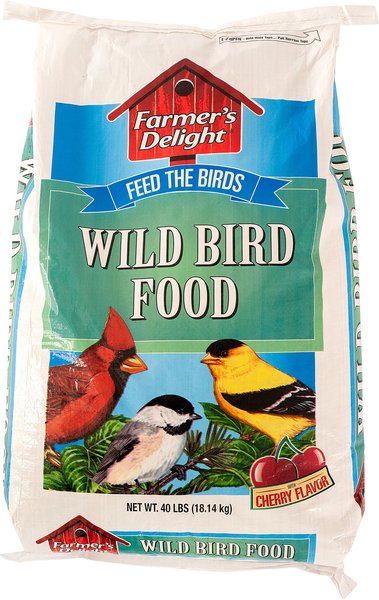
Clean feeders regularly to stop disease spread among birds. Use warm water and mild soap for cleaning. Rinse thoroughly to remove soap residue. Dry feeders completely before refilling. Remove moldy or wet seeds immediately. Check feeders for damage to prevent injuries. Proper maintenance ensures a safe feeding environment.
Credit: www.chewy.com
Frequently Asked Questions
How Much Wild Bird Seed Should I Feed Daily?
Feed wild birds about ¼ to ½ cup of seed per day. This amount attracts birds without overfeeding. Adjust based on bird activity and weather conditions.
Does Overfeeding Wild Birds Cause Problems?
Yes, overfeeding can lead to seed waste, mold, and unhealthy bird dependency. Feed moderate amounts to keep birds healthy and your feeder clean.
What Is The Best Amount Of Seed For Different Bird Species?
Smaller birds eat less seed, around ¼ cup daily. Larger birds may consume up to ½ cup. Tailor amounts to the types of birds visiting.
How Often Should I Refill The Bird Feeder?
Refill your feeder every 2-3 days or when seed runs low. Frequent refills keep birds coming back and prevent seed spoilage.
Conclusion
Feeding wild birds the right amount keeps them healthy and happy. Too much seed can waste food and attract pests. Too little might leave birds hungry. Watch how fast birds eat and adjust the amount. Clean feeders often to keep birds safe.
Enjoy the peaceful moments while feeding your feathered friends. Small steps make a big difference for wild birds in your yard. Keep it simple, steady, and caring. Birds will thank you with visits and song.