
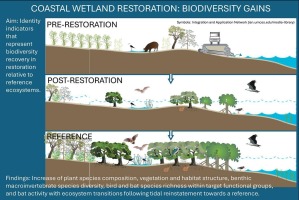
Have you ever wondered if broken-up patches of forest—those fragmented forests—can actually protect the birds that live there? It might seem like splitting a forest into smaller pieces would harm wildlife, but the story isn’t that simple.
What if these fragmented spaces hold surprising benefits for bird conservation? By understanding how these habitats work, you can see why protecting even small forest patches matters. Keep reading to discover how fragmented forests play a role in saving our feathered friends and what that means for your efforts to help nature thrive.
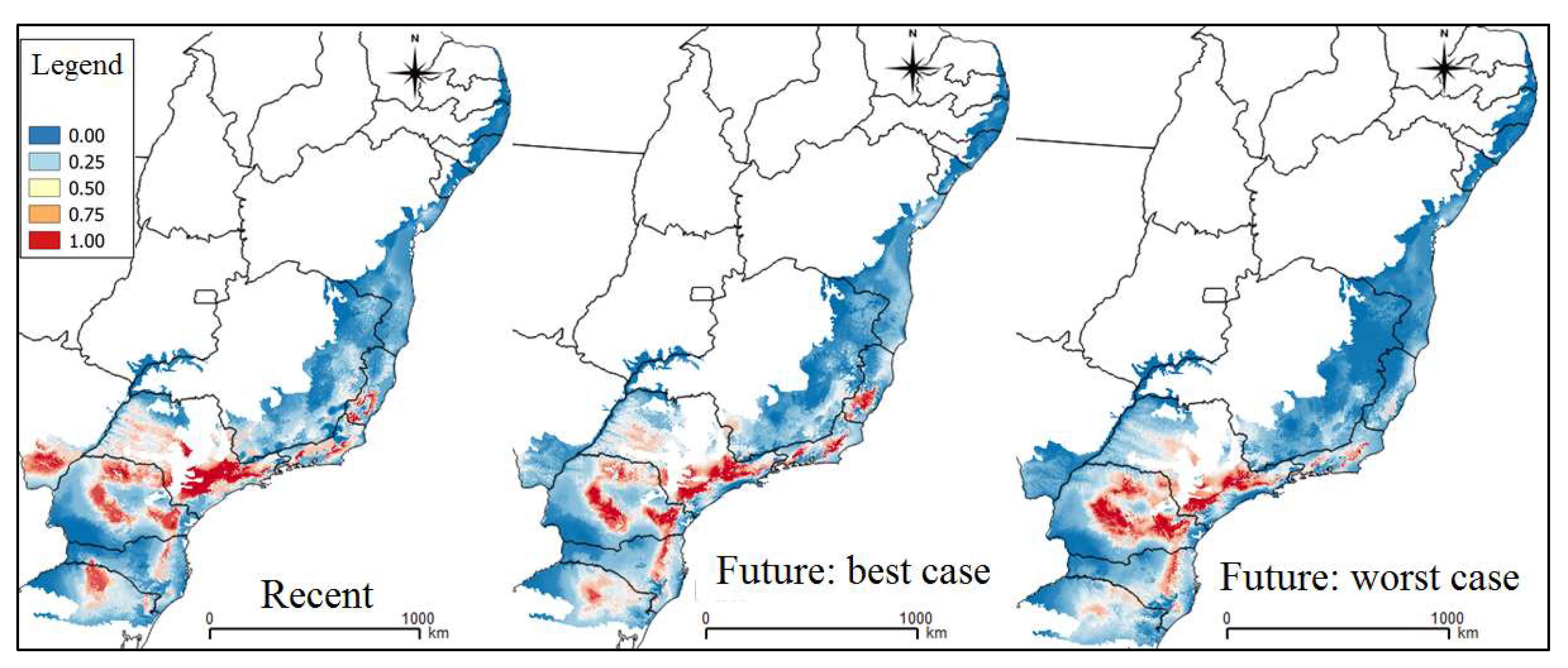
Credit: www.mdpi.com
Bird Diversity In Fragmented Forests
Bird diversity in fragmented forests is a fascinating subject. These forests hold a unique mix of bird species. Understanding how birds adapt to fragmented habitats offers insights into conservation.
Species Richness Patterns
Species richness refers to the number of different bird species in an area. Fragmented forests often show varied species richness patterns. Some areas might host a large number of species, while others may not. The size of the forest fragment influences species richness. Larger fragments usually support more species. The quality of the habitat also plays a crucial role. Healthy, diverse habitats can support a wider variety of bird life. Edge effects in fragmented forests can change species richness. These edges create different environmental conditions that suit some species.
Endemic Vs. Migratory Birds
Endemic birds are species found only in specific areas. Fragmented forests can be crucial for these birds. They depend on these unique habitats for survival. Migratory birds, on the other hand, travel long distances. They use fragmented forests as stopovers during their journeys. These forests provide essential resources like food and shelter. Fragmentation can affect their migration patterns and survival rates. Conservation efforts need to focus on both endemic and migratory birds. Protecting these forests ensures the survival of diverse bird species.

Credit: www.cell.com
Effects Of Fragmentation On Bird Behavior
Forest fragmentation changes the way birds behave. It breaks large forests into smaller patches. These changes affect how birds feed and where they build nests. Birds must adapt to survive in these new environments. Their daily habits often shift due to less space and more edges. Understanding these effects helps protect bird species in fragmented forests.
Changes In Feeding Habits
Fragmented forests reduce food availability. Birds may find fewer insects and fruits. They often spend more time searching for food. Some species switch to eating different types of food. For example, insect-eating birds may eat seeds more often. Feeding in open areas exposes birds to predators. This risk changes their feeding times and locations. Birds may also visit human areas for food. These changes can affect bird health and survival.
Altered Nesting Sites
Forest patches offer fewer safe nesting spots. Birds face more competition for nesting space. Some species use edges or smaller trees for nests. Nesting near edges increases exposure to predators and weather. Birds may build nests lower or in unusual places. Nest success often drops in fragmented areas. Some birds avoid fragmented forests completely. Nesting changes impact bird populations over time.
Habitat Connectivity And Bird Movement
Birds depend heavily on connected habitats to move safely between feeding, nesting, and breeding grounds. When forests break into fragments, the pathways birds use can become blocked or risky. Understanding how habitat connectivity influences bird movement can help you see why some fragmented forests still support bird populations.
Corridors And Dispersal
Habitat corridors are strips of natural vegetation linking isolated forest patches. They act like highways for birds, allowing them to travel without facing dangers like open fields or urban areas.
Studies show that corridors help species disperse, find mates, and access new food sources. If you’ve ever watched a bird fly smoothly through a tree-lined path, you’ve witnessed how corridors ease movement.
Creating or preserving these corridors can make fragmented landscapes much more friendly for birds. Have you noticed how some parks maintain tree lines along streams? Those are practical examples of corridors supporting wildlife.
Isolation Impact
When forest patches are isolated, bird populations often suffer. Small, separated groups face limited gene flow, leading to inbreeding and weaker populations over time.
Isolation also raises risks from predators and reduces access to diverse food sources. Birds trapped in isolated fragments might struggle to survive harsh conditions or diseases.
Do you think a bird confined to a small patch can thrive like one that moves freely? The answer often lies in how connected the habitat is. Ensuring connectivity reduces isolation and helps maintain healthy bird communities.
Benefits Of Small Forest Patches
Small forest patches might seem insignificant compared to vast woodlands, but they play a crucial role in conserving bird populations. These fragments offer unique benefits that larger forests sometimes cannot provide. Understanding these benefits can help you appreciate why even tiny green spaces deserve protection and care.
Refuges For Threatened Species
Small forest patches often serve as safe havens for birds that are struggling to survive. These areas provide shelter from predators and harsh weather, which is vital for threatened species. You might be surprised to find rare birds thriving in what looks like a small, isolated patch of trees near your neighborhood.
Because these patches are less disturbed by human activity, they can offer quiet nesting sites. This means you can support bird conservation by protecting or even planting small forested areas around your home or community. Have you ever noticed a bird species that you thought was rare appearing in a small local park or garden?
Supporting Pollinators And Seed Dispersers
Birds aren’t just important for their beauty; they actively support the ecosystem by pollinating flowers and spreading seeds. Small forest patches provide essential habitats where these birds can feed and breed, maintaining the cycle of plant growth. This in turn helps the forest regenerate and stay healthy over time.
Think about how often you see birds like hummingbirds or fruit-eating species visiting local flowering shrubs and fruit trees. Their presence means the plants around you are more likely to thrive and multiply. What small changes can you make in your garden to attract these helpful birds and support your local environment?
Challenges Faced By Birds In Fragmented Areas
Birds living in fragmented forests face a unique set of challenges that can affect their survival and reproduction. These challenges often stem from the altered environment caused by habitat breaks, which change the availability of resources and safety. Understanding these difficulties can help you appreciate the complexity of conserving bird populations in such areas.
Predation Risks
Fragmented forests create more edges, which can increase the exposure of birds to predators. Predators like snakes, cats, and certain raptors often hunt along these edges, making it riskier for birds to nest or forage near them.
I’ve observed how some small songbirds hesitate to build nests near forest edges, likely sensing the higher danger. This behavior reduces their nesting options, forcing them into less ideal spots. You might wonder, how can conservation efforts reduce these risks? Creating buffer zones or restoring corridors between patches can help lower predator encounters.
Competition And Resource Scarcity
Birds in fragmented areas often face intense competition for limited food, nesting sites, and shelter. Smaller patches may not support enough insects, seeds, or fruits, pushing birds to compete more aggressively.
During a field visit, I noticed aggressive interactions between species around scarce fruiting trees. This competition can stress birds and lower their breeding success. Have you considered how planting native fruit trees or managing invasive species could improve resource availability? Practical steps like these can ease competition and support healthier bird communities.
Conservation Strategies For Fragmented Forests
Fragmented forests pose unique challenges for bird conservation, but targeted strategies can make a real difference. Understanding how to protect and connect these patches can help maintain bird populations and their habitats. Let’s look at practical ways you can support conservation in these areas.
Restoration And Reforestation Efforts
Restoring fragmented forests involves planting native trees and plants to rebuild habitats. This not only increases shelter but also boosts food sources for birds. Small reforestation projects near existing fragments can create corridors that allow birds to move safely between patches.
You might wonder, how effective are these corridors? Studies show that birds use these green pathways to find mates and expand their territory, which is crucial for genetic diversity. Even backyard initiatives can contribute to this if you plant bird-friendly species.
Community Involvement And Policy
Your voice matters in shaping conservation policies. Communities that engage in forest protection see better outcomes for local bird populations. You can join or start local groups that advocate for forest-friendly land use and protection laws.
Policies that limit deforestation and promote sustainable land management are essential. Have you noticed how some areas have strict rules against tree clearing? These regulations help maintain the habitat quality necessary for birds to thrive. Getting involved in public consultations or supporting conservation NGOs amplifies your impact.
Case Studies Revealing Unexpected Outcomes
Case studies on fragmented forests often reveal outcomes that challenge common assumptions about bird conservation. You might expect that breaking forests into smaller patches always harms bird populations, but the reality can be more complex. These studies highlight both surprising successes and lessons from failures, offering practical insights for your conservation efforts.
Success Stories
In some fragmented forests, certain bird species have adapted remarkably well. One study in Costa Rica showed that mixed-species flocks thrived in small forest patches surrounded by diverse agricultural land. These patches acted as critical stopover points during migration, proving that even fragmented habitats can support bird diversity.
Another example comes from Australia, where the regrowth of native trees in fragmented areas helped endangered bird species recover. The key was maintaining connectivity through small corridors, allowing birds to move safely between patches. This shows that thoughtful landscape planning can turn fragmentation into an advantage.
Lessons From Failures
Not all fragmented forests have positive outcomes for birds. In the Amazon, some bird populations declined sharply after fragmentation due to increased predation and reduced food availability. This teaches us that without proper management, fragmentation can create ecological traps.
One striking case involved a forest patch surrounded by urban development where bird diversity plummeted despite the patch’s size. The isolation and human disturbance proved too great, reminding you that size alone doesn’t guarantee success. You need to consider the quality and context of each patch carefully.
Have you noticed how some birds avoid small patches while others use them? Understanding why this happens can help you design better conservation strategies. What factors in your area might influence bird survival in fragmented forests?

Credit: www.sciencedirect.com
Frequently Asked Questions
What Are Fragmented Forests?
Fragmented forests are patches of woodland separated by human activities or natural barriers. They disrupt habitat continuity and affect wildlife movement.
How Do Fragmented Forests Impact Bird Populations?
Fragmentation alters bird habitats, reducing food and nesting sites. Some species adapt, but many face population declines due to isolation.
Can Fragmented Forests Support Bird Conservation?
Yes, fragmented forests can aid bird conservation if managed well. Creating corridors and protecting patches helps maintain bird diversity and movement.
Why Is Habitat Connectivity Important For Birds?
Connectivity allows birds to access resources and mates across fragments. It reduces inbreeding and supports healthy, resilient bird populations.
Conclusion
Fragmented forests can still support many bird species. Birds adapt to smaller patches, finding food and shelter. Yet, larger forests offer better protection and more variety. Conservation efforts should focus on connecting these fragments. Creating corridors helps birds move safely between areas.
Protecting both large and small forests benefits bird populations. Small patches matter, but bigger spaces help more. Saving birds needs thoughtful planning and care. Nature thrives when we protect diverse forest habitats. Every piece counts in keeping bird life alive.