
Have you ever wondered if putting up a birdhouse really helps protect birds? You might think it’s just a simple decoration, but your choice to hang one could make a big difference.
Imagine creating a safe space where birds can raise their young away from danger. You’ll discover how a birdhouse might be more powerful than you think—and why your small action can play a part in conserving these beautiful creatures. Keep reading to find out how you can make a real impact with something as simple as a birdhouse.
Role Of Birdhouses In Bird Conservation
Birdhouses play a vital role in bird conservation. They provide safe habitats in urban areas. With natural nesting sites declining, birdhouses offer an essential refuge. These man-made shelters support bird survival and breeding. Let’s explore the significance of birdhouses in conservation efforts.
Benefits Of Providing Shelter
Birdhouses offer crucial protection from predators. They shield birds from harsh weather conditions. This safe environment increases their chances of survival. Many bird species find it difficult to locate natural nesting sites. Birdhouses fill this gap effectively. They provide a stable, secure place for birds to thrive.
Supporting Breeding And Nesting
Birdhouses encourage successful breeding and nesting. Birds need safe spaces to lay eggs. A well-placed birdhouse can meet this need. This support boosts bird populations. It ensures the continuation of various species. With more nesting sites, birds can rear their young safely.
Enhancing Local Biodiversity
Birdhouses enhance local biodiversity. They attract different bird species to an area. This diversity creates a balanced ecosystem. Various birds bring unique benefits to the environment. They control pests and help in seed dispersal. With birdhouses, urban areas can enjoy richer biodiversity.
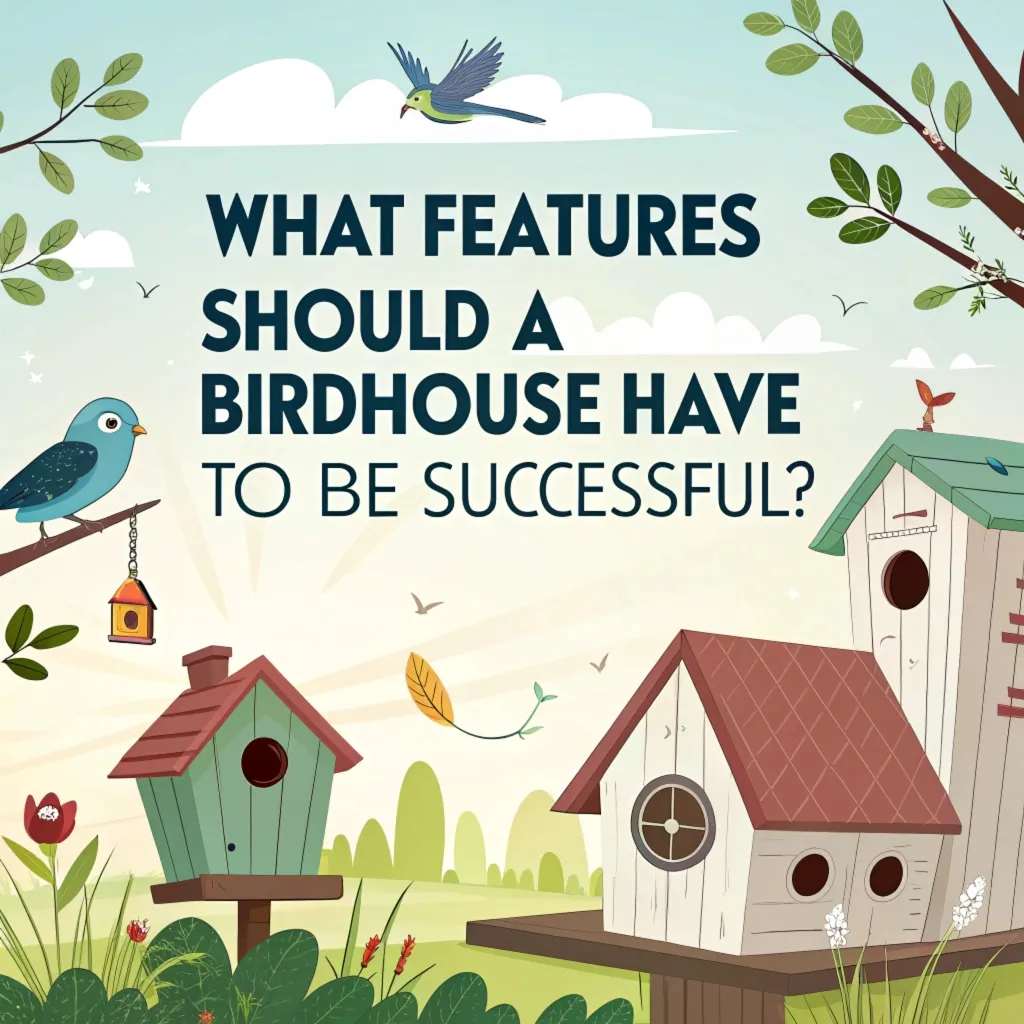
Credit: birdsandyou.com
Choosing The Right Birdhouse
Choosing the right birdhouse is key to actually helping birds thrive. Not every birdhouse suits every bird, and picking the wrong one might do more harm than good. You want to create a safe, comfortable space that birds are eager to call home.
Selecting Suitable Materials
Wood is the top choice for birdhouses because it breathes and provides natural insulation. Avoid plastic or metal, which can trap heat or cold and make the nest uncomfortable.
Cedar and pine work well since they resist rot and insects. If you paint your birdhouse, use non-toxic, water-based paint only on the outside to protect the birds.
Designs For Different Bird Species
Different birds prefer different shapes and entrance hole sizes. For instance, bluebirds like a boxy shape with a 1.5-inch hole, while wrens prefer smaller entrances around 1 inch.
Some species need open-front houses, while others want enclosed ones. Research the birds common in your area so you can match the design to their needs.
Proper Size And Ventilation
Space inside the birdhouse matters. If it’s too big, predators might sneak in, and too small, the birds won’t stay.
Make sure your birdhouse has ventilation holes near the top to keep air flowing and prevent overheating. Drainage holes at the bottom help keep the nest dry during rain.
Have you ever noticed birds avoiding a birdhouse that looks perfect but lacks airflow? That’s a sign size and ventilation are just as important as appearance.
Placement And Maintenance Tips
Proper placement and regular maintenance keep birdhouses safe and attractive for birds. Choosing the right spot helps birds find shelter easily. Keeping the birdhouse clean prevents disease and makes it comfortable. Protecting the birdhouse from predators ensures the birds stay safe.
Ideal Locations For Birdhouses
- Mount birdhouses 5 to 10 feet above the ground.
- Place them near trees or shrubs for shelter.
- Avoid spots with direct afternoon sun or strong wind.
- Keep birdhouses away from busy human areas.
- Face the entrance hole away from prevailing winds.
Seasonal Cleaning And Upkeep
Clean birdhouses at the end of each nesting season. Remove old nesting material and debris to prevent parasites. Use a mild bleach solution (one part bleach to nine parts water) to disinfect. Rinse well and let dry completely before reuse. Check for damage and repair cracks or loose parts. Fresh bedding can encourage new birds to nest.
Protecting Against Predators
- Install metal predator guards around the pole or tree.
- Use baffles to block access from snakes and raccoons.
- Keep the area under the birdhouse clear of dense brush.
- Avoid placing birdhouses near bird feeders, which attract predators.
- Ensure entrance holes are the correct size for target bird species.
Common Mistakes To Avoid
Building or placing a birdhouse might seem straightforward, but certain mistakes can actually harm the birds you want to protect. Avoiding these common errors is key to ensuring your birdhouse truly serves its purpose. Think about how your choices impact the birds’ safety and comfort before you take action.
Using Harmful Paints Or Chemicals
Many bird lovers want their birdhouses to look nice, but some paints and chemicals can be toxic. Avoid using oil-based paints, varnishes, or treated wood that releases fumes or harmful substances. Instead, choose non-toxic, water-based paints or leave the wood natural to keep birds safe.
I once painted a birdhouse with a glossy finish, only to notice no birds visited it afterward. It turned out the smell and chemicals discouraged them. Your birdhouse should invite birds, not repel them.
Ignoring Local Wildlife Needs
Different bird species have different needs for nesting. Placing a birdhouse without researching the local birds can make it useless or even harmful. Check what species live in your area and what kind of birdhouse size and entrance hole they prefer.
For example, small songbirds like chickadees need smaller entrance holes, while larger birds like bluebirds require bigger ones. Installing the wrong type can attract unwanted visitors like squirrels or invasive birds, disrupting the local ecosystem.
Overcrowding Birdhouses
It might seem helpful to add many birdhouses in one spot, but overcrowding can cause stress and competition among birds. Birds need space to feel safe and to raise their young successfully. Spread out your birdhouses and avoid clustering them too close together.
Think about your own need for personal space—birds feel the same. Giving them room reduces fights and increases the chances that more birds will use your birdhouses comfortably.
Additional Ways To Support Birds
Adding a birdhouse is a great start, but there are many other ways you can help birds thrive in your area. Supporting birds goes beyond providing shelter—it involves creating a safe, nourishing environment that meets their daily needs. Let’s look at some practical steps you can take to make your outdoor space a true haven for birds.
Planting Native Vegetation
Native plants attract local birds by offering the food and shelter they recognize. Unlike exotic plants, native species provide the right kind of insects, seeds, and berries birds rely on. Have you noticed how birds flock to areas filled with native shrubs and trees? You can plant native flowers, bushes, and trees to boost bird activity in your yard.
Start small by adding a few native plants that bloom at different times of the year. This ensures a steady food supply throughout the seasons. Plus, native vegetation requires less water and care, making it easier for you to maintain.
Providing Food And Water Sources
Birds need consistent access to food and clean water. Setting up bird feeders with seeds like sunflower or millet can attract a variety of species. But don’t forget about water—you can add a shallow birdbath or a small fountain to keep water fresh and moving.
Regularly clean feeders and baths to prevent disease. Also, place feeders in safe spots where cats or other predators can’t easily reach. Have you ever watched birds come together at a water source? It’s a small moment that shows how crucial these resources are.
Reducing Window Collisions
One hidden danger to birds is window collisions, which cause many injuries and deaths each year. Birds often don’t see clear glass and crash into windows because they reflect the sky or vegetation. You can make windows safer by applying decals, screens, or using special films that break up reflections.
Try placing feeders either very close (less than 3 feet) or far away (more than 30 feet) from windows to reduce collision risk. Have you considered how a simple change around your home could save a bird’s life? Small adjustments make a big difference.

Credit: www.amazon.com
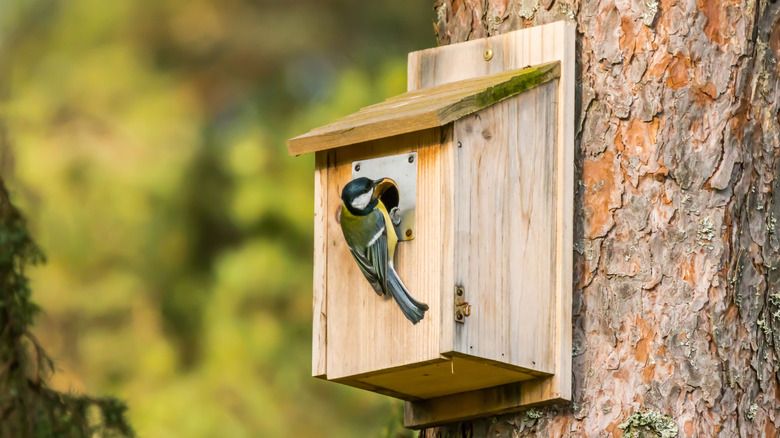
Credit: www.outdoorguide.com
Frequently Asked Questions
How Do Birdhouses Help Conserve Bird Populations?
Birdhouses provide safe nesting spots, protecting birds from predators and harsh weather. They support breeding, increasing bird survival rates. This helps maintain and grow local bird populations effectively.
Are Birdhouses Beneficial For Endangered Bird Species?
Yes, birdhouses offer critical shelter to endangered species. They aid in habitat restoration and breeding success. This contributes to the recovery of vulnerable bird populations in their natural environment.
What Materials Are Best For Eco-friendly Birdhouses?
Natural, untreated wood is ideal for birdhouses. It provides insulation and avoids harmful chemicals. Using sustainable materials ensures bird safety and supports environmental conservation efforts.
Can Birdhouses Attract Invasive Bird Species?
Improperly designed birdhouses may attract invasive species. These birds can outcompete native ones. Proper placement and design help minimize this risk, protecting local ecosystems.
Conclusion
Birdhouses offer safe spaces for birds to nest and rest. They help protect birds from predators and harsh weather. Many species benefit from having a quiet place to raise their young. Birdhouses can support local bird populations and biodiversity. Placing them thoughtfully boosts their positive impact.
Small efforts like this can make a big difference. Caring for birds helps nature stay balanced and healthy. A simple birdhouse can be a step toward conservation. Why not give birds a safe home today?