
Have you ever wondered how birds manage to stay active all day without running out of energy? It’s not just luck or simple rest—they have clever ways to save energy all on their own.
Imagine if you could learn their secrets and apply them to your own life. You’ll discover the surprising techniques birds use to conserve energy. By understanding these natural strategies, you might even find new ways to boost your own energy and stamina.
Keep reading, because what you’ll learn could change the way you think about rest and activity forever.

Credit: pixcams.com
Energy Needs Of Birds
Birds save energy by resting and staying still during cold times. They fluff their feathers to trap warm air close to their bodies. Some birds reduce movement and lower their body temperature to use less energy.
Understanding the energy needs of birds is key to appreciating how these feathered creatures manage to thrive in diverse environments. Birds are fascinating energy conservers, employing unique strategies to ensure they maintain the necessary balance between energy intake and expenditure. Whether it’s soaring high in the sky or scavenging for food, every action is a calculated effort to conserve energy.Metabolic Rates And Flight
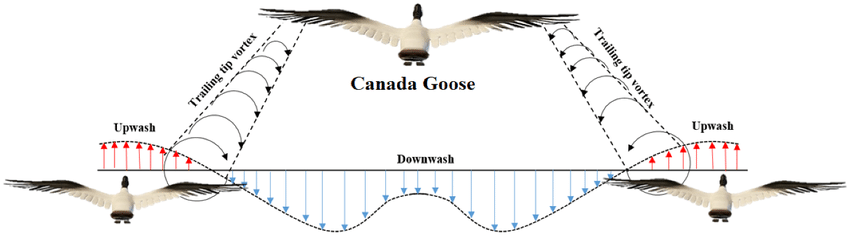
Birds have incredibly high metabolic rates, especially when compared to other animals. This high metabolism is essential for activities like flying, which requires a significant amount of energy. You might be surprised to learn that a small bird, like a hummingbird, can have a heart rate exceeding 1,200 beats per minute during flight. Flight is one of the most energy-intensive activities for birds, yet it’s essential for their survival. Birds have adapted to minimize energy loss during flight by utilizing techniques such as gliding and drafting. Have you ever noticed how birds fly in a V-formation? This isn’t just for show; it actually helps them conserve energy by reducing air resistance.Daily Energy Expenditure
Daily energy expenditure in birds varies significantly depending on their size, diet, and behavior. Smaller birds generally have higher energy needs per unit of body weight compared to larger birds. This is because smaller birds lose heat more quickly and need to eat more frequently to maintain their energy levels. Birds have developed clever ways to manage their energy throughout the day. For instance, many birds are active during cooler parts of the day, avoiding the midday heat that could sap their energy. You might notice birds feeding frantically in the early morning or late afternoon. This behavior helps them maximize energy intake when conditions are optimal. Reflect on how you manage your own energy throughout the day. Are there strategies you can borrow from birds to improve your energy efficiency? By understanding the energy needs of birds, we can gain insights into our own energy conservation habits.Physical Adaptations For Energy Saving
Birds have evolved remarkable physical features that help them save energy daily. These adaptations allow them to survive harsh weather, long migrations, and intense activity without burning through their reserves. Understanding these features gives you a glimpse into nature’s efficiency and might inspire you to think differently about your own energy use.
Feather Insulation
Feathers act like a natural thermal blanket for birds. They trap air close to the skin, creating an insulating layer that keeps warmth in during cold weather.
Have you noticed how birds fluff up their feathers on chilly mornings? This simple behavior increases the trapped air space, boosting insulation without extra effort.
Different types of feathers serve unique roles. Down feathers, soft and fluffy, are especially good at insulation, while contour feathers shield the bird from wind and rain.
- Feathers reduce the need for birds to generate extra body heat.
- This energy-saving feature means they can conserve calories for flying and other vital functions.
Wing Design And Aerodynamics
Wings aren’t just for flying; their shape and structure play a huge role in energy efficiency. Birds with long, narrow wings glide smoothly, reducing the need for constant flapping.
When you watch a bird soaring with minimal wing movement, you see energy conservation in action. This design helps birds cover long distances without exhausting themselves.
Wing feathers overlap in a way that minimizes air resistance, making flight more efficient. Even subtle adjustments in wing position can cut down energy use significantly.
- Birds adapt their wing posture depending on the task—gliding, soaring, or quick bursts—saving energy accordingly.
- This aerodynamic design is a masterclass in reducing physical effort while maintaining speed and control.
Behavioral Strategies
Birds use smart behaviors to save energy throughout the day. These strategies help them survive tough conditions. They reduce effort while flying and keep warm in cold weather. By adjusting how they act, birds manage their energy well. This section explains key behaviors that help birds conserve energy.
Soaring And Gliding Techniques
Birds often use soaring and gliding to save energy during flight. Soaring means flying without flapping wings, using air currents to stay up. This takes less effort than constant flapping. Gliding is similar, where birds move forward smoothly without flapping.
Large birds like eagles and hawks use soaring to cover long distances. They find rising warm air, called thermals, to lift themselves higher. This helps them stay in the air longer with little energy use. Gliding helps birds move between thermals or down slopes.
These techniques reduce muscle use and lower heart rate. Birds can travel far without getting tired quickly. This saves energy for hunting, nesting, or migration.
Huddling And Roosting Habits
Birds stay warm by huddling closely together during cold nights. This behavior cuts heat loss from their bodies. By sharing body heat, they reduce the energy needed to keep warm. Small birds like sparrows and finches often huddle in groups.
Roosting in sheltered places also helps conserve energy. Birds choose spots protected from wind and rain. Dense bushes, tree branches, or caves offer good shelter. These safe places reduce heat loss and keep birds calm.
Some birds fluff their feathers to trap warm air near their skin. This adds extra insulation. Combined with huddling and smart roosting, birds survive cold without wasting energy on extra heat.
Thermoregulation Methods
Birds use special methods to keep their body temperature steady. This process is called thermoregulation. It helps them save energy and survive in cold or hot weather. Birds have natural ways to warm up or cool down without using too much energy.
Shivering And Non-shivering Thermogenesis
Shivering is a quick way for birds to create heat. Their muscles shake fast, which produces warmth. This is useful during cold times or after resting.
Non-shivering thermogenesis happens inside the body without muscle movement. Birds use a special fat called brown fat. This fat burns energy to make heat. It works quietly and saves energy better than shivering.
Torpor And Hibernation-like States
Torpor is a short rest period where birds lower their body temperature. This slows down their heart and breathing rates. It helps them save energy during cold nights or when food is scarce.
Some birds enter states similar to hibernation. These states last longer and help survive harsh winters. Body functions slow down much more, reducing the need for food and heat.
Efficient Foraging And Feeding
Birds have developed smart ways to save energy while searching for and eating food. Efficient foraging and feeding help them survive without wasting precious strength. These strategies are not just about finding food but doing so with the least effort possible.
Energy-conserving Hunting Techniques
Birds often use tactics that reduce their energy use during hunting. Some, like hawks, soar high and glide on air currents instead of flapping their wings constantly. This allows them to spot prey from above without exhausting themselves.
Other birds, such as herons, stand still for long periods, waiting patiently for fish to come close. This “sit and wait” approach uses less energy compared to chasing prey. Have you noticed how some birds hardly move when hunting? This behavior is a clever energy-saving method.
Selective Diet Choices
Birds also save energy by choosing foods that give them the most nutrition for the least effort. They prefer prey or plants that are easy to catch or digest. For example, seed-eating birds pick the largest, most accessible seeds first.
Some species switch their diet with the seasons to match the availability of high-energy foods. This flexibility means they don’t waste energy chasing hard-to-find meals. Could you think of ways you pick meals that save you time and energy?
Credit: theconversation.com
Migration And Energy Management
Bird migration is a remarkable feat of endurance and precision. To make these long journeys possible, birds have developed smart ways to manage their energy. Understanding how they conserve energy during migration can offer you insights into efficient travel and stamina management.
Stopover Sites And Refueling
Birds don’t fly non-stop for days; they plan strategic stopovers to rest and refuel. These stopover sites provide essential food and safety, allowing birds to rebuild their energy reserves.
Think about your own travels—how often do you pause to eat and recharge? Birds do the same but with incredible timing and location choices. They pick spots rich in food like berries or insects, which helps them pack on fat, their main energy source.
Next time you feel drained during a long trip, consider how a well-timed rest and proper nutrition could boost your endurance just like birds do.
Navigational Efficiency
Efficient navigation is crucial for conserving energy during migration. Birds use a combination of the sun, stars, Earth’s magnetic field, and landmarks to find the shortest, safest routes.
By choosing direct paths and avoiding obstacles, they minimize unnecessary energy use. Have you ever noticed how taking a shortcut saves you time and effort? Birds apply this same principle by adjusting their routes based on weather conditions and wind patterns to reduce resistance.
Understanding how birds optimize their travel could inspire you to plan your journeys with energy conservation in mind, whether you’re commuting or exploring new places.
Role Of Sleep And Rest
Sleep and rest are essential for birds to save energy. These periods help them recover from daily activities and reduce their energy use. Birds have special ways to rest that keep them alert and safe from predators. Their sleep patterns and resting positions play a big role in how they conserve energy throughout the day and night.
Unihemispheric Sleep
Birds can sleep with one half of their brain at a time. This is called unihemispheric sleep. It lets them rest while staying alert to danger. One eye stays open during this sleep type. This way, they can quickly react if a predator appears. Unihemispheric sleep helps birds balance rest and safety without wasting energy.
Resting Postures
Birds use different postures to rest and save energy. They often tuck their heads under their wings. This position keeps heat in and reduces muscle effort. Standing on one leg is another common posture. This helps limit heat loss through their legs. Resting postures also protect birds from the cold and wind while using less energy.

Credit: www.discovermagazine.com
Frequently Asked Questions
How Do Birds Reduce Energy During Flight?
Birds use efficient wing shapes and glide to save energy. They also utilize air currents and draft behind others. These methods reduce muscle effort and oxygen use, allowing longer flight with less fatigue.
What Role Does Feathers Play In Energy Conservation?
Feathers provide insulation, reducing heat loss in cold weather. They also streamline the body, minimizing air resistance during flight. This helps birds maintain body temperature and expend less energy while flying.
How Do Birds Regulate Body Temperature To Save Energy?
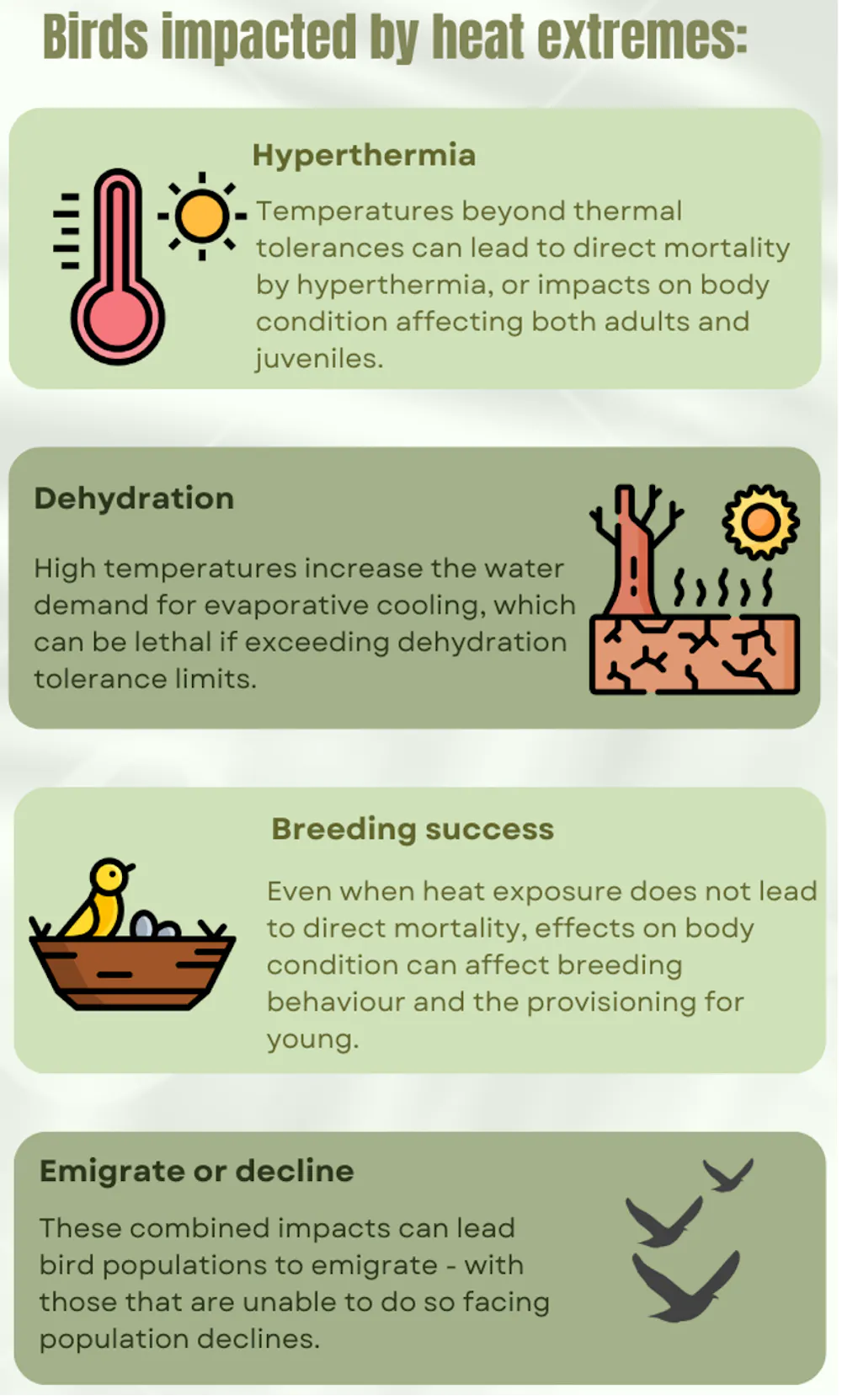
Birds fluff feathers to trap heat and shiver to generate warmth. In hot weather, they spread wings to cool down. These behaviors maintain optimal body temperature, conserving energy by avoiding extreme heat or cold stress.
Why Do Birds Enter Torpor To Conserve Energy?
Torpor is a short-term hibernation where birds lower metabolism and body temperature. This state reduces energy needs during cold nights or food shortages. It helps them survive harsh conditions without expending excessive energy.
Conclusion
Birds save energy in many smart ways every day. They fluff their feathers to stay warm and reduce heat loss. Some birds rest in safe places to avoid wasting energy. Others slow down their body functions during cold nights. By using these methods, birds live well even when food is scarce.
Watching how birds conserve energy helps us understand nature better. It shows the amazing ways animals survive and adapt. Simple actions can make a big difference in energy use. Birds teach us to be wise with our energy too.