
Have you ever wondered how birds manage to stay hydrated even when water is scarce? Their secret lies in a remarkable excretory system designed to conserve every drop of water.
Understanding how this system works can give you a new appreciation for these incredible creatures and their survival skills. You’ll discover the clever ways birds save water through their unique biology. Keep reading to unlock the fascinating details behind their water-saving strategy—you won’t want to miss it!
Credit: animal-pedia.org
Bird Excretory System Basics
Birds have a unique excretory system. It helps them conserve water efficiently. This system is crucial for their survival, especially in arid environments. Understanding the basics of this system unveils how birds thrive in diverse habitats.
Key Organs Involved
The bird excretory system relies on specific organs. The kidneys are the primary organs responsible for filtering waste. Unlike mammals, birds do not have a urinary bladder. Instead, they use the cloaca for waste excretion. The cloaca is a common chamber for digestive, urinary, and reproductive tracts. This structure plays a vital role in water conservation.
Excretion Process
The excretion process begins in the kidneys. Here, the blood is filtered to remove wastes and excess salts. Birds produce uric acid instead of urea. Uric acid is less soluble, allowing birds to conserve water. This process results in a semi-solid waste form. The waste is excreted through the cloaca. This efficient system minimizes water loss. It is essential for birds in dry conditions.
Credit: animal-pedia.org
Water Conservation Challenges
Birds face many water conservation challenges in their environment. They must manage limited water supplies to survive. Their bodies work hard to reduce water loss during daily activities. Understanding these challenges helps explain how their excretory system adapts to save water.
Environmental Factors
Birds live in diverse habitats with varying water availability. Hot, dry climates cause rapid water loss through evaporation. Windy conditions increase moisture loss from the skin and respiratory system. Saltwater habitats force birds to handle excess salt without losing too much water. Scarcity of fresh water sources means birds must rely on internal water conservation. These conditions push birds to develop special adaptations in their excretory system.
Metabolic Water Loss
Metabolic processes produce water inside a bird’s body. This water comes from breaking down food. Even though it adds to water supply, birds lose water through breathing and excretion. Breathing causes water vapor to escape from the lungs. Excretion removes waste but also risks losing valuable water. Birds minimize water loss by concentrating urine and reabsorbing water in their kidneys. Their excretory system balances waste removal with water conservation efficiently.
Adaptations For Water Conservation
Birds have evolved remarkable ways to save water through their excretory system. These adaptations allow them to thrive in environments where water is scarce. Understanding these features can help you appreciate how nature designs efficient systems for survival.
Efficient Kidney Function
Bird kidneys are highly efficient at filtering blood to retain water. Unlike mammals, bird kidneys can produce urine that is more concentrated, reducing water loss. This ability helps birds stay hydrated even when drinking water is limited.
Have you noticed how birds can survive in deserts or dry climates? Their kidneys play a crucial role by carefully balancing waste removal and water conservation.
Role Of Uric Acid
Birds excrete nitrogenous waste mainly as uric acid instead of urea or ammonia. Uric acid is less soluble in water and can be excreted as a paste or solid. This means birds lose very little water during waste elimination.
This adaptation explains why bird droppings often appear white and dry. It’s a smart way to keep water inside the body, especially when fresh water is not readily available.
Specialized Nephrons
Bird kidneys contain two types of nephrons: mammalian-type and reptilian-type. The mammalian-type nephrons have loops of Henle that concentrate urine effectively. This combination allows birds to fine-tune their water retention based on environmental conditions.
Imagine having a built-in water-saving mechanism that adjusts automatically. Specialized nephrons provide this flexibility, helping birds manage hydration efficiently.
Role Of Salt Glands
Birds have a remarkable way of managing salt and water balance through specialized organs called salt glands. These glands play a crucial role in helping birds survive in salty environments by removing excess salt from their bodies. Understanding the function of salt glands gives you a clearer picture of how birds conserve water efficiently, especially those living near or on the ocean.
Salt Excretion Mechanism
Salt glands are located near the eyes or nasal passages in many bird species. They work by actively pumping out salt ions from the bloodstream into a concentrated saline solution. This salty fluid then drips or is sneezed out, preventing the salt from accumulating in the bird’s body.
Unlike kidneys, which filter blood and produce urine, salt glands specifically target salt removal, allowing birds to retain vital water. This mechanism helps birds avoid dehydration, even when they consume seawater or salty food. Have you ever noticed how seabirds often appear to “cry”? That’s actually salt being excreted.
Importance In Marine Birds
Marine birds like albatrosses, gulls, and pelicans rely heavily on salt glands to survive in their salty habitats. Their diet and drinking water contain high salt content, making salt glands essential for maintaining balance. Without these glands, they would quickly become dehydrated or suffer from salt toxicity.
Salt glands enable these birds to drink seawater directly, which is an impressive adaptation that many land animals lack. This ability allows you to appreciate how nature equips species to thrive in challenging environments. If you ever watch a seagull near the ocean, remember that its salt glands are working hard to keep it hydrated.
Behavioral Strategies
Birds use several behavioral strategies to conserve water through their excretory system. These behaviors help reduce water loss and improve water retention, allowing birds to survive in dry environments or during periods of water scarcity. Understanding these strategies can help you appreciate how birds adapt in ways beyond just physiological changes.
Water Intake Regulation
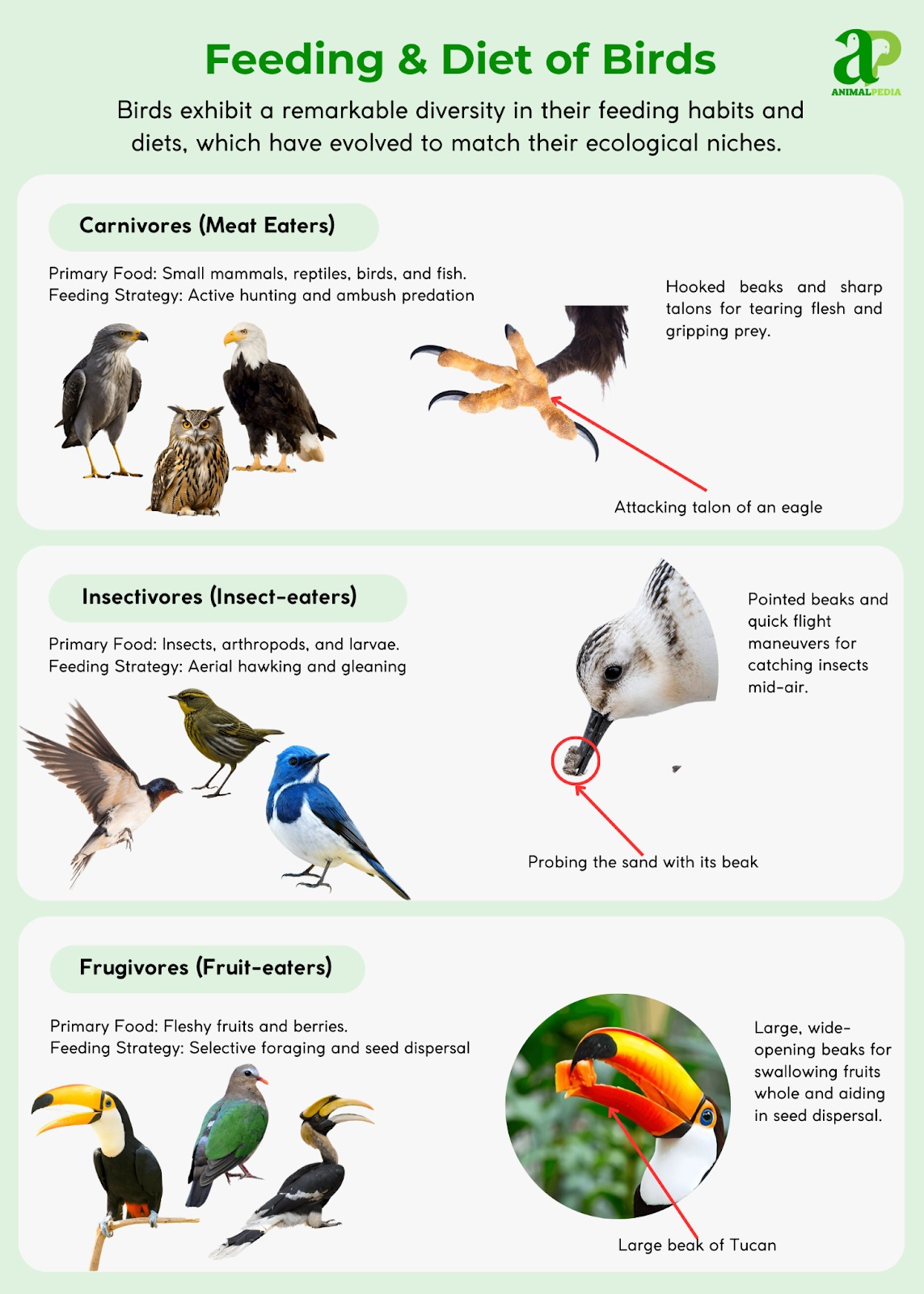
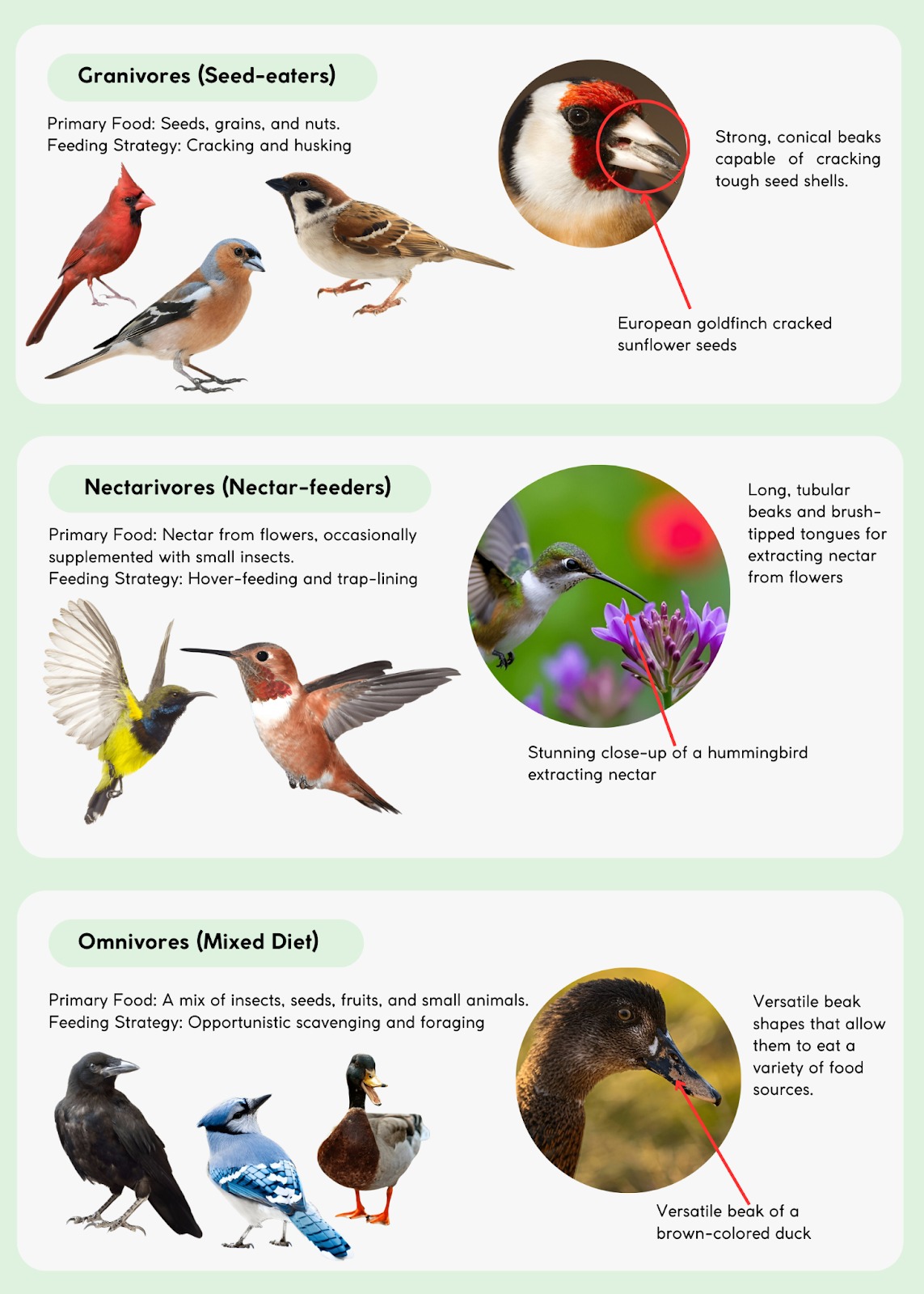
Birds actively manage their water intake based on availability and need. Some species drink water sparingly, relying on moisture from their food to meet hydration needs.
Others time their drinking behavior to cooler parts of the day, like early morning or late evening, to reduce water loss through evaporation. Have you ever noticed birds visiting your garden only during these hours? That’s a smart water-saving habit.
Additionally, certain birds can concentrate their urine to retain more water, meaning they don’t have to drink as often. This behavior reduces dependency on frequent water sources and gives them more flexibility in dry conditions.
Habitat Selection
Choosing the right habitat is a crucial behavior for water conservation. Birds often select areas where water is more accessible or where humidity is higher, helping reduce dehydration risk.
Some species prefer shaded or cooler environments during the hottest parts of the day to avoid excessive water loss through breathing and skin. If you observe birds in your area, note where they rest during midday—these spots are often chosen for their water-conserving benefits.
Birds may also migrate seasonally to regions with better water availability. This movement is not random but a carefully timed behavior to align with resource abundance, ensuring their excretory system isn’t overburdened by dehydration stress.
Comparisons With Mammalian Systems
Birds and mammals both have excretory systems that remove waste from the body. Their systems share the same basic goal: to keep the body clean and maintain water balance. Still, their methods differ a lot, especially in how they save water. These differences come from their environments and lifestyles.
Differences In Waste Products
Mammals mainly produce urea as waste. Urea is dissolved in water and excreted as urine. This process uses a lot of water to flush out toxins.
Birds, on the other hand, produce uric acid. Uric acid is less toxic and forms a paste or solid. This means birds do not need much water to get rid of their waste.
Here is a simple comparison:
| Waste Product | Mammals | Birds |
|---|---|---|
| Type | Urea (liquid) | Uric Acid (solid/paste) |
| Water Needed | High | Low |
Water Retention Efficiency
Mammals have kidneys that filter waste and reabsorb water. Their kidneys can concentrate urine to save water, but only up to a point. They still lose more water compared to birds.
Birds have highly efficient kidneys and specialized tubules called salt glands. These glands remove excess salt without losing water. Their kidneys concentrate waste into a dry paste, which saves much water.
Birds’ ability to recycle water is crucial for survival in dry habitats. Their excretory system is designed to keep water inside the body as much as possible.
Impact Of Climate On Excretory Function
Climate has a strong effect on how birds manage water through their excretory system. Birds must adapt their bodies to save water in dry or hot environments. Changes in temperature and humidity influence how their kidneys and other organs work. These adjustments help birds survive in different climates by controlling water loss.
Adaptations To Arid Environments
Birds living in dry areas have special ways to conserve water. Their kidneys are highly efficient at concentrating urine. This means they excrete waste with very little water loss.
Many desert birds produce uric acid instead of urea. Uric acid requires less water to remove from the body. Their salt glands also help remove excess salts without using much water. These adaptations reduce the need for drinking water and help maintain hydration.
Seasonal Variations
Birds adjust their excretory functions depending on the season. In hot summer months, they conserve more water by producing drier waste. During colder or wetter seasons, their water conservation may decrease.
These seasonal changes allow birds to balance water needs with environmental conditions. The flexibility of their excretory system supports survival through varying temperatures and moisture levels.
Credit: animal-pedia.org
Frequently Asked Questions
How Do Birds Conserve Water Through Their Excretory System?
Birds conserve water by excreting uric acid instead of urea. This solid paste requires less water to eliminate waste, reducing water loss and helping them survive in dry environments.
What Role Do Kidneys Play In Birds’ Water Conservation?
Bird kidneys concentrate urine by reabsorbing water efficiently. This process minimizes water loss and helps birds maintain hydration, especially in arid conditions.
Why Do Birds Produce Uric Acid Instead Of Urine?
Uric acid is less toxic and requires less water to excrete. Birds produce it to save water and avoid dehydration, crucial for their survival in diverse habitats.
How Does The Bird’s Cloaca Aid In Water Conservation?
The cloaca reabsorbs water from waste before excretion. This reduces water loss and helps birds maintain fluid balance in their bodies effectively.
Conclusion
Birds save water through their unique excretory system. Their kidneys filter waste efficiently. They produce uric acid instead of urine, which uses less water. The cloaca helps recycle water inside their bodies. This system suits dry, hot environments well. Birds stay hydrated without needing much water.
Their bodies work smart to survive tough conditions. Understanding this process shows nature’s clever designs. Birds remind us how life adapts to save resources.