
Have you ever stopped to think about the birds you see every day? Their songs, colors, and flights add beauty to your world.
But what if these amazing creatures started disappearing? Bird conservation is more than just a fancy term—it’s about protecting these birds and their homes so they can thrive for generations to come. You’ll discover what bird conservation really means, why it matters to you, and how your simple actions can make a big difference.
Ready to find out how you can help keep the skies full of life? Let’s dive in.
Bird Conservation Basics
Understanding bird conservation is essential as it plays a critical role in maintaining ecological balance. Whether you’re a bird watcher or someone who simply enjoys the chirping melodies, bird conservation impacts us all. Let’s explore the basics of bird conservation to see why it matters and what we can do to help.
Why Birds Matter
Birds are not just beautiful creatures to admire; they are vital for our ecosystems. They act as pollinators, seed dispersers, and pest controllers. Imagine a world without birds—crops would suffer, and forests would struggle to regenerate.
Their presence indicates a healthy environment, and their absence signals ecological distress. Every time you spot a bird, remember that it’s playing a crucial role in the web of life. What would the world be like without the morning song of birds?
Threats Facing Birds
Birds face numerous threats that are primarily human-induced. Habitat destruction from urbanization and agriculture severely limits their living spaces. Pollution, particularly from pesticides and plastic, poses significant health risks to bird populations.
Climate change alters migration patterns and breeding seasons, putting species at risk. Even something as simple as domestic cats can impact bird populations. Understanding these threats can inspire us to take action in our own backyards.
Key Conservation Goals
Conserving birds requires clear, actionable goals. Protecting habitats is paramount; this could mean supporting local parks or conservation groups. Reducing pollution by minimizing pesticide use and plastic consumption is also crucial.
Advocating for climate action helps secure a future for our feathered friends. Citizen science projects, like bird counts, allow you to contribute valuable data to conservation efforts. What small change can you make today to support bird conservation?
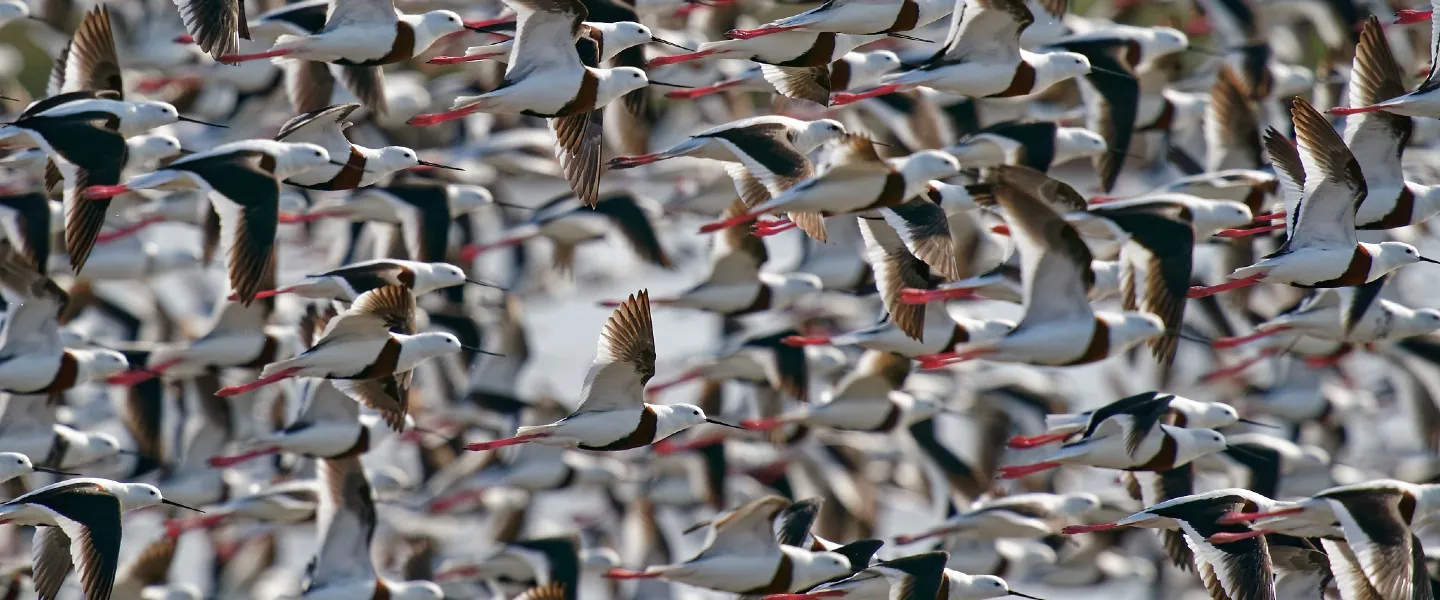
Credit: birdlife.org.au
Habitat Protection
Protecting bird habitats is one of the most effective ways to conserve bird populations. Without safe and suitable places to live, breed, and find food, birds struggle to survive. Habitat protection focuses on preserving and managing the natural environments that birds depend on every day.
Critical Bird Habitats
Some areas are more important to birds than others. Wetlands, forests, grasslands, and coastal zones often serve as critical bird habitats. These places provide food, shelter, and breeding grounds essential for different species.
Have you ever noticed how certain birds appear only in specific places? That’s because they rely on unique habitat conditions. Protecting these habitats helps maintain the delicate balance that supports their life cycles.
Restoration Efforts
Sometimes bird habitats get damaged or destroyed by human activity or natural events. Restoration efforts aim to bring these areas back to health. This might mean planting native trees, cleaning polluted waters, or removing invasive plants.
Imagine walking through a forest where birds have returned after years of absence. Restoration makes this possible and benefits not only birds but entire ecosystems. What small actions could you take to help restore local bird habitats?
Role Of Protected Areas
Protected areas like national parks, wildlife reserves, and bird sanctuaries create safe zones for birds. These places restrict harmful activities and provide environments where birds can thrive without constant threats.
Many bird species depend on these safe havens during migration or breeding seasons. When you visit or support protected areas, you’re helping ensure that birds have refuge now and in the future.
Species Monitoring
Species monitoring plays a crucial role in bird conservation. It helps track the health and numbers of bird populations over time. Without accurate monitoring, protecting endangered species or understanding environmental changes would be nearly impossible.
Tracking Bird Populations
Keeping an eye on bird populations means counting and observing birds regularly. This helps spot trends, such as population declines or growths. You might be surprised to learn that even small changes in bird numbers can signal larger environmental issues that need attention.
Regular tracking involves field surveys, nest checks, and recording sightings. These activities provide data that guide conservation decisions. Have you ever wondered how scientists know if a bird species is thriving or struggling? The answer lies in consistent population tracking.
Citizen Science Contributions
You don’t have to be a professional to help monitor bird species. Citizen science projects invite everyday people to report bird sightings and behaviors. This crowdsourced data adds immense value by covering more ground than scientists alone could manage.
Apps and websites make it easy to join these efforts. For example, platforms like eBird allow you to log the birds you see during your walks. Your simple participation can influence conservation policies and help protect vulnerable species.
Technology In Monitoring
Technology has changed how we monitor birds. Tools like GPS trackers, drones, and automated sound recorders provide detailed information without disturbing the birds. These devices collect data on migration routes, breeding habits, and habitat use.
Imagine a tiny GPS tag sending data from a hummingbird traveling thousands of miles. This technology uncovers secrets about bird life that were once impossible to study. How could you use technology in your own birdwatching adventures to contribute valuable data?

Credit: www.wildlifenomads.com
Community Involvement
Community involvement plays a vital role in bird conservation. It connects people with nature and helps protect bird habitats. Local actions often lead to big changes for bird populations. Communities working together can make a lasting impact on conservation efforts.
Local Conservation Initiatives
Local groups create projects to protect birds in their area. These initiatives include planting native trees and restoring wetlands. They also monitor bird populations to track changes over time. Small efforts like cleaning parks and reducing pesticide use help birds thrive.
Education And Awareness
Teaching people about birds encourages care and respect. Schools, community centers, and nature clubs offer programs about bird life. Sharing simple facts helps people understand why birds need protection. Awareness campaigns spread the message to wider audiences.
Volunteering Opportunities
Volunteering allows individuals to join hands in bird conservation. Tasks include building birdhouses, counting birds, and cleaning habitats. These activities offer hands-on experience and connect people with nature. Volunteers feel proud to help birds and their environment.
Policy And Legislation
Policy and legislation form the backbone of bird conservation efforts. They set rules to protect birds and their habitats. Laws guide how people interact with wildlife and help reduce threats. Governments and organizations create these policies to keep bird populations safe. Understanding these rules shows how society values birds and nature.
Important Wildlife Laws
Many countries have laws to protect birds and their environments. These laws stop hunting of endangered species. They also control habitat destruction and pollution. Examples include:
- The Migratory Bird Treaty Act in the United States
- The Wildlife Protection Act in India
- The Birds Directive in the European Union
These laws make it illegal to harm birds or trade in bird parts. They also create protected areas for birds to live safely.
International Agreements
Birds travel across countries and continents. International agreements help protect birds beyond borders. Nations work together to save migratory birds. Some key agreements are:
- The Convention on Migratory Species (CMS)
- The Ramsar Convention on Wetlands
- The African-Eurasian Migratory Waterbird Agreement (AEWA)
These agreements promote cooperation and shared responsibility. They help conserve habitats that birds need during migration.
Advocacy For Stronger Protections
Advocates push for better bird protection laws and policies. They raise public awareness about bird threats. Advocacy groups work with lawmakers to improve regulations. Campaigns focus on stopping habitat loss, pollution, and illegal trade.
Community support can influence governments to act. Stronger protections mean safer homes for birds. Every voice counts in shaping better policies for bird conservation.
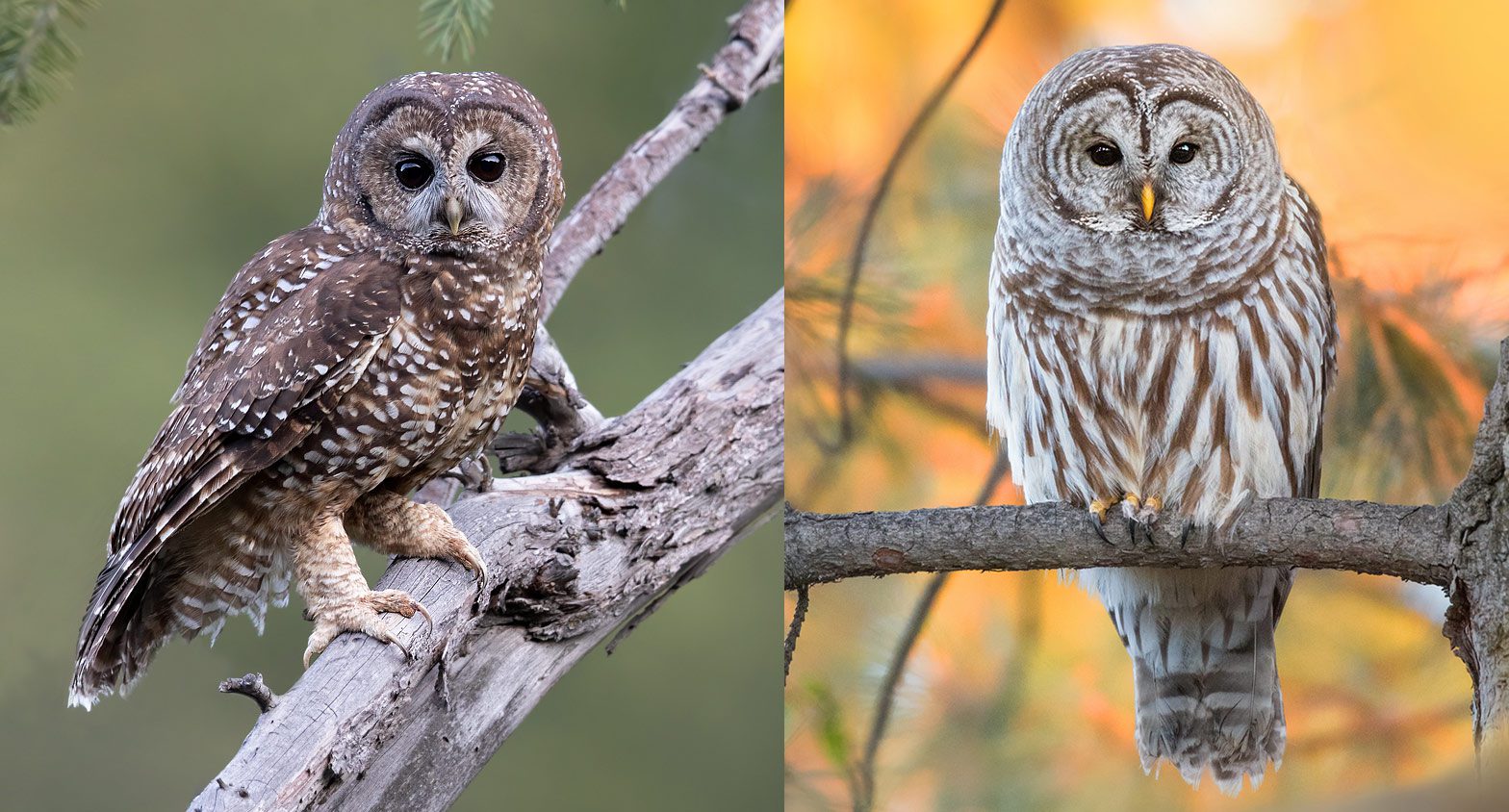
Credit: www.allaboutbirds.org
Challenges And Future Directions
Bird conservation faces multiple challenges that test our commitment and creativity. Understanding these hurdles helps you see where efforts need to focus and where hope still shines. Future directions depend on how well we adapt to these challenges today.
Climate Change Impact
Climate change shifts bird migration patterns and breeding seasons, disrupting ecosystems. You might notice certain birds arriving earlier or disappearing from familiar spots. These changes affect food availability and nesting success, putting many species at risk.
Addressing this means protecting habitats that offer climate refuges and supporting research on bird responses to temperature shifts. How can you help? Supporting local conservation groups that monitor bird populations is a start.
Balancing Development And Conservation
Urban growth often conflicts with bird habitats, leading to loss of nesting sites and food sources. Your community’s expansion might unknowingly threaten nearby bird populations. Finding a balance requires smart planning and community awareness.
Practical actions include creating green spaces and bird-friendly building designs. Have you seen bird-friendly windows or green roofs in your area? These innovations reduce harm while allowing development to continue.
Innovative Conservation Strategies
New approaches combine technology and community action to protect birds more effectively. Drones monitor nests without disturbing birds, and smartphone apps let citizens report sightings and threats.
Engaging people like you in conservation efforts multiplies impact. What if you could contribute data from your backyard? Innovation makes bird conservation a shared, dynamic effort.
Frequently Asked Questions
What Is Bird Conservation And Why Is It Important?
Bird conservation involves protecting bird species and their habitats. It helps maintain biodiversity, supports ecosystems, and prevents extinction. Conserving birds also benefits humans by preserving natural balance and promoting environmental health.
How Do Human Activities Affect Bird Conservation Efforts?
Human activities like deforestation, pollution, and urbanization destroy bird habitats. These actions reduce food sources and nesting areas, threatening bird populations. Sustainable practices and awareness are vital to mitigate these effects and support bird conservation.
What Are Common Methods Used In Bird Conservation?
Common methods include habitat restoration, legal protection, research, and public education. Conservationists also create bird sanctuaries and control invasive species. These efforts help stabilize and increase bird populations worldwide.
How Can Individuals Contribute To Bird Conservation?
Individuals can help by planting native trees, reducing pesticide use, and providing bird feeders. Supporting conservation organizations and spreading awareness also make a difference. Small actions collectively promote healthier bird populations.
Conclusion
Bird conservation protects birds and their homes. It keeps nature healthy and balanced. Saving birds helps other animals too. Everyone can help by caring for birds and their places. Small actions make a big difference. Let’s work together to keep birds safe.
Nature needs them, and so do we. Bird conservation matters for a better world.