

Have you ever wondered what you can do to protect the beautiful migratory birds that visit your area? These birds travel thousands of miles, facing many dangers along the way.
Without your help, many of them could disappear forever. You will discover simple and powerful ways to conserve migratory birds. By taking just a few steps, you can make a big difference in their survival. Keep reading to learn how your actions can help these amazing travelers thrive year after year.
Credit: timesofindia.indiatimes.com
Threats To Migratory Birds
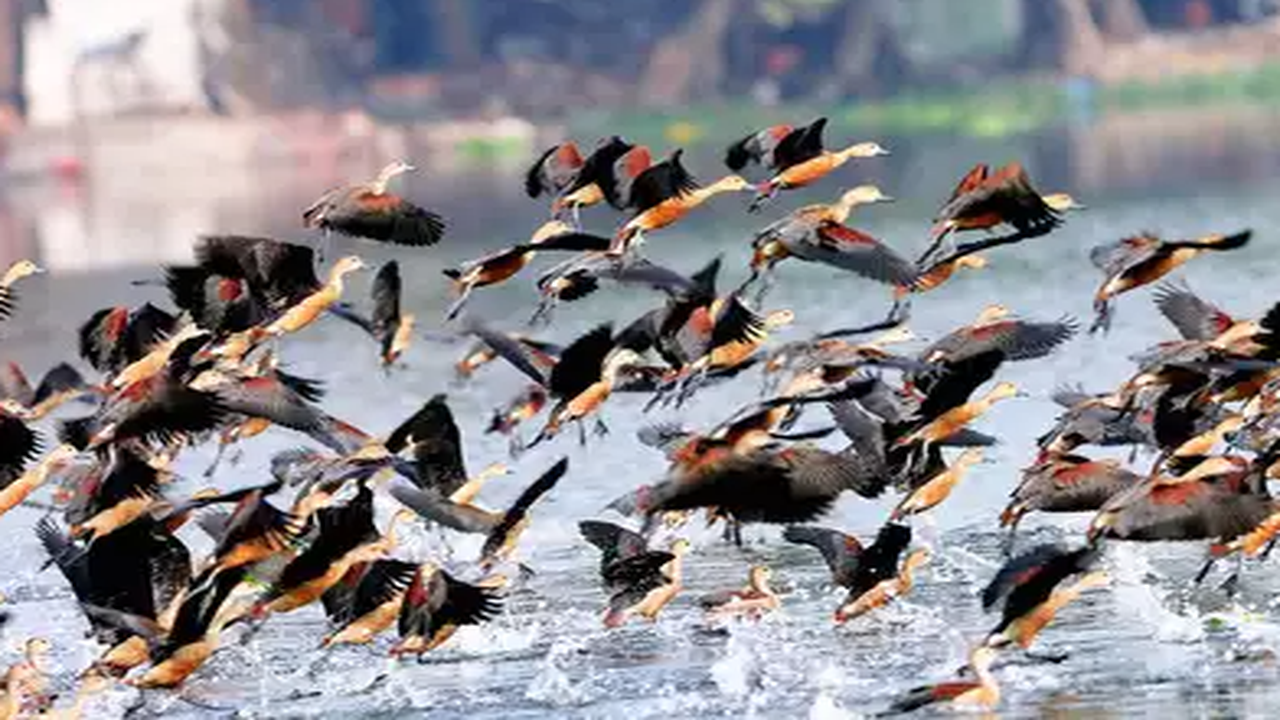
Migratory birds face dangers like habitat loss, pollution, and hunting. Protecting their routes and resting spots helps keep them safe and strong. Preserving nature ensures these birds can travel and thrive year after year.
Migratory birds face many threats during their long journeys. These threats impact their survival and wellbeing. Understanding these challenges is key to conserving these beautiful creatures.Habitat Loss
Many natural habitats are disappearing due to human activities. Deforestation and urban development destroy the places birds rely on. Without these habitats, birds struggle to find food and rest. Wetlands, forests, and grasslands are crucial for their survival.Climate Change Effects
Climate change affects migratory patterns. Rising temperatures alter seasons, confusing birds. They arrive too early or late, missing vital food sources. Extreme weather events, like storms, also disrupt their migration.Pollution And Contamination
Pollution poses a significant threat to birds. Chemicals in water and soil can poison them. Plastic waste in oceans and landfills entangles and harms birds. Clean environments are essential for their health and safety.Hunting And Poaching
Hunting and poaching remain serious threats. Some regions hunt birds for food or sport. Illegal trapping for trade endangers many species. Protecting birds from hunting is critical for their survival.Protecting Bird Habitats
Protecting bird habitats is vital to keeping migratory birds safe during their long journeys. These habitats provide food, shelter, and resting spots that birds rely on to survive. Without healthy environments, many species struggle to complete their migration.
Preserving Wetlands And Forests
Wetlands and forests are crucial for migratory birds. Wetlands offer rich feeding grounds filled with insects, fish, and plants. Forests provide safe nesting areas and protection from predators.
You can support conservation by advocating for the protection of these areas from development and pollution. Local groups often organize cleanups or tree-planting events that you can join. Even small actions help maintain these habitats’ health and accessibility.
Creating Safe Stopover Sites
Migratory birds need safe places to rest and refuel along their routes. Stopover sites with abundant food and minimal human disturbance are essential. Think about places near you that could serve as quiet havens for birds during migration seasons.
Communities can help by limiting pesticide use, reducing light pollution at night, and setting up bird-friendly gardens. Have you noticed how fewer birds visit areas with bright lights or loud noises? Minimizing these can make a big difference.
Restoring Degraded Areas
Many bird habitats have been damaged by human activity. Restoring these areas involves planting native vegetation and cleaning polluted waters. This work takes time but brings back vital resources for migratory birds.
Joining local restoration projects can connect you with experts and other volunteers. Even at home, growing native plants in your garden can offer food and shelter for birds passing through. What small steps could you take today to help bring a habitat back to life?
Promoting Sustainable Practices
Promoting sustainable practices plays a crucial role in conserving migratory birds. These practices help protect their habitats, food sources, and overall health during their long journeys. By making conscious choices in daily activities and community efforts, you can create a safer environment for these birds to thrive.
Reducing Pesticide Use
Pesticides harm migratory birds directly and reduce the insects they feed on. You can switch to natural pest control methods like planting insect-repelling herbs or using homemade sprays. Community gardens that avoid chemicals have noticed more bird visits, proving healthier ecosystems attract wildlife.
Ask yourself: How often do you consider the impact of pesticides on birds around your home? Choosing organic or minimal pesticide options can make a big difference in your local bird population.
Supporting Eco-friendly Agriculture
Eco-friendly farms use fewer chemicals and maintain natural habitats like hedgerows and wetlands. These areas provide food and resting spots for migratory birds during their long flights. Supporting local farmers who practice sustainable agriculture helps protect these critical habitats.
You might find that farmers’ markets or community-supported agriculture (CSA) programs offer products grown with bird-friendly methods. Your buying choices can encourage more farmers to adopt these practices.
Minimizing Light Pollution
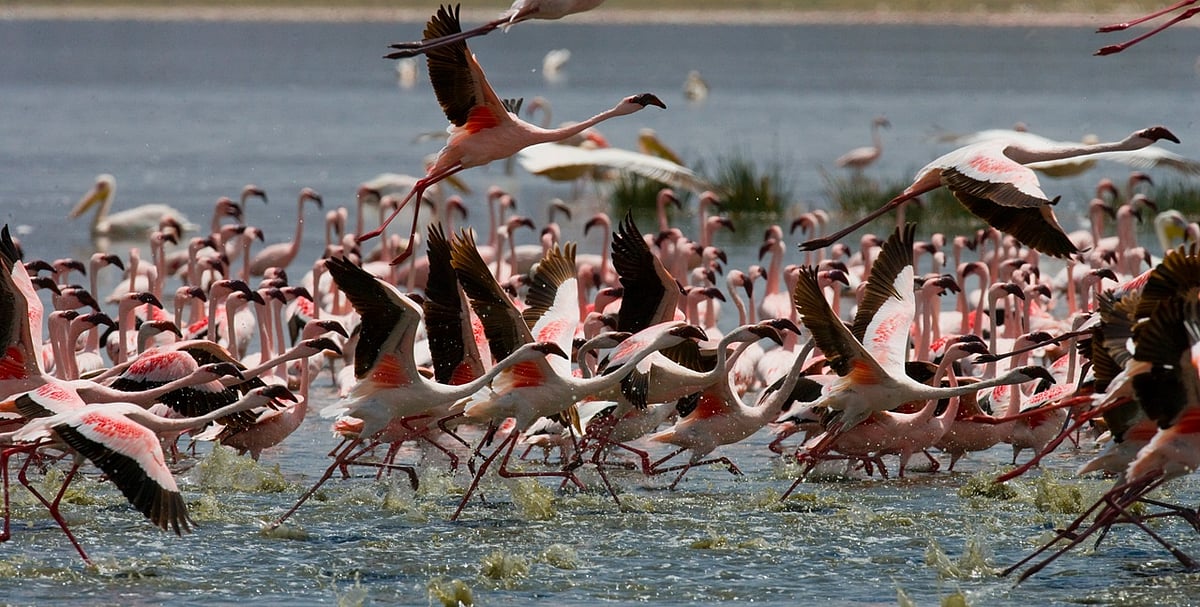
Excessive artificial lighting confuses migratory birds, leading to collisions and disorientation. You can reduce light pollution by closing blinds, using motion sensors, or switching to bird-friendly lighting after dark. Even small changes, like turning off unnecessary outdoor lights, help guide birds safely on their routes.
Have you noticed fewer birds around brightly lit areas at night? Reducing light pollution in your neighborhood can create safer pathways for these travelers.
Credit: www.downtoearth.org.in
Community Engagement
Community engagement plays a vital role in conserving migratory birds. It connects people with nature and builds a shared sense of responsibility. When communities understand the importance of migratory birds, they become active protectors. Small actions from many people create big impacts. Here are key ways to involve communities in bird conservation.
Raising Awareness
Sharing knowledge about migratory birds helps people see their value. Schools, local groups, and media can spread facts and stories. Simple talks and events make the information easy to grasp. Visual aids like posters and videos catch attention quickly. Awareness encourages respect for birds and their habitats.
Involving Local Communities
Local people know their environment best. Their involvement ensures conservation efforts fit the area’s needs. Activities like habitat clean-ups and planting native trees engage residents. Community gardens can provide safe resting spots for birds. Working together builds trust and lasting care for nature.
Citizen Science And Monitoring
Citizen science invites the public to help track bird numbers and movements. Volunteers use apps or journals to record sightings. This data guides experts in protecting key sites. Monitoring also alerts communities to dangers like pollution or habitat loss. Everyone’s participation strengthens conservation success.
Policy And International Cooperation
Protecting migratory birds depends heavily on strong policies and cooperation across nations. These birds travel thousands of miles, crossing multiple borders, which means no single country can ensure their safety alone. Coordinated efforts create a safety net that supports their survival throughout their journeys.
Enforcing Wildlife Protection Laws
Strict laws must be enforced to prevent illegal hunting and habitat destruction. When you see authorities actively protecting bird habitats, it sends a clear message that wildlife crimes won’t be tolerated. Your support for these laws, through awareness or advocacy, helps create safer environments for migratory birds.
Many countries have laws aligned with international agreements like the Migratory Bird Treaty Act. These laws regulate hunting seasons and protect crucial nesting areas. Imagine how much stronger protection becomes when everyone respects and follows these rules.
Cross-border Conservation Efforts
Migratory birds don’t recognize political boundaries, so countries must work together to protect their flyways. Joint conservation projects allow you to see how habitats are preserved from start to finish, ensuring birds have safe resting spots along their routes.
Efforts such as shared monitoring programs and habitat restoration initiatives help track populations and address threats collectively. Have you ever wondered what happens if one country ignores conservation? It can put entire migratory populations at risk.
Funding And Research Support
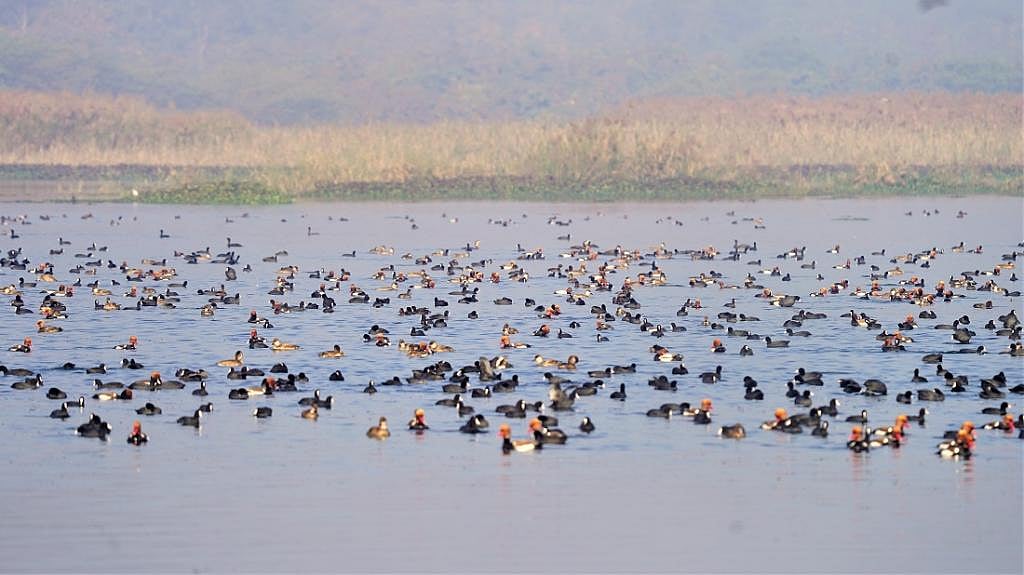
Funding drives the success of bird conservation policies and international cooperation. When you contribute or support organizations that finance research, you help scientists understand migration patterns and threats better.
Research results guide policy decisions and habitat management, making your investment in these studies crucial. Think about the difference accurate data makes in crafting laws and agreements that truly protect migratory birds.
Credit: www.downtoearth.org.in
Using Technology For Conservation
Technology plays a crucial role in conserving migratory birds by offering new ways to understand and protect them. It helps track their movements, gather important data, and create tools that improve conservation efforts. Using technology effectively can turn your passion for saving birds into real-world results.
Tracking Migration Patterns
GPS trackers and satellite tags allow researchers and bird lovers like you to follow migratory birds across continents. These devices provide detailed routes and stopover sites, revealing critical habitats that need protection.
Imagine being able to see where a bird you helped tag spends its winter. This information helps conservationists focus resources where birds face the most danger, such as hunting hotspots or areas with habitat loss.
Data Collection And Analysis
Collecting data on bird populations, health, and migration timing is easier with automated sensors and apps. You can contribute by reporting sightings through citizen science platforms, which build large databases for scientists.
Advanced software then analyzes this data to spot trends and threats early. This means conservation actions can be quicker and more targeted, saving more birds before problems become severe.
Innovative Conservation Tools
New technologies like drones, AI-powered cameras, and acoustic sensors help monitor bird populations without disturbing them. These tools can detect nests, count birds, and identify species by their calls.
- Drones map hard-to-reach nesting sites
- AI software identifies bird species from photos and sounds
- Acoustic sensors monitor bird presence even at night
Have you ever thought about how using such tools could enhance your efforts in bird conservation? Sometimes, a small tech tool can make a huge difference in protecting migratory birds.
Frequently Asked Questions
What Are Effective Ways To Protect Migratory Birds?
Protect migratory birds by preserving their habitats and planting native trees. Avoid using pesticides and reduce plastic waste. Support bird conservation organizations and create bird-friendly environments around you. These efforts help maintain safe migratory routes and healthy ecosystems.
Why Is Conserving Migratory Birds Important?
Migratory birds help control pests, pollinate plants, and maintain ecological balance. Their conservation supports biodiversity and healthy ecosystems. Protecting them ensures natural processes continue and benefits agriculture, economy, and human well-being worldwide.
How Can I Create A Bird-friendly Garden?
Use native plants to provide food and shelter. Avoid pesticides and keep water sources clean. Add bird feeders and nesting boxes to support various bird species. These steps attract and protect migratory birds during their journeys.
What Threats Do Migratory Birds Face Today?
Migratory birds face habitat loss, climate change, pollution, and hunting. Urban development disrupts their routes, while pesticides reduce their food supply. Addressing these threats requires global cooperation and local conservation efforts.
Conclusion
Protecting migratory birds helps keep nature balanced and healthy. Small actions by many people create big changes. Saving habitats and reducing pollution are key steps. Everyone can join efforts to watch and care for these birds. Our future depends on the choices we make today.
Let’s work together to keep migratory birds safe and free. Their journey is part of our world’s story. It’s a shared responsibility we all hold.