
Have you ever wondered how much it really costs to protect the beautiful birds you see every day? Bird conservation in the United States is more than just a passion—it requires funding, resources, and careful planning.
Understanding these costs can help you see where your support makes a difference. You’ll discover the true price behind saving our feathered friends and why every dollar counts. Keep reading to learn how your involvement can help keep our skies full of song.
Bird Conservation Funding Sources
Bird conservation in the United States relies on funding from government grants, private donations, and nonprofit organizations. These sources help cover costs like habitat protection, research, and public education. Funding amounts vary based on project size and location.
Bird conservation in the United States requires significant financial resources. Various funding sources contribute to the preservation of bird species and their habitats. Understanding these sources helps appreciate the collaborative effort in bird conservation.Government Grants And Programs
The government offers various grants to support bird conservation. Federal and state agencies provide crucial funding. Programs like the U.S. Fish and Wildlife Service play a key role. They allocate funds for habitat restoration and species protection. State wildlife grants also aid in conserving regional bird populations.Nonprofit Organizations
Nonprofit organizations are vital for bird conservation efforts. Groups like the Audubon Society raise funds for research and education. They organize community events and awareness campaigns. These nonprofits also collaborate with local partners. Their efforts significantly impact bird conservation.Private Donations And Sponsorships
Private donations form an essential part of funding. Individuals passionate about birds often contribute generously. Sponsorships from private entities also boost resources. These funds support specific projects or general conservation efforts. Donations ensure continuous progress in conserving bird habitats.Corporate Partnerships
Corporate partnerships bring substantial resources for conservation. Many companies support environmental initiatives as part of their CSR. They provide funding for specific projects or long-term programs. Such partnerships enhance the effectiveness of conservation strategies. They also promote environmental responsibility in the business sector.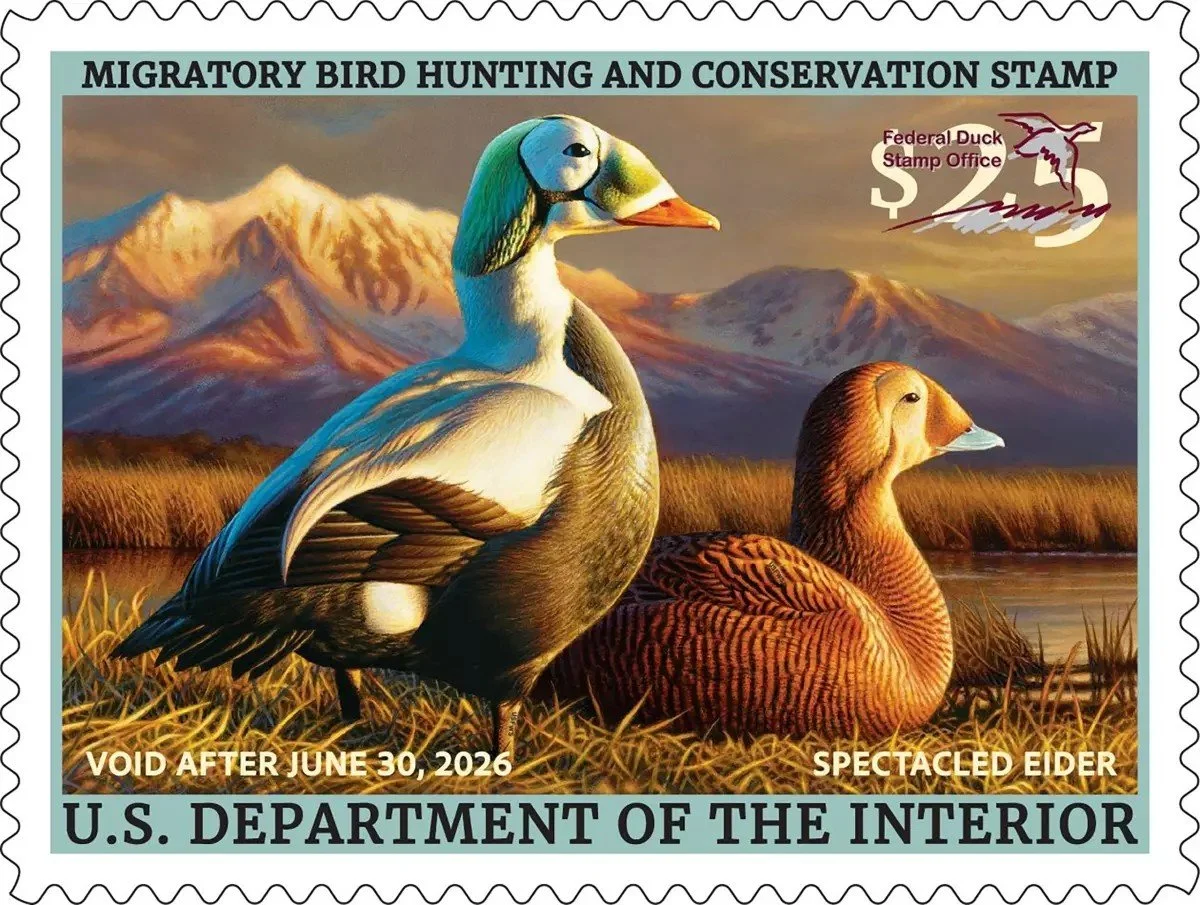
Credit: www.sacramentoaudubon.org
Key Expenses In Bird Conservation
Bird conservation involves many costs. These expenses support efforts to protect bird species and their habitats. Understanding key expenses helps explain where funds go and why they matter.
Funding is crucial for various activities. Each plays a vital role in preserving bird populations across the United States.
Habitat Restoration
Restoring habitats is one of the largest expenses. It includes planting native vegetation and removing invasive species. Costs cover equipment, labor, and materials needed for land repair.
Water management and creating safe nesting areas also add to expenses. Healthy habitats support breeding, feeding, and migration.
Research And Monitoring
Research helps identify bird population trends and threats. Scientists use tools like tracking devices and cameras. This data guides conservation actions and measures success.
Monitoring requires funding for equipment, fieldwork, and data analysis. It ensures efforts focus on the most urgent needs.
Public Education And Outreach
Educating the public creates awareness and support for bird conservation. Programs include workshops, school visits, and community events. Materials like brochures and websites also need funding.
Outreach helps people understand how to protect birds in their own communities.
Policy Advocacy
Advocacy promotes laws and policies that protect birds and habitats. This work involves lobbying, legal support, and public campaigns. Funding supports staff salaries and communication efforts.
Strong policies ensure long-term protection for bird species and their environments.
Regional Cost Variations
Bird conservation costs vary widely across the United States due to differences in habitat types, local economies, and specific bird species that need protection. Understanding these regional cost variations can help you grasp where your support or efforts might have the greatest impact. Let’s break down some of the major regions and what shapes their conservation budgets.
Northeast Conservation Efforts
The Northeast faces high costs largely due to dense urban areas and fragmented habitats. Restoring coastal wetlands and forested areas often requires significant investment in land acquisition and pollution control. Local programs also focus heavily on endangered species like the piping plover, which demands specialized, ongoing monitoring.
If you’ve visited places like Cape Cod or the Hudson River Valley, you might notice signs about bird protection zones. These areas need constant funding not just for habitat but also for educating the public to reduce human disturbance. Do you think community awareness could help lower some of these costs?
Southern States Initiatives
The South benefits from larger tracts of undeveloped land but faces challenges from rapid urban growth and agriculture. Conservation here often focuses on preserving wetlands and migratory bird stopover points, which can be costly due to the scale of habitat needed. Programs frequently partner with farmers to promote bird-friendly practices, which adds a collaborative expense but boosts long-term sustainability.
In states like Florida and Louisiana, hurricane damage also increases restoration costs. Have you considered how natural disasters might shift conservation priorities and budgets in your area?
Midwest Projects
The Midwest’s bird conservation costs are influenced by the extensive agricultural landscape and the need to protect grassland habitats. Many projects involve restoring native prairie and controlling invasive species, which requires steady, ongoing funding. The cost also depends on how much private landowners are willing to participate in conservation easements or habitat restoration.
Programs here often offer incentives to farmers, but balancing economic needs with conservation is tricky. How could local policies encourage more landowners to join these efforts without raising costs too much?
Western U.s. Programs
In the West, conservation expenses vary from arid deserts to mountainous forests, each with unique challenges. Protecting species like the California condor involves expensive captive breeding and release programs, while habitat restoration in places like the Great Basin can be labor and resource-intensive. Water scarcity issues also add a layer of complexity and cost.
You might be surprised how much technology, such as drones and remote sensors, is now used here to monitor birds efficiently. Could investing in such technology reduce long-term costs in your region?
Credit: www.fb.org
Impact Of Conservation Investments
Investing in bird conservation in the United States creates powerful effects. These funds help protect habitats and save many bird species. Every dollar spent supports efforts that improve biodiversity and ecosystem health.
Conservation investments also bring value beyond wildlife. They support local economies and provide jobs. Still, challenges remain in securing enough funding for long-term success.
Species Recovery Success Stories
Conservation money has led to amazing recoveries. The California condor is a prime example. Once nearly extinct, this bird now thrives due to focused efforts.
Other species like the whooping crane and the bald eagle have also bounced back. These successes show how targeted funding can reverse decline. Saving species means saving nature’s balance.
Economic Benefits To Communities
Bird conservation boosts local economies in many ways. Protected areas attract tourists and bird watchers. This tourism creates jobs and supports small businesses.
Conservation projects also hire workers for habitat restoration and monitoring. Communities gain from cleaner environments and improved natural resources. Healthy ecosystems increase property values and quality of life.
Challenges And Funding Gaps
Despite progress, funding often falls short of needs. Many bird species still face threats from habitat loss and climate change. Conservation programs require steady and increased support.
Competition for funding among environmental causes creates challenges. Limited budgets force tough choices about which projects to fund. More public awareness and government commitment can help close these gaps.
Future Trends In Bird Conservation Spending
Bird conservation spending in the United States is evolving with new priorities and challenges. Future investments focus on new tools, climate impacts, and community roles. These trends shape how funds will be used to protect bird species and their habitats.
Emerging Technologies
New technologies help track bird populations more accurately. Drones and satellite imaging provide real-time data on bird movements. Sensors and AI analyze bird calls and behaviors quickly. These tools reduce costs and improve conservation results. Spending will likely increase to adopt these innovations.
Climate Change Adaptation
Climate change affects bird habitats and food sources. Conservation spending will focus on protecting habitats from rising temperatures and extreme weather. Creating climate-resilient habitats becomes a key investment. Funds will support research on how birds adapt to changing environments.
Increased Community Involvement
Community groups play a larger role in bird conservation. Local volunteers help monitor bird populations and restore habitats. Education programs raise awareness and encourage action. Conservation budgets will grow to support community partnerships. Engaging people leads to more sustainable and cost-effective efforts.

Credit: www.monmouthconservation.org
Frequently Asked Questions
How Much Does Bird Conservation Cost Annually In The Us?
Bird conservation in the US costs approximately $500 million to $1 billion annually. These funds cover habitat protection, research, and public education programs. Costs vary based on species needs and conservation methods used.
What Factors Influence Bird Conservation Expenses?
Expenses depend on habitat restoration, species protection, research, and monitoring. Land acquisition and community engagement also impact costs. Geographic location and project scale play significant roles in determining overall expenses.
Who Funds Bird Conservation Projects In The Us?
Funding comes from federal and state governments, non-profits, private donors, and corporations. Grants and fundraising campaigns also support conservation efforts. Collaboration among stakeholders helps sustain long-term projects.
Are There Cost-effective Bird Conservation Strategies?
Yes, using community involvement, habitat restoration, and technology reduces costs. Volunteer programs and partnerships enhance efficiency. Prioritizing high-impact actions ensures better resource use and conservation success.
Conclusion
Bird conservation in the United States requires steady funding to protect species. Costs vary based on projects, locations, and bird types. Investments support habitat restoration, research, and education efforts. Every dollar helps keep bird populations safe and healthy. Saving birds benefits ecosystems and communities alike.
This ongoing work needs public support and awareness. Small actions add up to big changes over time. Protecting birds is a shared responsibility for a brighter future.