

Have you ever wondered how birds manage to stay hydrated even when water is scarce? You might think they just drink like we do, but birds have some amazing tricks to save every drop.
Understanding how birds conserve water can surprise you and even teach you a thing or two about surviving tough conditions. Keep reading to discover these clever secrets and see nature’s smart solutions in action.

Credit: www.allaboutbirds.org
Water Challenges For Birds
Birds save water by reducing activity during hot times and staying in shade. They get moisture from food and produce less waste to keep water in their bodies.
Birds face unique challenges in conserving water. Their survival depends on finding enough water. Some live in arid environments, making water scarce. Others fly long distances, needing to preserve water during flights. Understanding these challenges helps us appreciate their adaptations.Environmental Water Scarcity
Many birds live in dry, arid regions. Water sources are limited in these areas. Rainfall is infrequent and unpredictable. Rivers and lakes may dry up in the heat. Birds must travel long distances to find water. This can be exhausting and risky. They often rely on morning dew or small puddles. Such scarcity demands efficient water use.Physiological Water Needs
Birds have unique physiological needs. They cannot store water like camels. Their bodies are adapted for flight, not water storage. Birds need water for digestion and cooling. They lose water through breathing and waste. Efficient kidneys help conserve water. Birds produce uric acid instead of urine. This helps save water and reduce dehydration risk.Efficient Kidney Function
Birds have developed remarkable ways to conserve water, and one of the key players in this process is their efficient kidney function. Unlike mammals, bird kidneys are specially adapted to save water while still removing waste effectively. This unique ability helps birds thrive in environments where water is scarce or unpredictable.
Concentrated Urine Production
Bird kidneys produce urine that is highly concentrated, which means less water is lost through excretion. This ability depends on the presence of specialized structures called nephrons, which filter the blood and reabsorb water efficiently.
Some birds can concentrate their urine up to four times more than mammals. This means they expel waste with minimal water, allowing them to stay hydrated longer even when they don’t have frequent access to water sources.
Salt Gland Adaptations
Many seabirds have an additional tool to conserve water: salt glands. These glands are located above the eyes and help remove excess salt from their bloodstream.
By excreting highly concentrated salt solutions through these glands, birds avoid the need to use water for flushing out salt through their kidneys. This adaptation is vital if you live near salty environments or feed on salty food sources.
Have you ever wondered how birds can drink seawater and still stay hydrated? Their salt glands are the answer, showing how nature solves tough survival challenges with smart biological tricks.
Behavioral Strategies
Birds use smart behaviors to save water and stay hydrated. These behavioral strategies help them avoid losing too much water through heat and activity. Birds adjust their daily routines and find cool places to reduce water loss. Such actions play a big role in their survival, especially in dry or hot environments.
Timing Of Activity
Many birds stay active during cooler parts of the day. They often forage early in the morning or late in the evening. Avoiding the midday heat lowers their water needs. This helps prevent overheating and reduces sweating or panting. Quiet rest during hot hours conserves both water and energy.
Seeking Shade And Shelter
Birds look for shade to escape direct sunlight. Trees, bushes, and rocks provide cool spots to rest. Staying in shaded areas cuts down on water loss through evaporation. Some birds also shelter in burrows or nests during hot times. These places keep them cooler and protect them from harsh weather.
Feather And Skin Adaptations
Birds have developed unique feather and skin features to help them save water, especially in dry environments. These adaptations play a crucial role in reducing water loss and maintaining hydration. Understanding these can change how you see birds’ survival skills up close.
Water-repellent Plumage
Birds produce oils from a gland near their tails, which they spread over their feathers. This oil creates a waterproof barrier, preventing water from soaking into the feathers. Have you ever noticed how ducks shake off water effortlessly? That’s the oil at work, keeping their feathers dry and conserving internal water.
This waterproof layer also stops water from evaporating directly from their skin through the feathers. It’s like wearing a raincoat that doesn’t let moisture escape. You can see how this simple oil application helps birds stay hydrated even after swimming or flying through rain.
Reduced Skin Permeability
Bird skin is designed to limit water loss, unlike human skin which sweats. It has fewer sweat glands, reducing water evaporation significantly. This means birds don’t lose much water through their skin, an essential feature if you live in a hot or arid place.
Some desert birds take this further by having thicker skin layers or specialized cells that hold moisture better. Imagine having skin that acts like a sponge, holding onto every drop of water you need. Could this be why you rarely see some birds panting or sweating, even on the hottest days?
Dietary Influences On Hydration
Birds have unique ways to stay hydrated, especially through their diet. What they eat plays a big role in how they conserve water. Some foods provide direct moisture, while others help create water inside their bodies. Understanding these dietary influences reveals how birds manage to survive in dry places.
Water-rich Food Choices
Many birds eat foods with high water content. Fruits, berries, and succulent plants are common choices. These foods give birds extra water without needing to drink much. Insects also contain moisture that helps hydration. Eating water-rich food reduces the need to find water sources often.
Metabolic Water Production
Birds produce water inside their bodies through metabolism. When they break down fats, proteins, or carbohydrates, water forms as a byproduct. This is called metabolic water. It is especially important in dry environments. Metabolic water helps birds stay hydrated when free water is scarce. It supports their survival during long flights and dry seasons.
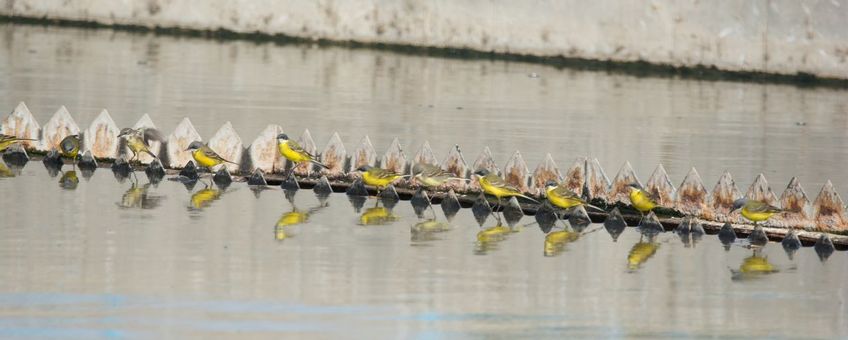
Credit: www.naturetoday.com
Unique Cooling Mechanisms
Birds have developed unique cooling mechanisms that help them survive in hot and dry environments without losing too much water. These strategies allow them to regulate their body temperature efficiently. Understanding these methods can give you insight into how nature solves tough problems with simple solutions.
Panting And Gular Fluttering
Panting is a common cooling technique where birds rapidly breathe with their mouths open. This increases airflow over moist surfaces inside their mouths and throats, helping heat escape from their bodies.
Gular fluttering is a faster vibration of the thin skin in the throat area, often seen in cormorants and pelicans. It cools the blood vessels close to the surface without the bird needing to open its mouth wide, which helps conserve water better than panting alone.
Have you ever noticed a bird’s throat moving quickly without making noise? That’s gular fluttering in action, a subtle but powerful way to stay cool.
Evaporative Cooling
Evaporative cooling uses the natural process of water turning into vapor to lower body temperature. Birds achieve this by wetting certain body parts, like their skin or feathers, and letting the water evaporate.
Some birds also release moisture through their respiratory system or through specialized glands near their eyes. This moisture evaporates, taking heat away and cooling the bird’s body without losing significant amounts of water.
Think about how sweating cools you down. Birds use a similar idea but tailored to their unique bodies to avoid dehydration.

Credit: windowalert.com
Frequently Asked Questions
How Do Birds Minimize Water Loss?
Birds reduce water loss by excreting concentrated urine and dry feces. Their skin and feathers also limit evaporation, helping conserve water efficiently.
What Role Do Bird Kidneys Play In Water Conservation?
Bird kidneys concentrate urine to retain water. This adaptation helps birds survive in dry environments by minimizing water loss through excretion.
How Do Birds Get Water Without Drinking Often?
Birds obtain water from their food and metabolic processes. They extract moisture from insects, fruits, and seeds, reducing their need to drink frequently.
Why Do Birds Pant To Conserve Water?
Panting helps birds cool down without sweating. This behavior reduces water loss by evaporative cooling while preserving internal moisture.
Conclusion
Birds have smart ways to save water every day. They get water from their food and rain. Their bodies hold on to water well. Breathing and sweating less helps a lot. These habits keep them healthy in dry places. Water conservation is key for their survival.
Watching birds teaches us about nature’s balance. Small changes can make a big difference. Nature’s design is simple but very clever. Birds show us how to live with less water.