
Have you ever wondered what protects the places where migratory birds rest and breed? These birds travel thousands of miles every year, relying on safe habitats to survive.
The Migratory Bird Habitat Conservation Act plays a key role in keeping these critical areas safe. Understanding this law can help you see how your actions and support can make a real difference for migratory birds and the environment. Keep reading to discover what this act is all about and why it matters to you.
Purpose Of The Act
The Migratory Bird Habitat Conservation Act is crucial for bird protection. Its main goal is to protect and improve habitats for migratory birds. This act supports the preservation of bird ecosystems. It ensures birds have safe places to live, breed, and thrive.
Conservation Of Critical Habitats
The act focuses on conserving habitats vital for bird survival. Many birds rely on specific regions during migration. These areas provide food, shelter, and breeding grounds. Protecting these habitats is essential for bird populations to remain healthy.
Support For Bird Populations
This legislation aids in maintaining stable bird numbers. By conserving habitats, it ensures birds have a place to nest. This is vital for species that travel vast distances. Ensuring these spaces are safe helps maintain their populations.
Partnerships And Collaboration
The act encourages partnerships with various stakeholders. This includes government agencies, non-profits, and local communities. Collaboration is key to successful habitat conservation. It combines resources and knowledge to protect bird habitats.
Funding For Conservation Projects
Funding is a significant component of this act. It supports projects aimed at habitat restoration and protection. These projects are essential for the long-term success of bird conservation. Proper funding ensures these initiatives can be effectively executed.
Promoting Environmental Education
The act also promotes environmental education. Educating the public about bird habitats is crucial. It raises awareness and fosters a sense of responsibility. Understanding the importance of these habitats helps in their protection.
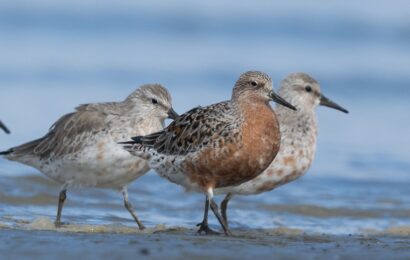
Credit: www.birdwatchingdaily.com
History And Background
The Migratory Bird Habitat Conservation Act plays a vital role in protecting bird habitats. Its history shows the growing need to save migratory birds and their homes. Understanding this background helps explain why the law exists.
Birds migrate across countries and continents. Their survival depends on safe places to rest and breed. Early efforts focused on hunting limits, but habitat loss became a bigger threat.
Early Conservation Efforts
In the early 1900s, bird populations dropped sharply. People began noticing fewer birds during migration seasons. This led to the first laws aimed at controlling hunting.
These laws did not address habitat protection. Many birds lost wetlands, forests, and grasslands. Conservationists urged for stronger measures to protect these areas.
Development Of The Act
The Migratory Bird Habitat Conservation Act was created to fill this gap. It aimed to protect and restore important bird habitats. The Act provided funds and guidelines for habitat conservation.
It emphasized cooperation between states and the federal government. This helped create a network of protected areas along migration routes. The Act marked a new step in bird conservation efforts.
Impact Over Time
Since its passage, the Act has helped preserve millions of acres of habitat. It supports species survival and biodiversity. It also raises public awareness about the importance of habitat protection.
Many bird species have shown signs of recovery. The Act remains a key tool in conserving migratory birds today.
Key Provisions
The Migratory Bird Habitat Conservation Act includes important rules to protect bird habitats. These rules help keep safe places for migratory birds to live and breed. The act focuses on stopping habitat loss and supporting bird populations through clear actions.
Habitat Protection Measures
The act sets limits on harming or destroying bird habitats. It requires careful planning before any land changes. Protected areas are identified where birds can nest and feed safely. This reduces the risk of losing important natural spaces.
Restoration projects help repair damaged habitats. They bring back native plants and clean water sources. These efforts create better environments for birds to thrive.
Funding And Grants
Funding plays a big role in the act’s success. It provides money to support habitat conservation projects. Grants are available for groups working to protect bird habitats.
This funding helps with land purchases, restoration work, and research. It encourages local communities to take part in conservation activities.
Partnerships And Collaboration
The act encourages teamwork among government agencies, nonprofits, and landowners. These partnerships share knowledge and resources. Working together leads to stronger protection efforts.
Collaboration helps create plans that balance human needs and wildlife protection. It builds trust and support for long-term habitat conservation.

Credit: www.dfo-mpo.gc.ca
Impact On Migratory Birds
The Migratory Bird Habitat Conservation Act plays a vital role in protecting bird populations. It safeguards crucial areas where migratory birds live, feed, and breed. This law helps maintain healthy bird populations by preserving their natural environments. Preserving these habitats ensures birds can complete their long migratory journeys safely. The act also supports biodiversity and balanced ecosystems.
Species Benefited
This act benefits many migratory bird species across the country. Some of the most helped include:
- Ducks and geese
- Songbirds like warblers and thrushes
- Waterfowl such as herons and cranes
- Raptors including hawks and eagles
Protecting habitats ensures these species find food and shelter during migration. It also helps endangered birds recover their numbers.
Habitat Restoration Successes
Restoring habitats has shown clear positive results for migratory birds. Efforts include:
- Replanting native vegetation
- Cleaning polluted wetlands
- Creating protected bird sanctuaries
- Controlling invasive species
These actions improve food availability and nesting sites. Bird populations in restored areas have increased steadily. Healthy habitats mean safer stops during migration routes.
Role Of Government Agencies
Government agencies play a vital role in protecting migratory bird habitats. They create rules and guidelines under the Migratory Bird Habitat Conservation Act. These agencies work to ensure that bird populations stay healthy and safe. Their actions support the balance of nature and help preserve important ecosystems.
These agencies coordinate efforts across regions. They also monitor bird habitats and enforce laws. Their work helps prevent habitat loss and damage. They provide funds and resources for conservation projects. Through education and outreach, they increase public awareness about bird protection.
Federal Agencies Involved In Habitat Protection
The U.S. Fish and Wildlife Service leads federal efforts. They manage national wildlife refuges and monitor bird populations. The Environmental Protection Agency helps regulate pollution affecting habitats. The Department of Agriculture supports habitat conservation on private lands. These agencies collaborate to maintain healthy environments for migratory birds.
State And Local Government Roles
State wildlife agencies enforce bird protection laws locally. They manage state parks and wildlife areas. Local governments may create ordinances to protect habitats. They also partner with federal agencies for joint projects. Their work ensures habitat conservation fits local needs and conditions.
Collaboration And Partnerships
Government agencies work with non-profits and communities. Partnerships help share knowledge and funding. Joint efforts improve habitat restoration and monitoring. These collaborations strengthen conservation impact. They bring together diverse skills and resources for better results.

Credit: www.youtube.com
Challenges And Criticisms
The Migratory Bird Habitat Conservation Act aims to protect bird habitats across the country. Despite its good intentions, the act faces several challenges and criticisms. These issues affect how well the law works and its impact on both birds and people.
Understanding these challenges helps to see the full picture of habitat conservation efforts.
Funding LimitationsOne major challenge is the lack of sufficient funding. The act relies on government budgets that often fall short. Limited money means fewer projects and less habitat protection. Conservation groups struggle to maintain and restore vital bird habitats.
Conflicts with LandownersSome landowners oppose the act. They feel restricted by regulations on their property. This causes conflicts that slow down habitat conservation. Balancing private land rights and public conservation goals remains difficult.
Enforcement DifficultiesEnforcing the act can be hard. Remote habitats are tough to monitor regularly. Illegal activities like poaching or land clearing still occur. Weak enforcement reduces the act’s overall effectiveness.
Limited ScopeThe act covers many bird species but misses some. Certain habitats and birds receive less attention. This limits the overall impact on migratory bird populations. Expanding the scope could improve conservation results.
Balancing Economic InterestsEconomic development often conflicts with habitat protection. Industries like agriculture and construction may harm bird habitats. Finding a balance between growth and conservation is a constant challenge.
Future Directions
The Migratory Bird Habitat Conservation Act has played a crucial role in protecting vital habitats for migratory birds. Looking ahead, it is essential to consider how this act can evolve to meet new environmental challenges and shifting ecological needs. Future directions aim to strengthen conservation efforts while adapting to changing landscapes and climate conditions.
Enhancing Habitat Restoration And Protection
Efforts to restore degraded wetlands and forests are gaining momentum. You can expect more funding and programs focused on bringing back lost habitats that migratory birds depend on. Protecting these areas before they disappear is critical to sustaining bird populations.
How can local communities contribute to habitat restoration? Simple actions like planting native vegetation or reducing pollution can make a big difference.
Integrating Climate Change Adaptation Strategies
Climate change poses new threats to migratory birds by altering their habitats and migration patterns. The act’s future updates may include specific measures to help birds adapt to these changes.
Imagine tracking bird migration shifts and adjusting conservation zones accordingly. This approach could help protect species that face unpredictable weather and habitat loss.
Expanding Partnerships And Community Engagement
Collaboration between government agencies, nonprofits, and local communities will be more important than ever. By working together, these groups can share knowledge and resources to maximize conservation impact.
You have a role too—participating in citizen science projects or advocating for bird-friendly policies can help shape the future of habitat protection.
Utilizing Technology For Better Monitoring
Advances in technology offer new ways to monitor migratory bird populations and habitat health. Drones, satellite imagery, and tracking devices can provide real-time data that guide conservation efforts.
What if you could access live updates on bird migration near your area? This information could inspire more targeted and timely actions to support these species.
Frequently Asked Questions
What Is The Migratory Bird Habitat Conservation Act?
The Migratory Bird Habitat Conservation Act protects habitats critical for migratory birds. It promotes preservation, restoration, and sustainable management of wetlands and other essential ecosystems.
Why Is Migratory Bird Habitat Conservation Important?
Conserving habitats ensures migratory birds have safe breeding, feeding, and resting areas. It supports biodiversity and maintains ecological balance vital for these species’ survival.
How Does The Act Protect Bird Habitats?
The Act regulates land use and funds habitat conservation projects. It collaborates with agencies and organizations to safeguard wetlands and other key migratory bird environments.
Who Benefits From The Migratory Bird Habitat Conservation Act?
Migratory birds, ecosystems, and human communities benefit. Healthy bird populations support agriculture, tourism, and natural pest control, contributing to environmental and economic health.
Conclusion
The Migratory Bird Habitat Conservation Act helps protect bird homes. It supports safe places where birds can live and breed. Protecting habitats keeps bird populations healthy. This law benefits the environment and people too. Healthy bird populations help balance nature.
Everyone plays a part in conserving these habitats. Understanding this act shows why bird protection matters. Small efforts can make a big difference. Protecting birds means protecting our world for the future.