
Have you ever wondered how birds mate? It might seem simple, but the process is actually quite fascinating and unique.
Understanding bird anatomy during mating can give you a whole new appreciation for these creatures. You’ll discover the surprising details about how birds come together to reproduce. By the end, you’ll see bird mating in a way you never thought possible—and it might change how you watch them forever.
Keep reading to unlock the secrets of bird anatomy and mating!

Credit: www.dreamstime.com
Bird Reproductive Anatomy
Birds mate through a unique process called the “cloacal kiss,” where their reproductive openings touch briefly. Most birds lack external genitalia, relying on this contact to transfer sperm efficiently. This simple anatomy helps ensure successful fertilization during mating.
Understanding bird reproductive anatomy provides fascinating insights into how these creatures have evolved to ensure their species thrive. Birds, unlike mammals, have unique adaptations that suit their aerial lifestyles. Let’s dive into the anatomy that makes bird mating both intriguing and efficient.Male Bird Anatomy
Male birds possess testes, which are internal rather than external, unlike many other animals. This internal positioning helps reduce drag during flight. During breeding season, these testes can dramatically increase in size to maximize sperm production. Male birds also have a cloaca, a multipurpose opening used for both excretion and reproduction. In some species, males develop a phallus, though it is quite different from mammalian structures. This adaptation allows the transfer of sperm to the female during the brief mating process known as a “cloacal kiss.”Female Bird Anatomy
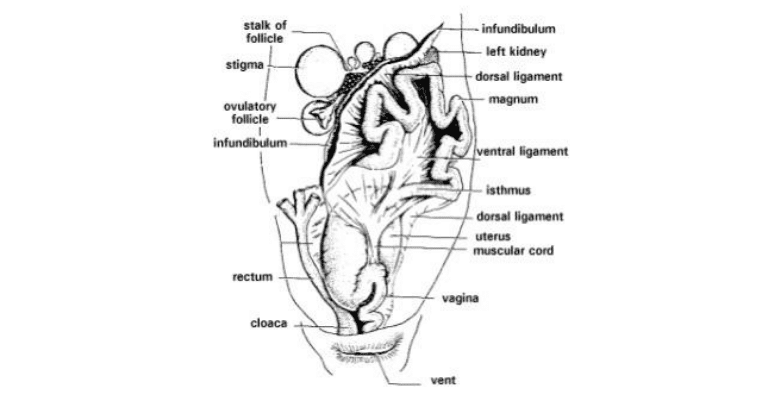
Female birds typically have only one functional ovary, usually on the left side. This reduction in number minimizes body weight, aiding in flight efficiency. During the breeding season, the ovary enlarges to produce eggs. The oviduct, a tube through which eggs travel, is where fertilization occurs. The cloaca in females, similar to males, serves multiple functions and is crucial during mating as it receives sperm from the male.Unique Features In Bird Genitalia
Bird genitalia display remarkable diversity across species. For example, ducks and ostriches have more developed phalluses, which are rare among birds. This variation often correlates with mating habits and evolutionary pressures. The simplicity of bird genitalia, especially in smaller species, is often offset by elaborate courtship displays and songs. These behaviors compensate for the lack of physical complexity, ensuring successful mating. Have you ever noticed how some birds engage in elaborate dances or sing intricate songs during the mating season? These behaviors are directly tied to their reproductive anatomy, highlighting nature’s incredible adaptability. Understanding these anatomical features not only deepens our appreciation for birds but also challenges us to think about the endless ways life adapts to survive and thrive.Mating Behaviors
Birds show unique and varied mating behaviors. These actions help them find mates and reproduce successfully. Understanding these behaviors reveals much about their nature and survival.
Courtship Rituals
Birds perform special dances and calls to attract mates. Bright feathers and singing play key roles. Some species build nests or present gifts. These rituals prove health and strength to partners.
Pair Bonding
Many birds form strong bonds before mating. They often stay together throughout the season or life. Pair bonding helps in raising offspring. Partners share tasks like feeding and protecting young.
Copulation Process
Birds have a simple but quick mating process. They touch their cloacas, an opening used for reproduction. This “cloacal kiss” transfers sperm to the female. The process lasts only a few seconds.
The Cloacal Kiss
The cloacal kiss is a fascinating and unique aspect of bird mating. Unlike mammals, most birds do not have external reproductive organs. Instead, they rely on a brief but crucial contact between their cloacas to transfer sperm.
How It Works
During mating, the male and female birds press their cloacas together in a quick touch—this is the cloacal kiss. The male releases sperm into the female’s cloaca, which then travels to fertilize the eggs.
This process usually lasts only a few seconds but is vital for reproduction. You might be surprised how efficient this simple mechanism is, considering it involves no penetration like in many other animals.
Species Variations
Not all birds perform the cloacal kiss in exactly the same way. Some species, like ducks and geese, have evolved more complex reproductive organs to adapt to their environment.
For example, certain waterfowl males have a spiral-shaped penis, and females have correspondingly complex vaginal structures. This variation helps prevent unwanted fertilization and encourages mate choice.
Still, the majority of birds rely on the straightforward cloacal kiss, showing how evolution can take different paths even within the same group.
Advantages Of The Cloacal Kiss
- Simplicity:The cloacal kiss requires no external genitalia, reducing the risk of injury during mating.
- Speed:The brief contact lowers the chance of predators interrupting the process.
- Efficiency:It provides a quick and direct way to transfer sperm with minimal energy expenditure.
Have you ever wondered how such a quick and seemingly delicate act can be so effective? The cloacal kiss shows that sometimes, nature keeps things simple to achieve great results.

Credit: x.com
Species With Special Adaptations
Some bird species have developed unique physical traits and behaviors to improve their chances of successful mating. These special adaptations often reflect their environment and lifestyle. Understanding these can change how you view the diversity and complexity of bird reproduction.
Waterfowl And Their Penises
Unlike most birds, waterfowl such as ducks and geese possess a penis. This adaptation helps them mate in aquatic environments where balance and positioning are tricky.
Their penises can be quite long and spiraled. This unusual shape is thought to help navigate the female’s reproductive tract, which may have its own twists and turns. Watching a simple mating act turns into a fascinating example of evolutionary design.
Birds With Internal Fertilization
Most birds perform a “cloacal kiss” where male and female cloacas touch briefly to transfer sperm. However, some species have internal fertilization mechanisms that go beyond this quick contact.
Birds like ostriches have a true penis, allowing sperm to be deposited inside the female more securely. This reduces the chance of sperm loss, especially in windy or unstable environments. Have you noticed how this might give certain birds a reproductive edge?
Unusual Mating Strategies
Some birds rely on more than just anatomy to succeed in reproduction. For example, certain species practice forced copulation or sneak mating to overcome competition.
Others, like some hummingbirds, use elaborate displays or aggressive behaviors to secure mates. These strategies show that anatomy and behavior often work together in surprising ways to ensure survival of the species.
Reproductive Challenges
Bird reproduction faces many challenges tied to their unique anatomy and environment. Their physical design limits how mating occurs. External factors also affect their chances to reproduce successfully. Evolution shapes these challenges over time. Understanding these barriers helps explain the complexity of bird mating.
Anatomical Constraints
Birds lack external genitalia like mammals. Most have a small opening called the cloaca. During mating, birds press their cloacas together. This limits mating time and success. Some species evolved specialized structures to aid sperm transfer. Still, anatomy restricts how often and how long mating lasts.
Environmental Influences
Weather plays a major role in bird mating. Rain, wind, and temperature affect mating behavior. Nesting sites and food availability also impact reproduction. Noise pollution can disrupt courtship calls. Predators nearby increase stress and reduce mating chances. Safe, stable environments favor successful reproduction.
Evolutionary Pressures
Birds evolve traits to overcome mating challenges. Bright plumage and songs attract mates. Some species develop complex courtship dances. Evolution favors birds that succeed in passing genes. Competition among males drives stronger displays. Females choose mates with the best traits to ensure survival of offspring.

Credit: birdsnways.com
Fascinating Mating Facts
Bird mating is full of surprising and interesting facts. Their ways of finding partners and reproducing vary widely. Some birds have unique traits that help them succeed in the wild. Understanding these mating habits shows how diverse and clever birds are. This section explores record-breaking mates, surprising behaviors, and myths about bird reproduction.
Record-breaking Bird Mates
Some birds hold amazing records related to mating. The albatross forms the longest-lasting pair bonds. They mate for life and reunite each year.
The male Emperor penguin endures harsh winters without eating while incubating eggs. This shows extreme dedication to reproduction.
Hummingbirds have the fastest wing beats and perform complex aerial dances to attract mates. Their speed and agility are unmatched.
Surprising Reproductive Behaviors
- Many birds perform elaborate courtship displays using bright feathers and songs.
- Some species, like the jacana, have reversed roles where females compete for males.
- Birds use cloacas to transfer sperm, a simple but efficient method.
- In some species, males bring gifts like food or nesting materials to win females.
Myths And Misconceptions
People often think birds have penises, but most do not. They use a cloaca for mating instead.
Another myth is that all birds mate for life. Only some species form lifelong pairs.
It is also false that birds only mate during spring. Many species breed at different times.
Frequently Asked Questions
How Do Birds Physically Mate?
Birds mate through a “cloacal kiss,” where male and female cloacas touch. This allows sperm transfer without external genitalia. It’s a quick and precise process, ensuring fertilization while minimizing exposure to predators.
What Is The Role Of The Cloaca In Bird Mating?
The cloaca is a single opening for excretion and reproduction in birds. During mating, the male and female cloacas align, enabling sperm transfer. This unique anatomy simplifies the mating process compared to animals with separate reproductive openings.
Do All Birds Have The Same Mating Anatomy?
Most birds share similar cloacal anatomy for mating, but some species have variations. For example, ducks and ostriches have a phallus for reproduction. These differences reflect adaptations to their mating behaviors and environments.
How Does Bird Anatomy Affect Mating Behavior?
Bird anatomy influences mating by limiting direct penetration, leading to the cloacal kiss method. This affects courtship rituals, ensuring alignment and quick sperm transfer. Anatomy and behavior work together to enhance reproductive success.
Conclusion
Birds have unique ways to mate using their special anatomy. Their simple yet effective methods help them reproduce successfully. Understanding these details shows how nature works in bird life. Every species has its own style, making the process interesting. This knowledge helps us appreciate birds more deeply.
Observing birds in nature reveals their delicate and precise actions. Learning about bird mating adds to our wonder of wildlife. It’s a small part of the bigger picture of life.