
Have you ever wondered exactly where a bird’s wings connect to its body? Understanding where wings meet bird anatomy can reveal amazing insights about how birds fly, balance, and move with such grace.
If you’re curious about the secret behind their incredible flight skills, this article will guide you through the key parts of a bird’s body that make it all possible. Keep reading, and you’ll discover surprising facts that will change the way you see birds forever.
Wing Structure
The wing structure is a key part of bird anatomy that allows flight. It combines bones, muscles, and feathers in a precise way. Each element plays a role in lift, thrust, and control. Understanding these parts reveals how birds soar and glide.
Bone Framework
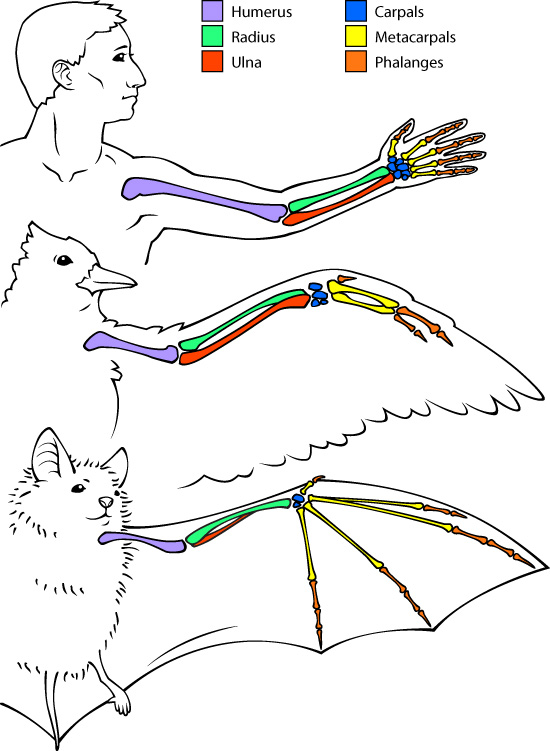
The wing’s bones form a strong but light framework. They include the humerus, radius, and ulna. These bones support the wing’s shape and movement. Their hollow design reduces weight without losing strength. Joints connect the bones, allowing flexibility during flight.
Muscle Arrangement
Muscles attach to the bones and control wing motion. Powerful muscles like the pectoralis help flap the wings down. Smaller muscles adjust wing shape for steering and balance. This muscle setup gives birds precise control in the air.
Feather Types
Feathers cover the wing and create the surface for flight. Primary feathers at the wing tip provide thrust. Secondary feathers closer to the body generate lift. Coverts smooth airflow over the wing. Each feather type supports different flight needs.
Feather Functions
Wings connect to a bird’s body through strong bones and muscles in the shoulder area. Feathers grow along these structures, shaping flight and movement. Understanding this link reveals how birds soar and glide with ease.
Feathers are not just a bird’s beautiful attire; they are vital components that serve multiple functions essential for survival. From enabling flight to providing protection, feathers are marvels of nature that play a crucial role in a bird’s life. Understanding the diverse functions of feathers can give you a deeper appreciation for these fascinating creatures.Lift And Thrust
Feathers are the secret behind a bird’s ability to soar through the sky. They are uniquely designed to offer lift and thrust, allowing birds to fly with grace and precision. The arrangement of feathers on the wings creates a surface that can manipulate air currents, enabling birds to rise, glide, and dive. Have you ever marveled at a bird effortlessly hovering in mid-air? That’s the result of the perfect alignment and movement of flight feathers. Next time you see a bird in flight, think about the intricate mechanics behind each flap and glide.Insulation And Waterproofing
Feathers aren’t just for flying; they keep birds warm and dry too. The down feathers, which lie closest to the bird’s body, trap heat and provide insulation. This is why birds can thrive in cold climates without freezing. On the outside, the contour feathers repel water, allowing birds to stay dry even in the rain. Imagine being in a rainstorm without an umbrella yet staying completely dry—feathers provide this luxury to birds every day.Camouflage And Display
Feathers also play a crucial role in a bird’s social life. Their colors and patterns can provide camouflage, helping birds blend into their surroundings to avoid predators. This is a survival tactic that many species have perfected over time. On the flip side, vibrant and distinct feather patterns are used in displays to attract mates. Have you witnessed a peacock fanning its tail in a dazzling array of colors? Such displays are not just for show—they are a key part of mating rituals that help birds find partners. Feathers are indeed multi-functional wonders. What other secrets might they hold? As you observe birds, consider the incredible adaptations that have allowed them to thrive in diverse environments.Muscle Mechanics
The muscle mechanics of bird wings reveal a fascinating interplay between power and precision. Understanding how muscles work in tandem with the skeleton helps you grasp how birds achieve flight. These muscles are not just strong—they are finely tuned to deliver efficient and controlled movement.
Flight Muscles
Birds rely mainly on two sets of muscles for flight: the pectoralis and the supracoracoideus. The pectoralis powers the downstroke, pushing air down to lift the bird off the ground. Meanwhile, the supracoracoideus controls the upstroke, pulling the wing back up smoothly.
These muscles are uniquely adapted for endurance and strength. For example, hummingbirds have exceptionally large pectoral muscles relative to their body size, which enables their rapid wing beats. Can you imagine how demanding it must be to flap wings at 50 beats per second?
Energy Efficiency
Muscle mechanics in wings are designed for energy efficiency during long flights. Birds minimize energy waste by using elastic tendons to store and release energy, much like a spring. This reduces the metabolic cost of flapping, allowing you to fly long distances without quickly tiring.
Consider migratory birds like the Arctic tern, which travels thousands of miles. Their muscle structure enables sustained flight with minimal energy loss. Could there be lessons here for improving human endurance in sports or robotics?
Wing Movement Control
Control over wing movement comes from a combination of muscle coordination and nervous system precision. Small muscles adjust the wing’s angle and shape, allowing birds to maneuver sharply or glide effortlessly. This level of control is what lets them navigate through dense forests or hover in place.
When you watch a bird change direction mid-air, you’re seeing complex muscle adjustments at work. This fine-tuned control inspires innovations in drone technology, showing how nature’s design can guide human engineering.

Credit: en.wikipedia.org
Skeletal Adaptations
The wings of birds are marvels of evolution, shaped by unique skeletal adaptations. These changes allow birds to fly efficiently, supporting their body weight while enabling smooth movement. The bones and joints in bird wings are specifically designed to balance strength and lightness.
Lightweight Bones
Birds have hollow bones with thin walls. These bones reduce weight without losing strength. Air sacs connect to these hollow spaces, helping with breathing and reducing overall mass. This adaptation makes flying easier and less energy-consuming.
Fused Structures
Certain bones in bird wings and bodies are fused. This fusion creates a rigid framework that supports powerful wing strokes. The fusion also helps to transfer muscle force directly to the wings. It provides stability during flight and reduces the risk of injury.
Joint Flexibility
Bird wing joints are highly flexible yet strong. The shoulder joint allows wide movement, enabling different wing positions. Elbow and wrist joints bend to change wing shape during flight. This flexibility helps birds maneuver and control speed in the air.
Respiratory System
The respiratory system plays a crucial role in how birds manage the intense demands of flight. It is uniquely designed to supply oxygen efficiently, ensuring wings have the power to keep flapping. Understanding this system helps you appreciate the seamless connection between wing movement and breathing.
Oxygen Supply During Flight
During flight, a bird’s oxygen needs skyrocket. Your body might struggle to keep up during intense exercise, but birds have a special way of handling this. Their lungs extract oxygen continuously, even when they exhale, providing a constant supply of fresh air to meet high energy demands.
Think about how you breathe harder when running uphill. Birds don’t just breathe harder; their system works smarter, keeping oxygen flowing steadily without interruption.
Air Sac Function
Birds have multiple air sacs connected to their lungs, which act like bellows. These sacs store air and push it through the lungs in one direction, unlike the back-and-forth flow you experience. This system ensures that fresh air passes through the lungs both when the bird inhales and exhales.
Imagine how efficient your own breathing would be if you could pull in fresh air twice as often. These air sacs also help cool the bird’s body during flight, which is vital when muscles generate so much heat.
Breathing Efficiency
The design of the respiratory system makes breathing incredibly efficient for birds. It supports continuous oxygen exchange, so your muscles get the fuel they need without pause. This efficiency allows for longer flights and quick bursts of speed.
Next time you watch a bird soaring or darting through the sky, consider how its breathing system supports every wingbeat. What changes could you make to your own breathing during exercise to boost your stamina?
Nervous Coordination
The nervous system plays a key role in controlling bird wings. It sends fast signals to muscles, helping birds move their wings precisely. This coordination allows birds to fly smoothly and react quickly to their environment.
Flight Reflexes
Birds have quick reflexes that help adjust wing movements instantly. These reflexes protect birds from sudden dangers. They allow birds to change direction or altitude fast during flight. The brain and spinal cord work together to manage these rapid responses.
Balance And Orientation
Balance is crucial for birds in flight. The inner ear contains sensors that detect head position and movement. This information helps birds stay stable in the air. Wings adjust automatically based on signals from these sensors. This system helps birds avoid falling or crashing.
Visual Processing
Birds rely heavily on vision for flying. Their eyes send detailed images to the brain. The brain processes this visual information to guide wing movements. Birds can judge distances and spot obstacles quickly. This sharp vision supports safe and efficient flight.
Flight Styles
Birds use different flight styles to move through the air. Each style depends on their wing shape and body design. These flight styles help birds save energy, catch prey, or travel long distances. Understanding these styles shows how wings meet bird anatomy in action.
Soaring And Gliding
Soaring uses wind currents to keep birds in the air without flapping. Birds spread their wide wings to catch rising warm air. This style helps birds fly long distances with little effort. Gliding is similar but involves a slow descent. Birds use it to move smoothly from high places to lower ones.
Flapping Flight
Flapping flight needs strong wing muscles and fast movement. Birds flap their wings up and down to create lift and thrust. This style gives birds control and speed. It is common in smaller birds and those that hunt actively. Flapping uses more energy than soaring but allows quick takeoff and sharp turns.
Hovering And Maneuvering
Hovering lets birds stay in one spot in the air. They flap their wings rapidly and adjust their wing angle. This style is useful for feeding on nectar or catching insects. Maneuvering helps birds change direction fast. It requires flexible wings and precise muscle control. Small birds like hummingbirds excel at this flight style.
Credit: allbirdsoftheworld.fandom.com

Credit: www.discovermagazine.com
Frequently Asked Questions
Where Exactly Do Wings Attach On A Bird’s Body?
Wings attach at the bird’s shoulder, connecting to the sternum and scapula. This joint allows wing movement for flight and balance.
How Do Wing Bones Relate To Bird Anatomy?
Wing bones include the humerus, radius, and ulna. These bones support feathers and enable powerful, controlled wingbeats essential for flying.
What Muscles Control Bird Wing Movement?
Primary muscles like the pectoralis major and supracoracoideus control wing flapping. These muscles provide the strength and lift needed for flight.
How Do Feathers Connect To Bird Wings?
Feathers anchor into the wing’s skin and bones via follicles. They provide lift, insulation, and aid in steering during flight.
Conclusion
Bird wings connect closely with their body structure. Bones, muscles, and feathers work as one. This teamwork helps birds fly, balance, and move well. Knowing where wings meet bird anatomy shows nature’s smart design. It also helps us understand how birds live and survive.
Every part has a job, from the shoulder joint to the wing tip. This connection is key to flight and bird life. Exploring this link brings us closer to nature’s wonders. Simple, yet amazing.