
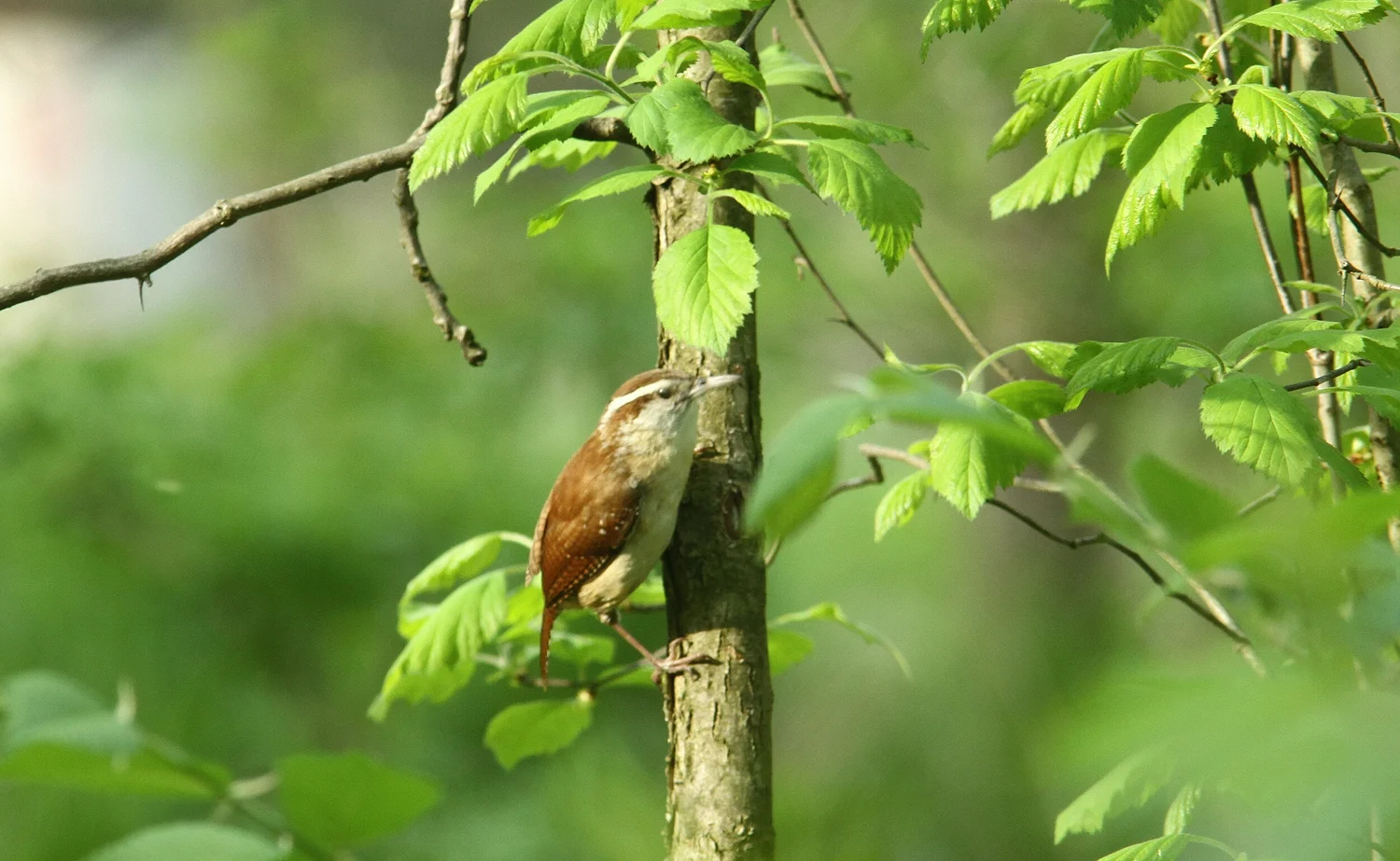
Have you ever wondered how many birds call Des Plaines Conservation Area their home? If you love nature and enjoy spotting different bird species, this place might surprise you.
You’re about to discover the variety and number of birds that fill the skies and trees here. By the end of this article, you’ll see why Des Plaines is a must-visit spot for bird watchers and nature lovers like you.
Keep reading to find out what makes this area so special for our feathered friends.
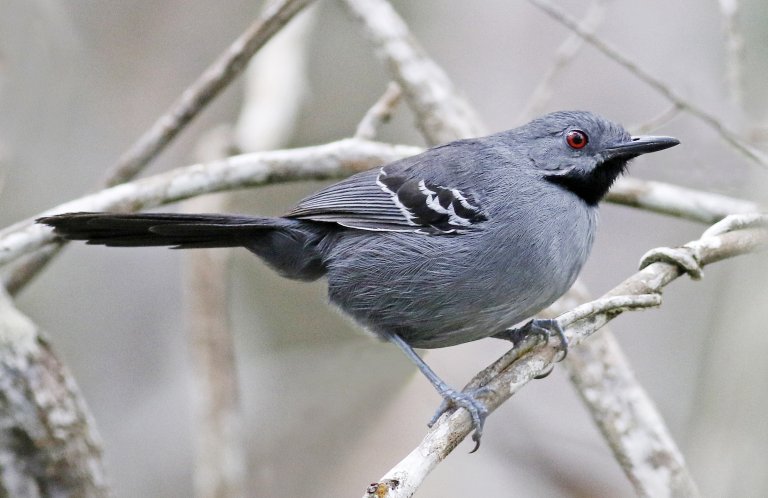
Credit: abcbirds.org
Bird Species Count
The Des Plaines Conservation Area is a haven for bird enthusiasts. This natural area boasts a rich variety of bird species. It attracts both common and rare birds throughout the year. Visitors can observe diverse avian life here. The bird species count is impressive and ever-changing. Let’s dive into the types of birds you might encounter.
Common Birds
Many birds call Des Plaines Conservation Area home. These include familiar species like robins and sparrows. Blue jays and cardinals are also frequent visitors. Woodpeckers add rhythmic sounds to the forested areas. These birds can be seen year-round.
Rare Sightings
Some rare birds also visit this area. Bird watchers might spot the elusive cerulean warbler. The American bittern occasionally makes an appearance. These sightings thrill bird enthusiasts and add excitement to visits.
Migratory Patterns
The area is part of a major migratory route. Each spring and fall, flocks of birds pass through. Waterfowl like ducks and geese are common during these times. Warblers and other songbirds migrate in large numbers. This offers unique bird-watching opportunities.
Best Birdwatching Spots
The Des Plaines Conservation Area offers many excellent spots for birdwatching. These locations provide clear views and a chance to see various bird species. Visitors can enjoy nature in peaceful surroundings. Each spot has unique features that attract different birds. Exploring multiple areas increases the chance of spotting rare birds.
Top Viewing Areas
- Willow Point:Open fields and water attract waterfowl and songbirds.
- Oak Grove Trail:Dense trees create a home for woodpeckers and owls.
- Wetland Boardwalk:A raised path over marshes ideal for spotting herons and ducks.
- East Lookout Hill:Elevated views help spot raptors and soaring birds.
- North Meadow:Wide open space perfect for watching sparrows and finches.
Seasonal Hotspots
Bird activity changes with the seasons at Des Plaines. Some areas become more popular during migration.
- Spring:Willow Point fills with warblers and thrushes passing through.
- Summer:Oak Grove Trail has nesting songbirds and young birds learning to fly.
- Fall:East Lookout Hill attracts hawks and falcons hunting before winter.
- Winter:Wetland Boardwalk hosts waterfowl that stay through cold months.
Birding Tips
Birding at Des Plaines Conservation Area can be a rewarding experience if you prepare well. Knowing when to visit, what to bring, and how to capture the moment enhances every outing. Here are some practical tips to help you enjoy birdwatching to the fullest.
Optimal Times
Early mornings offer the best chance to see active birds before the heat of the day sets in. Many species feed and sing at dawn, making it easier to spot and identify them.
Late afternoons can also be productive, especially during migration seasons. Try visiting on weekdays to avoid crowds and enjoy a more peaceful experience.
Gear Recommendations
- Binoculars:Choose lightweight binoculars with a wide field of view. This helps you track fast-moving birds without strain.
- Field Guide:Carry a local bird guidebook or use an app to quickly identify species. It’s a handy tool when you encounter unfamiliar birds.
- Comfortable Footwear:The trails can be uneven, so sturdy shoes will keep you steady and comfortable during long walks.
- Notebook and Pen:Jot down sightings and behaviors. Recording details improves your skills and creates a personal birding journal.
Photography Tips
Use a telephoto lens if you want clear close-ups without disturbing the birds. Patience is key; wait quietly and move slowly to avoid scaring them away.
Early morning light provides soft, natural illumination that enhances colors and details. Avoid using flash as it can startle birds and spoil natural scenes.
Try capturing birds in action—like feeding or flying—to add dynamic interest to your photos. Have you noticed how a simple change in angle can transform a shot?

Credit: www.mdpi.com
Conservation Efforts
The Des Plaines Conservation Area hosts many birds thanks to strong conservation efforts. These efforts focus on keeping the environment safe and healthy for birds. Protecting habitats and involving the community are key parts of this work. These actions help maintain a rich bird population in the area.
Habitat Protection
Protecting natural habitats is vital for bird survival. The conservation area preserves forests, wetlands, and grasslands. These spaces offer food, shelter, and nesting sites for birds. Efforts include controlling invasive plants and restoring native vegetation. Clean water sources are maintained to support aquatic life. These steps create a safe home where birds can thrive year-round.
Community Involvement
Local people play a big role in conservation success. Volunteers help plant trees and remove trash from the area. Educational programs teach about birds and why protection matters. Bird watchers share sightings that help track species health. Events encourage families to enjoy nature and care for it. This teamwork strengthens the bond between people and wildlife.
Visitor Information
Visiting the How Many Birds Des Plaines Conservation Area offers a unique chance to connect with nature and observe a variety of bird species in their natural habitat. To make the most of your visit, knowing the key details about access, available facilities, guided tours, and the rules can enhance your experience. Here’s what you need to know before you go.
Access And Facilities
The conservation area is easily accessible by car, with ample parking spaces near the main entrance. You’ll find well-marked trails that are suitable for all ages and fitness levels, making it easy to navigate the park on foot.
Facilities include clean restrooms, picnic areas with tables, and several birdwatching stations equipped with benches and informational signs. These amenities provide a comfortable and educational environment for visitors who want to spend several hours exploring.
Guided Tours
Guided tours are offered regularly, led by experienced naturalists who share insights about the local bird species and conservation efforts. These tours are especially helpful if you want to learn how to identify birds by their calls and behaviors.
Booking ahead is recommended since tour spots fill quickly during peak birdwatching seasons. Have you ever noticed how much more you appreciate nature when an expert points out subtle details you might miss on your own?
Rules And Regulations
To protect the wildlife and preserve the natural environment, visitors must follow specific rules. Staying on designated trails and keeping noise to a minimum are essential to avoid disturbing the birds.
Feeding birds or bringing pets is not allowed, as this can disrupt their natural habits. Respecting these guidelines helps ensure that the conservation area remains a safe haven for birds and an enjoyable place for visitors like you.
Credit: chicagobirdalliance.org
Frequently Asked Questions
How Many Bird Species Are In Des Plaines Conservation Area?
Des Plaines Conservation Area hosts over 150 bird species throughout the year. It is a popular spot for birdwatchers and nature enthusiasts due to this rich diversity.
What Types Of Birds Can Be Seen At Des Plaines?
Visitors can see waterfowl, songbirds, raptors, and migratory birds. Common species include ducks, hawks, warblers, and woodpeckers.
When Is The Best Time To Birdwatch At Des Plaines?
Spring and fall are peak migration seasons, offering the best birdwatching opportunities. Early mornings during these seasons provide the most bird activity.
Are There Guided Birdwatching Tours Available?
Yes, Des Plaines Conservation Area offers guided birdwatching tours seasonally. These tours enhance the experience with expert knowledge and spotting tips.
Conclusion
Des Plaines Conservation Area hosts many bird species all year round. Visitors can spot different birds in various seasons. Birdwatchers enjoy peaceful walks and great views here. The area supports nature and helps protect bird habitats. Spending time here connects you with wildlife closely.
It’s a perfect place for families and nature lovers. Keep your eyes open to see rare birds sometimes. A visit offers learning and fun for everyone. Bird counts may change, but the beauty stays constant. Des Plaines remains a special spot for bird lovers.