
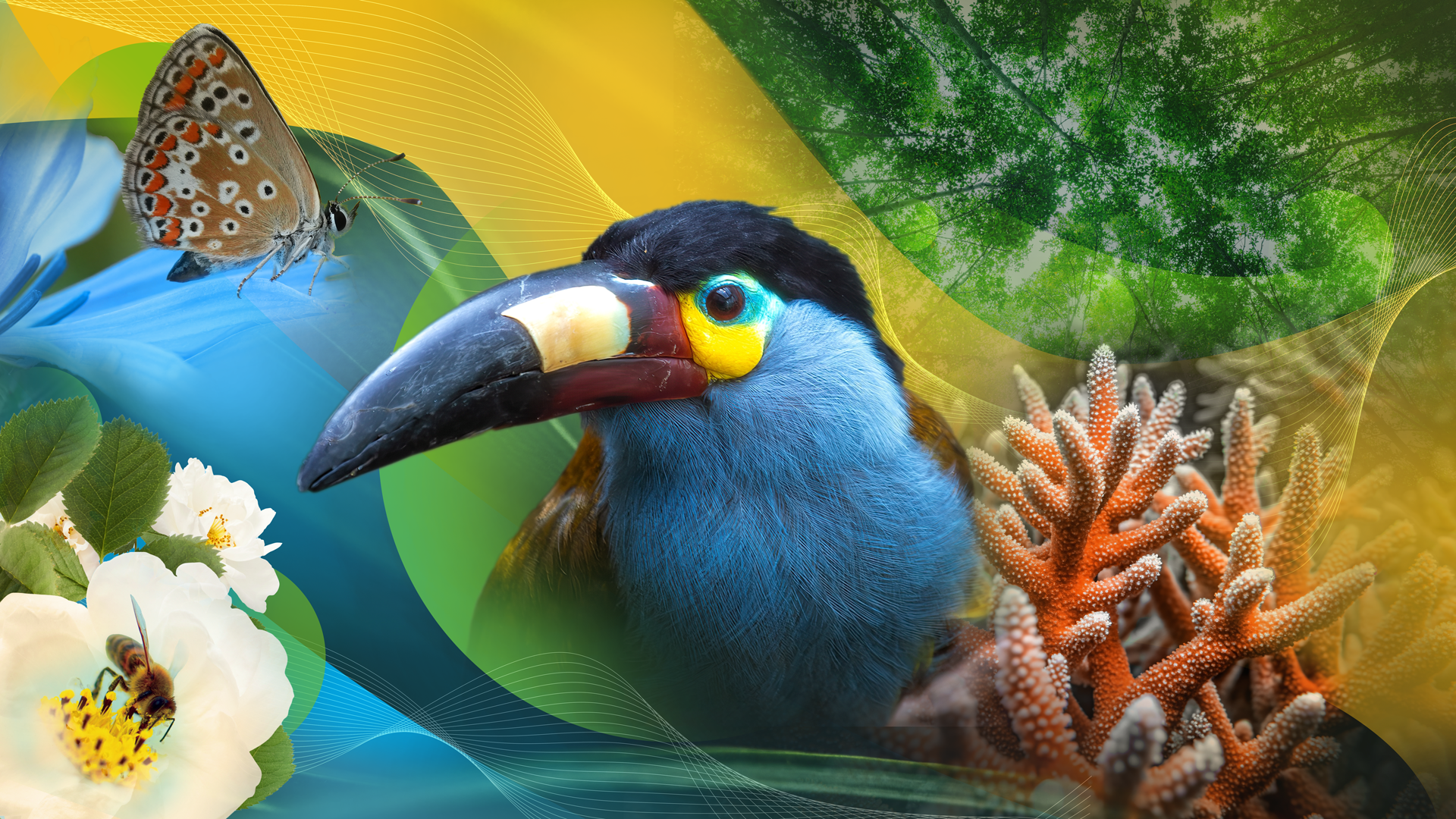
Have you ever wondered how your everyday choices can protect birds, fishes, and other animals? The truth is, the way you live matters more than you think.
By learning simple and effective ways to conserve wildlife, you can make a real difference. Imagine a world where colorful birds sing freely, vibrant fishes swim in clean waters, and animals thrive safely in their homes. This article will show you exactly how to help create that world—step by step, in easy-to-follow ways.
Keep reading, because your actions today can shape a better tomorrow for all living creatures.

Credit: www.wildlifenomads.com
Threats To Wildlife
Wildlife around us faces many dangers that threaten their survival every day. Understanding these threats helps you see why protecting birds, fishes, and other animals matters. Let’s look closer at the main challenges wildlife encounters and how they affect their lives.
Habitat Loss
Animals need safe places to live, feed, and reproduce. When forests are cut down or wetlands drained, their homes disappear. I once visited a shrinking lake where fish populations dropped sharply because the surrounding trees were cleared for farming.
Without habitat, wildlife cannot survive. You can help by supporting efforts that protect natural areas and restore damaged habitats. Think about the last time you enjoyed a park or natural reserve—how would you feel if it vanished?
Pollution Impact
Pollution poisons air, water, and soil, harming animals directly and indirectly. Plastic waste in oceans traps turtles and birds, while chemicals in rivers kill fish and disrupt ecosystems. I’ve seen birds struggle with oil-covered feathers after spills, making it hard for them to fly or stay warm.
Reducing waste and using eco-friendly products lowers pollution. You can make a difference by properly disposing of trash and supporting clean-up drives. What small change in your daily routine could cut pollution where you live?
Climate Change Effects
Changing temperatures and weather patterns force wildlife to adapt or move. Some birds arrive earlier in spring, while fish might shift to cooler waters. I noticed fewer frogs near my local pond because droughts dried up their breeding grounds.
Climate change disrupts food chains and breeding cycles. You can help by conserving energy and backing policies that reduce greenhouse gas emissions. How would your local wildlife change if the climate stayed stable?
Overexploitation
Hunting, fishing, and collecting animals faster than they can reproduce shrinks populations. Overfishing has led to the collapse of some fish species, and illegal wildlife trade threatens many birds and mammals. I heard about communities losing their native bird species because of unregulated trapping.
Supporting sustainable practices and wildlife protection laws can curb overexploitation. You can avoid products made from endangered animals and promote responsible tourism. Could your choices today protect a species for tomorrow?
Habitat Protection
Protecting habitats is essential to conserve birds, fishes, and other animals. Habitats provide food, shelter, and breeding places. Without safe habitats, wildlife cannot survive or thrive. Conservation efforts that focus on habitats help maintain healthy ecosystems and biodiversity. Small actions in habitat protection can lead to big positive changes for many species.
Establishing Reserves
Creating protected areas limits human activities that harm wildlife. Reserves offer safe zones where animals live freely. These areas reduce habitat destruction and pollution. Reserves also help endangered species recover their populations. Governments and communities can work together to set up these safe spaces.
Restoring Ecosystems
Damaged habitats need restoration to support wildlife again. Planting native trees and removing invasive species improve ecosystems. Clean water bodies help fish and birds thrive. Restoration efforts rebuild natural food chains and shelter. Volunteers and experts often join forces for ecosystem recovery projects.
Sustainable Land Use
Using land wisely prevents habitat loss and fragmentation. Farming and development should avoid sensitive wildlife areas. Practices like crop rotation and reduced pesticide use protect habitats. Urban planning can include green spaces for animals. Sustainable land use balances human needs with nature’s health.
Pollution Control
Pollution control plays a vital role in protecting birds, fishes, and other animals. Pollution harms their habitats and health. Controlling pollution helps keep ecosystems balanced and safe. Simple actions can reduce pollution and support wildlife survival.
Reducing Plastic Waste
Plastic waste is a major threat to wildlife. Animals can get trapped or eat plastic, causing injury or death. Reducing plastic use lowers this risk.
- Use reusable bags and containers.
- Recycle plastics properly.
- Avoid single-use plastics like straws and bottles.
Proper disposal of plastic waste keeps environments clean and safe for animals.
Managing Water Quality
Clean water is essential for fish and many animals. Polluted water harms aquatic life and birds depending on these sources.
- Prevent dumping waste into rivers and lakes.
- Use natural filters like plants to clean water.
- Support local efforts to monitor water quality.
Maintaining water quality protects food sources and habitats for many species.
Limiting Chemical Use
Chemicals from farms and homes can poison animals and damage ecosystems. Reducing chemical use lowers pollution risks.
- Choose organic or natural pest control methods.
- Use fertilizers sparingly and follow instructions.
- Dispose of chemicals safely and avoid spills.
Limiting chemicals helps keep soil, water, and air safe for wildlife.
Sustainable Fishing And Hunting
Protecting birds, fish, and other animals requires careful fishing and hunting practices. Limiting catches and respecting seasons helps keep wildlife populations healthy. Using eco-friendly methods reduces harm to their habitats and supports long-term survival.
Sustainable fishing and hunting practices are vital for preserving wildlife. They ensure that natural resources are available for future generations. By adopting responsible methods, we can protect birds, fish, and other animals.Regulating Harvest Levels
Setting limits on how many animals can be hunted or fished is crucial. These limits prevent overharvesting and help maintain a balanced ecosystem. Governments and organizations often set these limits based on scientific research. They assess population sizes and reproduction rates to decide sustainable levels. This regulation helps protect species from becoming endangered.Promoting Catch And Release
Catch and release is a method that allows fish to be caught and then returned to the water. This practice helps in maintaining fish populations. Anglers enjoy fishing without depleting the species. It is essential to handle fish carefully to ensure their survival after release. Using barbless hooks and wetting hands before touching fish can minimize harm. Educational programs can teach anglers about proper catch and release techniques.Supporting Alternative Livelihoods
Providing alternative livelihoods can reduce reliance on hunting and fishing. Communities can explore eco-tourism or aquaculture as sustainable options. These alternatives offer income while conserving wildlife. Governments and NGOs can support training programs for these new opportunities. By diversifying income sources, communities can thrive without harming animal populations. This approach also promotes community involvement in conservation efforts.Community Involvement
Community involvement plays a vital role in protecting birds, fishes, and other animals. Local people have the power to make a big difference. Their actions can help preserve natural habitats and improve animal welfare. Communities that care create safer environments for wildlife. Everyone benefits from a healthy, thriving ecosystem.
Educating Locals
Teaching people about local wildlife encourages respect and care. Simple workshops and talks can raise awareness. Schools and community centers are great places for education. Sharing facts about animals helps reduce harmful behaviors. Educated communities often lead local conservation efforts.
Engaging Citizen Scientists
Citizen scientists help track animal populations and habitats. They collect important data through observations and reports. These activities connect people directly with nature. Volunteers gain knowledge and a sense of purpose. Scientists use this information to plan better protections.
Supporting Conservation Groups
Conservation groups work hard to save wildlife and habitats. Communities can support these groups by volunteering time or donating funds. Local events often promote conservation causes. Working together increases the impact of efforts. Supporting groups builds a strong network for animal protection.

Credit: deepmind.google
Policy And Legislation
Effective conservation of birds, fishes, and other animals depends heavily on strong policy and legislation. Laws set the framework to protect wildlife habitats, prevent illegal trade, and promote sustainable practices. Without clear rules and enforcement, efforts to save species often fall short, no matter how passionate you are.
Enforcing Wildlife Laws
Having wildlife protection laws on paper is not enough; enforcement is key. You might be surprised how many areas suffer from weak law enforcement, which allows poaching and illegal fishing to continue unchecked.
Supporting local authorities with resources and training helps curb these activities. Community involvement also plays a role—when people understand the rules and see their benefits, compliance improves.
Think about your own neighborhood: could stronger enforcement protect local bird populations or prevent harmful fishing practices? Your voice can push for better policing and monitoring efforts.
International Cooperation
Animals don’t recognize borders, which makes international cooperation essential. Agreements like CITES help regulate trade in endangered species worldwide, reducing illegal trafficking.
Countries sharing information and resources create a united front against threats like habitat destruction and climate change. This cooperation can turn the tide for migratory birds and fish populations that cross multiple countries.
Have you ever wondered how a bird you see in your garden might be connected to efforts thousands of miles away? Supporting global conservation initiatives amplifies your impact.
Incentives For Conservation
Policies that reward conservation efforts encourage individuals and businesses to protect wildlife. Financial incentives, such as tax breaks or grants for habitat restoration, make a real difference.
Some governments offer payments to landowners who maintain natural habitats or adopt sustainable fishing practices. These incentives turn conservation from a burden into an opportunity.
Imagine if your community received support for planting native trees that attract birds or for creating fish-friendly waterways. Would you participate knowing there’s a direct benefit?
Monitoring And Research
Monitoring and research are the backbone of conserving birds, fishes, and other animals effectively. Without knowing how populations change or how ecosystems respond, efforts can miss the mark or even cause harm. Gathering accurate data helps you make smarter choices and adjust your actions to protect wildlife better.
Tracking Populations
Keeping an eye on animal populations tells you if a species is thriving or struggling. Techniques like tagging birds or using underwater cameras for fish reveal movement patterns and breeding success. Have you ever wondered how scientists know if a bird species is declining before it vanishes? Regular population checks help spot those early warning signs.
- Use GPS trackers to follow migration routes.
- Count nests or fish schools seasonally.
- Engage citizen scientists to collect local data.
Studying Ecosystem Health
Animals depend on healthy environments to survive. Testing water quality, plant diversity, and food availability shows how well an ecosystem supports wildlife. Observing changes in these factors can explain why some species increase while others disappear. Can you imagine trying to save a fish without knowing if its water is clean?
| Indicator | What It Shows | Why It Matters |
|---|---|---|
| Water pH and clarity | Quality of aquatic habitat | Fish health and breeding success |
| Plant diversity | Habitat complexity | Food and shelter for birds and insects |
| Insect population | Food availability | Supports birds and small mammals |
Adapting Strategies
Research reveals what works and what doesn’t, so you can tweak your conservation plans. If a certain habitat restoration isn’t helping a bird species, changing the plants or water management might make a difference. Have you adjusted a plan after noticing unexpected results? Flexibility is key to real progress.
- Use data to update protection zones or breeding programs.
- Test new methods on small areas before expanding.
- Collaborate with local communities for feedback and support.

Credit: www.wildlifenomads.com
Frequently Asked Questions
How Can I Help Conserve Birds And Fishes?
You can conserve birds and fishes by protecting their habitats and reducing pollution. Avoid using harmful chemicals and support local conservation efforts. Plant native trees and create safe spaces for wildlife to thrive. Always follow sustainable fishing and bird-watching practices to minimize disturbance.
Why Is Conserving Animals Important For Ecosystems?
Conserving animals maintains ecosystem balance and biodiversity. Animals help control pests, pollinate plants, and recycle nutrients. Loss of species disrupts food chains and weakens natural resilience. Protecting wildlife ensures healthy environments for humans and future generations.
What Are Simple Ways To Protect Wildlife At Home?
Create bird feeders, birdbaths, and fish-friendly ponds in your yard. Avoid pesticides and use organic gardening methods. Reduce waste and recycle to minimize pollution. Support wildlife-friendly products and educate others on conservation’s importance.
How Does Pollution Affect Birds, Fishes, And Animals?
Pollution contaminates water, air, and soil, harming wildlife health. Chemicals can poison animals, reduce breeding success, and degrade habitats. Plastic waste causes injury and death in marine life. Reducing pollution helps protect all living creatures.
Conclusion
Protecting birds, fishes, and animals helps keep nature balanced. Small actions like saving water and reducing waste matter. Plant trees and avoid using harmful chemicals near habitats. Respect wildlife by not disturbing their homes or food. Everyone can help by learning and sharing these simple steps.
Together, we create a safer world for all creatures. Keep caring, stay aware, and make a difference every day. Nature depends on us to act now.