
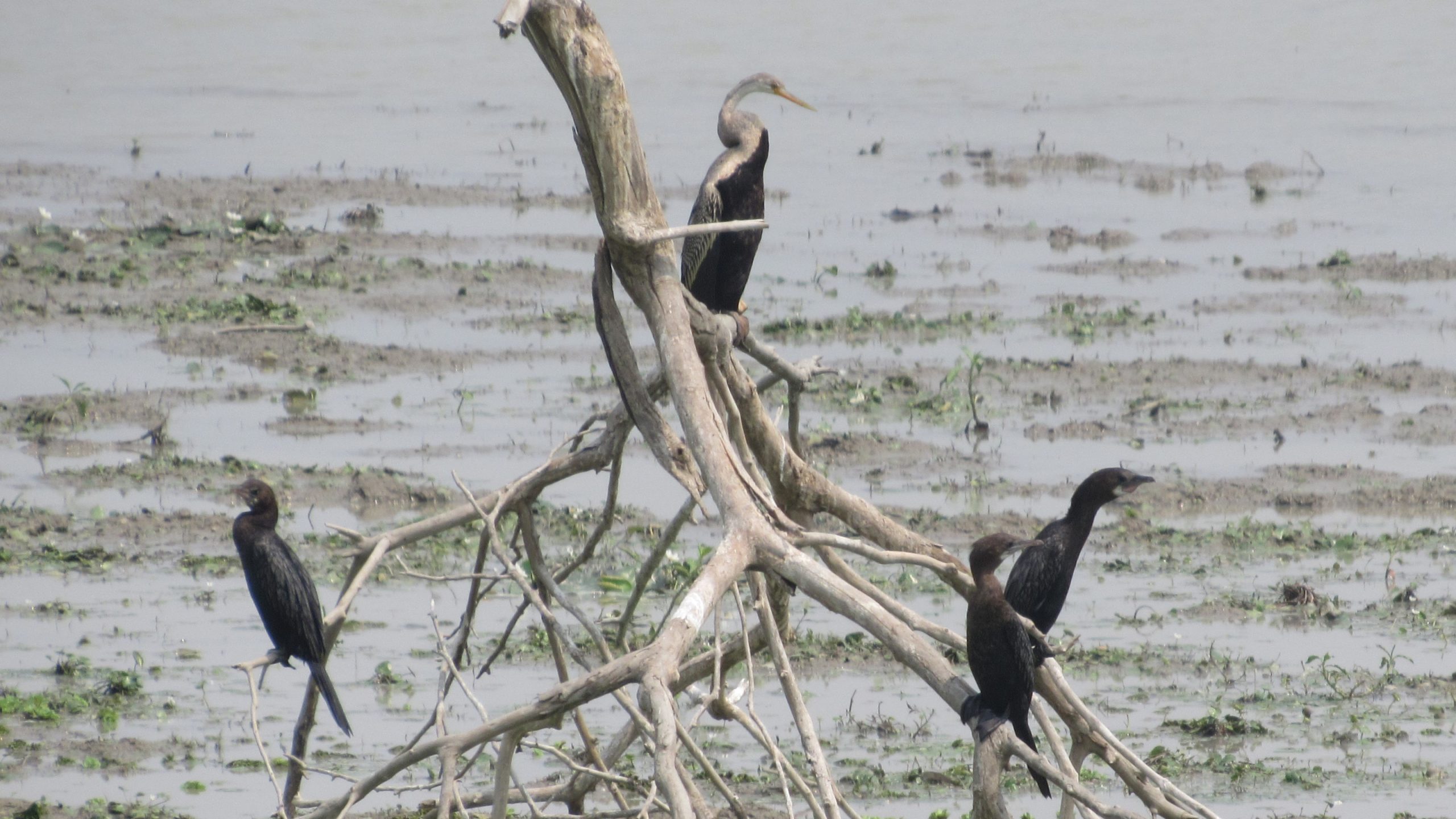
Have you ever stopped to listen to the sweet songs of birds around you? These beautiful creatures add color and life to your surroundings.
But did you know many bird species in India are facing serious threats? If you care about nature and want to make a real difference, this article is for you. You’ll discover simple, effective ways to help protect and conserve birds right where you live.
Keep reading to learn how your actions can save these amazing birds and keep your environment vibrant for years to come.

Credit: www.newindianexpress.com
Bird Species In India
Protecting bird habitats and planting native trees help conserve many bird species in India. Reducing pollution and avoiding hunting also support their survival. Creating safe spaces encourages birds to thrive and keeps nature balanced.
India is a paradise for bird lovers. With over 1,300 species, it offers a rich tapestry of avian life. Each region of India showcases unique bird species, captivating bird watchers and nature enthusiasts alike. From vibrant peacocks to the majestic Great Indian Bustard, India’s bird diversity is vast and varied.Common And Endangered Birds
India hosts a wide range of bird species. Common ones include the House Sparrow, Indian Robin, and the Indian Peafowl. Many are familiar sights in urban and rural areas. Yet, some species face threats. The Great Indian Bustard and the Bengal Florican are critically endangered. Habitat loss and hunting endanger their survival. Conservation efforts are crucial to protect these precious birds.Bird Habitats And Migration
India’s diverse habitats support a multitude of bird species. From dense forests to coastal wetlands, each habitat hosts unique bird communities. The Western Ghats and the Sundarbans are rich in avian life. Many birds migrate to India during winter. The Siberian Crane and Amur Falcon travel thousands of miles. They visit Indian wetlands and forests, adding to the country’s avian diversity. Protecting these habitats ensures the continued presence of these migratory wonders.Threats To Birds
Birds in India face multiple threats that jeopardize their survival and the balance of ecosystems. Understanding these threats is crucial for anyone who cares about protecting these beautiful creatures. You might be surprised by how everyday activities contribute to their decline.
Habitat Loss And Deforestation
Rapid urbanization and agricultural expansion have drastically reduced the natural habitats of many bird species. Forests that once provided shelter and food are disappearing at an alarming rate. When trees are cut down, birds lose their nesting sites and safe places to raise their young.
Have you ever noticed fewer birds in your neighborhood after a construction project? That’s a small glimpse into the larger issue of habitat destruction affecting countless species across India. Protecting green spaces and supporting reforestation efforts can make a big difference.
Pollution And Pesticides
Pollution from factories, vehicles, and waste threatens birds directly and indirectly. Chemicals in water and air can poison birds or reduce the insects and plants they rely on for food. Pesticides, especially, can be deadly. Birds that feed on insects exposed to these chemicals often suffer from poisoning or reproductive problems.
Think about the food chain: if insects are contaminated, the birds that eat them are at risk too. You can help by advocating for eco-friendly farming practices and reducing plastic use, which often ends up polluting natural habitats.
Hunting And Poaching
Illegal hunting and poaching still threaten many bird species in India, including some that are already endangered. Birds are hunted for food, feathers, or the pet trade. This not only reduces their populations but also disrupts local ecosystems.
Have you encountered cases of illegal bird trapping in your area? Reporting these activities and supporting wildlife protection laws helps curb this threat. Your awareness and action are vital in stopping the decline caused by hunting and poaching.
Habitat Preservation
Habitat preservation is key to conserving bird populations in India. Birds depend on specific environments to feed, breed, and thrive. Losing these habitats means losing the very spaces that support their survival.
Protecting Forests And Wetlands
Forests and wetlands are home to a vast number of bird species. Protecting these areas means you are maintaining the natural balance essential for birds to find food and shelter.
You can support local efforts to stop illegal logging and land clearing. Joining community groups focused on forest conservation can amplify your impact.
Wetlands, often overlooked, serve as crucial stopover points for migratory birds. Have you ever noticed how many birds gather near lakes and marshes during migration season? These areas must be kept clean and free from pollution.
Creating Bird Sanctuaries
Designating specific areas as bird sanctuaries creates safe zones where birds can live without disturbance. These sanctuaries often become biodiversity hotspots and attract eco-tourists, which helps fund further conservation.
Local communities can play a big role here by participating in sanctuary upkeep and monitoring. Have you thought about volunteering in a nearby bird sanctuary? Your time can make a real difference.
Sanctuaries also provide educational opportunities, helping people learn about the importance of birds and their habitats. When people understand the value, they are more likely to protect these areas.
Community Involvement
Community involvement plays a key role in conserving birds in India. Local people live close to bird habitats and understand the environment well. Their participation helps protect these areas and the species that depend on them. Awareness and education create a sense of responsibility and pride among communities.
Engaging local people turns conservation into a shared goal. It encourages sustainable practices and builds long-term support. Communities can monitor bird populations and report threats. Their involvement boosts conservation success and improves the quality of life around them.
Engaging Local Communities
Local communities hold valuable knowledge about birds and habitats. Training them as bird guides and conservation volunteers makes a big difference. Workshops and meetings help spread awareness about bird protection. Schools and youth groups can join activities to learn and help.
Simple actions can protect bird habitats, such as:
- Planting native trees and shrubs
- Reducing use of pesticides and chemicals
- Keeping water sources clean and safe
- Protecting nesting sites from disturbance
Communities working together can stop illegal hunting and trapping. Sharing success stories motivates others to join. Respect for nature grows with active community roles in conservation.
Promoting Eco-tourism
Eco-tourism supports bird conservation by linking nature with local income. It offers jobs as guides, hosts, and service providers. Tourists learn about birds and the need to protect them. This creates respect for wildlife and natural areas.
Eco-tourism benefits include:
- Raising funds for conservation projects
- Encouraging habitat preservation
- Reducing harmful land use changes
- Building pride in local natural heritage
Communities benefit directly by managing eco-tourism responsibly. Clear rules protect birds and their habitats. Visitors enjoy peaceful birdwatching experiences. This balance helps conserve birds and supports local people.
Legal Measures
Legal measures play a vital role in protecting birds across India. Laws help prevent harm and encourage safe habitats. Strong rules create a safer environment for birds to live and breed. These laws also raise awareness among people about bird conservation.
Wildlife Protection Laws
India has strict laws to protect birds and other wildlife. The Wildlife Protection Act, 1972 is the main law. It bans hunting, capturing, and trading of many bird species. Some birds have special protection as endangered species. The law also sets rules for bird sanctuaries and reserves. Breaking these laws can lead to heavy fines and jail time.
Enforcement And Monitoring
Enforcement is key to making laws effective. Forest and wildlife officers patrol protected areas to stop illegal activities. They monitor bird populations and habitats regularly. Technology like drones and cameras helps track poachers. Local communities are involved in reporting violations. Strong enforcement reduces bird poaching and habitat destruction.

Credit: astrozon.in
Bird-friendly Practices
Bird-friendly practices help protect and support bird life in India. Small actions create safe spaces for birds. These practices encourage healthy bird populations and help nature thrive near homes and communities.
Setting Up Bird Feeders And Nesting Boxes
Bird feeders provide food during dry or cold seasons. Use local seeds and grains to attract native birds. Place feeders in quiet, shaded spots to keep birds safe from predators.
Nesting boxes offer birds a secure place to lay eggs. Choose boxes made from natural materials like wood. Install them at different heights to suit various bird species.
- Clean feeders and boxes regularly to prevent disease.
- Position boxes away from busy areas and strong winds.
- Ensure feeders have fresh water nearby for drinking and bathing.
Avoiding Harmful Chemicals
Many pesticides and fertilizers harm birds directly or destroy their food sources. Use natural pest control methods instead. Plant native flowers and shrubs that attract insects birds eat.
Choose organic compost and natural fertilizers to keep soil healthy. Reduce chemical use in gardens and farms. This creates a safer environment for birds and other wildlife.
Education And Awareness
Education and awareness play a vital role in conserving birds in India. People need to understand the importance of birds in nature. Teaching about birds helps communities protect their habitats. Awareness leads to better choices that support bird survival.
School And Community Programs
Schools can include lessons about local birds and their habits. Outdoor activities like bird watching create interest among children. Community groups can organize workshops and talks on bird protection. These programs encourage respect and care for birds in daily life.
Simple actions taught in schools and communities can make a big impact. For example:
- Planting native trees for bird homes
- Keeping water sources clean
- Reducing use of harmful pesticides
Such programs build a strong connection between people and nature.
Using Media For Outreach
Media helps spread bird conservation messages to many people fast. Social media posts, videos, and articles reach urban and rural audiences alike. Visual stories about birds attract attention and inspire action.
Radio and local TV can broadcast bird calls and facts. This creates curiosity and love for birds. Simple guides on protecting birds can be shared widely through media.
Effective media outreach includes:
- Sharing success stories of bird conservation
- Highlighting threats like habitat loss and pollution
- Inviting public participation in bird counts and events
Media connects people, making bird conservation a shared goal.

Credit: www.hindustantimes.com
Research And Conservation Efforts
Research and conservation efforts form the backbone of protecting bird species in India. Understanding bird populations and their habitats helps you make smarter decisions about conservation priorities. You can contribute to these efforts by staying informed and supporting ongoing projects.
Bird Population Monitoring
Tracking bird populations helps reveal trends that indicate the health of ecosystems. Regular monitoring can alert you to species that are declining and need urgent attention. Citizen science programs, like bird counts and reporting sightings, allow you to play an active role in gathering valuable data.
Technologies such as GPS tracking and drones have improved the accuracy of monitoring efforts. These tools help researchers map migration patterns and nesting sites in ways that were not possible before. Have you ever participated in a local bird survey? It’s a simple way to contribute to important research.
Collaborative Conservation Projects
Conservation in India often involves partnerships between government bodies, NGOs, and local communities. These collaborations combine knowledge, resources, and manpower to protect bird habitats effectively. When communities are involved, conservation efforts become sustainable and respectful of local needs.
Projects like the protection of the Great Indian Bustard habitat demonstrate how teamwork can lead to real progress. They include habitat restoration, anti-poaching patrols, and awareness campaigns. What local conservation projects can you support or initiate in your area?
Frequently Asked Questions
What Are The Main Threats To Birds In India?
Habitat loss, pollution, hunting, and climate change are key threats. Urbanization reduces nesting areas. Pesticides poison birds. Illegal trade and deforestation also harm bird populations across India.
How Can Individuals Help Conserve Birds In India?
Individuals can plant native trees, avoid pesticides, and create bird-friendly gardens. Participating in local conservation groups and reporting illegal activities also helps protect birds effectively.
Which Habitats Are Crucial For Bird Conservation In India?
Wetlands, forests, grasslands, and mangroves are vital bird habitats. Preserving these areas ensures food, shelter, and breeding grounds for diverse bird species in India.
Why Is Bird Conservation Important For India’s Ecosystem?
Birds control pests, pollinate plants, and disperse seeds. They maintain ecological balance and support biodiversity, crucial for healthy ecosystems and sustainable agriculture in India.
Conclusion
Saving birds in India needs effort from everyone. Protect their homes by planting trees and keeping areas clean. Avoid using harmful chemicals near bird habitats. Support local groups that work to save birds. Teach others why birds matter. Small steps make big changes over time.
Together, we can keep India’s birds safe and thriving. Every bird counts. Every action helps. Let’s act now for a better future.