
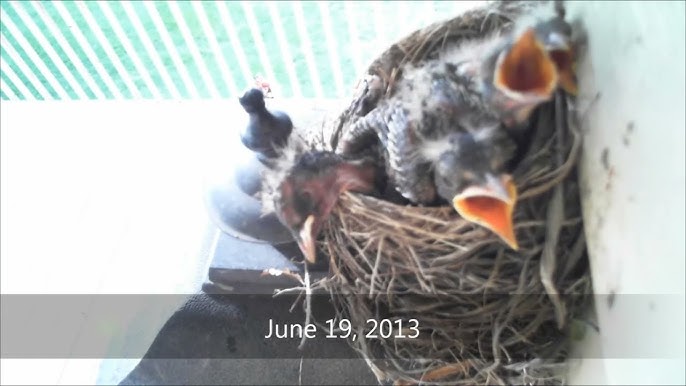
Finding a baby bird that has fallen from its nest can be a heart-wrenching experience. You want to help, but you might not know what to do or how to feed such a tiny, fragile creature.
If you act quickly and correctly, you can make a huge difference in that little bird’s chance of survival. You’ll discover simple, step-by-step advice on how to safely feed a baby bird and give it the best chance to grow strong and healthy.
Keep reading—you might just become the bird’s unexpected hero.
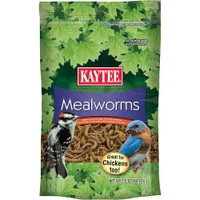
Credit: www.petsradar.com
Recognizing A Fallen Baby Bird
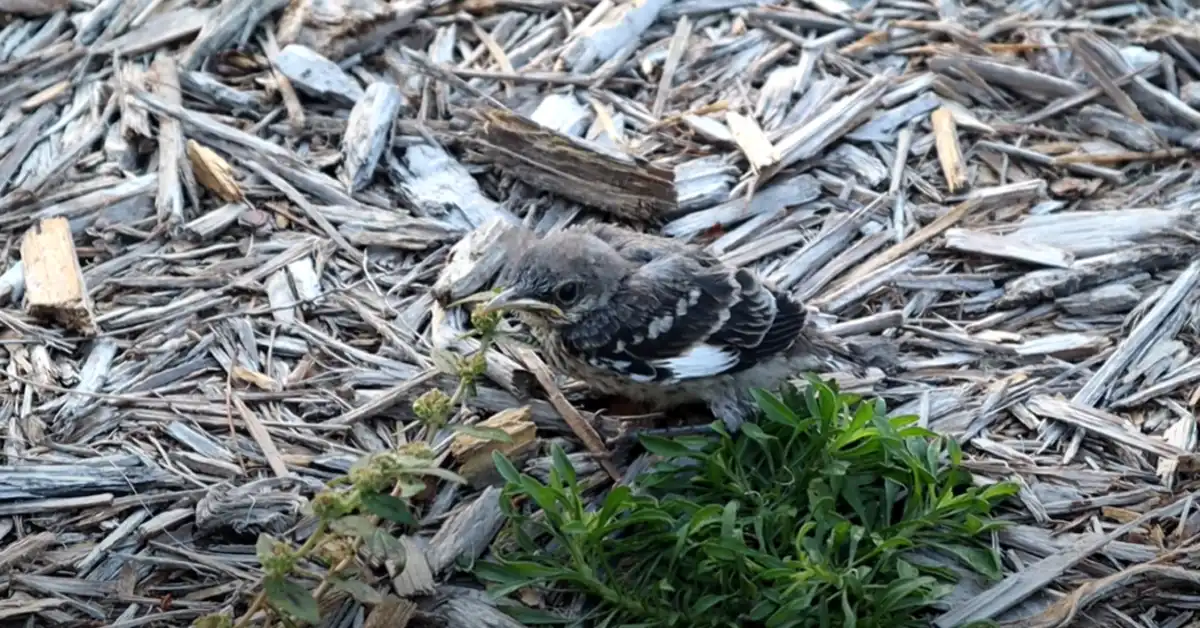
Finding a baby bird on the ground can be worrying. Knowing how to recognize a fallen baby bird is important. It helps decide if the bird needs help or should be left alone. Baby birds look different from adults. They may have soft feathers or no feathers at all. Understanding these signs helps protect the bird’s chance to survive.
Signs The Bird Needs Help
- Bird is cold or feels limp to touch
- Feathers are dirty, wet, or missing
- Bird stays in one place and does not move much
- Visible injuries like bleeding or broken wings
- Bird is weak and does not try to stand or fly
- Parents are not seen nearby after watching for an hour
Birds that show these signs often need care. They might be too young or hurt. Safe handling and feeding can save them.
Common Bird Species Found On The Ground
| Bird Species | Appearance | Typical Nesting Location |
|---|---|---|
| American Robin | Fuzzy gray or orange with soft feathers | Trees, shrubs, and building ledges |
| House Sparrow | Small, brown with streaks, soft down feathers | Roofs, vents, and shrubs |
| Blue Jay | Blue and white, fluffy feathers | Trees and tall shrubs |
| Mourning Dove | Grayish, soft feathers, small | Trees, ledges, and ground nests |
Recognizing these common species helps you understand the baby bird’s needs. Each species may require different care and feeding methods.
Credit: www.earthofbirds.com
Assessing The Baby Bird’s Condition
Before you feed a baby bird that has fallen from its nest, it’s crucial to carefully assess its condition. This helps you decide the best way to help and avoid causing more harm. Taking the time to understand the bird’s health and situation can make a big difference in its chances of survival.
Checking For Injuries
Gently examine the bird for visible injuries like cuts, bleeding, or broken wings. Look for signs of weakness such as inability to move or abnormal posture. If the bird is shivering or unresponsive, these could be signs of shock or serious harm.
Use a soft cloth to hold the bird carefully, avoiding pressure on its chest, so you don’t restrict its breathing. If you notice any injuries, contact a wildlife rehabilitator immediately. Acting fast could save the bird’s life.
Determining If The Bird Is Orphaned
Sometimes, baby birds leave the nest before they can fly and are not actually abandoned. Watch from a distance for an hour or two to see if the parents return with food. Parents often keep feeding fledglings on the ground while they learn to fly.
If no parent appears and the bird is cold or hungry, it might truly be orphaned. In that case, you’ll need to step in to provide care. Have you observed the parents’ behavior carefully enough to be sure? This patience can prevent unnecessary rescue attempts.
Preparing For Feeding
Preparing to feed a baby bird that fell from its nest requires careful planning. The right supplies and tools ensure the bird stays safe and healthy. Preparation helps you avoid mistakes during feeding and keeps the bird comfortable.
Gathering the necessary items before feeding begins makes the process smoother. The proper tools help deliver food gently and in the right amount. This section guides you on what to collect and how to choose feeding tools.
Gathering Appropriate Supplies
- Soft cloth or paper towels for a clean feeding area
- Warm water to prepare food or clean tools
- Bird formula or suitable food based on bird species
- Small container for mixing food
- Heating pad or warm surface to keep the bird cozy
- Gloves to protect yourself and the bird
Choosing The Right Feeding Tools
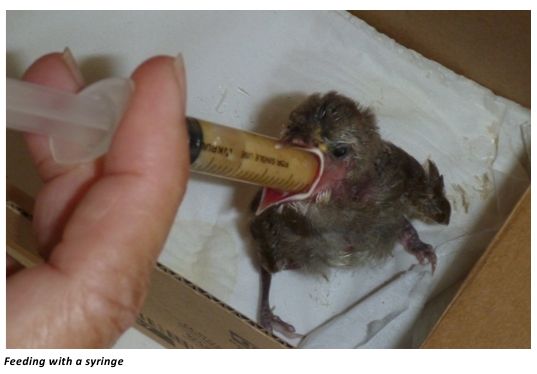
- Small syringe without needle for controlled feeding
- Dropper for tiny birds or delicate feeding
- Soft, small spoon if syringe or dropper is unavailable
- Feeding tubes only if trained to use them properly
Select tools that fit the bird’s size and age. Avoid sharp or hard objects that can hurt the baby bird. Soft and gentle tools work best for safe feeding.
Selecting The Best Food
Feeding a baby bird that has fallen from its nest requires careful attention to what you offer. Selecting the right food can make the difference between helping the bird thrive or causing harm. It’s not just about filling the bird’s belly but providing the nutrients it needs for healthy growth and development.
Diet Needs Of Baby Birds
Baby birds have very specific dietary needs depending on their species and age. Most baby birds require a high-protein diet to support rapid growth. Protein sources can include insects, worms, and specially formulated bird foods.
Young birds also need hydration, which they often get from their food. Feeding dry or inappropriate food can lead to dehydration or malnutrition. Understanding what the parent birds feed their chicks gives you a good idea of the right diet.
Safe Food Options To Avoid
Not all foods are safe for baby birds, and some common household items can be harmful. Avoid giving bread, milk, or processed foods as they can cause digestive problems. Bread lacks nutrition and can fill the bird’s stomach without providing energy.
Also, steer clear of seeds or nuts for very young birds, as these can be difficult to swallow and digest. Instead, focus on soft, easily digestible options like soaked dog food, finely chopped hard-boiled eggs, or small insects if you can find them.
Have you ever wondered why wildlife rehabilitators avoid feeding baby birds scraps? It’s because improper food can do more damage than good. Your careful choice of food can truly save a life.
Feeding Techniques
Feeding a baby bird that has fallen from its nest requires gentle care and the right techniques to ensure its survival and growth. You need to handle the bird carefully and offer food in ways that mimic what it would receive in the wild. How you hold the bird and how often you feed it can make a big difference in its recovery.
How To Hold The Bird Safely
Hold the baby bird gently but firmly to prevent it from wriggling and injuring itself. Use one hand to support its body and the other to steady its head if needed. Avoid squeezing its chest since birds breathe by expanding their chest, and pressure can harm them.
Try to keep the bird calm by minimizing sudden movements and loud noises. If the bird feels safe, feeding will be easier for both of you. Have you noticed how a small touch can either soothe or scare a tiny creature? Your gentle hold makes all the difference here.
Proper Feeding Frequency And Amounts
Baby birds need frequent feeding because they burn energy quickly. Usually, feeding every 20 to 30 minutes from dawn until dusk works well for very young birds. Older nestlings may need feeding every 45 minutes to an hour.
Start with small amounts—just enough to fill the bird’s crop without overfeeding. Overfeeding can cause choking or crop issues. A useful trick is to watch the crop: it should feel soft and full, but not hard or swollen.
Keep a close eye on your bird’s hunger signs. Are its beak and throat movements eager or slow? Adjust feeding amounts and timing based on these cues. You’re not just feeding; you’re learning to listen to what the bird needs.
Credit: besgroup.org
Maintaining Hygiene And Safety
Maintaining hygiene and safety is vital when feeding a baby bird that fell from its nest. Cleanliness protects the bird from harmful bacteria and infections. A safe feeding environment supports the bird’s fragile health and growth.
Cleaning Feeding Equipment
Use warm, soapy water to wash feeding tools after every use. Rinse thoroughly to remove all soap traces. Dry the equipment completely before the next feeding. Avoid sharing feeding tools between different birds to stop cross-contamination. Regular cleaning keeps germs away and ensures the bird’s safety.
Preventing Contamination
Wash your hands before and after feeding the baby bird. Use clean cloths or paper towels to wipe spills immediately. Store food in clean, sealed containers to keep it fresh. Do not reuse leftover food from previous feedings. Keep the feeding area clean and dry to prevent mold or bacteria growth.
When To Seek Professional Help
Knowing when to seek professional help is vital for a baby bird’s survival. Some situations need expert care beyond home feeding. Acting fast can save the bird’s life and improve its recovery chances.
Not every fallen bird needs intervention. Watch carefully for serious signs. If unsure, contacting a wildlife expert is the safest choice.
Signs To Contact Wildlife Experts
- The bird is injured or bleeding.
- It cannot stand or move properly.
- The bird is very weak and unresponsive.
- Feathers are missing or damaged badly.
- The bird is cold and shivering.
- It has parasites like ticks or mites.
- The bird is alone for a long time without parents.
- You notice unusual behavior or distress.
Finding A Local Wildlife Rehabilitation Center
Search online using terms like “wildlife rehab near me.” Call local animal shelters or bird sanctuaries for advice. Many centers offer guidance on how to care for the bird until help arrives.
Keep the bird warm and quiet during transport. Use a small box with soft cloth. Avoid feeding unless instructed by experts. The center will provide proper medical care and rehabilitation.
Caring For The Bird Between Feedings
Caring for a baby bird between feedings is just as important as the feeding itself. The time in between meals is when the bird rests, grows, and regains strength. Your attention to the bird’s comfort and health during these moments can make a big difference in its recovery and survival.
Creating A Warm And Safe Environment
Baby birds cannot regulate their body temperature well. You need to keep the bird warm, but avoid overheating. A simple way is to use a soft cloth-lined box with a heating pad set on low underneath half of it. This setup lets the bird move away if it gets too warm.
Make sure the area is quiet and free from pets or loud noises. A stressful environment can cause the bird to become weak. You might notice the bird opening its mouth wide when stressed—this is a sign it needs calm and warmth.
Monitoring Health And Behavior
Watch the baby bird closely between feedings. Healthy birds usually stay quiet and rest, but they should also show some movement and react to gentle touch. If the bird seems lethargic, unresponsive, or has trouble breathing, these are warning signs.
Keep a log of its behavior and feeding times. Noticing changes early can help you make better decisions or get professional help fast. Have you ever considered how a simple observation can save a life?
Frequently Asked Questions
How Do I Safely Feed A Baby Bird Found On The Ground?
Use a small syringe or dropper to feed the baby bird. Provide a mixture of warm water and bird-safe food. Feed slowly to avoid choking and keep the bird warm during feeding.
What Foods Are Best For Feeding A Baby Bird?
Offer soft, protein-rich foods like soaked dog kibble, mealworms, or finely chopped boiled eggs. Avoid milk, bread, or processed foods as they can harm the baby bird.
How Often Should I Feed A Baby Bird That Fell?
Feed the baby bird every 15 to 20 minutes from dawn to dusk. Young birds need frequent feeding for proper growth and hydration.
When Should I Contact A Wildlife Rehabilitator For A Baby Bird?
Contact a rehabilitator if the bird is injured, very weak, or the parents don’t return. Professionals ensure proper care and increase survival chances.
Conclusion
Feeding a baby bird that fell from its nest takes care and patience. Offer small, soft food in tiny amounts often. Keep the bird warm and safe from harm. Avoid giving food that can hurt or choke it. Watch closely for signs of illness or injury.
Contact a wildlife expert if unsure or if the bird needs help. Your gentle care can give the little bird a better chance to grow strong and healthy. Every small action matters in helping a baby bird survive.