
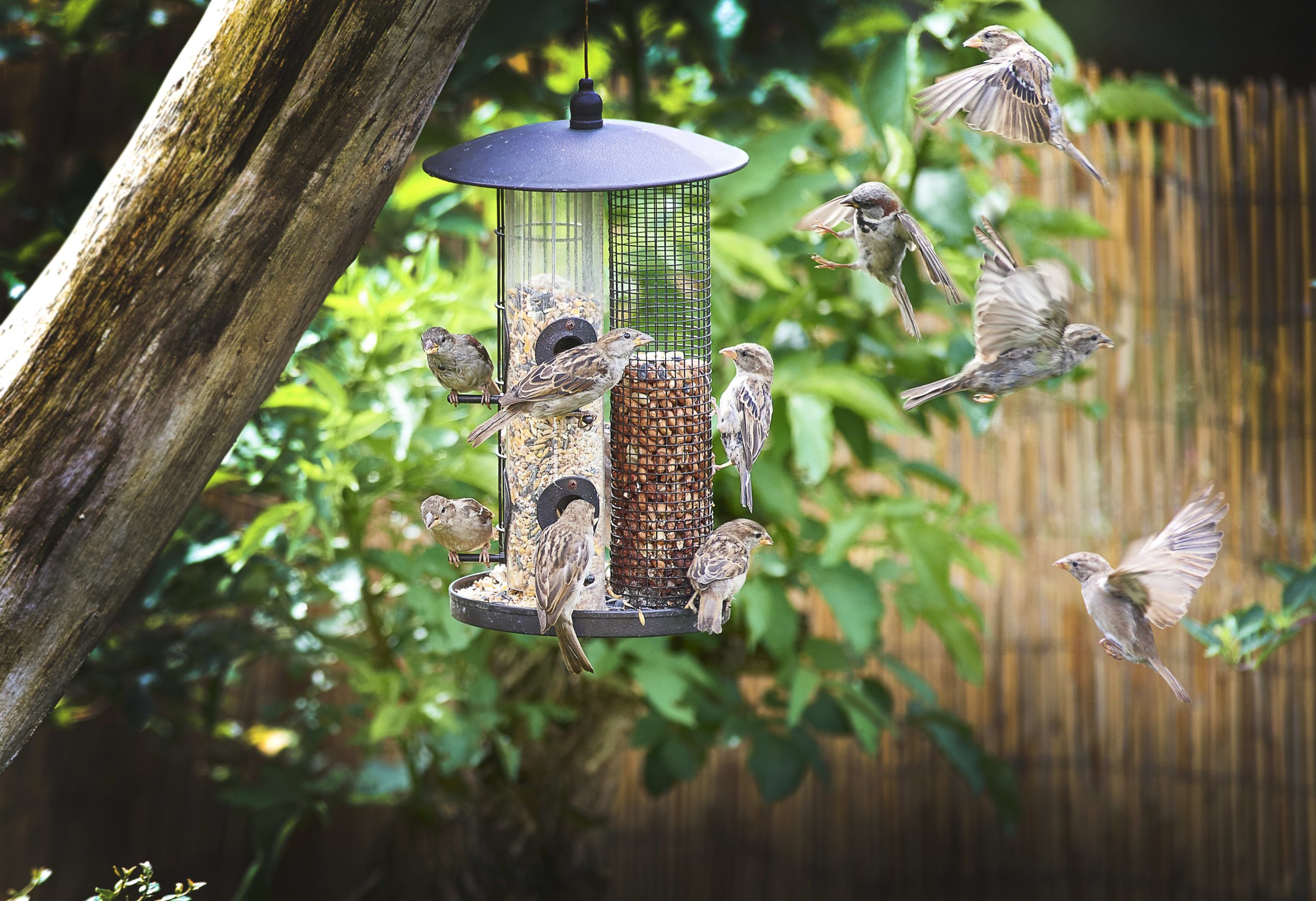
Have you ever wondered what you should put under your bird feeder? The area beneath your feeder is more important than you might think.
It can affect the health of the birds visiting your yard, keep your space clean, and even attract more feathered friends. You’ll discover simple, smart tips to make the ground beneath your bird feeder safe and inviting. Keep reading to learn how a small change can make a big difference for your backyard visitors.
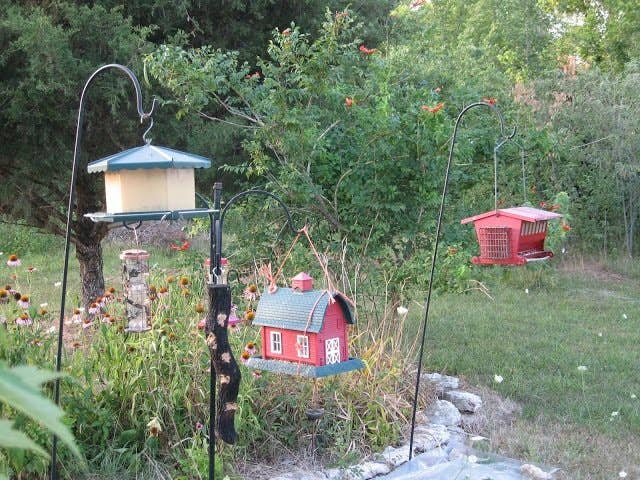
Credit: dengarden.com
Choosing The Right Ground Cover
Choosing the right ground cover under your bird feeder improves cleanliness and safety. It also controls weeds and absorbs spilled seeds. The right cover keeps the area neat and protects the soil. It creates a pleasant space for watching birds up close.
Natural Mulch Options
Natural mulch like wood chips or bark is soft and attractive. It absorbs moisture and reduces mud after rain. Mulch hides seed shells and droppings, making cleanup easier. It also stops weeds from growing near the feeder. Replace mulch regularly to keep it fresh and clean.
Gravel And Pebbles
Gravel or small pebbles provide excellent drainage and prevent mud. They create a solid surface for birds to walk on safely. Gravel is easy to rake and clean, removing old seeds and droppings. Choose smooth, small stones to avoid hurting birds’ feet. Gravel also stops weeds from sprouting.
Grass And Ground Plants
Grass or low-growing plants add a natural look under the feeder. They absorb spilled seeds and help control erosion. Choose tough, low plants that tolerate bird traffic. Avoid tall plants that block bird views or hide pests. Regular mowing keeps grass neat and healthy.
Practical Bird Feeder Mats
Practical bird feeder mats are an excellent solution to keep the area under your bird feeder clean and safe. These mats catch spilled seeds and droppings, making your yard tidier and reducing waste. They also protect your lawn or deck from damage caused by fallen food and bird mess.
Benefits Of Feeder Mats
Feeder mats help prevent seed from scattering all over your yard, which can attract unwanted pests like rodents. They make cleaning easier because you can simply shake or hose off the mat instead of raking or sweeping the ground. Some mats even offer non-slip surfaces, keeping birds safe while they feed.
Have you noticed how much seed often ends up wasted on the ground? A feeder mat can help you save money by reducing this loss. Plus, it protects your plants and lawn from seed buildup, which can lead to mold or unwanted weed growth.
Types Of Mats Available
- Rubber Mats:Durable and weather-resistant, easy to clean with a hose.
- Mesh Mats:Allow water to drain through, preventing puddles and mold.
- Fabric Mats:Lightweight and portable, but may need frequent washing.
- Plastic Mats:Affordable and easy to wipe down, though less eco-friendly.
Choosing the right mat depends on your environment and how much maintenance you want to do. For example, if your yard gets a lot of rain, a mesh mat that drains water might be best. In drier areas, a rubber mat can offer long-lasting protection.
Diy Feeder Mat Ideas
You don’t have to buy a feeder mat to enjoy its benefits—you can make your own. Old shower curtains or vinyl tablecloths can work well as waterproof bases. Simply cut them to size and place under your feeder.
Another idea is to use outdoor rugs or mats with a non-slip backing. These can blend nicely with your outdoor décor and are easy to clean. If you prefer a natural look, spread a layer of pine needles or bark mulch to catch seeds and absorb moisture.
Have you tried making your own feeder mat? It’s a simple project that can save money and allow you to customize the size and style to fit your space perfectly.
Creating A Seed Catcher Area
Creating a seed catcher area beneath your bird feeder is a smart way to keep your yard tidy and make feeding birds more enjoyable. This space collects dropped seeds, reducing mess and attracting ground-feeding birds too. Setting up an effective seed catcher can save you time cleaning and enhance your birdwatching experience.
Using Trays And Platforms
Placing a tray or platform under your bird feeder catches spilled seeds before they hit the ground. You can buy trays designed specifically for feeders or use a shallow plastic container that’s easy to clean. Make sure the tray is large enough to catch most of the falling seeds but not so big that it becomes an eyesore.
Some trays come with mesh bottoms to allow water drainage, preventing mold and rot. You might also try a wooden platform with raised edges to keep seeds contained. Have you noticed how a simple tray can reduce the number of weeds sprouting under your feeder? It’s a neat trick that saves effort later on.
Designing A Seed Catch Zone
Create a designated seed catch zone by clearing a small area directly below the feeder. Use materials like gravel, mulch, or sand to make cleaning easier and discourage weed growth. These surfaces help seeds dry quickly and prevent them from getting muddy or moldy.
Consider placing a bench or a flat stone nearby where you can sit and watch the birds comfortably. Think about how the area looks in your garden – a well-planned seed catch zone can blend in naturally without drawing too much attention. What if you added a few low plants that birds like but won’t grow too tall and block your view?
Maintaining Cleanliness
Regular cleaning is key to keeping your seed catcher area inviting for birds and free of pests. Remove leftover seeds and debris every few days to avoid attracting unwanted critters. You don’t need special tools; a simple broom or hand rake often does the job well.
Wash trays or platforms with mild soap and water every couple of weeks to prevent bacteria buildup. If you notice mold or dampness, dry the area thoroughly before refilling the feeder. How often do you check your seed catcher? Developing a quick cleaning routine can make a big difference in your bird feeding success.
Incorporating Decorative Elements
Adding decorative elements under your bird feeder can transform a simple setup into a charming focal point in your garden. These additions not only enhance the visual appeal but can also create a welcoming space for birds and other wildlife. Think about how you want this area to look and feel—do you want it neat and tidy or more natural and wild?
Using Stones And Rocks
Placing stones or rocks under your bird feeder is a practical and attractive choice. They help with drainage, keeping the ground dry and reducing mud during rainy days. You can arrange smooth river rocks for a polished look or opt for larger, rugged stones to add texture.
Try mixing different sizes and colors to create a natural mosaic effect. This not only looks good but also makes cleaning easier. Have you considered how the sound of pebbles underfoot might add a peaceful ambiance to your garden?
Adding Small Garden Ornaments
Small garden ornaments like miniature animals, fairy figurines, or decorative stakes can add personality to the space beneath your feeder. Choose items that complement your garden’s theme or reflect your own style. They invite curiosity and can make birdwatching even more enjoyable.
Be careful not to overcrowd the area; a few well-placed pieces work better than clutter. What kind of vibe do you want to create—whimsical, rustic, or modern? Your choice can spark conversations and invite visitors to linger longer.
Blending With Landscape
To make your bird feeder area feel like a natural part of your garden, blend it with surrounding plants and features. Low-growing ground cover plants or mulch can soften the edges and add color. This approach helps the feeder area merge seamlessly with the rest of your outdoor space.
Consider native plants that attract birds and insects, enhancing the ecosystem around your feeder. How could you use the existing landscape to highlight your feeder without it looking out of place? Thoughtful placement encourages both birds and people to enjoy the spot more fully.
Safety And Hygiene Tips
Keeping the area under your bird feeder safe and clean is important. Birds gather here to eat and rest. Dirty spots can harm them. You must take care of hygiene and safety to protect birds and your garden.
Preventing Mold And Disease
Seeds and dropped food can get wet and grow mold. Mold can make birds sick. Use a tray or mat under the feeder to catch seeds. Clean this area often. Remove old seeds and debris quickly. Make sure the ground dries well after rain or watering.
Avoiding Predators
Birds can be in danger from cats or other predators near feeders. Keep the ground clear of tall grass or thick bushes. This reduces hiding spots for predators. Place feeders away from places where predators can jump or sneak up. Keep an eye on the area to ensure birds stay safe.
Regular Cleaning Practices
- Clean trays, mats, or ground area weekly.
- Use warm water and mild soap to wash surfaces.
- Rinse well to remove soap residue.
- Dry everything completely before refilling feeders.
- Pick up fallen seeds and bird droppings daily.
Regular cleaning keeps birds healthy and encourages them to visit often.
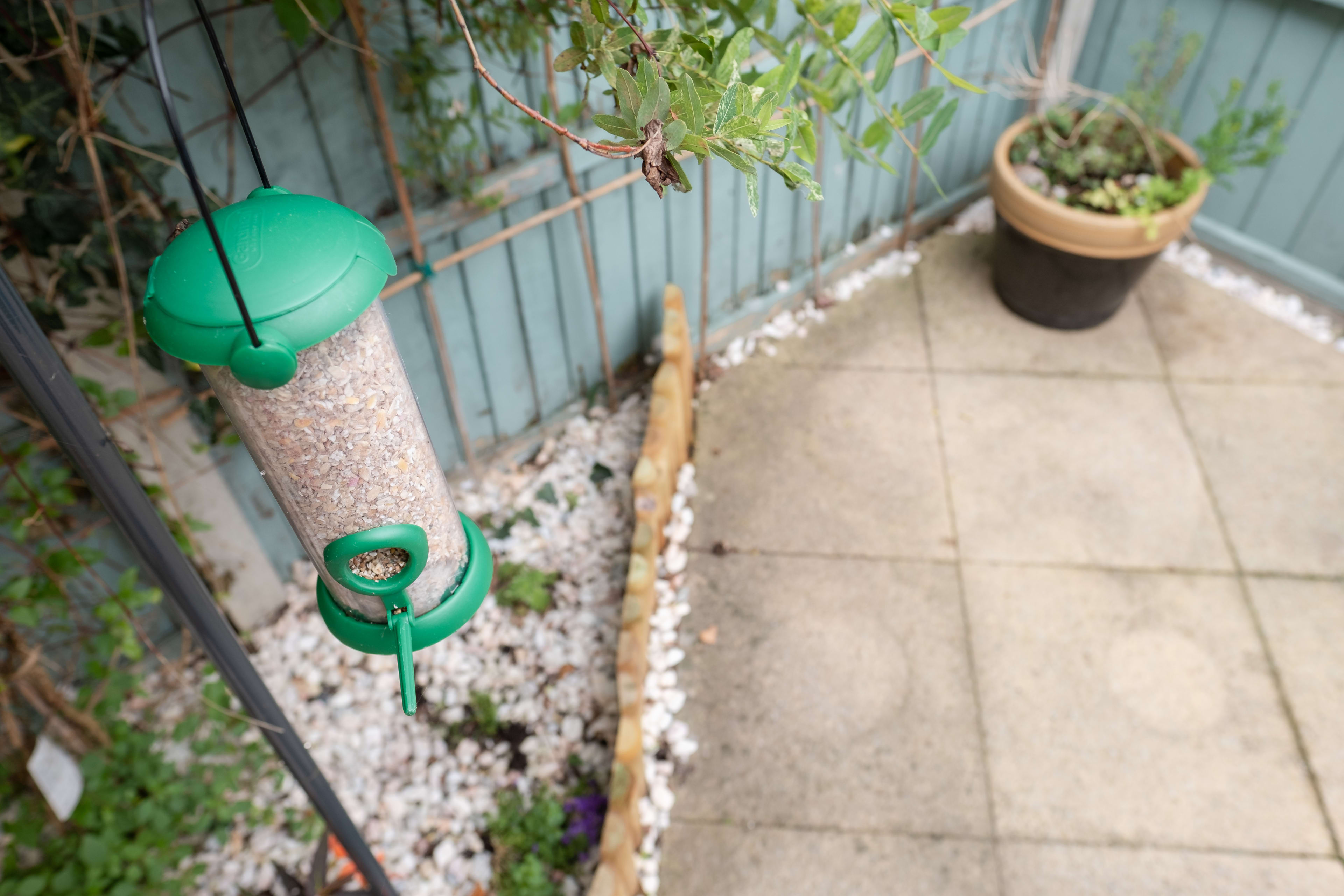
Credit: dengarden.com
Seasonal Considerations
Taking seasonal changes into account can transform the area under your bird feeder from a messy patch into a tidy, inviting space for birds and a pleasure for you to observe. Each season brings unique challenges and opportunities for what you should place beneath your feeder. Paying attention to these shifts helps you maintain cleanliness, safety, and even beauty throughout the year.
Winter Ground Cover Ideas
Snow and ice can make the ground under your bird feeder slippery and unattractive. Adding a layer of straw or wood chips can provide traction and absorb moisture, preventing muddy patches. These materials also help keep seeds off the wet ground, reducing waste and discouraging pests.
Consider placing a shallow tray filled with sand or crushed gravel. This not only adds texture but also gives birds a dry spot to perch while feeding. Have you noticed how birds seem to appreciate a bit of extra footing during harsh winter days?
Summer Maintenance Tips
Summer heat can quickly turn spilled seeds into moldy messes. Using a washable mat or rubber tray under your feeder catches debris and makes cleaning easier. Regularly rinsing these surfaces keeps bacteria at bay and protects your feathered visitors from illness.
Keep an eye on nearby plants. Trimming overgrown shrubs can improve airflow, reducing dampness and insect buildup. What small adjustments can you make today to keep your summer feeding station fresh and inviting?
Adapting For Rainy Seasons
Rain can create muddy puddles that attract unwanted critters and make the feeding area unpleasant. Elevate your feeder with a platform or place it over gravel to improve drainage. Adding a waterproof mat can also protect the ground and simplify cleanup.
Think about shelter options. A simple canopy or positioning the feeder under a tree can shield seeds from heavy rain. How might you rearrange your setup to keep both birds and seeds dry during frequent showers?
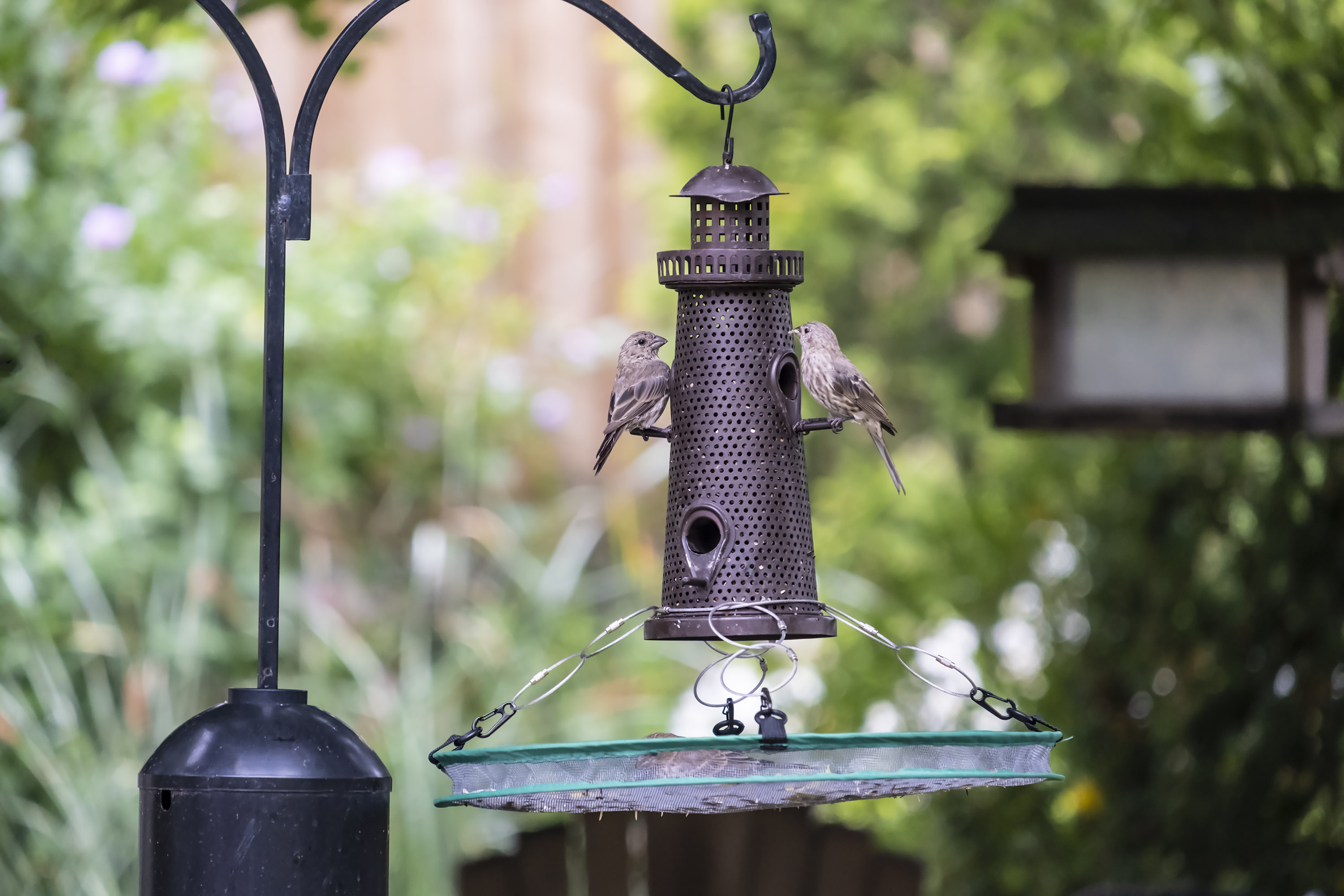
Credit: dengarden.com
Frequently Asked Questions
What Is The Best Ground Cover Under Bird Feeders?
Using mulch or gravel under bird feeders helps keep the area clean. It also prevents weed growth and reduces mud, making it safer for birds.
Should I Put Seed Trays Under Bird Feeders?
Yes, seed trays catch falling seeds, reducing waste and mess. They provide easy access for ground-feeding birds and keep the area tidy.
How Do I Prevent Mold Under Bird Feeders?
Regularly clean the area under feeders and remove wet seeds. Good drainage and sunlight help keep the ground dry and mold-free.
Can I Use Birdseed Shells As Ground Cover?
No, leftover shells can attract pests and create slippery spots. It’s better to clean up shells to maintain a safe feeding area.
Conclusion
Choosing the right material under your bird feeder helps keep your yard clean. Soft mulch or grass cushions falling seeds and bird droppings. Gravel or sand can make cleaning easier and prevent weeds. Avoid bare soil; it turns muddy and messy after rain.
Regularly changing the ground cover keeps birds healthy and happy. Small efforts make bird feeding more enjoyable for you and birds. Keep it simple, safe, and neat for the best results.