

Are you looking to bring more colorful birds to your yard? Choosing the best type of bird feeder can make all the difference.
The right feeder attracts the birds you love and keeps them coming back. But with so many options out there, how do you know which one is best for your space and the birds you want to see? You’ll discover simple tips and expert advice to help you pick the perfect bird feeder.
Keep reading, and soon your outdoor space will be alive with feathered friends.
Credit: www.kingsyard.com
Types Of Bird Feeders
Bird feeders come in many shapes and sizes. Each type attracts different birds and suits various feeding habits. Choosing the right feeder helps you enjoy a diverse birdwatching experience. Learn about common types of bird feeders below.
Hopper Feeders
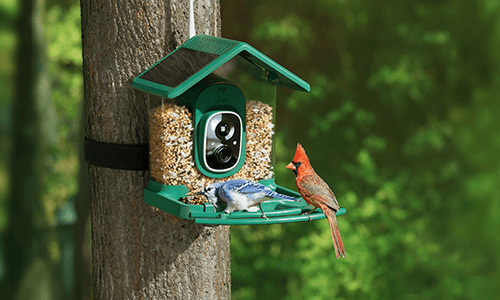
Hopper feeders have a container that holds seeds and releases them into a tray. Birds perch on the tray to eat. These feeders protect seeds from rain and keep them fresh longer. They attract many bird species like cardinals and finches.
Tube Feeders
Tube feeders are long and narrow with multiple feeding ports. Small birds can feed safely without much competition. They are easy to clean and refill. Tube feeders work well for seeds like sunflower and nyjer.
Platform Feeders
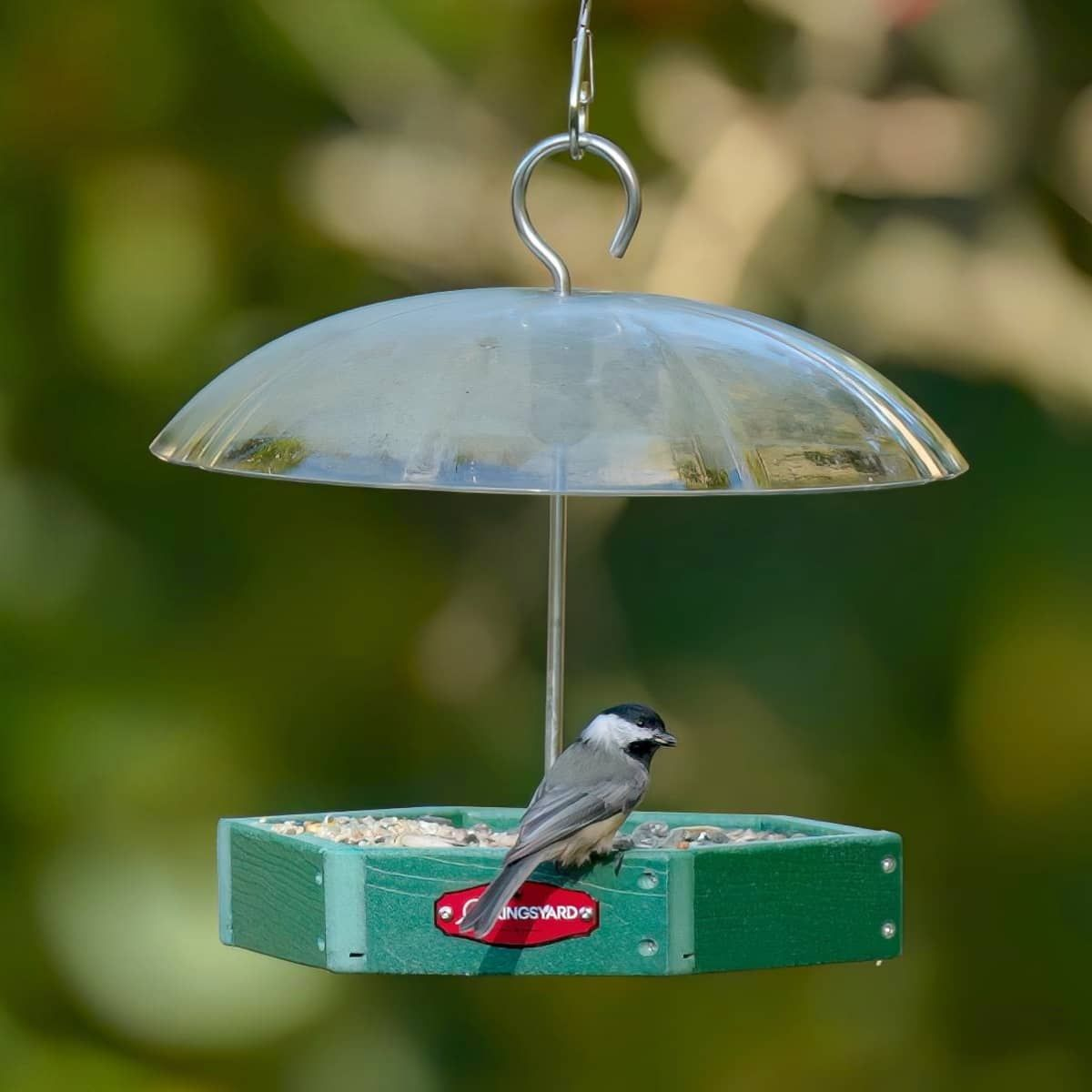
Platform feeders are flat surfaces where you place seeds or fruit. They attract a wide range of birds, including larger ones. These feeders are easy to clean but offer no protection from weather. Ground-feeding birds often visit platform feeders.
Suet Feeders
Suet feeders hold blocks of suet, a high-energy food made from animal fat. Woodpeckers, nuthatches, and chickadees love suet. These feeders are great in cold months. They usually have cages to hold the suet and keep it secure.
Window Feeders
Window feeders attach directly to glass with suction cups. They provide a close-up view of birds feeding. These feeders are small and perfect for small birds like finches. Window feeders are easy to refill and clean.
Ground Feeders
Ground feeders spread seeds directly on the ground or in a shallow tray. They attract birds that prefer to feed on the ground, such as doves and sparrows. These feeders need protection from pets and pests. They work well in open areas.
Credit: www.kingsyard.com
Materials And Durability
Choosing the right material for a bird feeder affects its durability and usability. The material must withstand weather and resist wear. It also influences how easy it is to clean and maintain. Let’s explore common materials used in bird feeders and their durability.
Wooden Feeders
Wooden feeders offer a natural look that blends well with gardens. They provide good insulation, keeping seeds dry and fresh. Wood can last long if treated against moisture and insects. Untreated wood may rot or attract pests quickly. Regular maintenance like sealing or painting extends life. Wooden feeders often need gentle cleaning to avoid damage.
Plastic Feeders
Plastic feeders are lightweight and usually affordable. They resist moisture well and do not rot. Plastic can crack or fade after long sun exposure. Some plastics are prone to becoming brittle in cold weather. Cleaning plastic feeders is easy with soap and water. They come in many shapes and colors, offering design flexibility.
Metal Feeders
Metal feeders are strong and often last for many years. They resist chewing from squirrels and other animals. Metals like stainless steel and aluminum resist rust and corrosion. Some metals may get hot in direct sun, which can affect seeds. Metal feeders are easy to clean and usually simple in design. They provide a sturdy option for outdoor use.
Weather Resistance
Weather resistance is key for all feeders. Rain, snow, and sun affect materials differently. Feeders with waterproof coatings last longer. Drainage holes help prevent seed mold in wet conditions. UV protection stops fading and cracking from sun damage. Choosing a feeder designed for your climate ensures better durability and bird safety.
Choosing Feeders For Different Birds
Choosing the right bird feeder can transform your backyard into a lively bird sanctuary. Different birds have unique feeding habits and preferences, so selecting feeders that suit their needs helps attract a variety of species. Understanding these differences ensures you provide the best experience for the birds and yourself.
Feeders For Small Birds
Small birds like chickadees, finches, and sparrows prefer feeders designed to accommodate their size. Tube feeders with small perches or mesh feeders work well because they prevent larger birds from dominating the food supply. I once switched to a fine mesh feeder and noticed more tiny birds visiting, which made my mornings more enjoyable.
Feeders For Large Birds
Large birds such as cardinals, jays, and grosbeaks need sturdier feeders that can handle their weight. Platform feeders or hopper feeders offer ample space and support for these birds to perch comfortably. If you don’t provide a robust feeder, these birds may avoid your yard or scare away smaller visitors.
Feeders For Seed Preferences
Different birds have specific seed preferences, so matching feeders to seed type is crucial. Black oil sunflower seeds attract a wide range of birds, while nyjer seeds are favorites of finches and siskins. Using separate feeders for different seeds helps reduce waste and ensures each bird gets what it prefers.
Feeders For Nectar And Suet
Nectar feeders are perfect for hummingbirds and orioles, offering a sweet treat that keeps them coming back. Suet feeders attract woodpeckers, nuthatches, and chickadees, providing high-energy food especially in colder months. I found adding a suet feeder brought a new group of birds to my yard that I hadn’t seen before.
Placement And Maintenance
Choosing the right spot for your bird feeder and maintaining it well can make a huge difference in attracting more birds and keeping them safe. Placement affects which birds visit and how often, while upkeep ensures feeders stay clean and functional. You might be surprised how small changes in location and care can boost your birdwatching experience.
Best Locations For Feeders
Place feeders where birds feel secure but you can still enjoy watching them. Near shrubs or trees is ideal because birds use these for quick cover from predators. Avoid areas with heavy foot traffic or loud noises that scare birds away.
Consider putting feeders at least 5 feet off the ground to deter cats and other predators. If you live in a windy spot, position feeders on the leeward side of a tree or building to protect seeds and birds from harsh winds. Think about sunlight too—morning sun helps dry dew and reduces mold growth.
Cleaning Tips
Clean your bird feeders regularly to prevent disease. A simple cleaning routine every two weeks keeps feeders safe for your feathered friends. Use warm soapy water and a brush to scrub all parts thoroughly.
Rinse well and let feeders dry completely before refilling. If you notice mold or clumped seeds, clean immediately. Remember, dirty feeders can harm birds and discourage them from returning.
Preventing Pests And Predators
Keep unwanted visitors like squirrels and rodents away by using baffles or squirrel-proof feeders. These devices block access without harming animals. You can also try placing feeders away from walls or fences to reduce jumping access.
To protect birds from cats, avoid placing feeders near thick shrubs where cats can hide. Regularly check your yard for predator activity and move feeders if needed. Have you noticed any patterns in your yard that could help you choose safer spots?
Features To Consider
Choosing the best type of bird feeder depends on key features. These features affect how well birds can feed and how much effort you put into maintenance. Understanding these factors helps pick a feeder that suits your needs and attracts more birds.
Capacity And Size
Consider how much seed the feeder can hold. A larger capacity means less refilling. Small feeders need frequent refills but are easier to clean. Choose the size based on how many birds visit your yard.
Ease Of Refilling
Look for feeders that refill quickly and without mess. Some models have wide openings or removable parts. These features save time and reduce seed spills. Easy refilling encourages regular feeding for the birds.
Weather Protection
Good feeders protect seed from rain and snow. Covered or enclosed feeders keep seed dry and fresh. This prevents mold and waste. Check if the feeder has a roof or shield to block weather elements.
Squirrel Proofing
Squirrels can steal seed and damage feeders. Some feeders come with built-in squirrel guards or cages. Weight-activated mechanisms close off access to seed. Choose squirrel-proof feeders to keep seeds for birds only.
Budget And Aesthetic Options
Choosing the best bird feeder often means balancing your budget with how the feeder looks in your outdoor space. You want something that attracts birds effectively without breaking the bank or clashing with your garden’s style. Luckily, there are plenty of options that can fit both your wallet and your taste.
Affordable Choices
You don’t have to spend a lot to get a quality bird feeder. Simple tube feeders and mesh feeders often come at a low price but still attract a variety of birds.
- Plastic tube feeders are lightweight and easy to clean.
- Mesh feeders work great for seeds like sunflower and peanuts and often cost less.
- Look for feeders with basic but durable designs to avoid frequent replacements.
Think about how much you want to invest upfront versus how often you want to upgrade or replace feeders. Sometimes spending a little more on a sturdy feeder saves money over time.
Decorative Feeders
If your yard is part of your home’s aesthetic, consider decorative bird feeders. These come in a variety of styles, from vintage lantern designs to colorful glass feeders.
- Metal feeders with intricate patterns can double as garden art.
- Hand-painted ceramic feeders add a personal and artistic touch.
- Clear glass feeders let you watch the seed level and birds feeding.
Decorative feeders can become a conversation piece while attracting birds. Ask yourself: does your garden style lean toward rustic charm or modern sleekness? This will guide your choice effectively.
Diy Bird Feeders
Making your own bird feeder is a fun way to customize your feeding station and control costs. Plus, it can be a rewarding project that adds personality to your yard.
- Use recycled materials like old teacups, mason jars, or wooden pallets.
- Simple designs like pine cone feeders dipped in peanut butter and rolled in seeds attract many small birds.
- Building feeders allows you to adjust size and style exactly to your needs.
Have you ever crafted something that brought you closer to nature? A DIY feeder can make birdwatching even more special because it’s your creation drawing the wildlife in.
Credit: www.allaboutbirds.org
Frequently Asked Questions
What Is The Best Bird Feeder For Attracting Many Species?
The best bird feeder attracts various species by offering diverse seeds. Tube feeders with mixed seeds work well. They provide easy access and reduce seed waste. Choosing feeders with perches also helps accommodate different bird sizes.
Which Bird Feeder Is Easiest To Clean And Maintain?
Tray feeders and hopper feeders are the easiest to clean. Their open design allows quick access for washing. Regular cleaning prevents mold and disease. Choose feeders made of durable materials like metal or plastic for longevity.
How Do Squirrel-proof Bird Feeders Work?
Squirrel-proof feeders use weight-sensitive mechanisms to block seed access. When a squirrel lands, the feeder closes or cages tighten. Some feeders have baffles to prevent climbing. These designs protect seeds and reduce squirrel damage effectively.
What Type Of Feeder Is Best For Seed-specific Birds?
For seed-specific birds, use feeders designed for their preferred seeds. Finch feeders work well for tiny seeds like nyjer. Sunflower seed feeders attract cardinals and chickadees. Specialized feeders ensure less seed waste and target desired species.
Conclusion
Choosing the best bird feeder depends on your needs and birds’ habits. Tube feeders attract small birds easily. Platform feeders show off many bird types. Hopper feeders store more seed for longer use. Consider where you will place your feeder too.
Clean feeders often to keep birds healthy. Watch which birds visit and adjust as needed. Enjoy the peaceful moments of bird watching. Happy feeding!